

Boron nitride ceramic components for molten metal and high-temperature processing
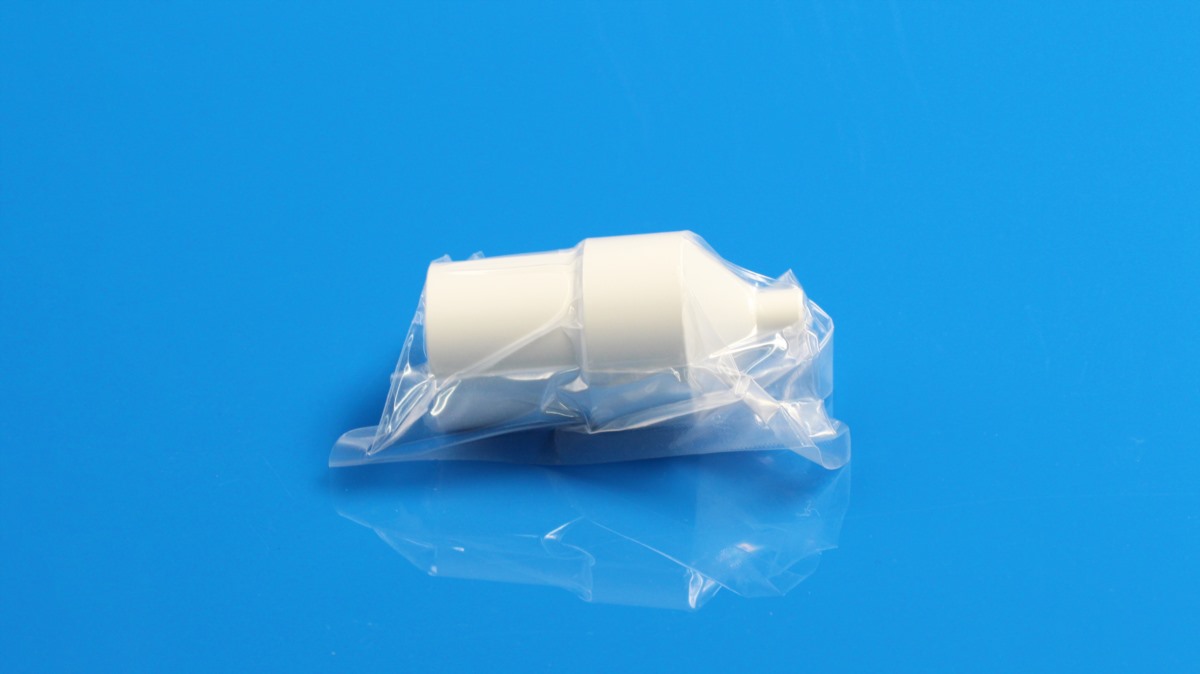
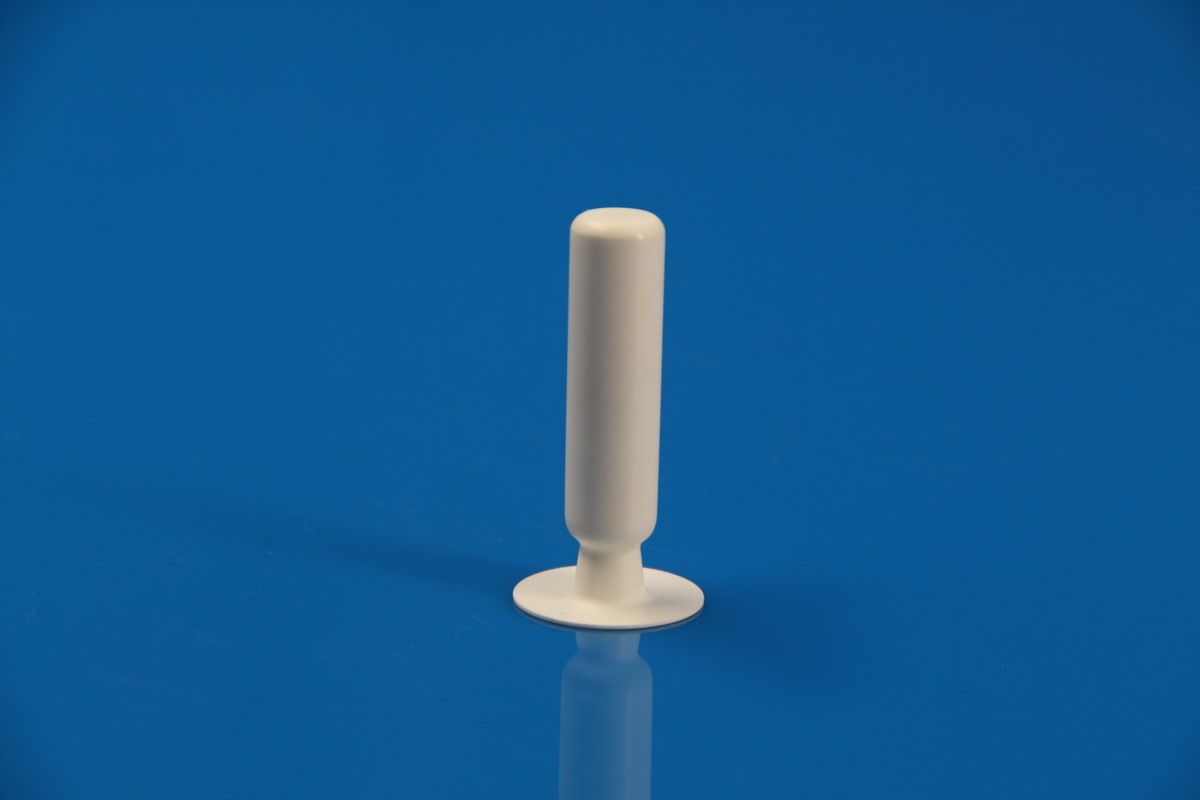
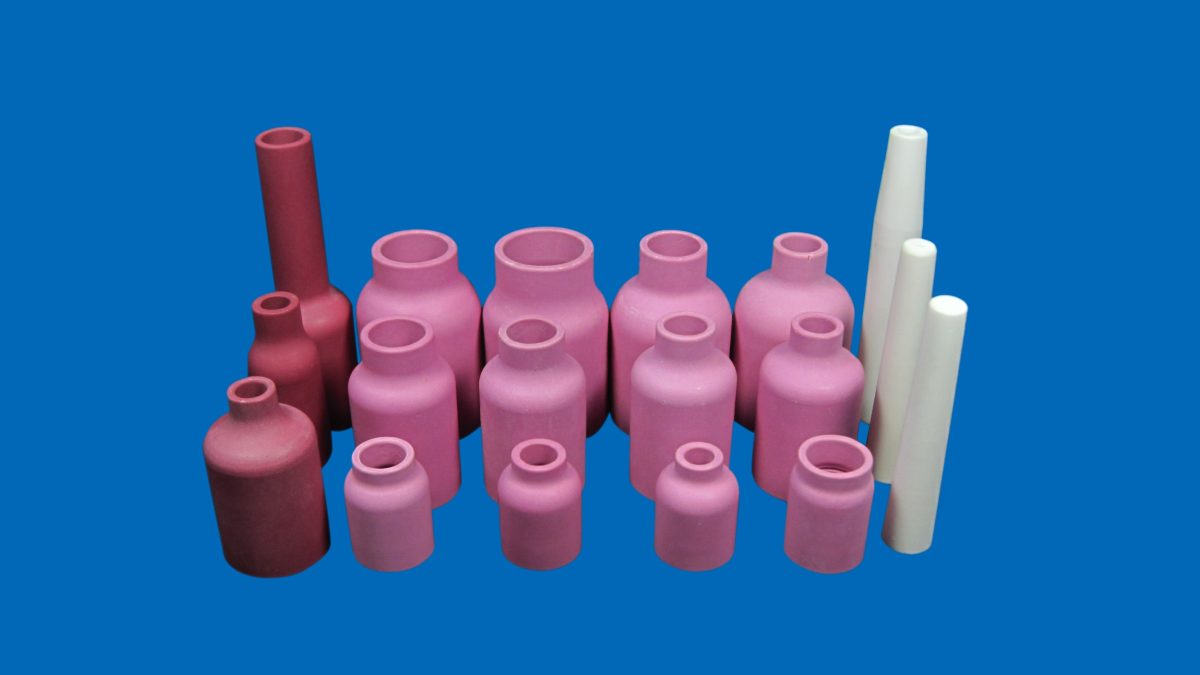
A process equipment user needed crucibles, nozzles and fixture parts for high-temperature work involving molten metal and vacuum or inert atmospheres. Innovacera reviewed boron nitride components, which resist thermal shock and are not wetted by many molten metals.
What this case is about.
This case explains how boron nitride ceramic parts can support high-temperature processing where molten metal contact, thermal shock and vacuum or inert atmosphere operation are all part of the same requirement.
The problem before changing to ceramics
High-temperature processing that involves molten metal is demanding on materials in several ways at once. Parts that contact molten metal can be wetted by it, which contaminates the melt and damages the part. Rapid heating and cooling cause thermal shock, which cracks materials that cannot absorb the sudden temperature change.
Sustained high temperature, often under vacuum or inert atmosphere, can also cause materials to lose dimensional stability or react with their surroundings. The customer needed crucibles, nozzles and fixture parts that would not be wetted by the molten metal in contact, would survive repeated thermal cycling without cracking, and would stay stable and machinable at the working temperature.
Operating conditions and review points
- High-temperature operation under vacuum or inert atmosphere
- Molten metal contact and non-wetting requirement
- Thermal shock from rapid heating and cooling
- Machined geometry for crucibles, nozzles and fixtures
The ceramic material and component direction
Innovacera reviewed boron nitride (BN) for the crucible, nozzle and fixture parts. Boron nitride is not wetted by many molten metals, so it can contact a melt without being attacked or contaminating it — a key reason it suits crucibles and nozzles.
It also handles thermal shock well, absorbing rapid heating and cooling without the cracking that limits less shock-tolerant ceramics, and it stays stable at high temperature in vacuum and inert atmospheres. BN is also machinable, which means the crucibles, nozzles and fixtures can be produced to the customer’s drawn shapes and dimensions rather than being limited to simple forms.
The component work used the customer’s drawings to define internal and external geometry, wall thickness and the features each part needed, and confirmed the route from first review parts to repeat production.
What improved
Non-wetting, thermal-shock-resistant parts for molten metal and high-temperature work.
Boron nitride gives the customer a component family for high-temperature and molten-metal work that resists wetting, tolerates thermal shock and stays stable at temperature. Because BN is machinable, the crucibles, nozzles and fixture parts can be made to drawn geometry, and the same material and process route carries from prototype to repeat production.
The customer can review a similar approach for other high-temperature parts that face molten metal contact, vacuum or inert atmospheres, and repeated thermal cycling.
Actual performance depends on drawings, tolerances, operating media, temperature, load and cleaning conditions. Innovacera reviews each RFQ against the customer application before recommending a ceramic route.
Discuss a similar ceramic component
Comparta planos, condiciones de operación, cantidad y rendimiento objetivo. Innovacera puede revisar la dirección del material, la viabilidad de fabricación y las opciones de prototipo a producción.