

Research & Labs
Custom and small-batch ceramic components for research, laboratory instruments and experimental systems where material behavior must be tested carefully.
Engineering requirements behind Research & Labs ceramic components
Research and lab projects often require unusual geometry, small quantity, high purity, high temperature or special electrical and chemical behavior. The best ceramic route depends on what needs to be proven in the experiment.
- Prototype or small-batch requirement
- High purity and contamination control
- High-temperature or vacuum exposure
- Electrical insulation or thermal behavior
- Custom fixture geometry
Where Ceramic Components Are Used in Research & Labs Equipment
Use this section to match your equipment type with typical ceramic parts and the key requirements we should review before quoting.
High-temperature experiments
Analytical and instrument fixtures
Prototype ceramic development
Engineering Review Notes for Research and Laboratory Ceramic Parts
Research ceramic parts often start from an experiment rather than an existing product. The useful review path is to understand the test environment, required material behavior and which dimensions truly matter.
Information to share before material review
- Experiment purpose, operating environment, temperature, atmosphere, vacuum, chemicals or sample contact.
- Sketch, drawing or reference part with critical dimensions and surfaces marked.
- Quantity, timeline and whether the part is for proof-of-concept, repeated testing or a production prototype.
- Material preference, purity expectation, electrical behavior, thermal behavior or porosity needs.
How we use this information
- Identify practical materials for the experimental conditions and available manufacturing route.
- Separate critical tolerances from non-critical features so the part can be produced faster and more economically.
- Review whether machining, firing shrinkage, surface finish or material brittleness may affect the test.
What Innovacera can support
Innovacera supports laboratories and R&D teams with ceramic material samples, prototype parts, drawing review and small-batch custom ceramic manufacturing.
Related ceramic products.
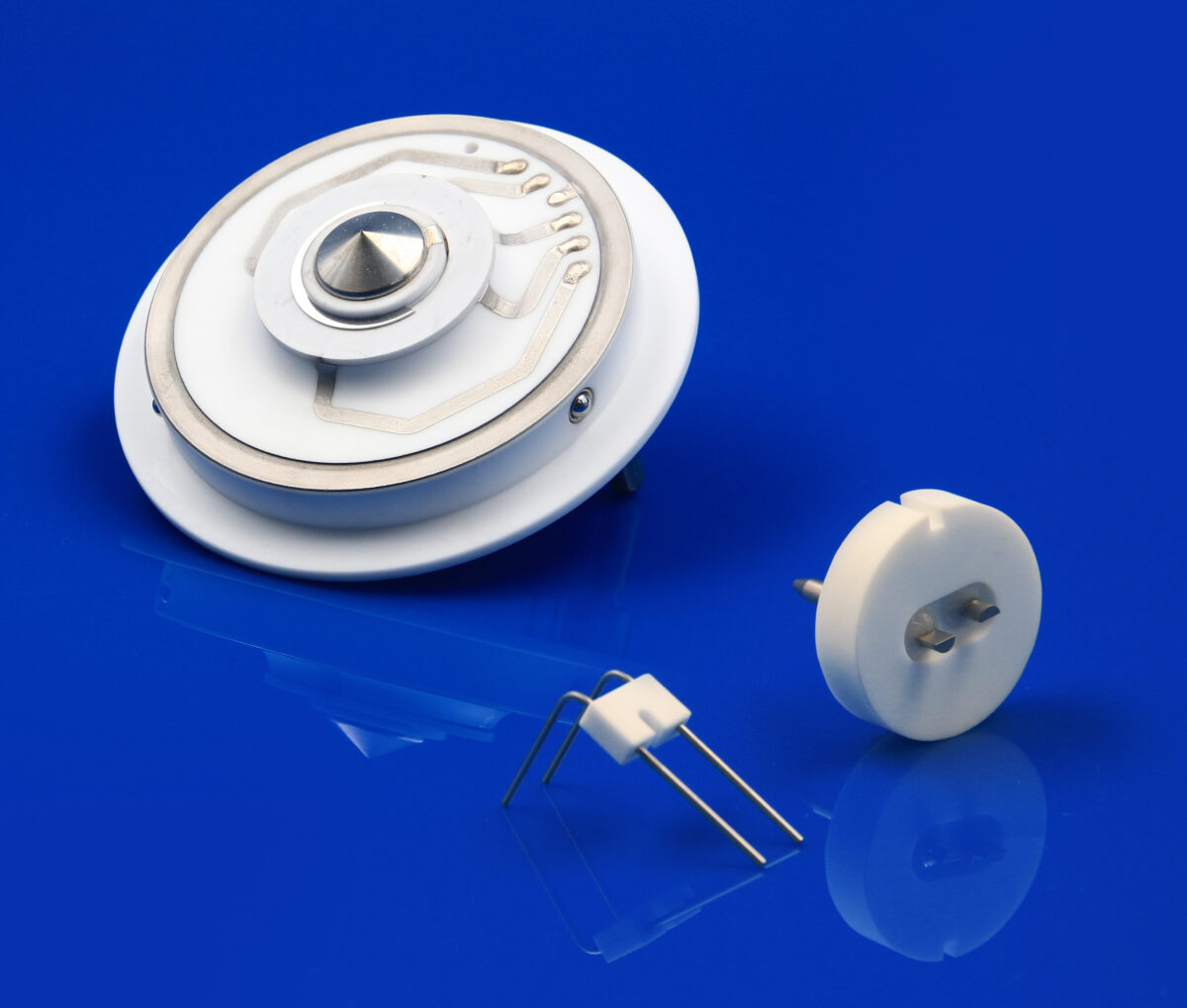
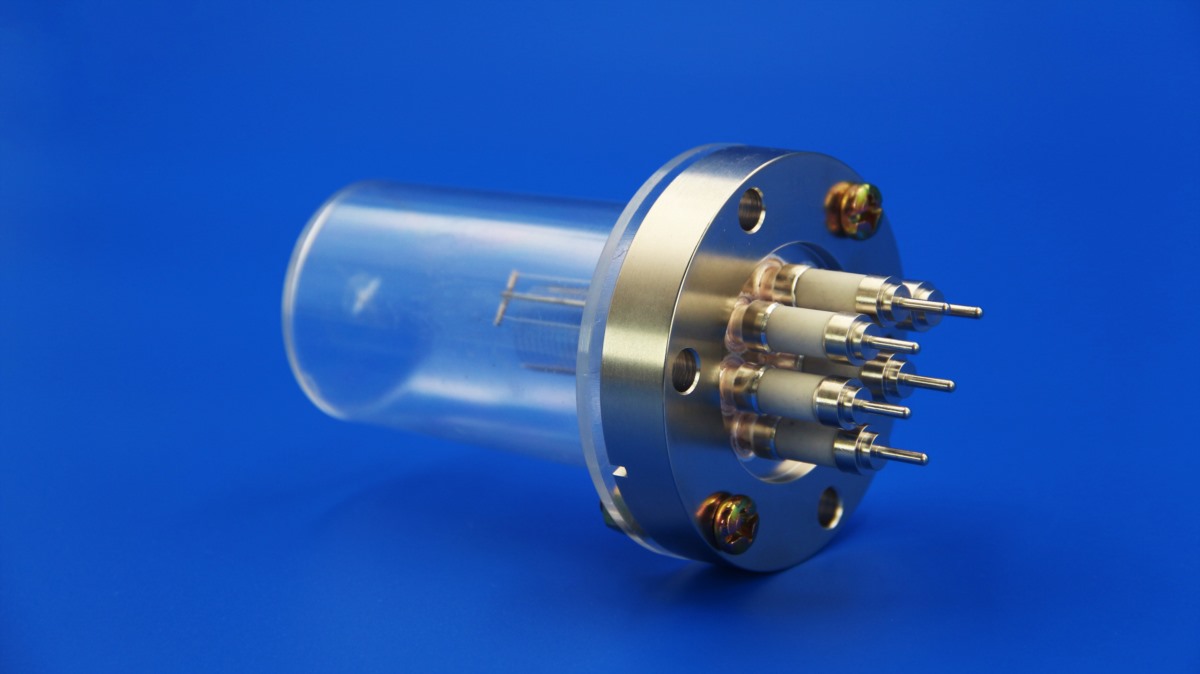
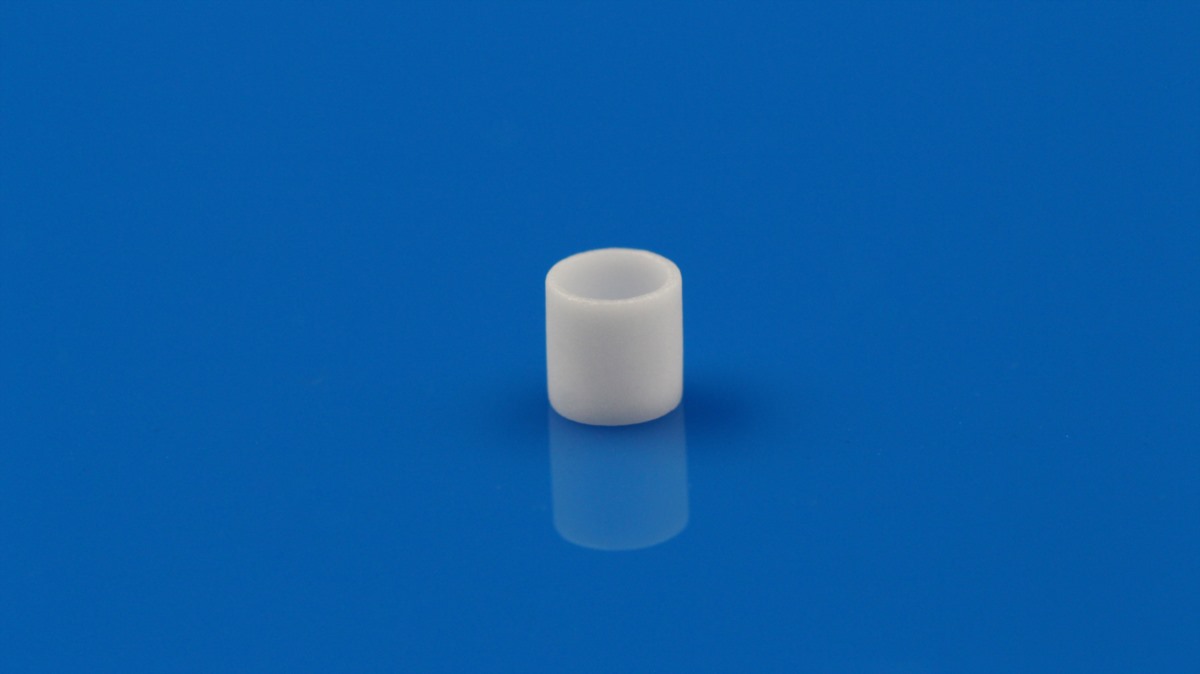
3 related products are tagged to this application field in the current catalog. Use them as starting points for standard review or custom manufacturing discussion.
Start with the conditions. We will help review the ceramic path.
Share your operating conditions, performance requirements, and design challenges. We' Il help identify the optimal ceramic solution.