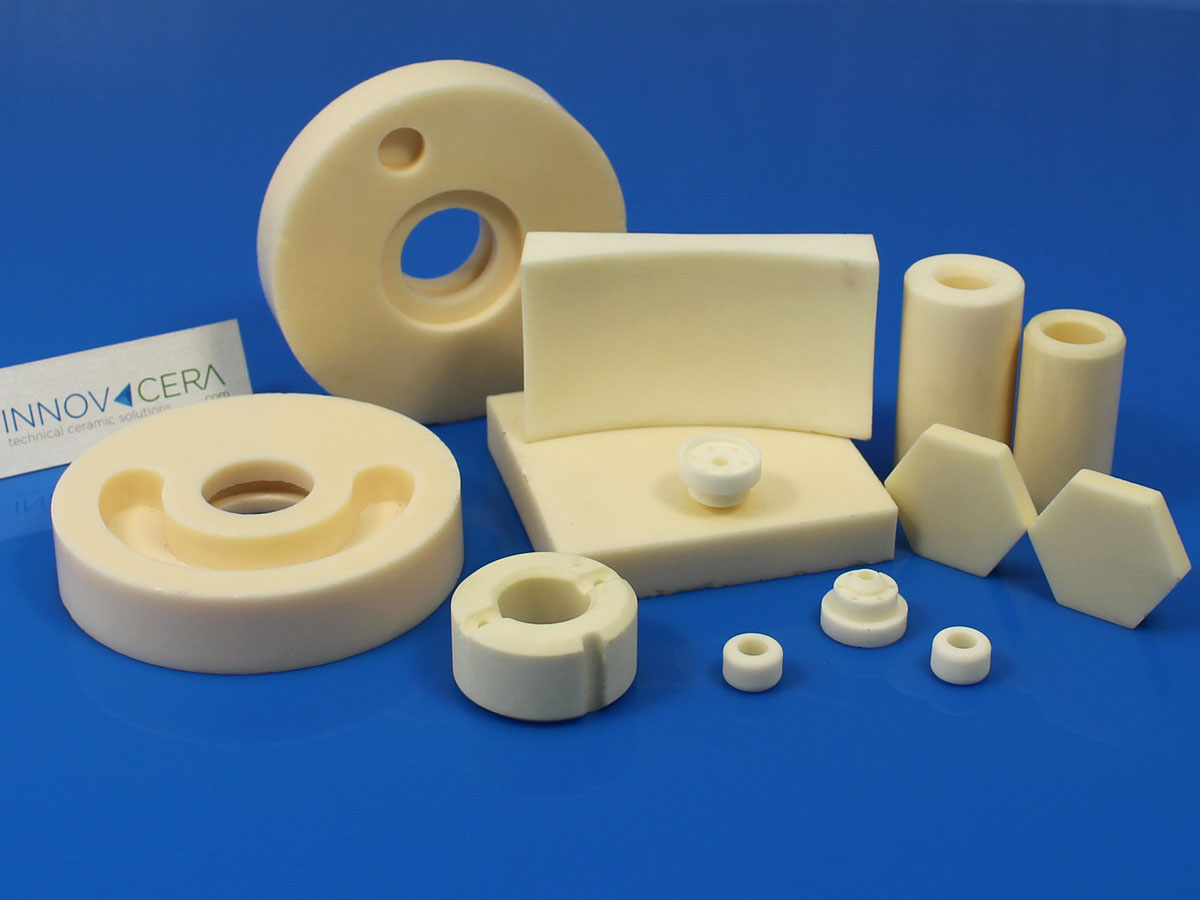
Important considerations for ceramic selection, dimensional control, finishing, inspection and prototype-to-production planning.
What makes a ceramic component a precision component?
A precision ceramic component has controlled dimensions, datums, working surfaces or interfaces that directly affect fit, motion, sealing, alignment, electric-field stability or instrument accuracy.
Which materials are available for precision ceramic parts?
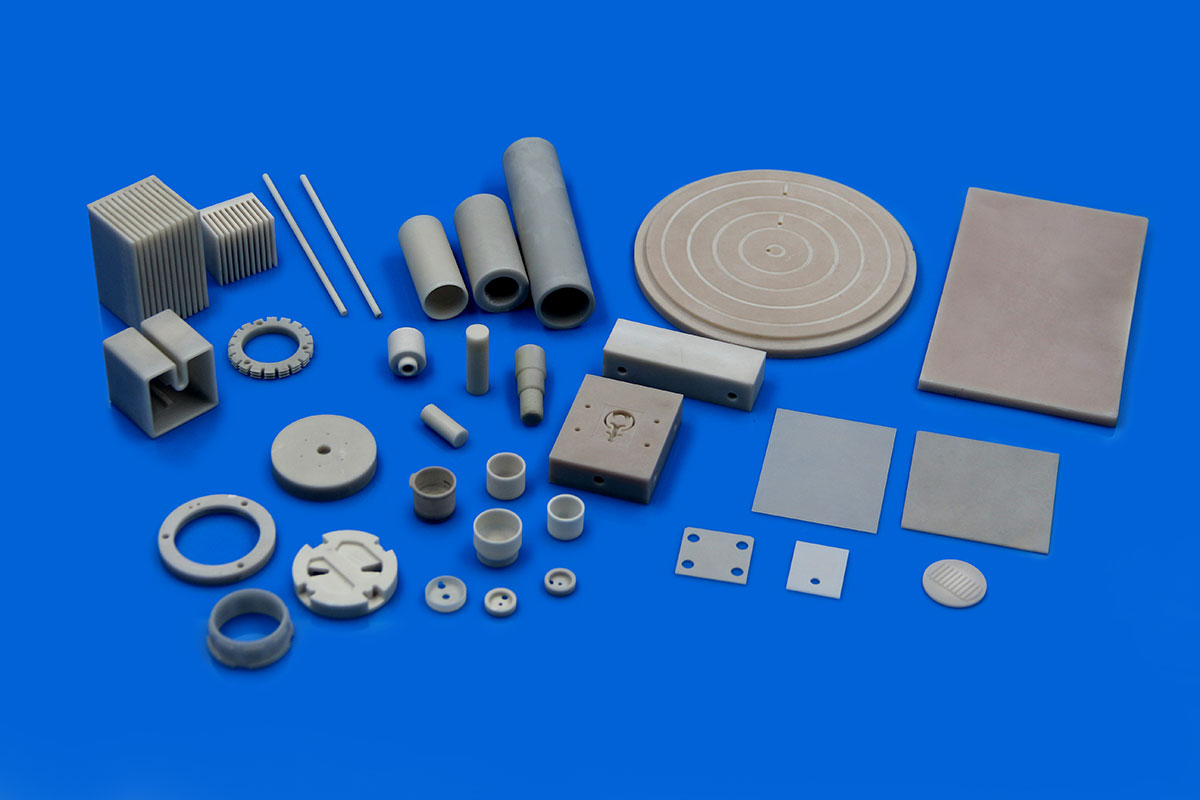
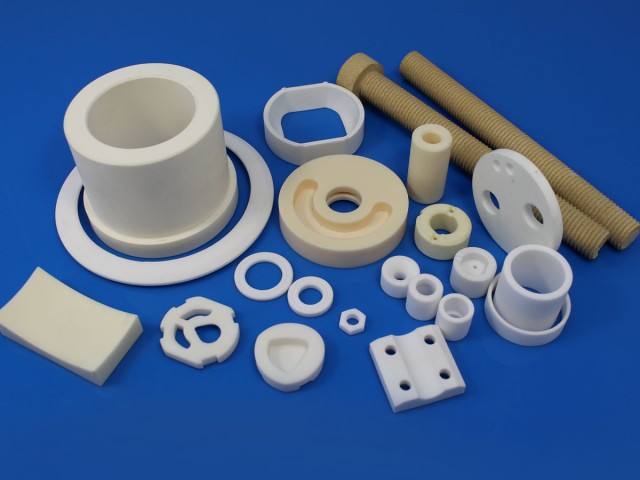
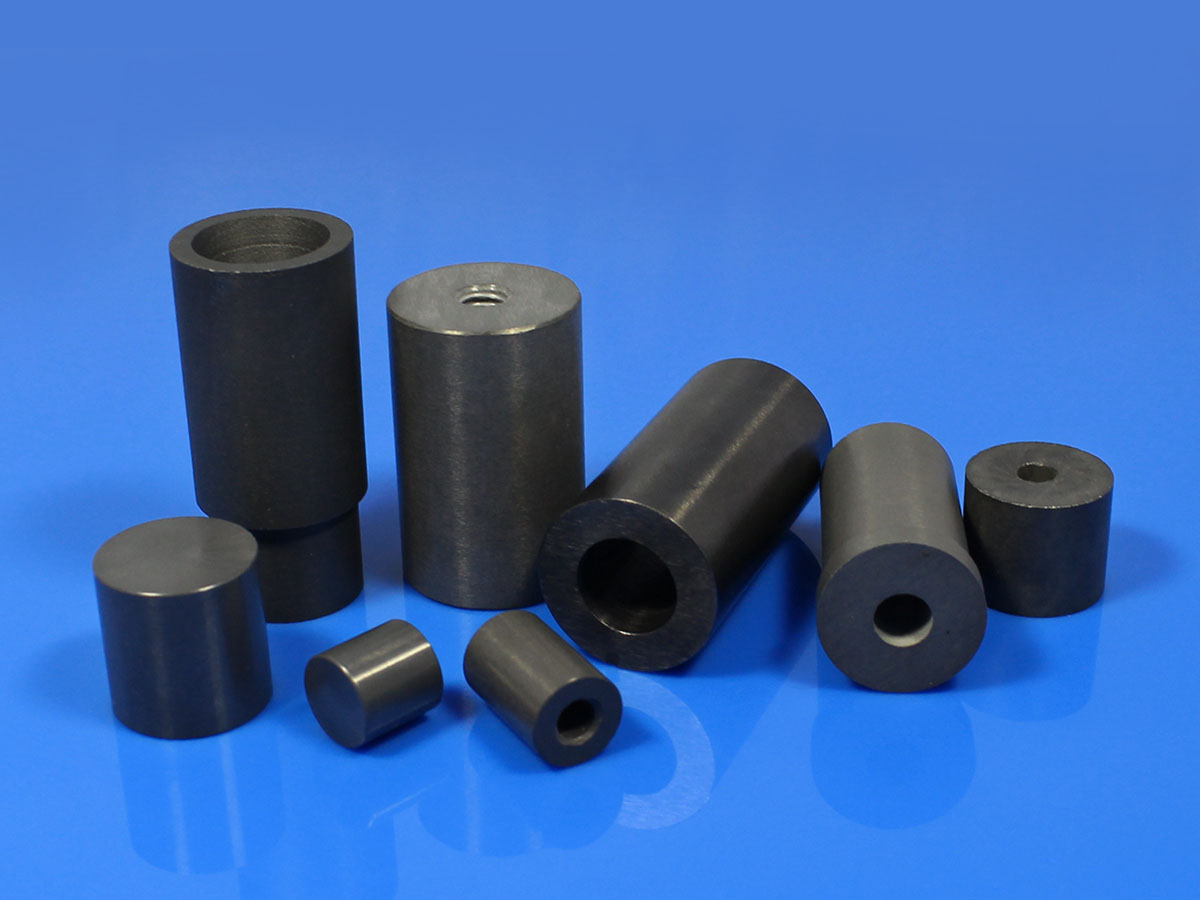
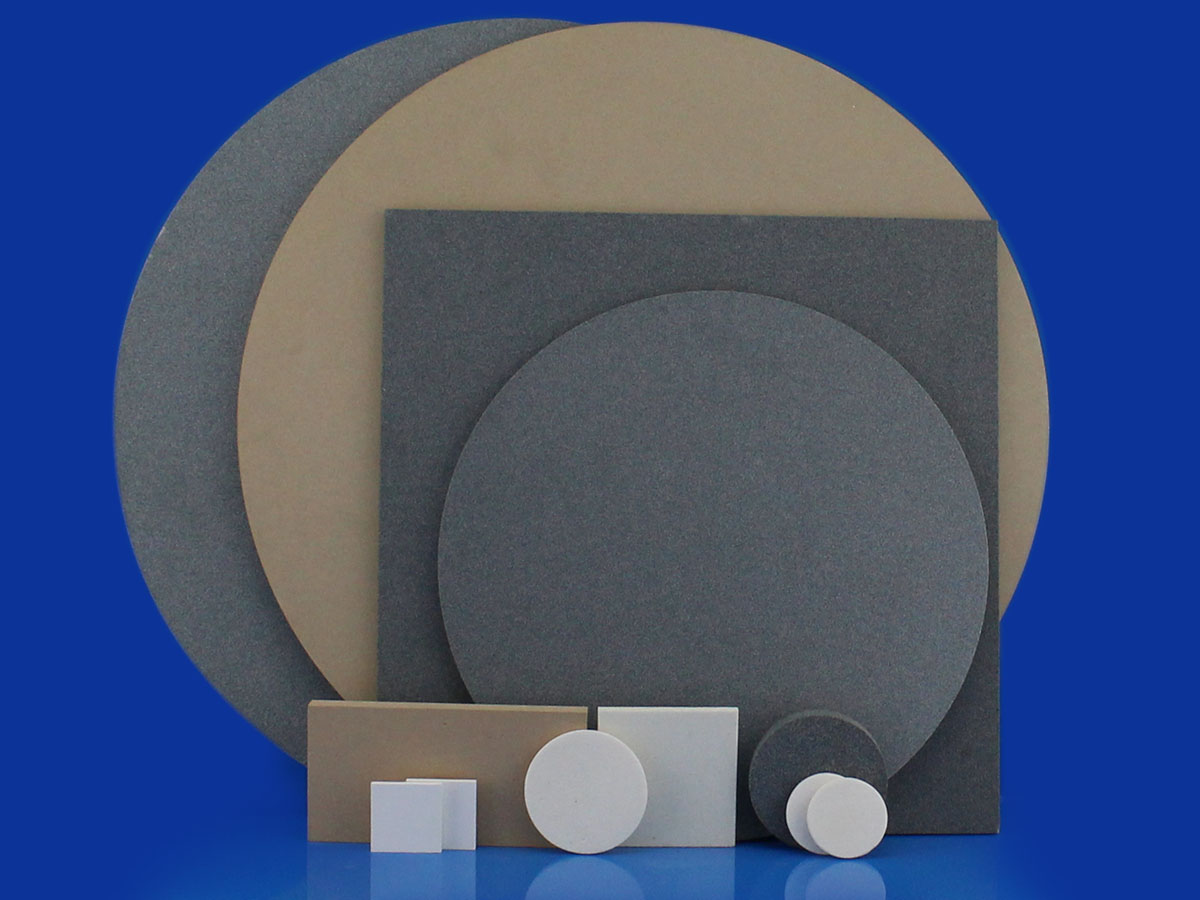
Common choices include alumina, zirconia, silicon nitride, aluminum nitride, boron nitride and machinable glass ceramic. Silicon carbide and other materials can also be reviewed for specific wear, thermal or structural requirements.
How should the ceramic material be selected?
Selection should begin with the operating environment. Define load, wear, temperature, electrical insulation, thermal conductivity, corrosion, plasma or vacuum exposure and assembly interfaces before comparing ceramic grades.
Can Innovacera manufacture directly from customer drawings?
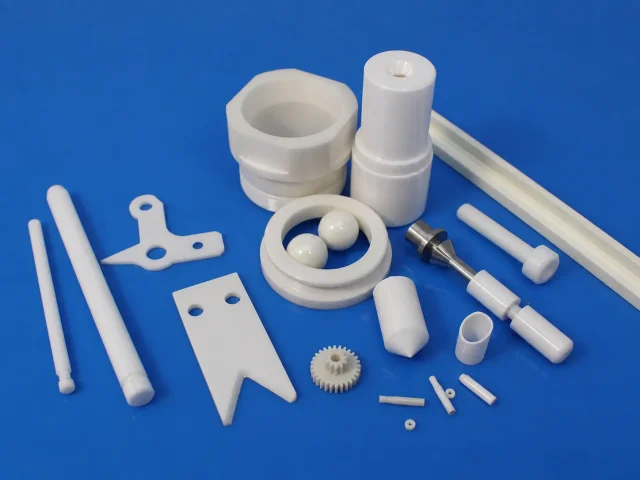
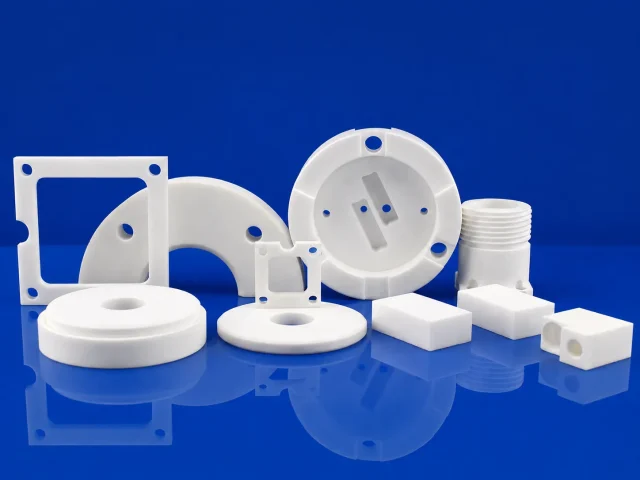
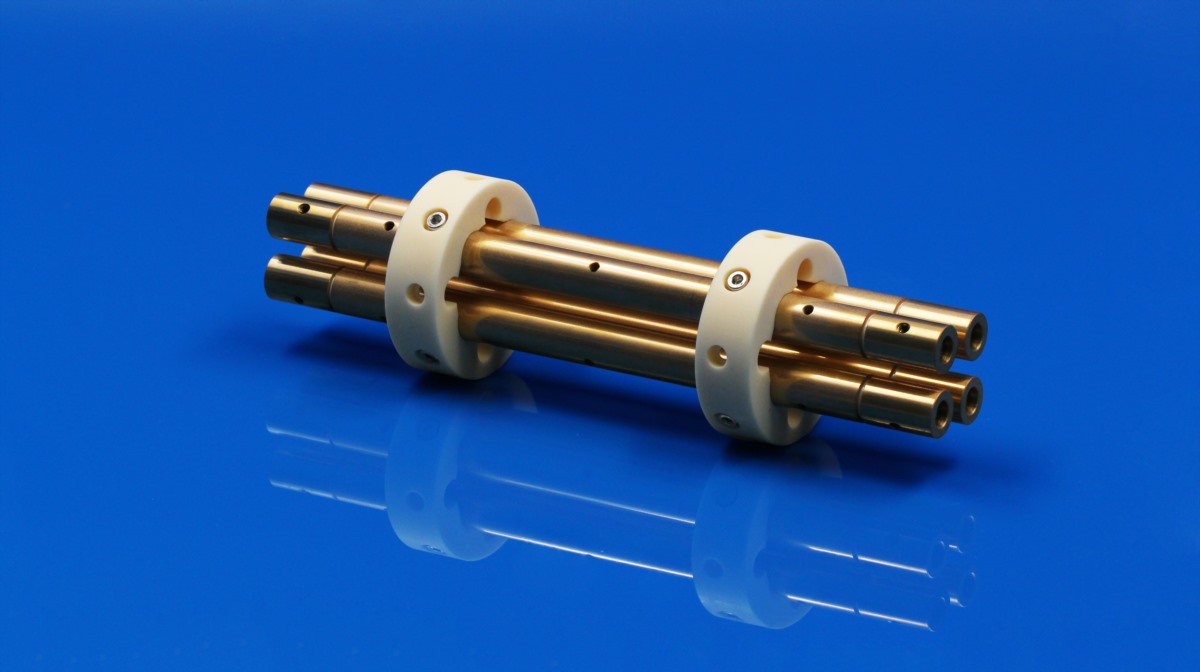
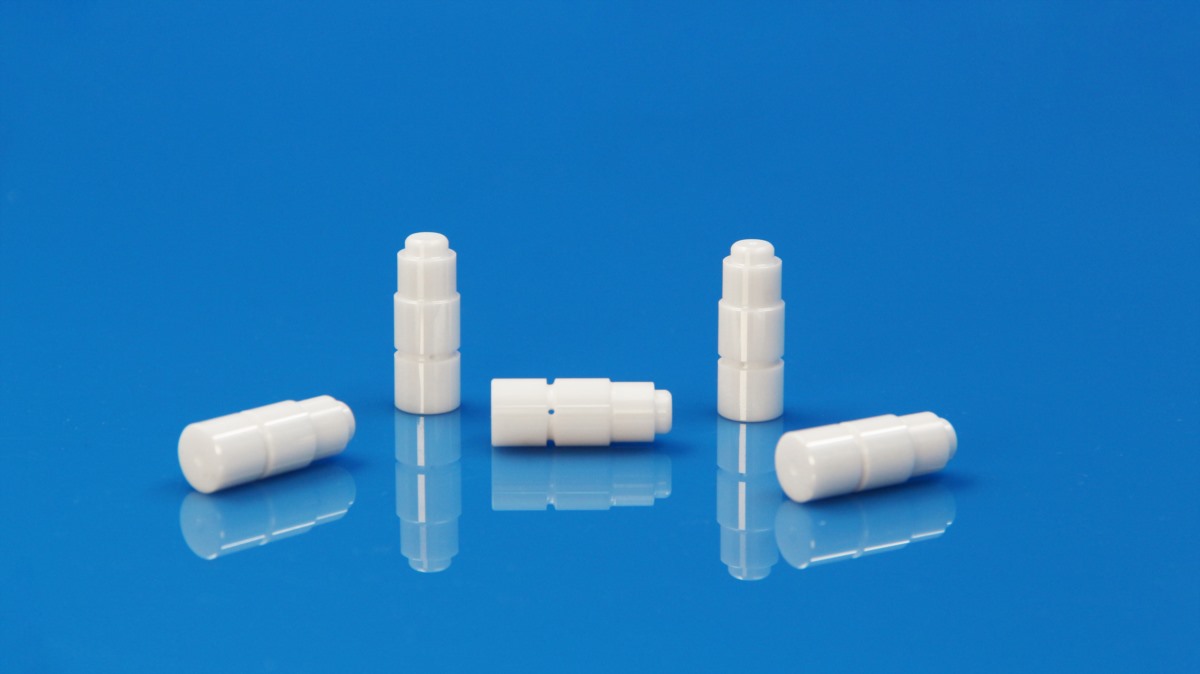
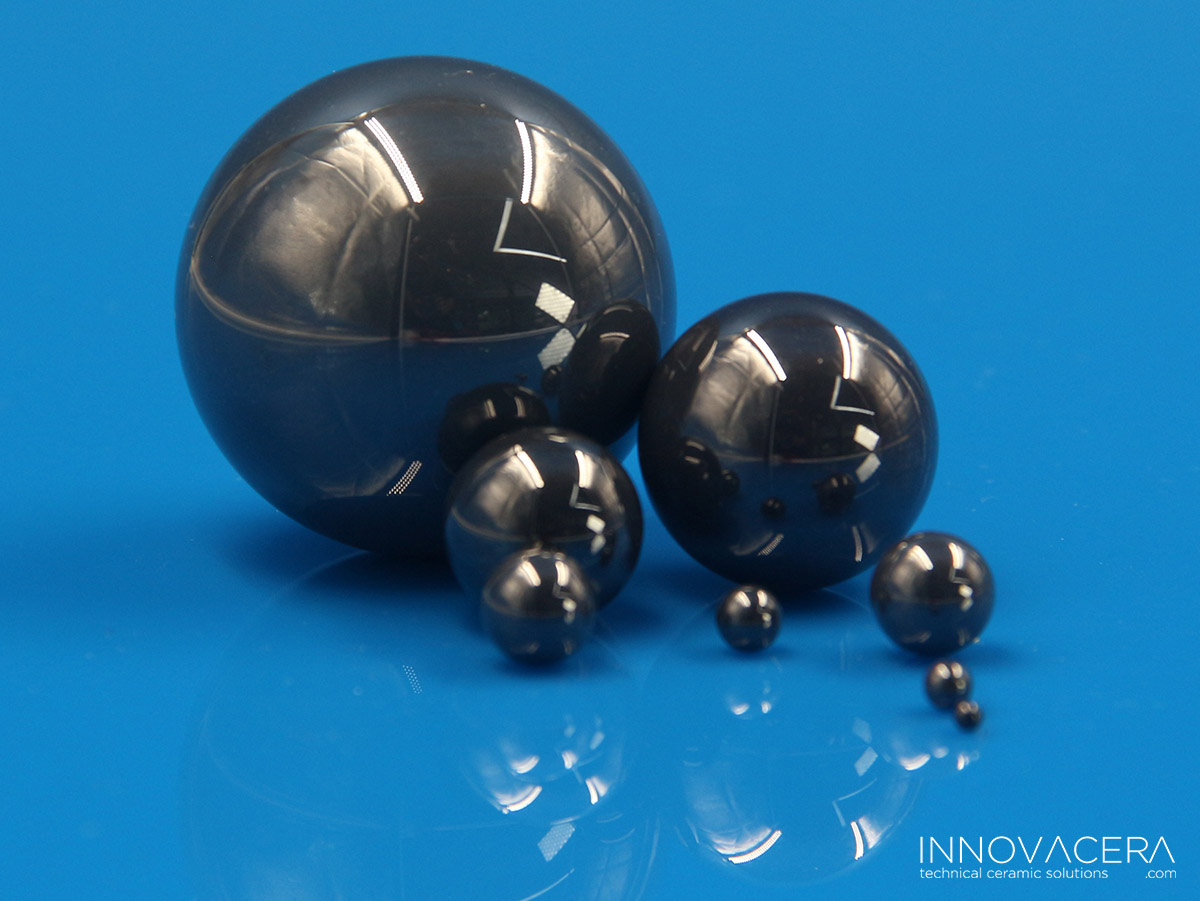
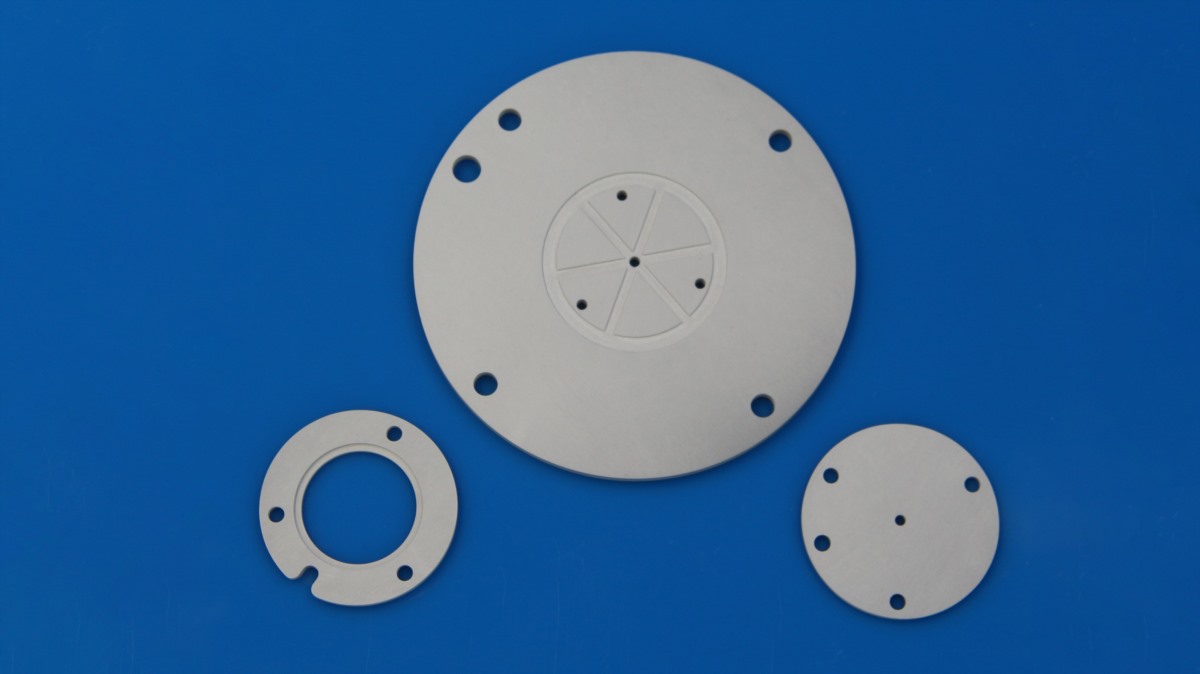
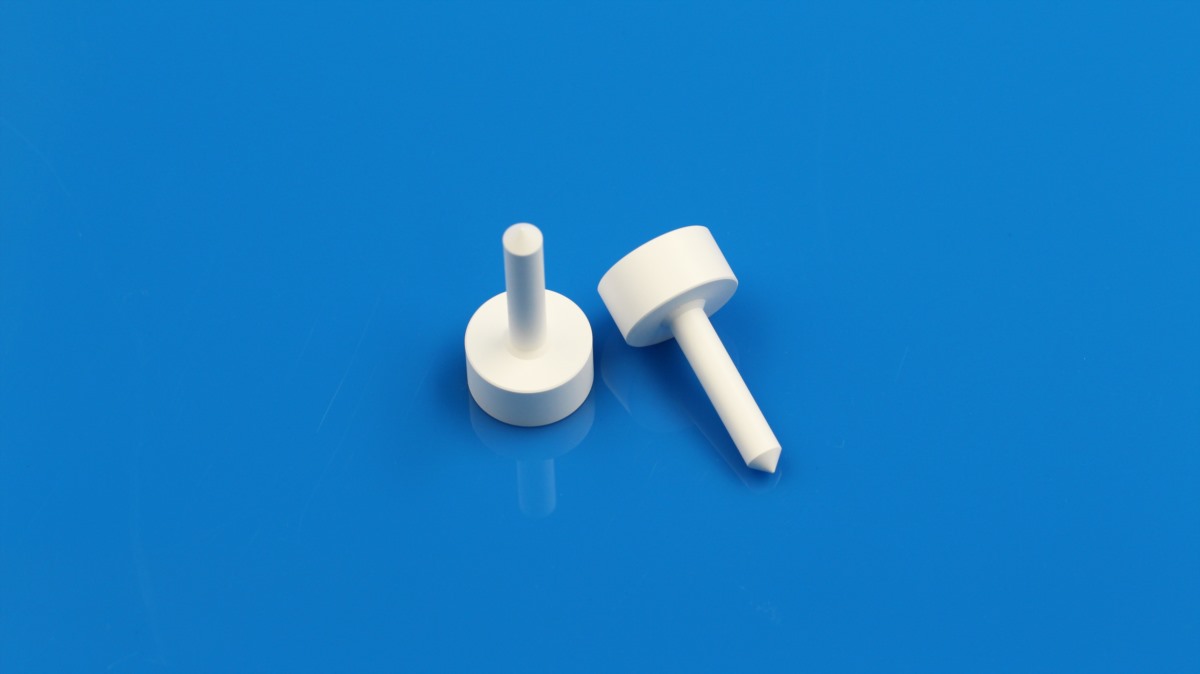
Yes. Dimensioned drawings, CAD files and samples can be reviewed for custom tubes, pins, sleeves, plates, guides, plungers, balls, insulators and complex machined structures.
What tolerances are realistic for precision ceramic components?
Achievable tolerances depend on material, size, wall thickness, aspect ratio, sintering route and whether the feature is formed, green-machined or diamond-ground after firing. Critical tolerances should be identified separately.
What is the difference between green and fired ceramic machining?
Green machining shapes the compact before sintering and is efficient for many complex forms. Fired machining uses diamond grinding, lapping or polishing after sintering when tighter dimensions, flatness, concentricity or finish are required.
Can surfaces and edges receive special finishing?
Yes. Options may include precision grinding, lapping, polishing, controlled roughness, chamfers and radiused edges. Finish requirements should be connected to the component’s mating, sealing, sliding or optical function.
What information is needed for an RFQ?
Provide the drawing or CAD model, preferred material, working conditions, critical dimensions and datums, surface and edge requirements, inspection criteria, prototype quantity and expected annual demand.