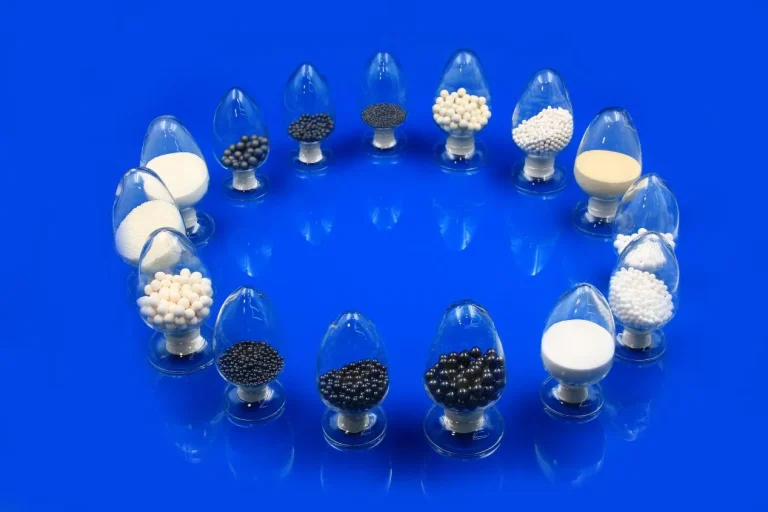
Product family

Ceramic Grinding Media

Related products 8 products in the current catalog
Common forms balls, beads, milling media, grinding components
Material options Silicon Nitride (Si3N4)
Current catalog

Related products

Back to product categories
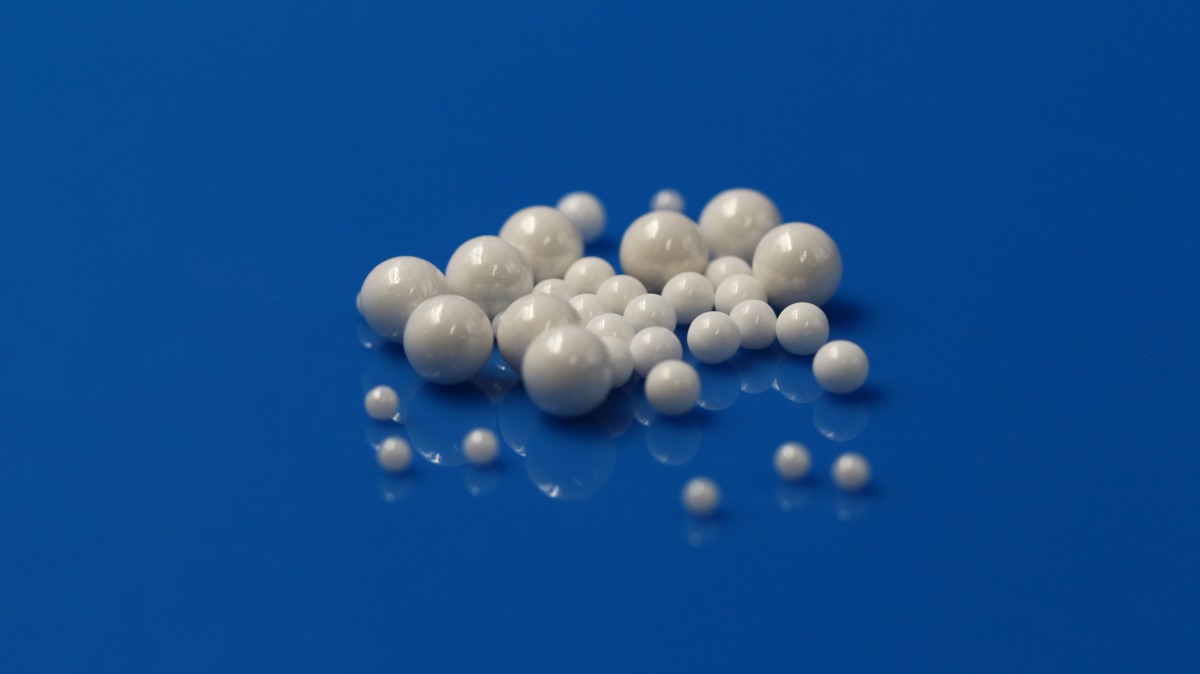
Zirconia Ceramic Grinding Balls

Zirconia Ceramic Grinding Balls

More Details
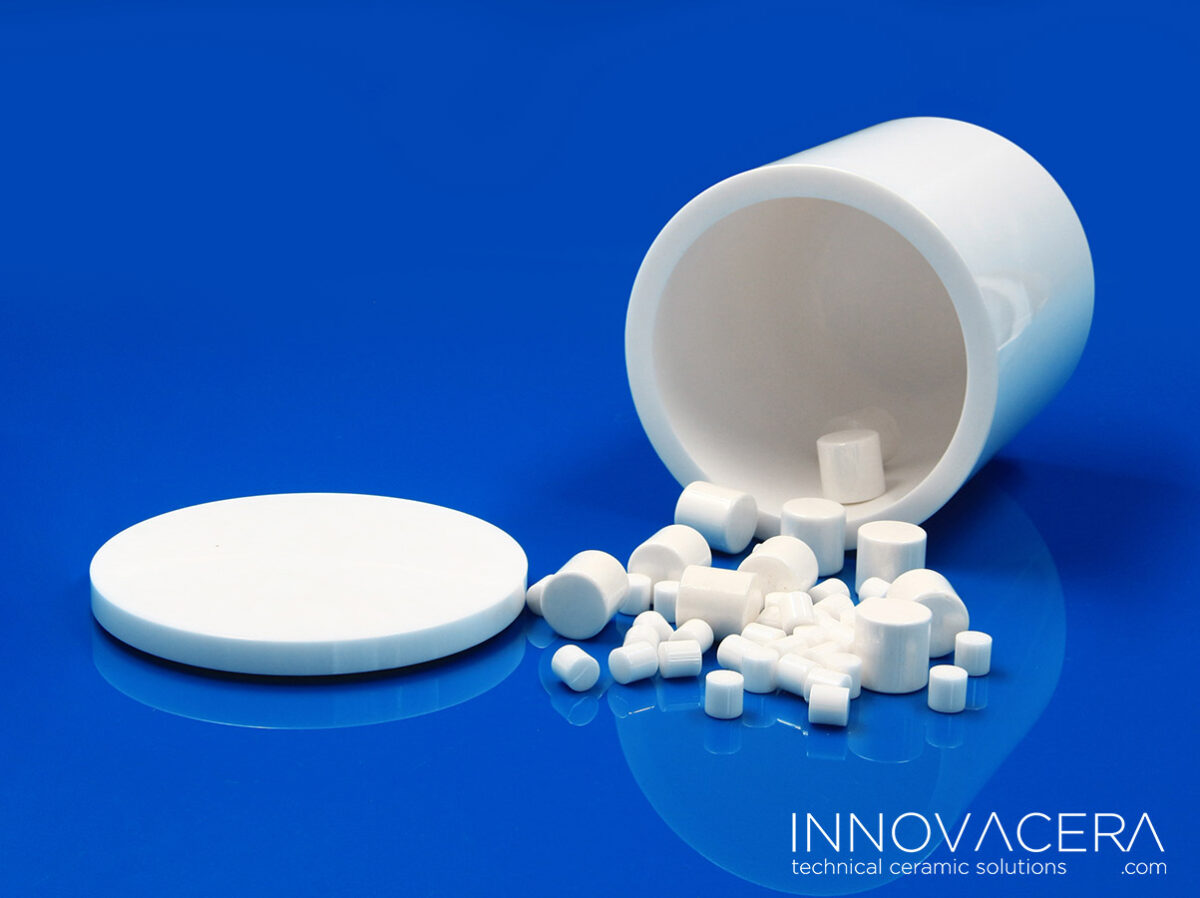
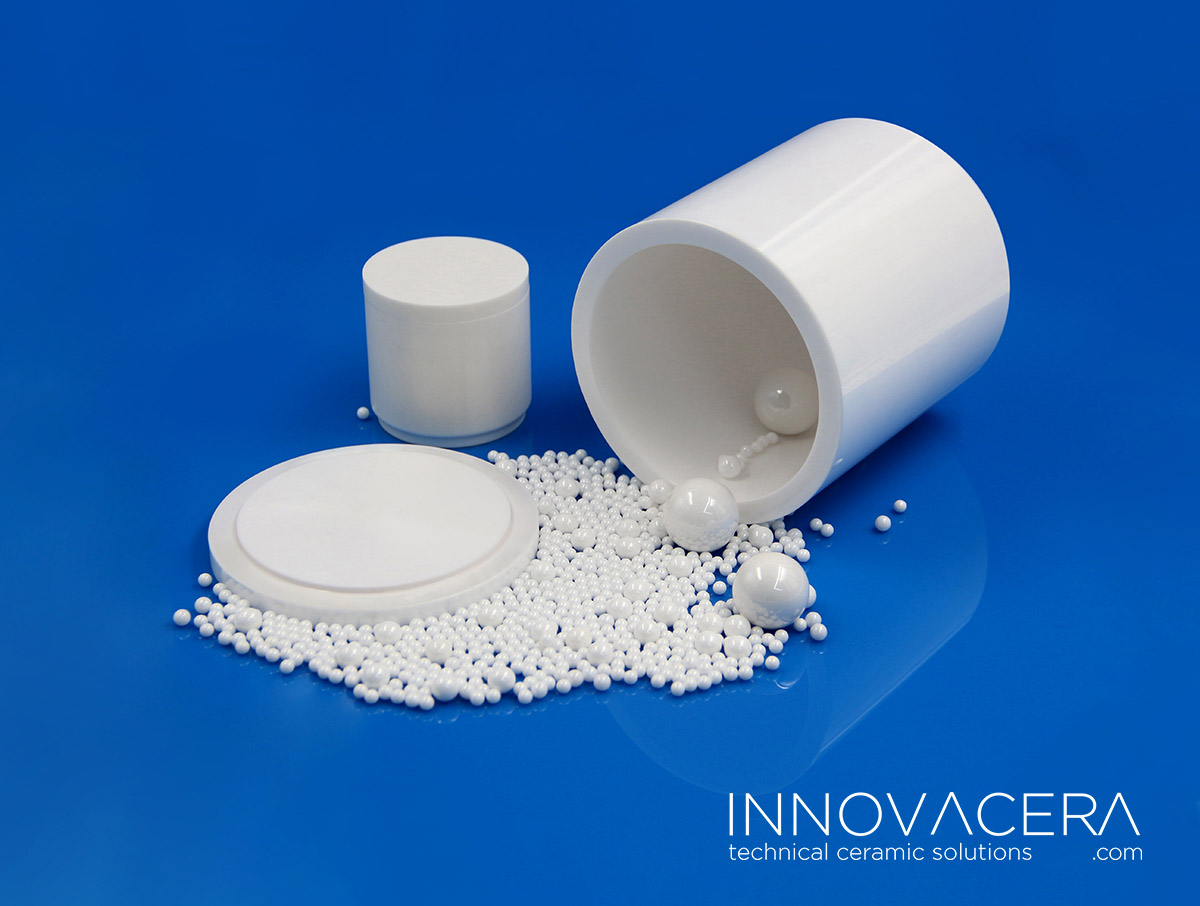
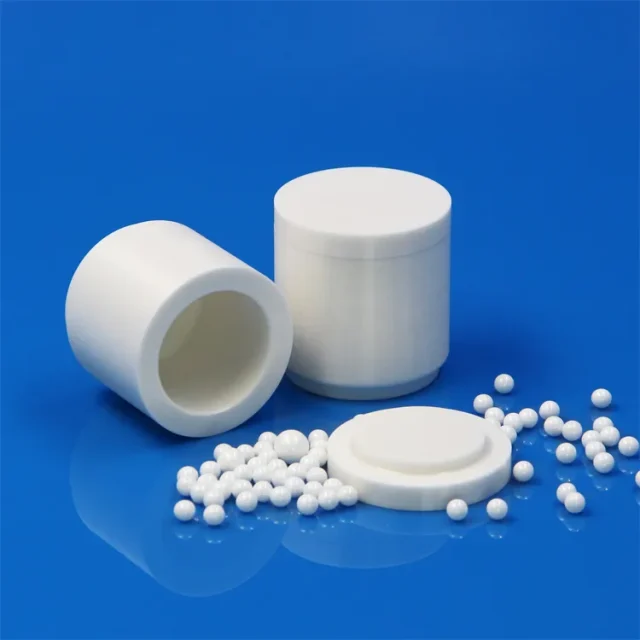
Zirconium Beads and Mill Jars

Zirconium Beads and Mill Jars

More Details
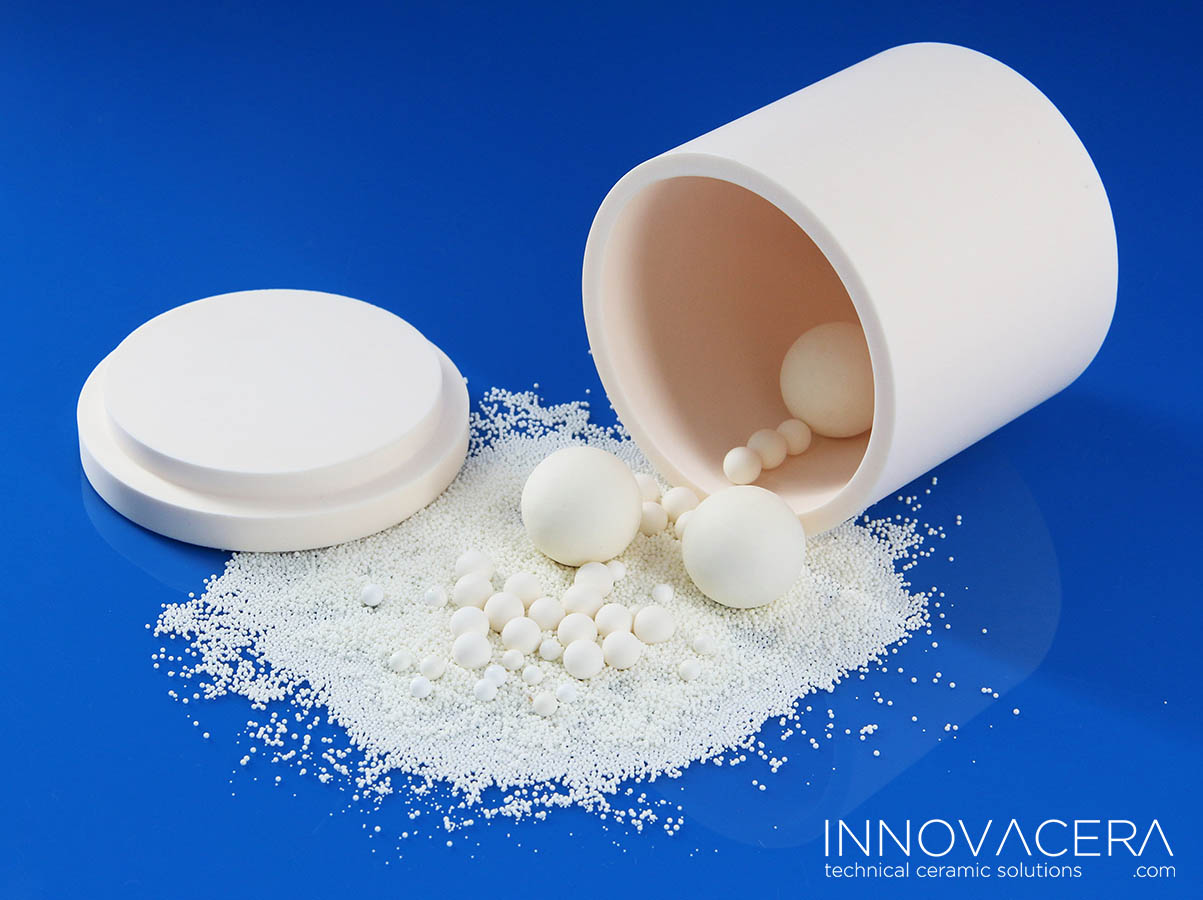
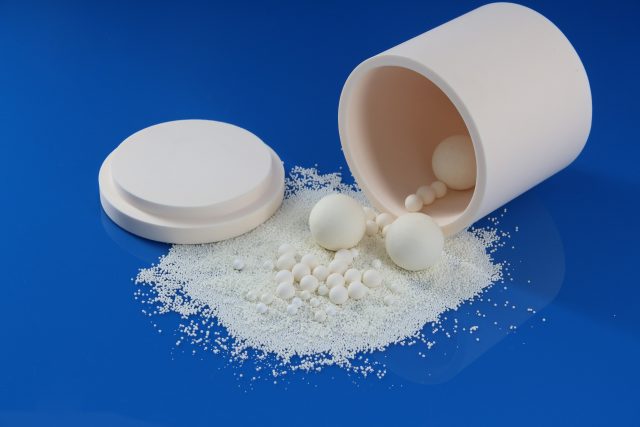
High Purity Alumina Beads and Mill Jars

High Purity Alumina Beads and Mill Jars

More Details
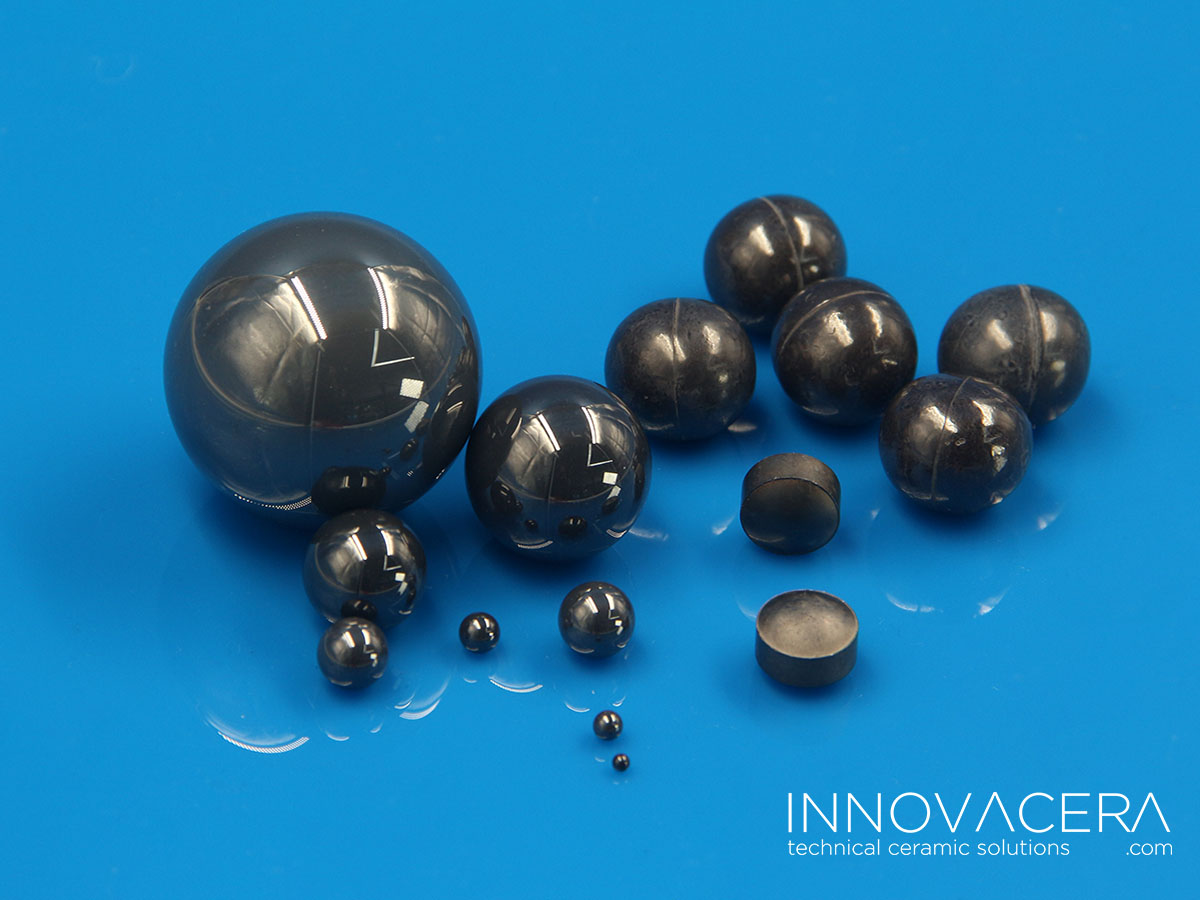
Silicon Nitride Grinding Media Balls

Silicon Nitride Grinding Media Balls

More Details
Ceramic Grinder Burrs

Ceramic Grinder Burrs

More Details
Ceramic grinding media balls

Ceramic grinding media balls

More Details
Zirconia Pad Printing Rings For High-Performance Printing Solution

Zirconia Pad Printing Rings For High-Performance Printing Solution

More Details
Why Ceramic Grinding Balls Are Ideal for High-Efficiency Powder Milling

Why Ceramic Grinding Balls Are Ideal for High-Efficiency Powder Milling

More Details
Application Scenarios

Ceramic Grinding Media for Precision Milling and Dispersion

Ceramic grinding media and wear components are used where particle-size control, milling efficiency, corrosion resistance and reduced process contamination are important.

01

Paints, Inks & Industrial Coatings

Zirconia grinding beads and wear-resistant sand mill components support fine dispersion of pigments, color pastes, printing inks, ceramic inks and industrial coating slurries. Their high hardness and corrosion resistance help maintain stable milling performance during repeated production cycles.

Get Project Support
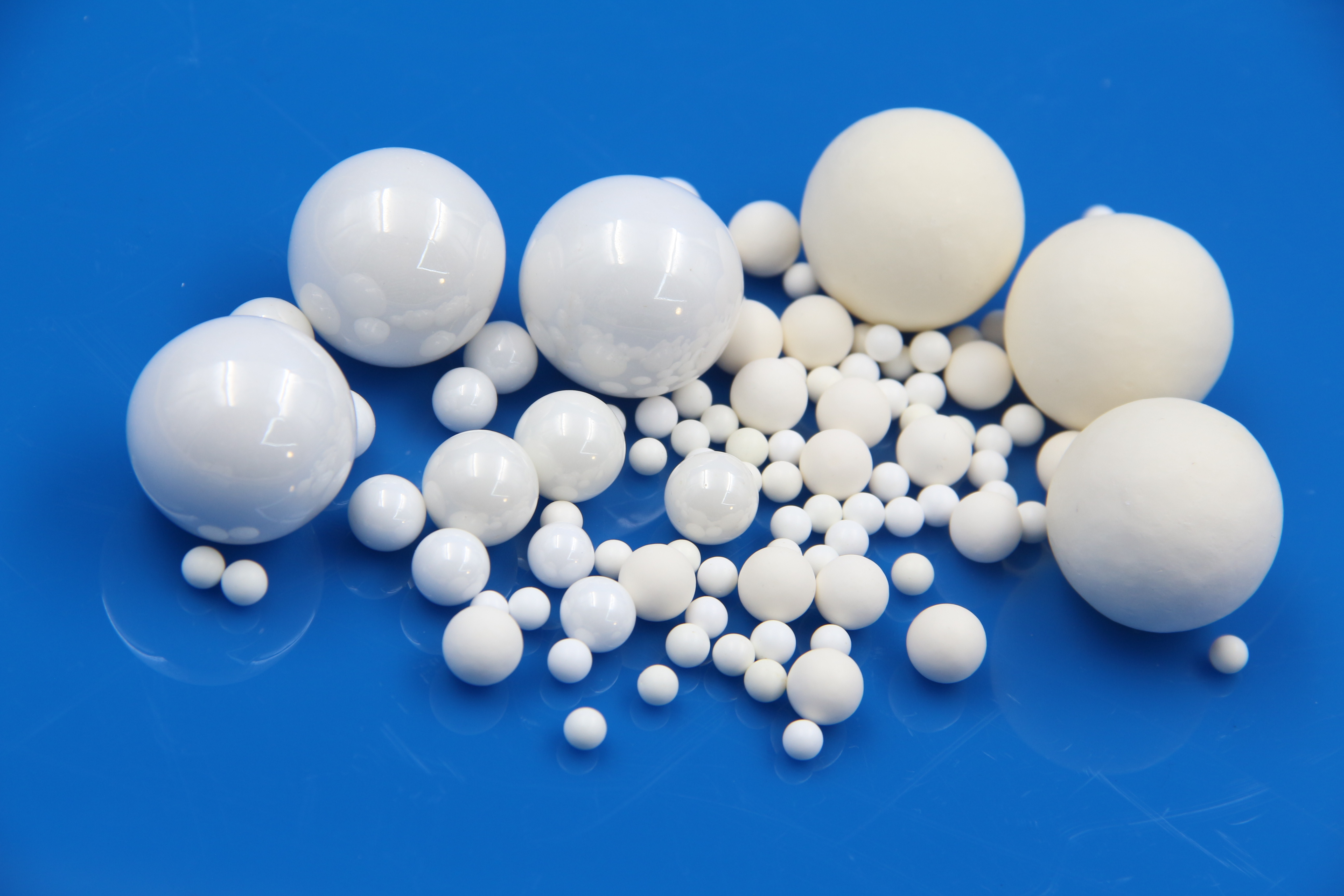
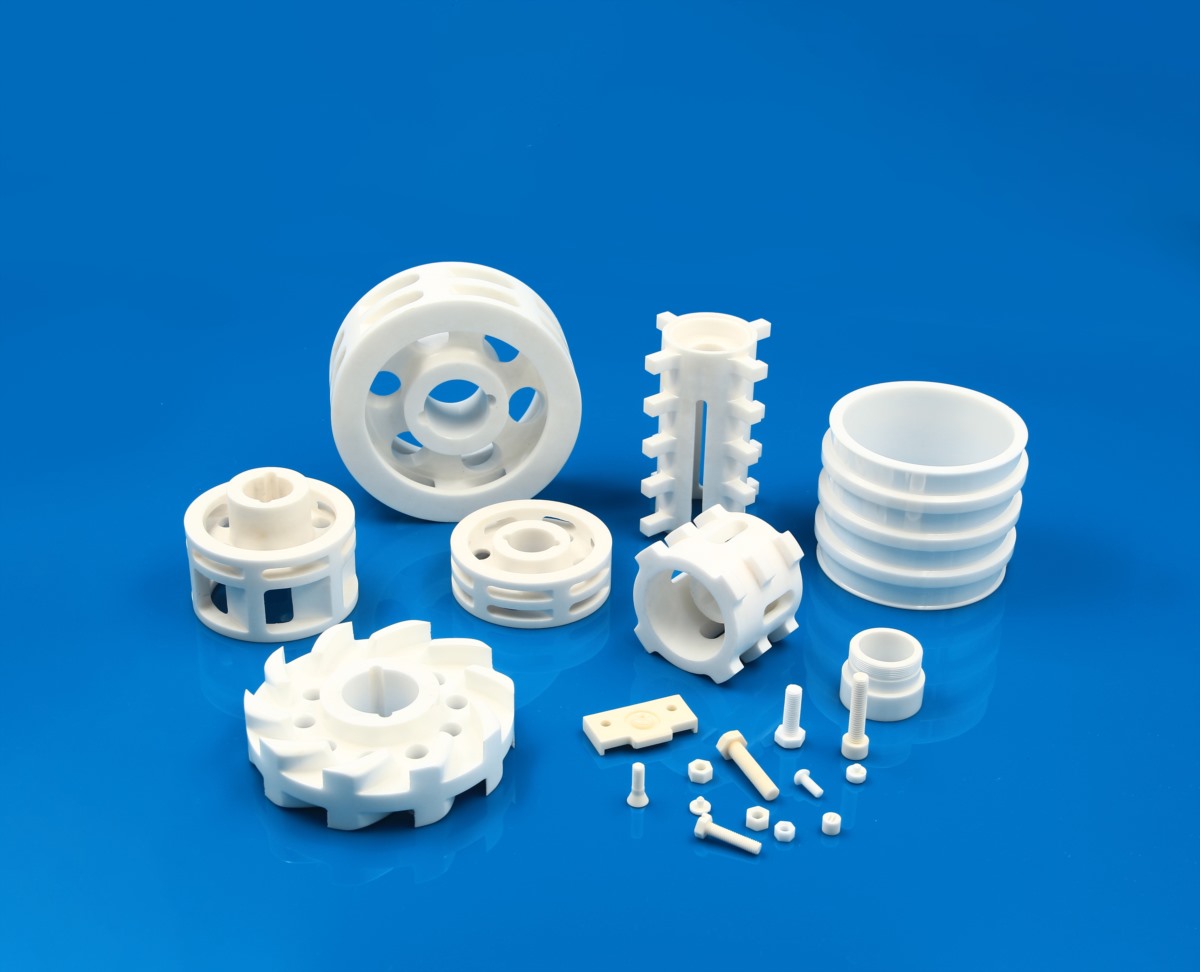
Zirconia ceramic components for paint ink and coating slurry dispersion

Pigments · Inks · Coating Slurries
02

Battery & Electronic Materials

Silicon nitride and zirconia media are selected for fine milling and dispersion of battery materials, conductive carbon, electronic ceramic powders and other high-purity formulations. Material selection should match the slurry chemistry, target particle size and acceptable contamination level.

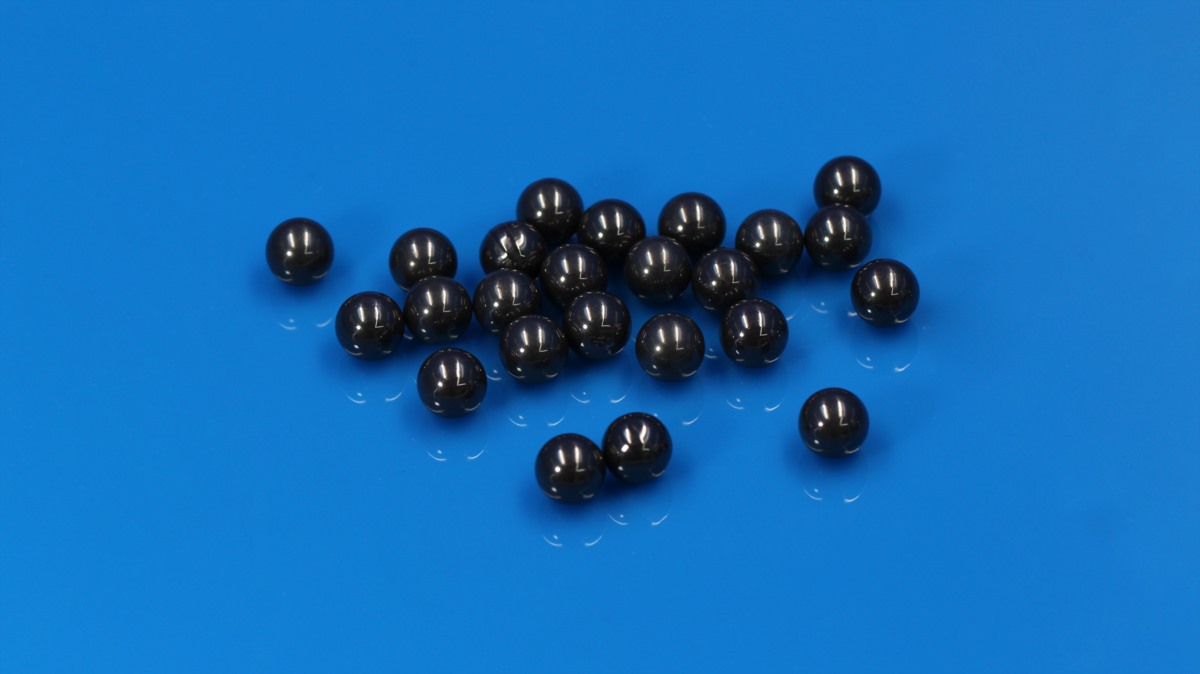
Silicon nitride grinding media for battery and electronic material powders

Battery Powders · Electronic Ceramics

03

Laboratory Powder Preparation

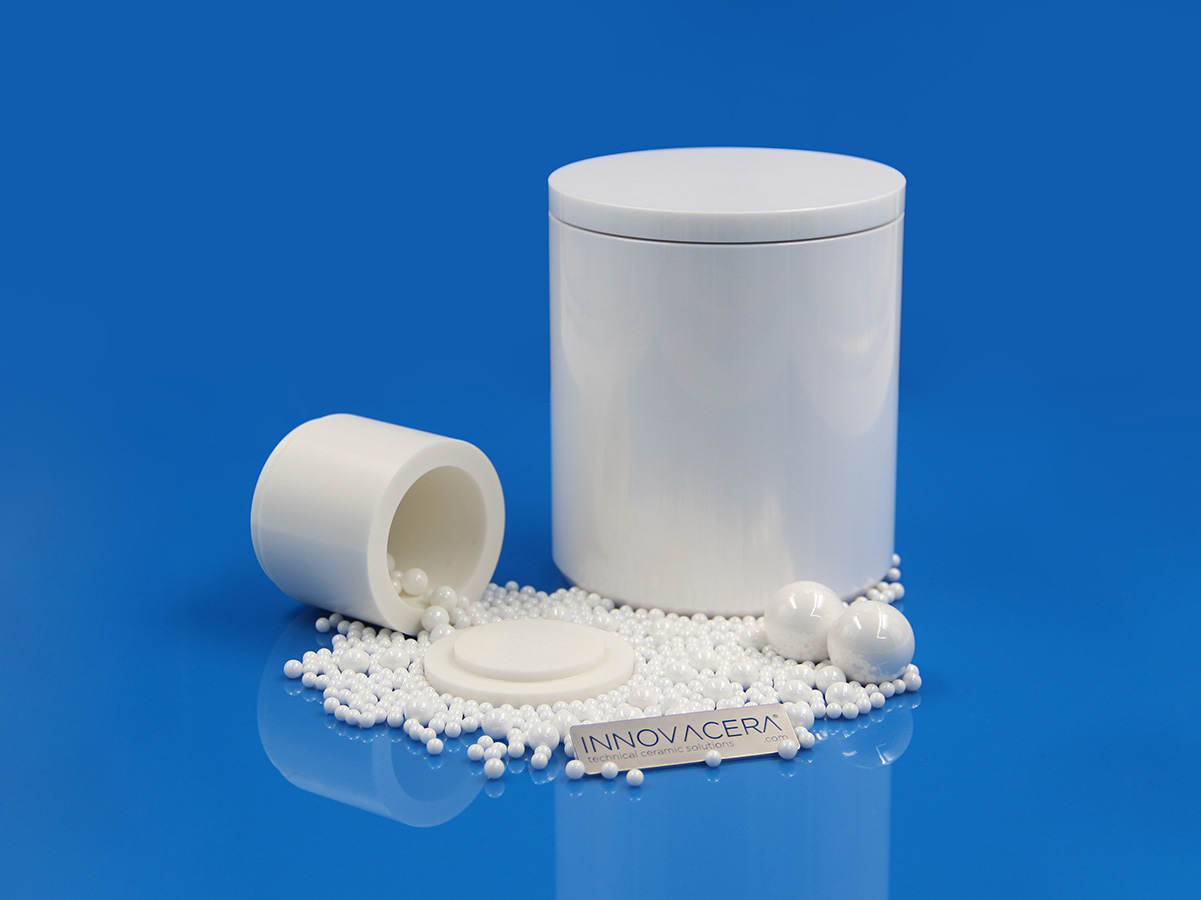
Alumina and zirconia mill jars, beads and grinding media are used in planetary mills, laboratory ball mills and sample preparation equipment. Available material and size options help laboratories process ceramic powders, rare-earth materials, minerals and research formulations.

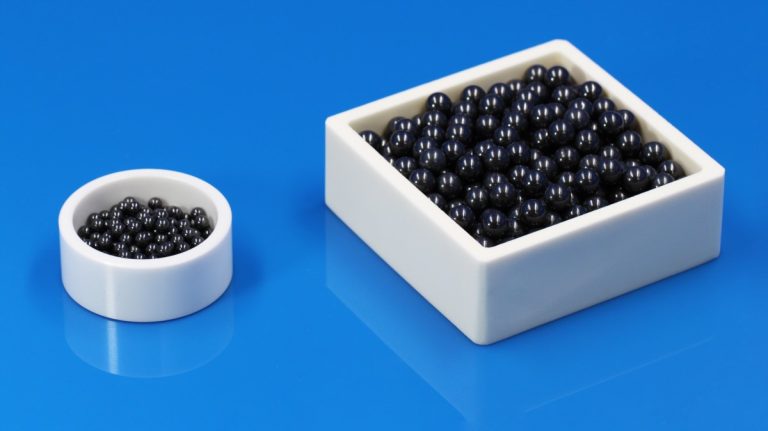
Y-stabilized zirconia milling jar and grinding media for laboratory powder preparation

Planetary Mills · Sample Preparation

04

Food & Consumer Grinding Systems

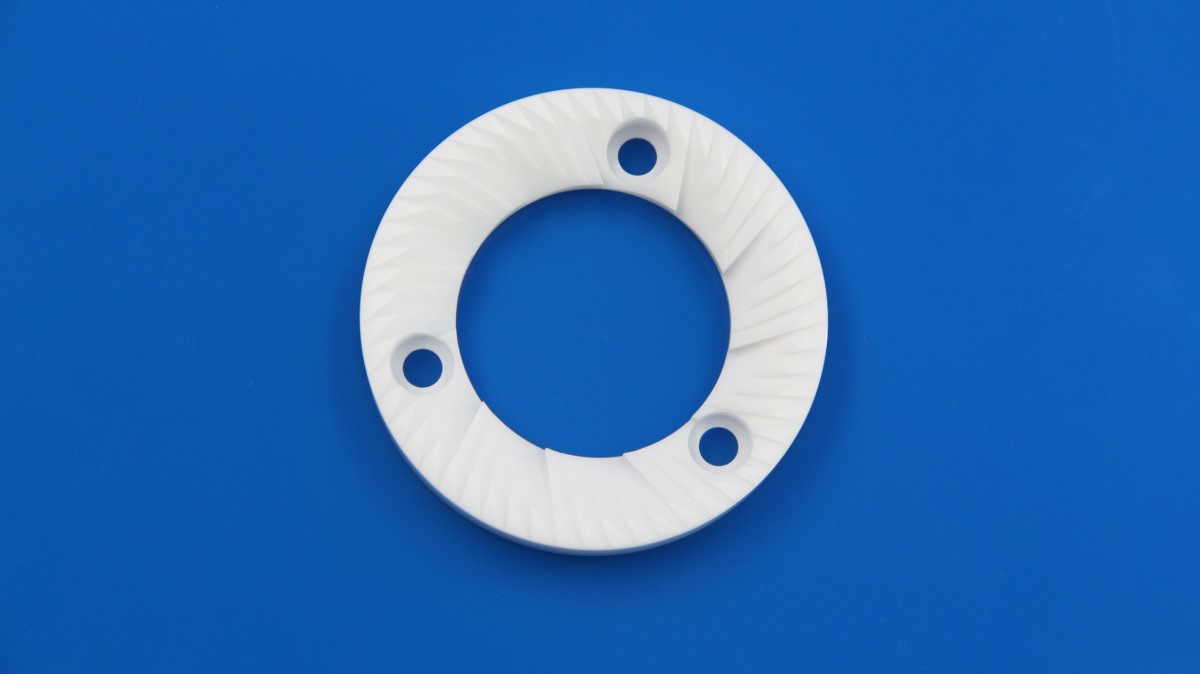
Zirconia grinder burrs and custom ceramic wear parts are used in coffee grinders and selected food-processing equipment where long-term sharpness, corrosion resistance, easy cleaning and low heat transfer are valued.

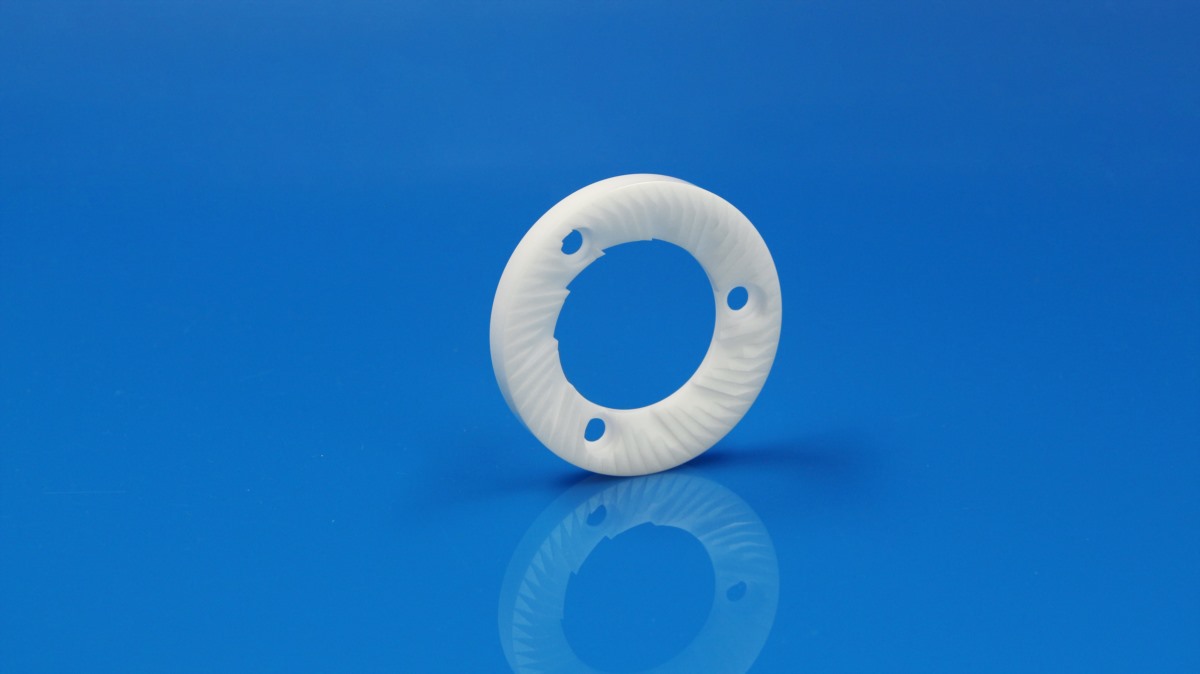
Zirconia ceramic grinder burr for food and coffee grinding systems

Coffee Grinders · Wear Components

FAQ

Frequently Asked Questions About Ceramic Grinding Media

These answers cover material selection, media size, contamination control, customization and the information needed for an engineering review.

How do I choose between zirconia, alumina and silicon nitride grinding media?

The choice depends on target particle size, slurry chemistry, acceptable contamination, mill speed, impact load and budget. Zirconia offers high density and strong wear resistance, alumina is widely used for general milling, and silicon nitride is considered for high-purity or low-contamination processes.

What grinding media sizes are available?

Catalog ranges vary by material and forming route. Innovacera lists zirconia and alumina beads from approximately 0.05 mm to 30 mm, while silicon nitride grinding media are commonly available from about 0.2 mm to 20 mm. Custom sizes can be reviewed.

How can ceramic media help reduce milling contamination?

A suitable high-purity ceramic material can reduce metal pickup and wear debris compared with some metallic media. The best option should be selected according to the product chemistry, purity target, mill lining and allowable wear rate.

Can Innovacera supply mill jars and custom wear components?

Yes. Standard and customized alumina or zirconia mill jars can be reviewed, together with sand mill components, grinder burrs and other ceramic wear parts manufactured to customer drawings or dimensional requirements.

What information is needed for a ceramic grinding media RFQ?

Please provide the mill type, media size, target particle size, slurry or powder composition, operating speed, temperature, contamination limit, current media performance, required quantity and any jar or component drawings.

Can the same media be used for laboratory and production-scale milling?

The material may be similar, but media diameter, loading ratio, mill energy and process parameters usually need separate validation. Innovacera can review laboratory trials and production requirements before recommending a suitable option.

Why Innovacera

Ceramic Media and Wear Components for Different Milling Conditions

Innovacera supports grinding media projects from material and size selection to mill jars, wear components, sample evaluation and repeat production supply.

Multiple Ceramic Materials

Zirconia, alumina, silicon nitride and other ceramic options can be reviewed against density, wear, purity and chemical compatibility requirements.

Media, Jars & Wear Parts

Support covers grinding beads and balls, laboratory mill jars, sand mill components and custom ceramic grinding parts.

Standard & Custom Sizes

Common media sizes and jar capacities are available, while non-standard dimensions can be reviewed for specific equipment or processes.

Application-Based Review

Recommendations can be based on mill type, slurry chemistry, target fineness, contamination limit, wear rate and production conditions.

RFQ Engineering Checklist

Share Your Milling Process and Media Requirements

To review a suitable ceramic material and media size, please provide the mill type, target particle size, process material, operating conditions and contamination limits.

For mill jars or custom wear components, drawings, equipment interfaces, critical dimensions and expected service life will help accelerate the engineering review.

Submit Product RFQ
Information that helps engineering review
  • Mill and process dataMill type, speed, batch size, wet or dry process, operating temperature and current cycle time.
  • Material and purity targetPowder or slurry composition, pH, solvent, required purity and acceptable contamination level.
  • Media specificationPreferred ceramic material, bead or ball diameter, density, quantity and current wear performance.
  • Jar or component detailsDrawing, capacity, dimensions, sealing method, equipment interface and required production quantity.
Zirconia ceramic ring blade for pad printing sealed ink cup

Review this product family for your project.

Send drawings, operating conditions, material preference, tolerance targets and quantity. Innovacera can review standard catalog products or custom ceramic manufacturing paths.