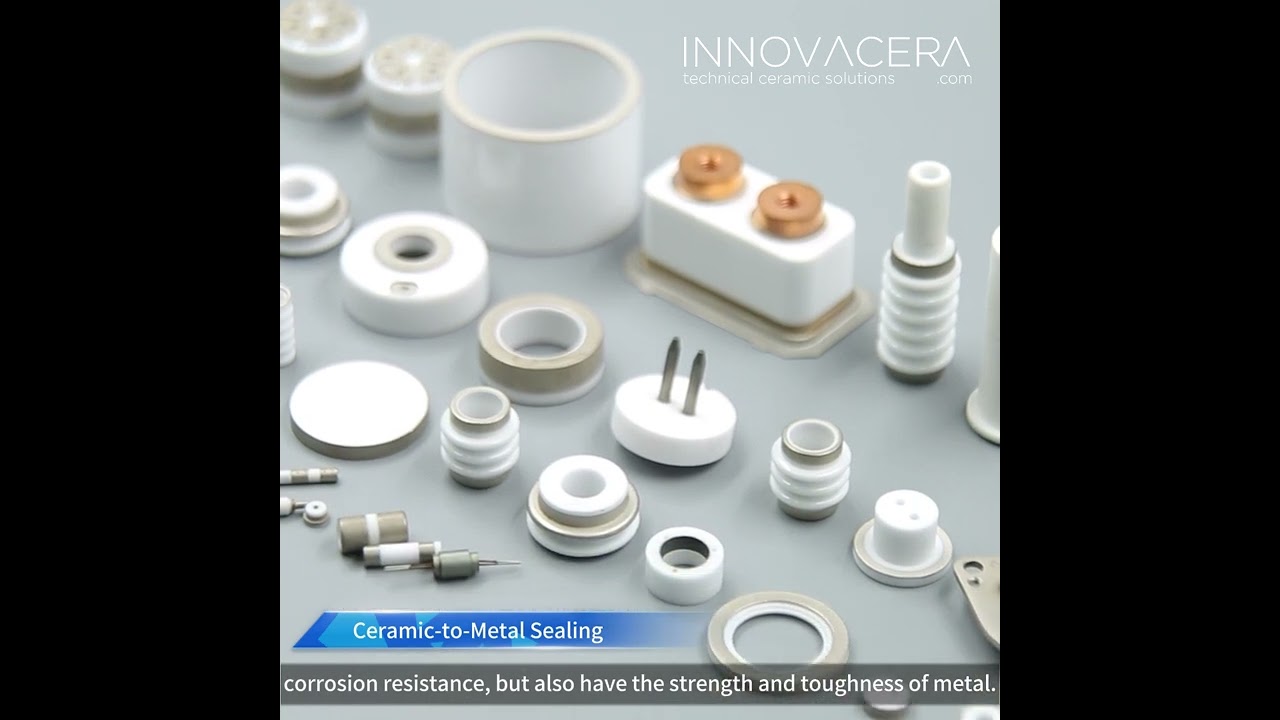
Engineering guidance on hermetic sealing, material combinations, brazing, electrical ratings, vacuum performance, operating temperature and RFQ requirements.
What is a ceramic-to-metal assembly?
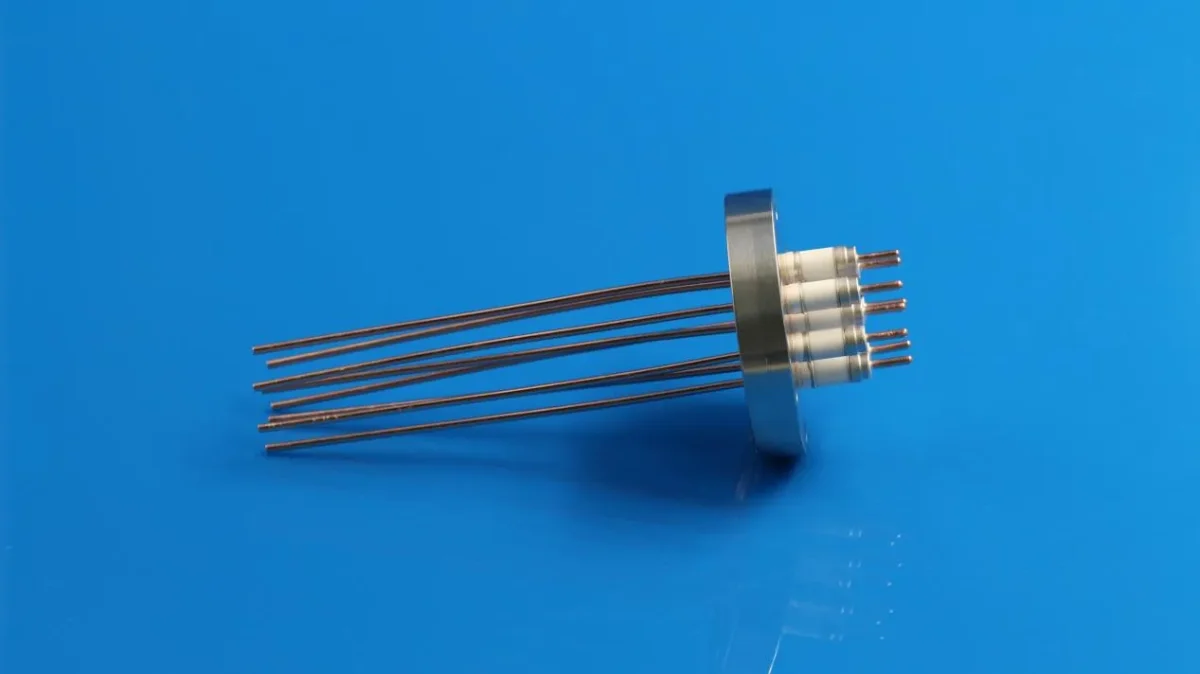
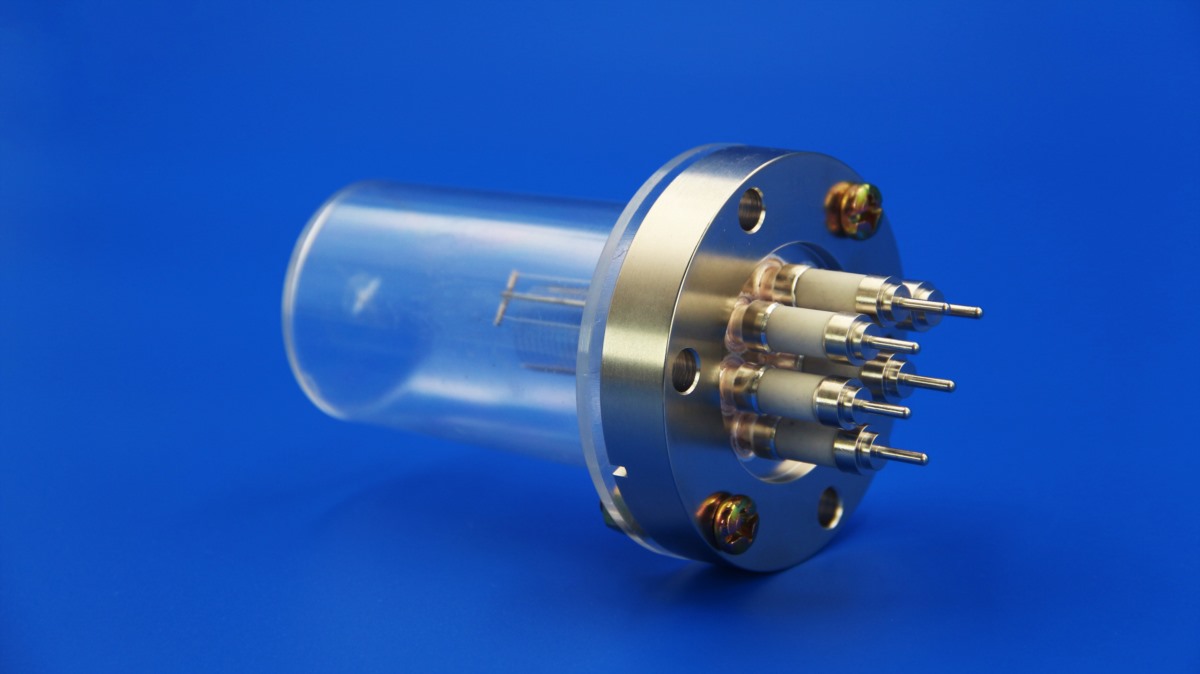
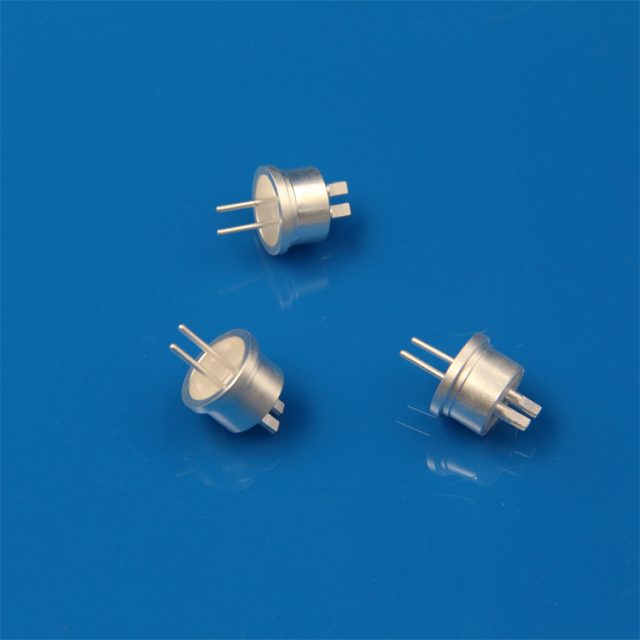
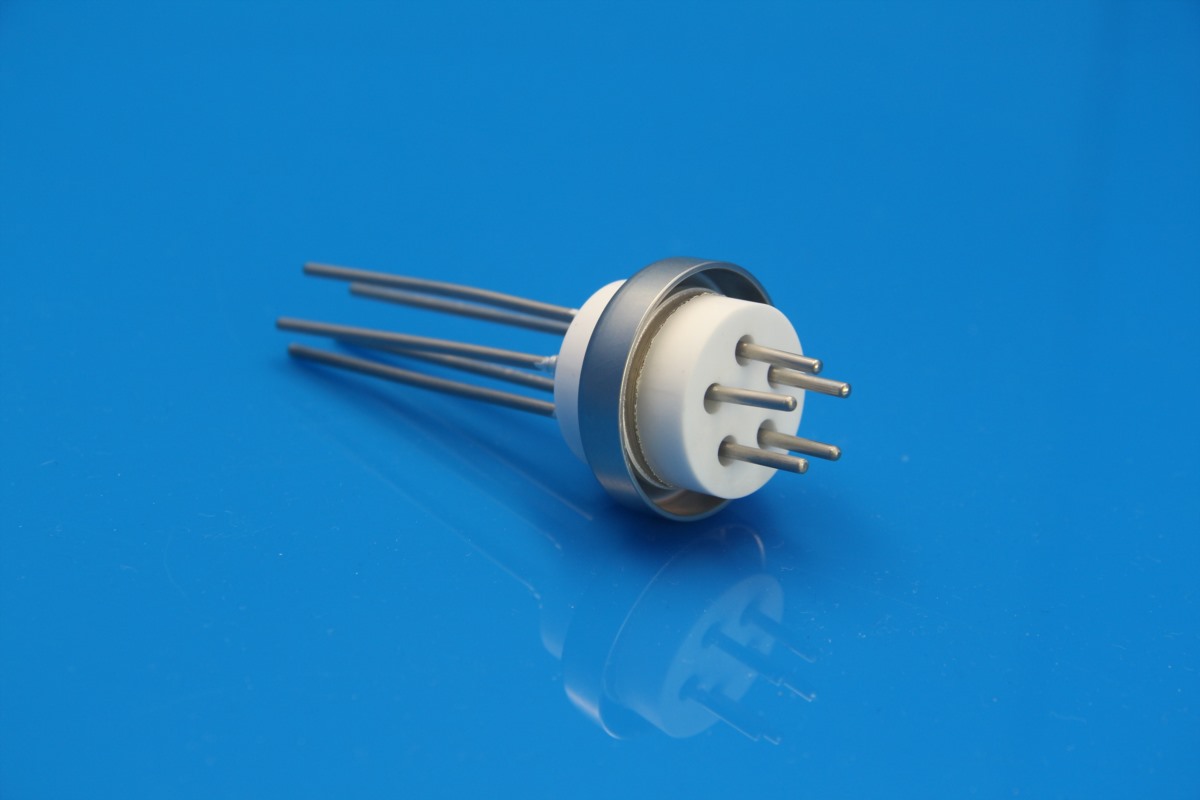
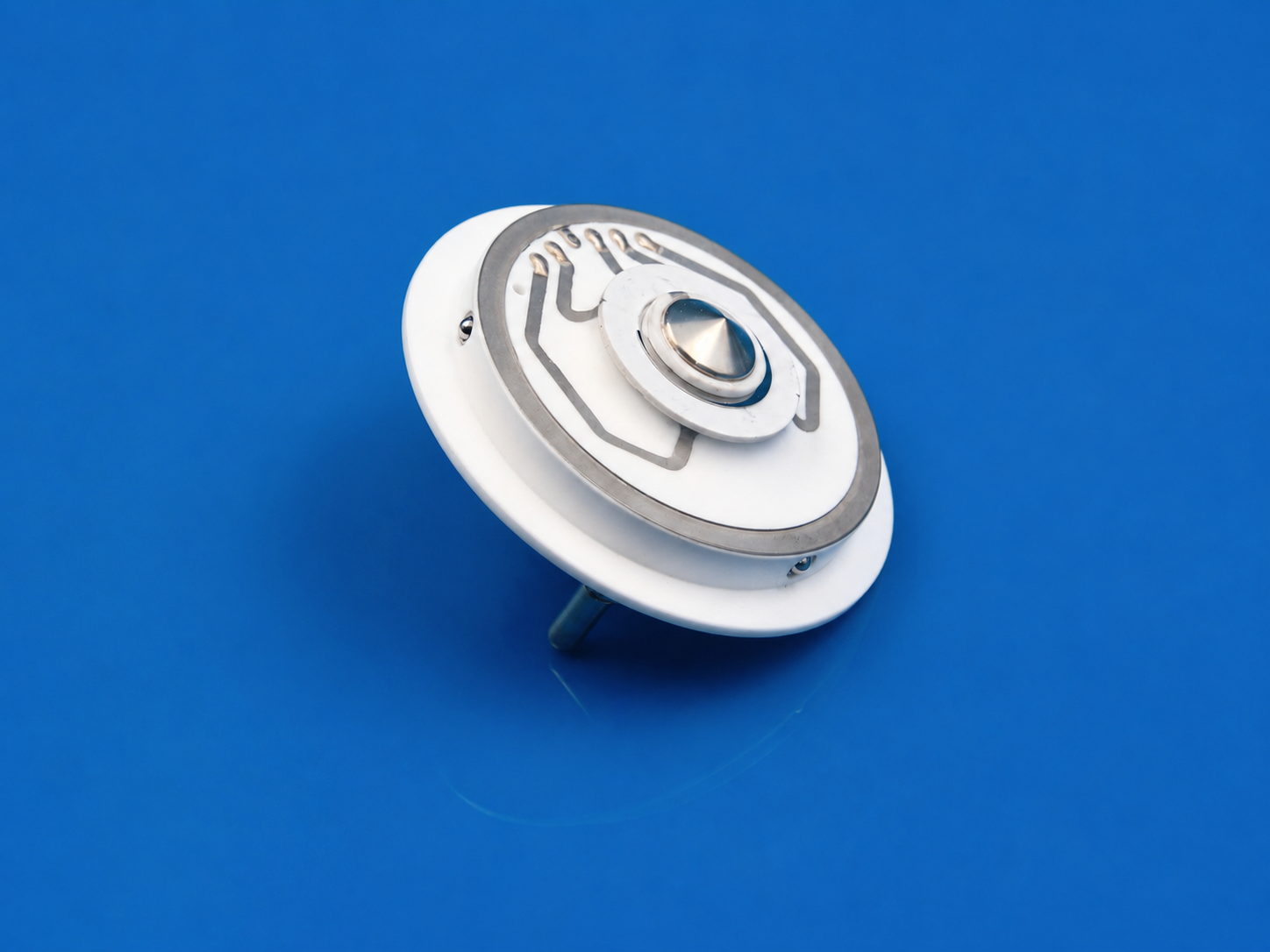
It is a joined component that combines an electrically insulating technical ceramic with metal conductors, flanges, housings or terminals. The assembly is designed to transmit power or signals, provide a mechanical interface and maintain a sealed boundary in vacuum, pressure or demanding thermal environments.
How are ceramics joined to metal?
A common route is to metallize the ceramic surface and then braze it to the selected metal. Glass-to-metal sealing may also be used for connector and feedthrough structures. The joining method depends on the ceramic, metal thermal expansion, geometry, leak requirement, temperature and electrical load.
Which ceramic and metal materials are available?
High-purity alumina is widely used for electrical insulation and vacuum compatibility, while aluminum nitride may be considered when higher thermal conductivity is needed. Metal options can include Kovar, stainless steel, molybdenum, nickel-iron alloys, copper and copper alloys, depending on thermal-expansion matching, corrosion, conductivity and joining requirements.
Can the assemblies be supplied for high or ultra-high vacuum?
Yes. Ceramic-to-metal feedthroughs can be engineered for high-vacuum and ultra-high-vacuum service using vacuum-compatible materials and controlled brazing processes. The target helium leak rate, bakeout temperature, flange standard and test method should be stated in the RFQ.
How are voltage and current ratings determined?
Ratings depend on ceramic creepage distance, insulation thickness, conductor diameter, pin spacing, ambient or vacuum conditions, temperature rise, shielding and mounting geometry. Provide the continuous and peak voltage/current values together with frequency, duty cycle and allowable temperature rise.
Are standard vacuum flange and connector formats available?
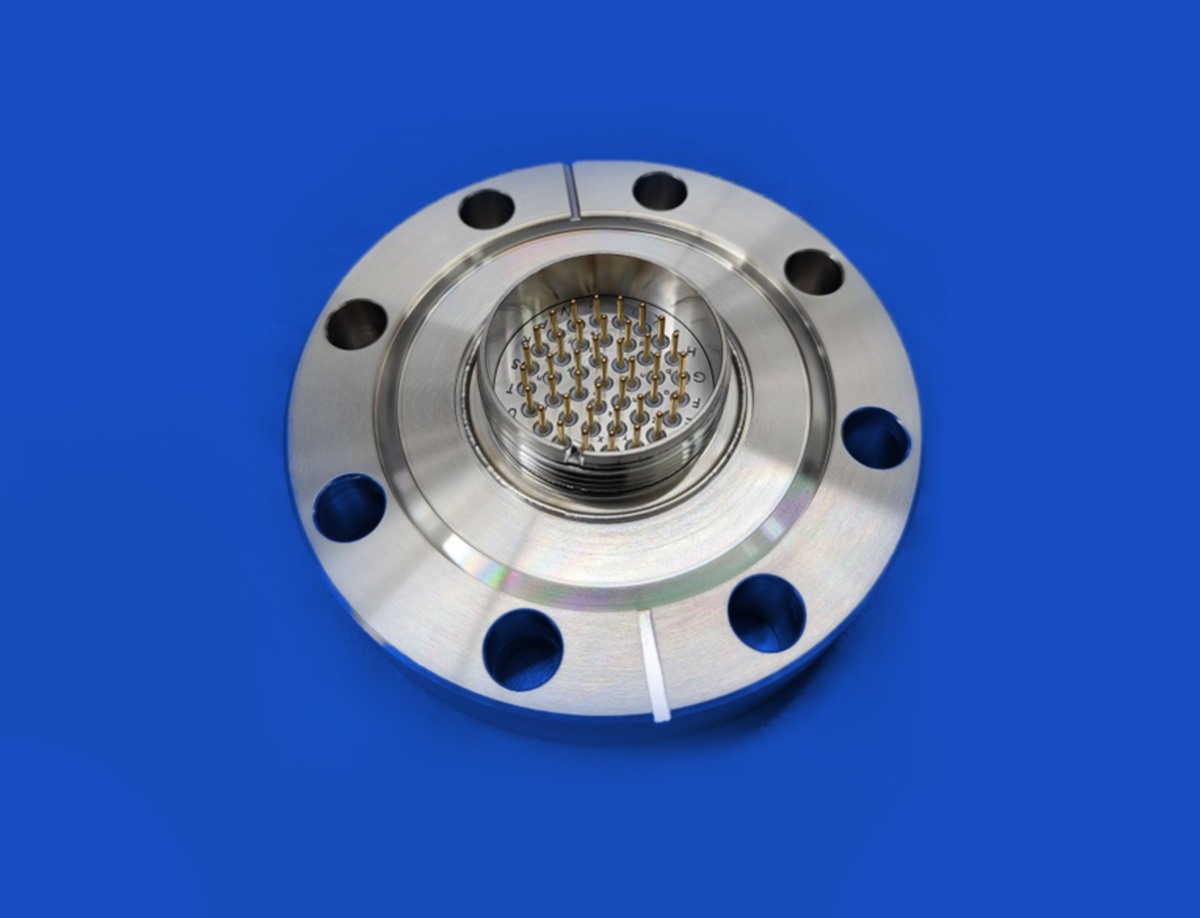
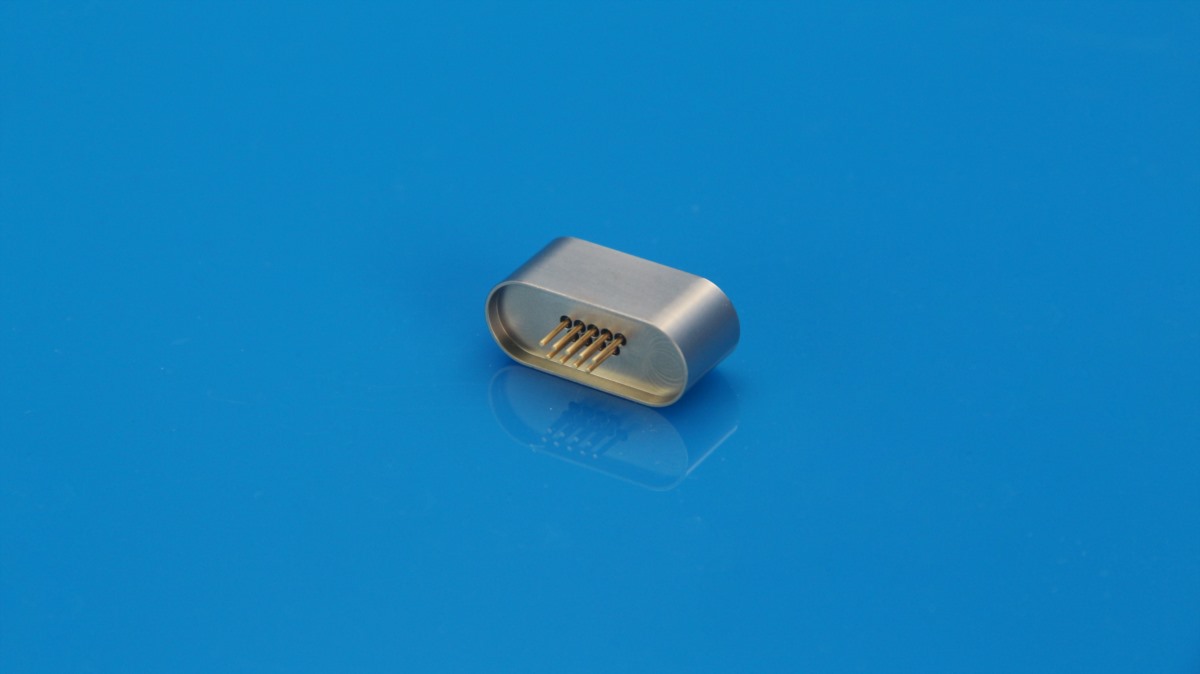
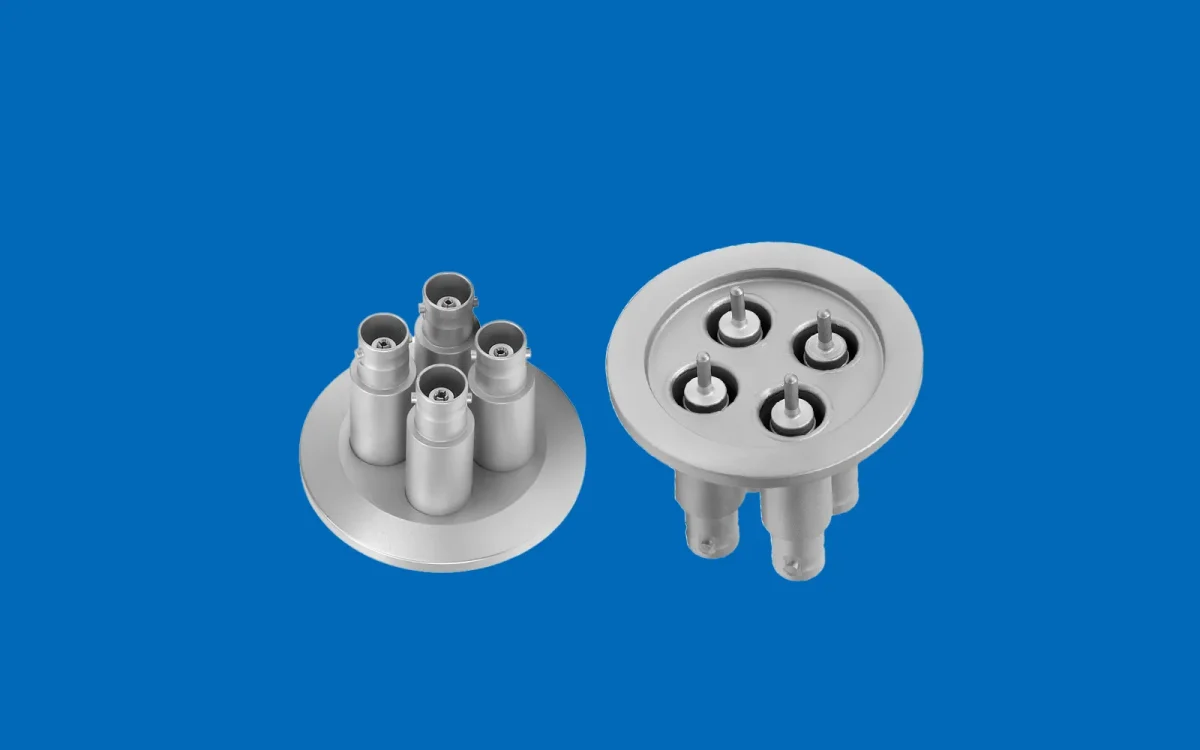
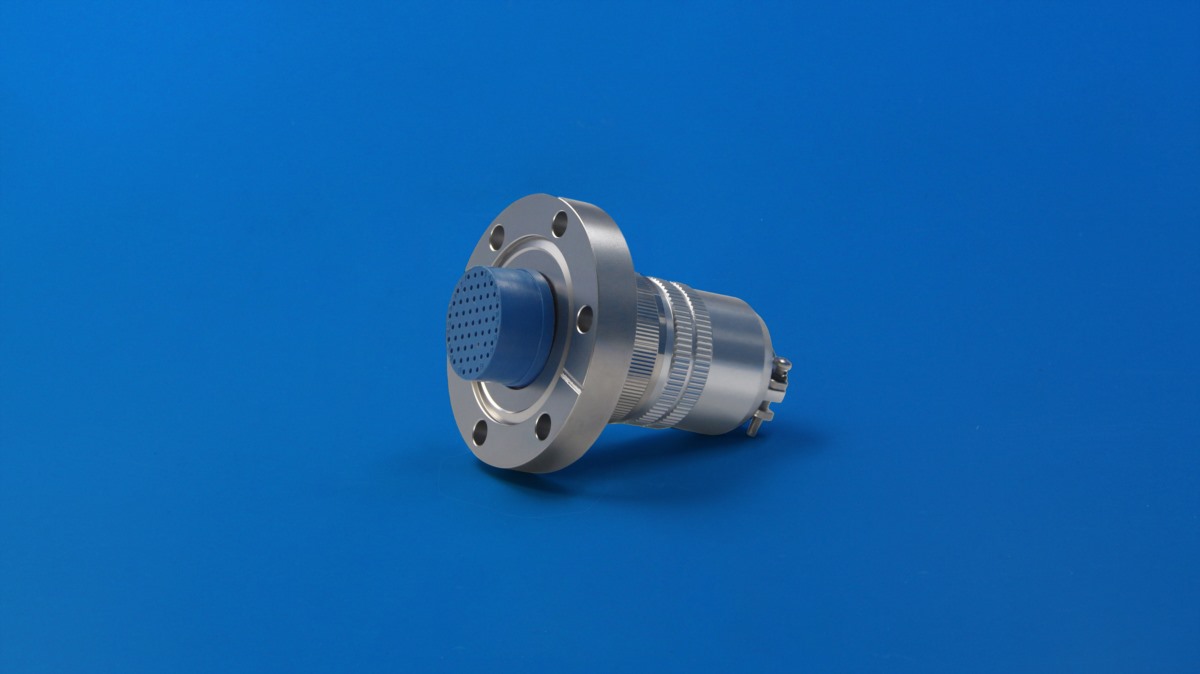
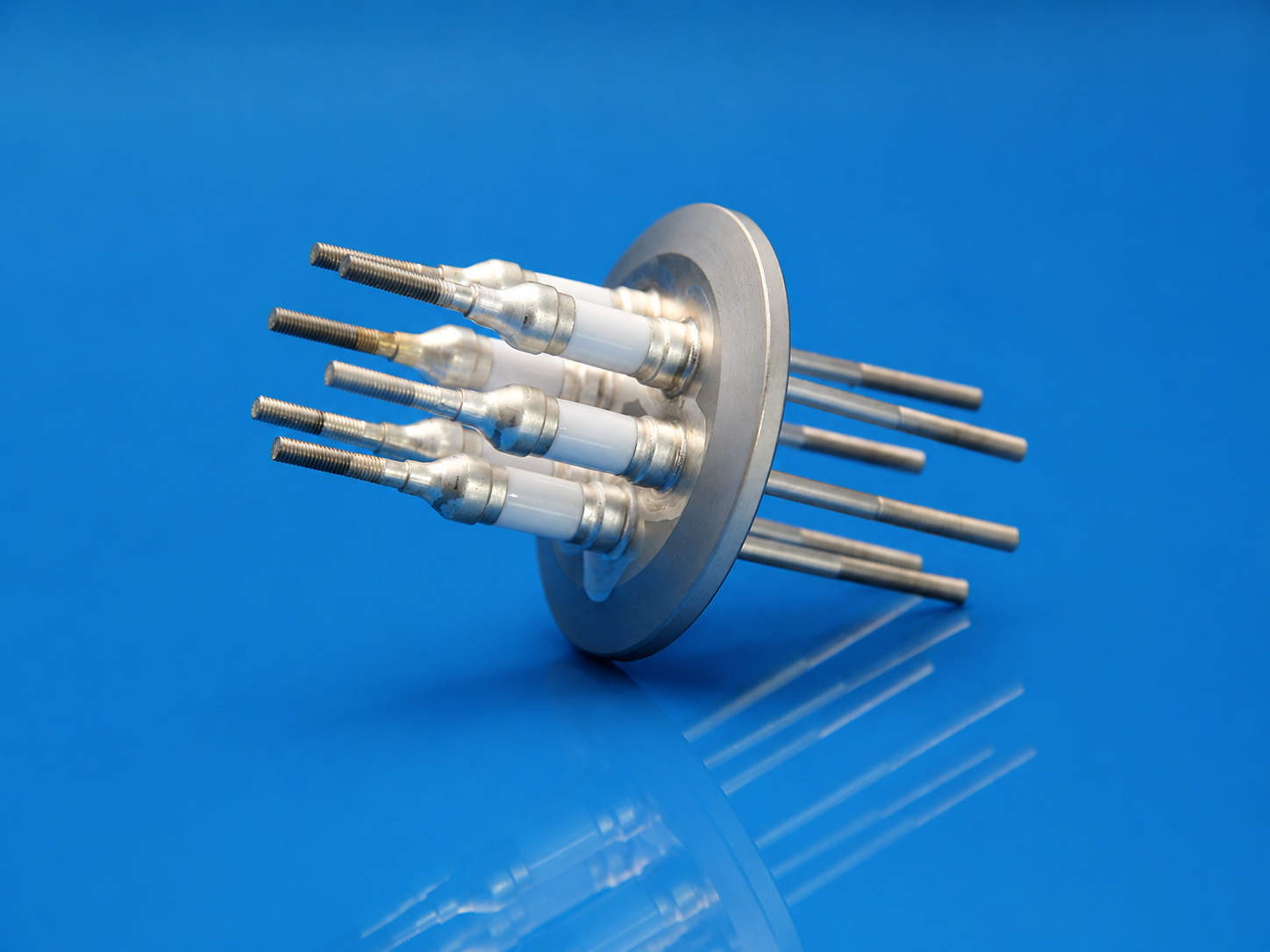
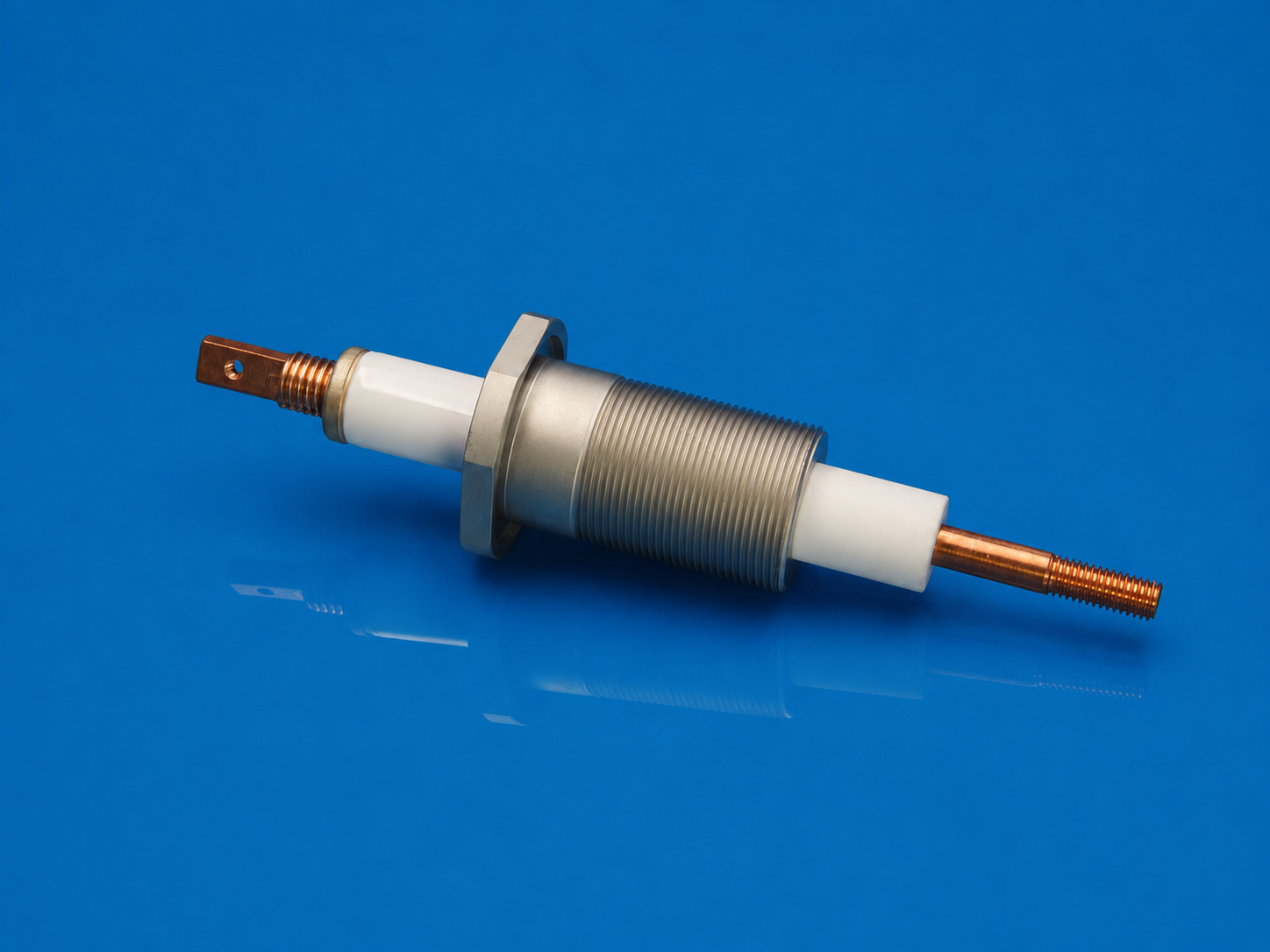
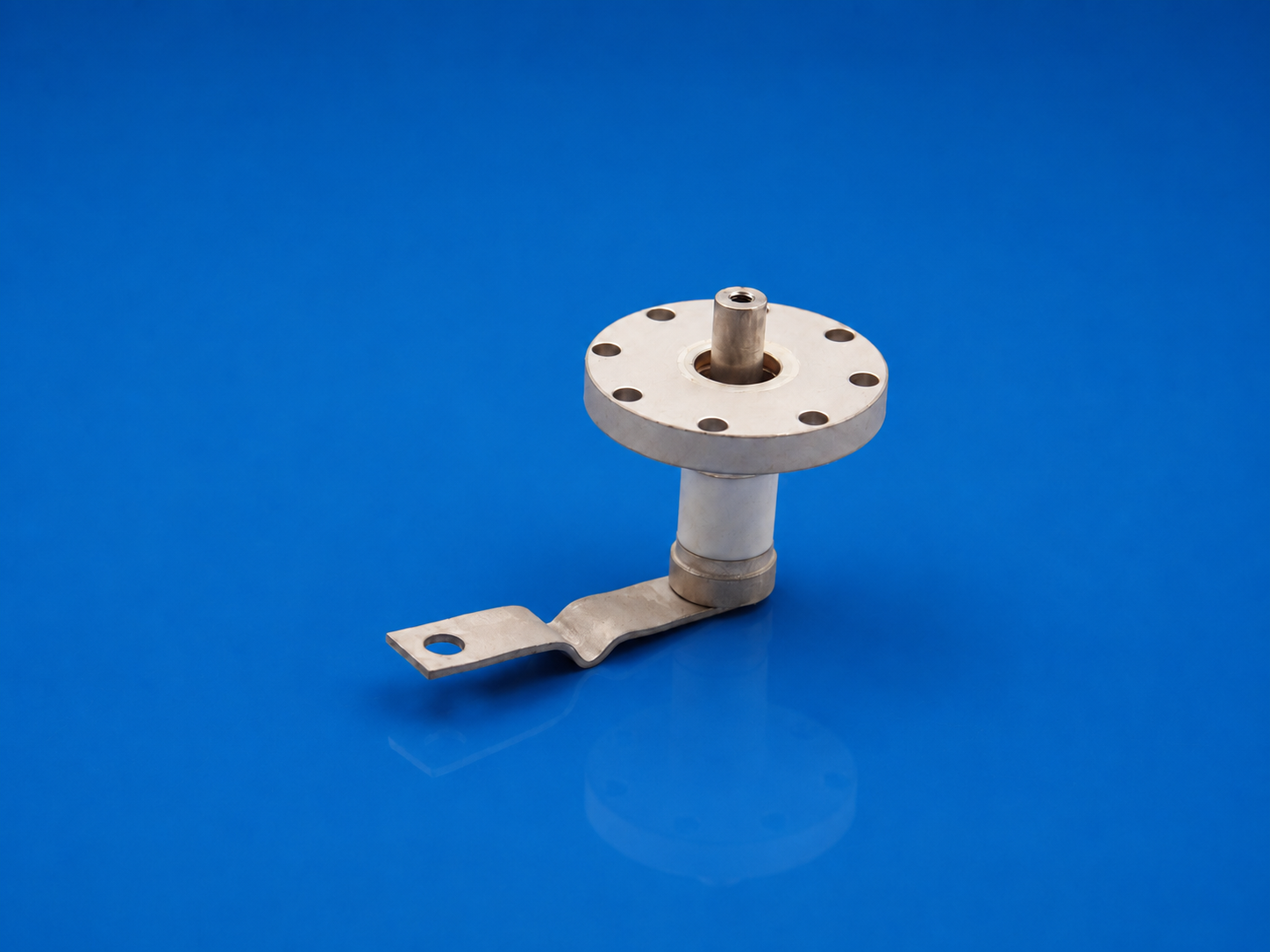
Common solutions include weldable housings, threaded mounts, custom flanges and ISO-KF-style interfaces, as well as BNC, rectangular, Micro-D and multipin layouts. Availability depends on the electrical rating, pin count, chamber connection and sealing method required by the equipment.
Can ceramic-to-metal assemblies withstand thermal cycling?
They can be designed for repeated heating, cooling and bakeout cycles when ceramic, metal and brazing alloy are properly matched. The engineering review should include minimum and maximum temperatures, ramp rate, cycle count, dwell time, local heating and mechanical restraint from the surrounding assembly.
What information is required for quotation?
Provide a drawing, ceramic and metal preferences, conductor count and layout, mounting or flange interface, voltage/current, vacuum or pressure requirement, helium leak-rate target, temperature range, plating, brazing zones, tolerances, quantity and any inspection or certification requirements.