

Automotive
Ceramic components for automotive systems where heat, electrification, wear and sensor reliability must be controlled in compact assemblies.
Engineering requirements behind Automotive ceramic components
Vehicle platforms are becoming hotter, more electrified and more sensor-rich. Ceramic components help manage insulation, wear, heat and long-term reliability in powertrain, sensor, lighting and fluid-control assemblies.
- Electrification and electrical isolation
- Wear and friction resistance
- Sensor and heater reliability
- Thermal cycling and compact assembly fit
- Repeatable production quality
Where Ceramic Components Are Used in Automotive Equipment
Use this section to match your equipment type with typical ceramic parts and the key requirements we should review before quoting.
Electrified propulsion and power modules
Sensors, heaters and lighting systems
Wear, pump and bearing systems
Engineering Review Notes for Automotive Ceramic Parts
Automotive ceramic parts need to be reviewed against the full assembly environment, not only the single material property. Heat, vibration, voltage, fluid contact and production repeatability all affect the final recommendation.
Information to share before material review
- Vehicle system or assembly type, such as EV power module, sensor, heater, lighting, pump, valve or bearing system.
- Temperature, voltage, vibration, load, media contact, wear mode and expected service life.
- Drawing, critical fit surfaces, tolerances, flatness, surface finish and assembly constraints.
- Prototype quantity, PPAP or validation expectations, repeat-production quantity and inspection requirements.
How we use this information
- Match ceramic material selection to insulation, heat, wear, strength and assembly needs.
- Review manufacturability and tolerance risk before prototype or repeat production.
- Identify features where chipping, stress concentration, surface roughness or thermal mismatch may affect service life.
What Innovacera can support
Innovacera supports automotive suppliers and engineering teams with custom ceramic component review, prototype manufacturing and repeat production planning.
Related ceramic products.
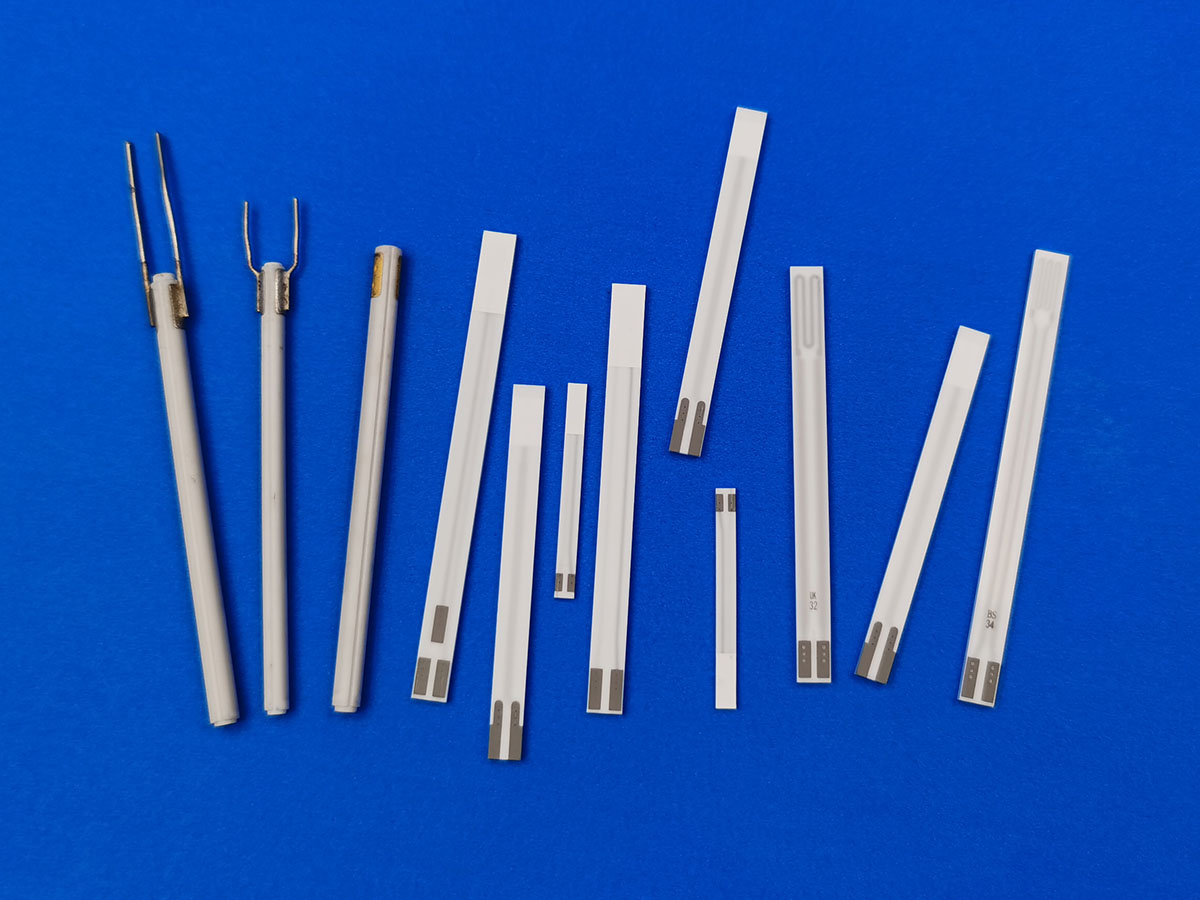
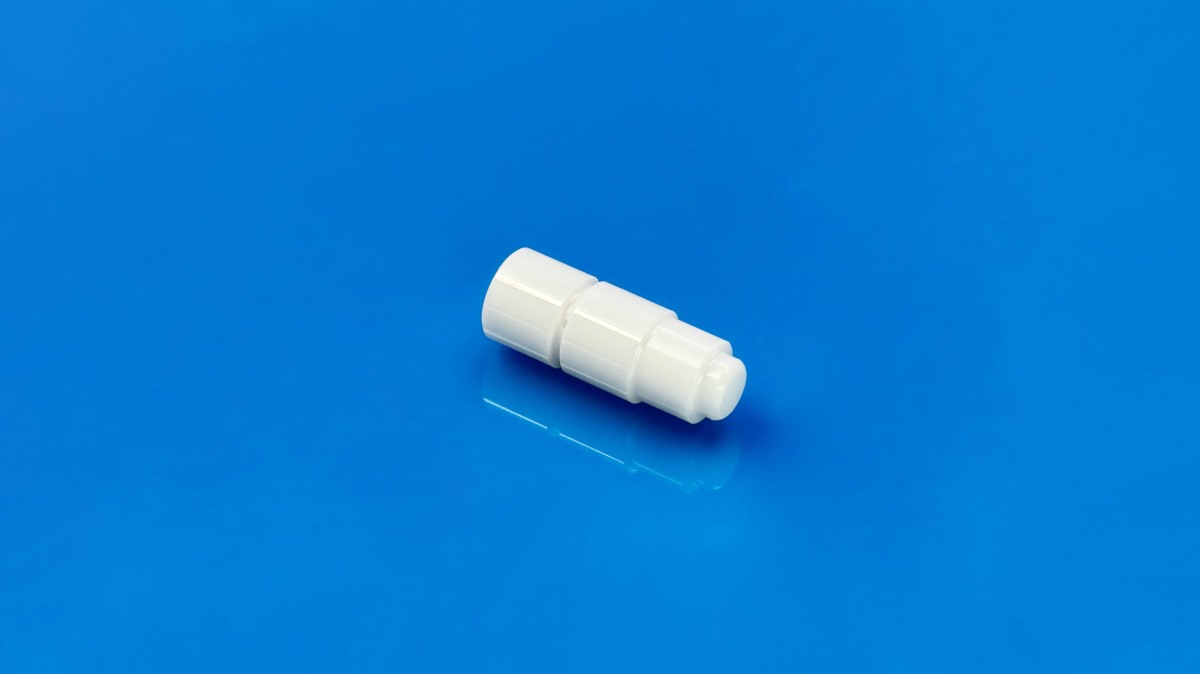
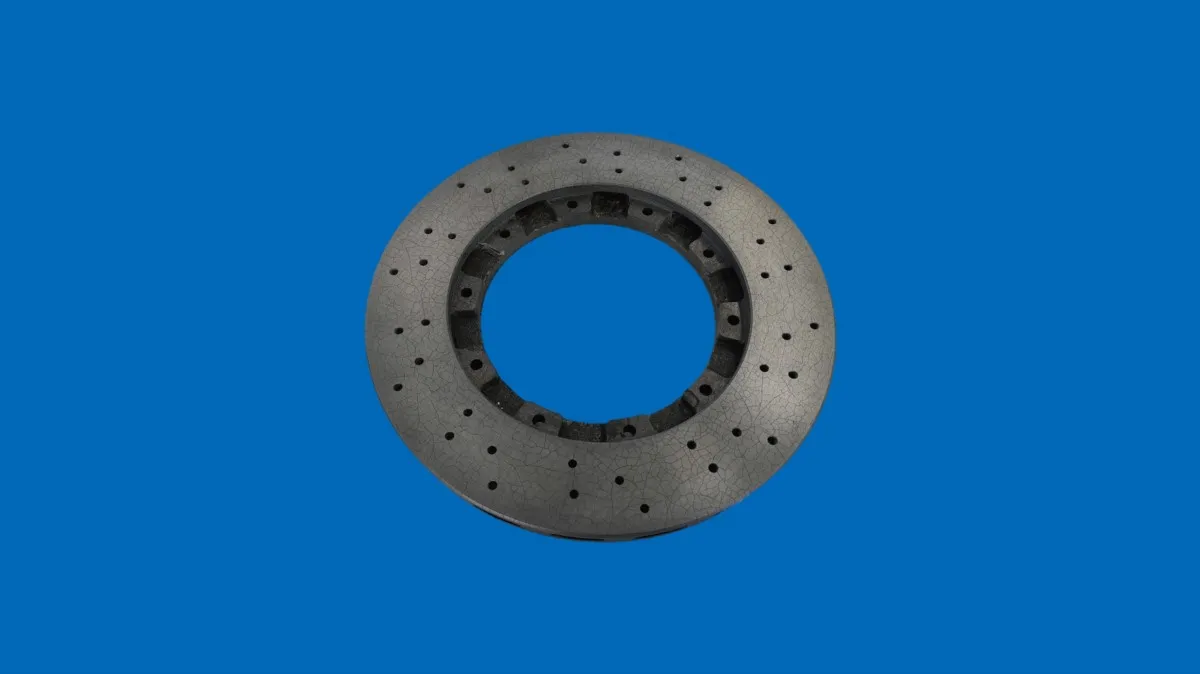
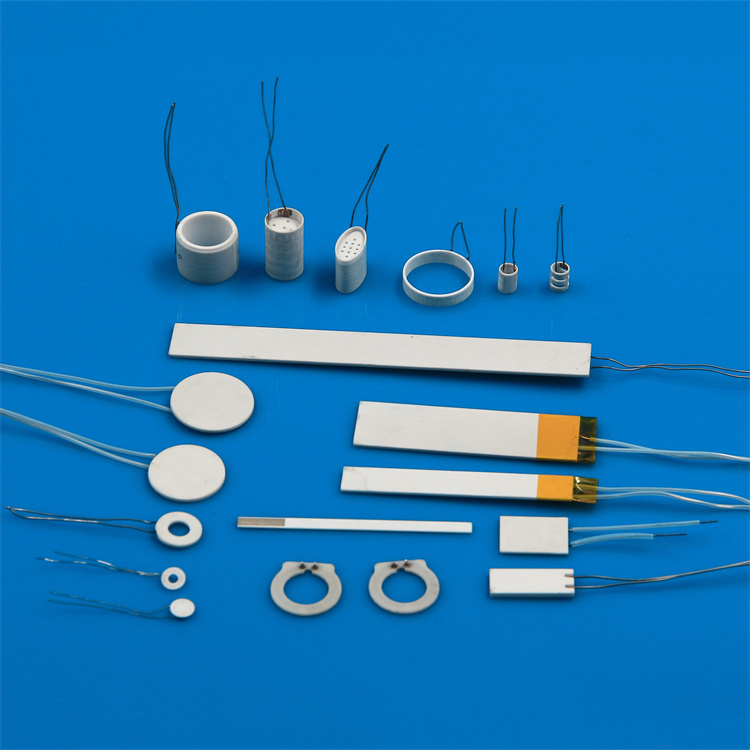
4 related products are tagged to this application field in the current catalog. Use them as starting points for standard review or custom manufacturing discussion.
Start with the conditions. We will help review the ceramic path.
Share your operating conditions, performance requirements, and design challenges. We' Il help identify the optimal ceramic solution.