

Thermal Management Ceramic Solutions
Ceramic materials and components for moving heat, isolating circuits and keeping compact assemblies stable under thermal load.
Thermal Management Designing
Integrated ceramic technologies for passive heat dissipation, precision ceramic heating and TEC cooling support in power electronics, semiconductor equipment, photonics, analytical instruments and industrial systems.
Define the function
Dissipate heat, generate heat, stabilize temperature, support TEC cooling or combine multiple thermal functions.
Select the material
Match conductivity, dielectric strength, CTE, mechanical strength and environmental stability.
Design & Validate Component
Determine thickness, flatness, holes, grooves, metallization, electrodes, channels or assembly features. Confirm thermal resistance, insulation, dimensional stability, cycling reliability and assembly compatibility.
Product & Application Gallery
Material Selection Guide
| Material | Best Thermal Role | Key Advantages | Design Notes | Typical Applications |
|---|---|---|---|---|
| AlN | High-conductivity heat spreading and ceramic heaters | High thermal conductivity, electrical insulation, CTE compatibility with silicon | Cost and machining control; electrode/metallization design for heater versions | Power modules, laser packages, semiconductor heaters |
| Al₂O₃ | Cost-effective insulation, substrates and ceramic heaters | Mature material, good dielectric strength, stable supply chain | Lower conductivity than AlN; temperature uniformity depends on geometry | Insulators, thick-film substrates, alumina ceramic heaters |
| Si₃N₄ | Thermal shock and mechanical reliability | High toughness, high strength and good cycling resistance | Thermal conductivity depends strongly on grade | EV power modules, high-cycle assemblies |
| BN | High-temperature insulation and thermal shock support | Machinable options, low wettability, vacuum/high-temperature suitability | Anisotropic properties and lower mechanical strength than dense ceramics | Vacuum fixtures, heater supports, analytical instruments |
Component Solutions
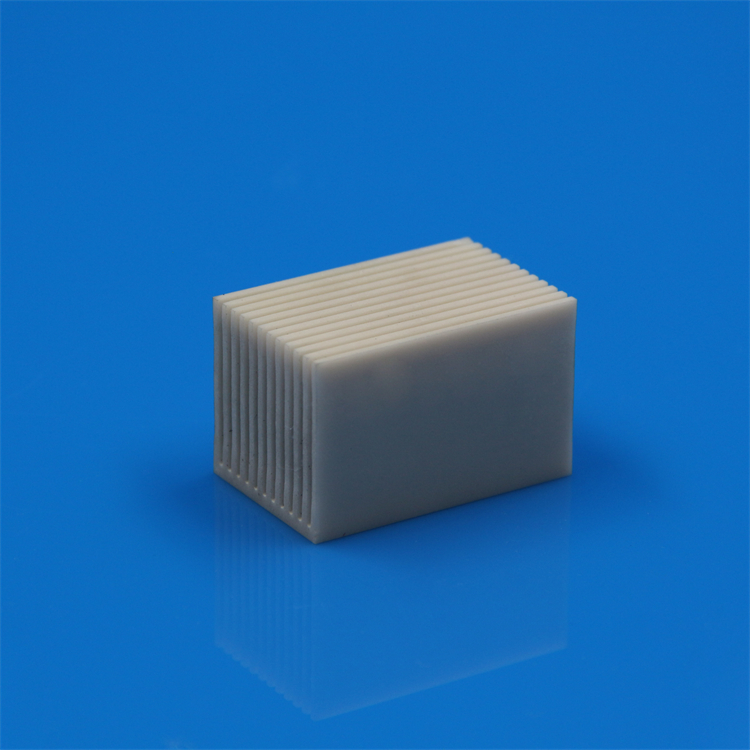
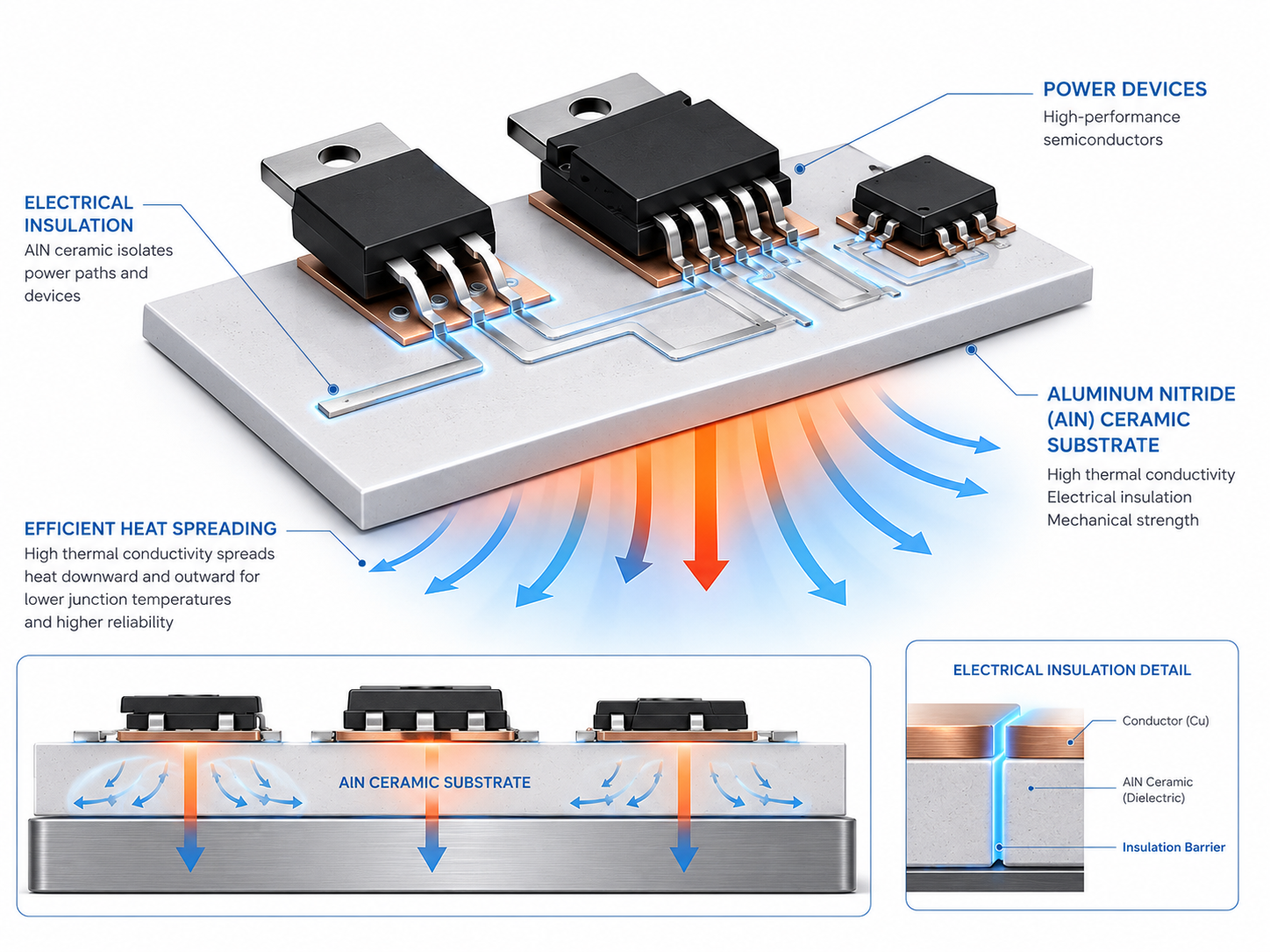
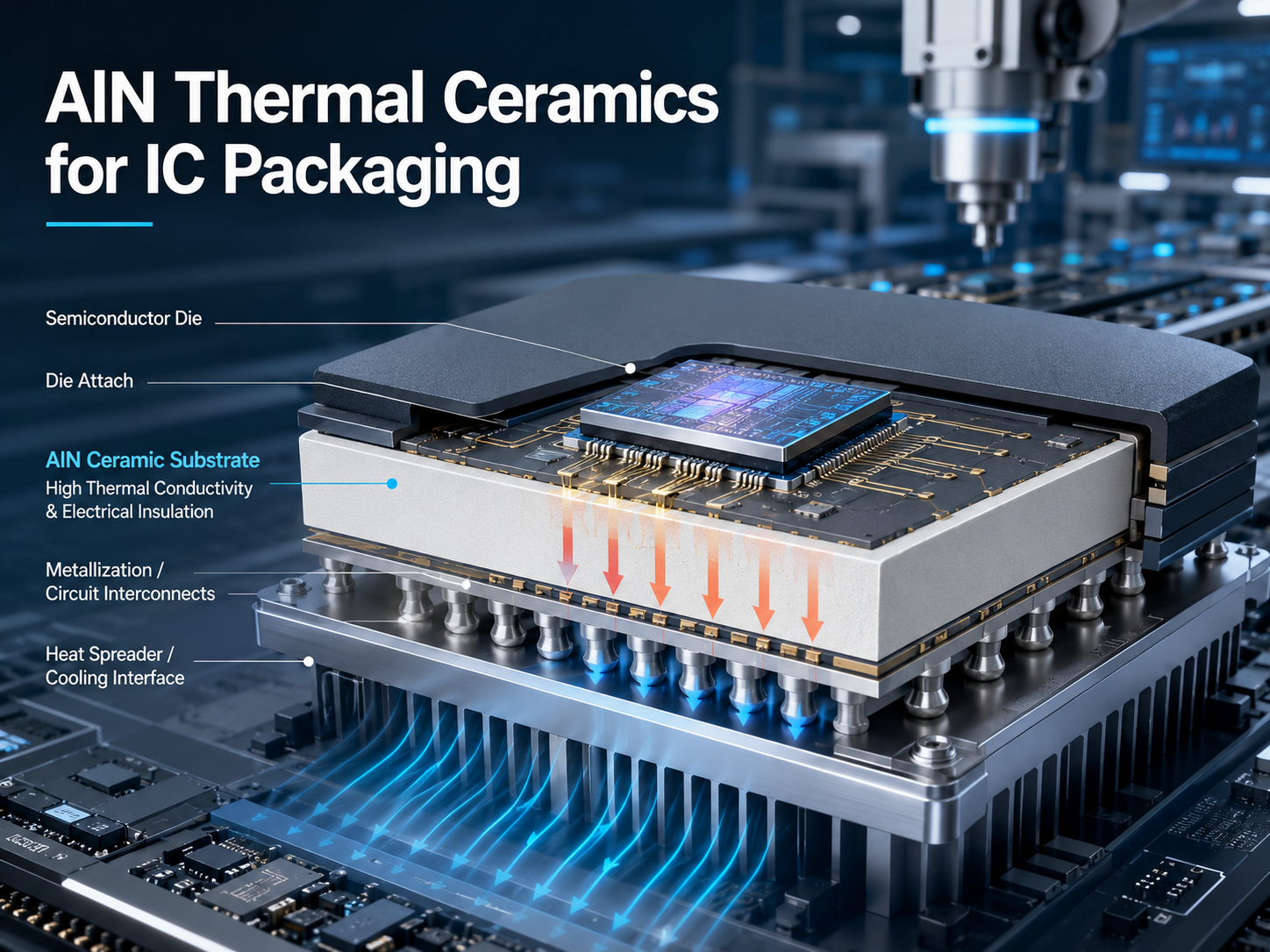
AlN substrates and heat spreaders
High thermal conductivity and electrical insulation help transfer heat away from power devices and sensitive electronic components.
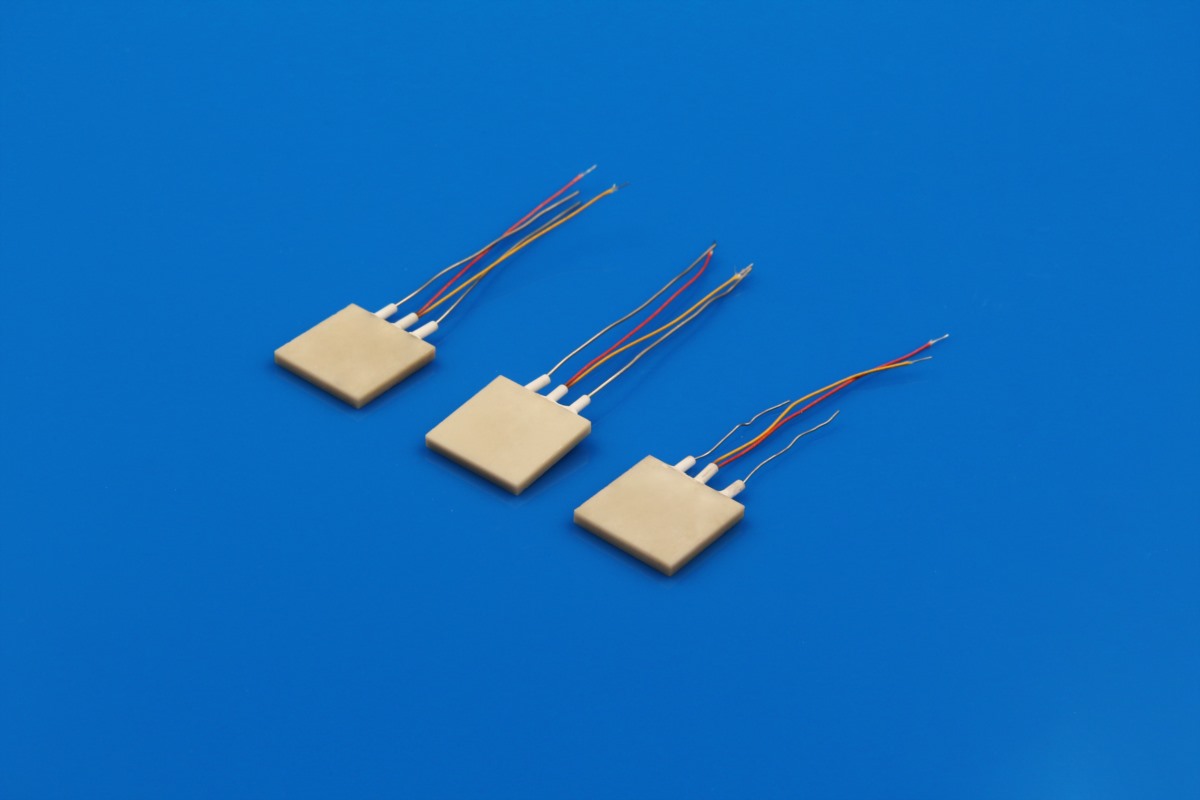
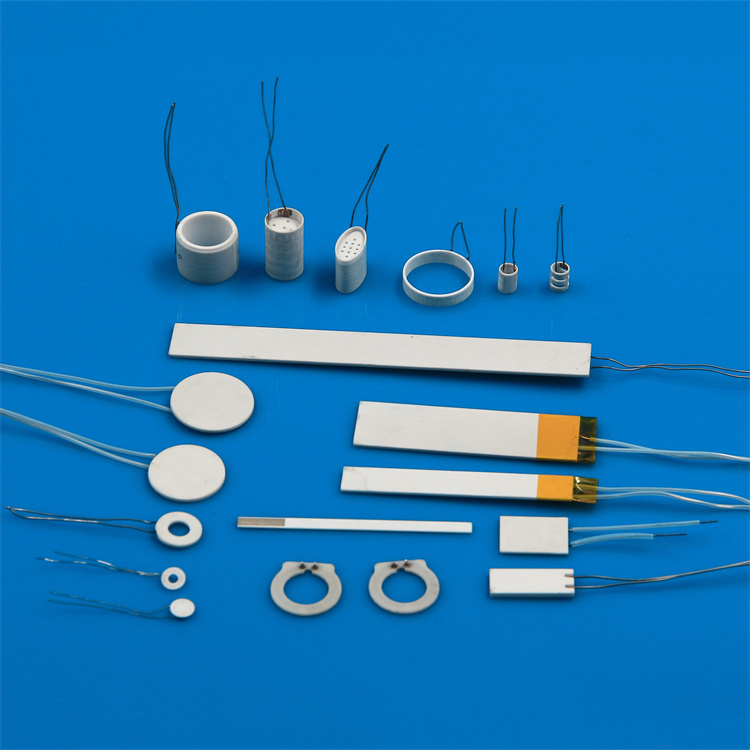
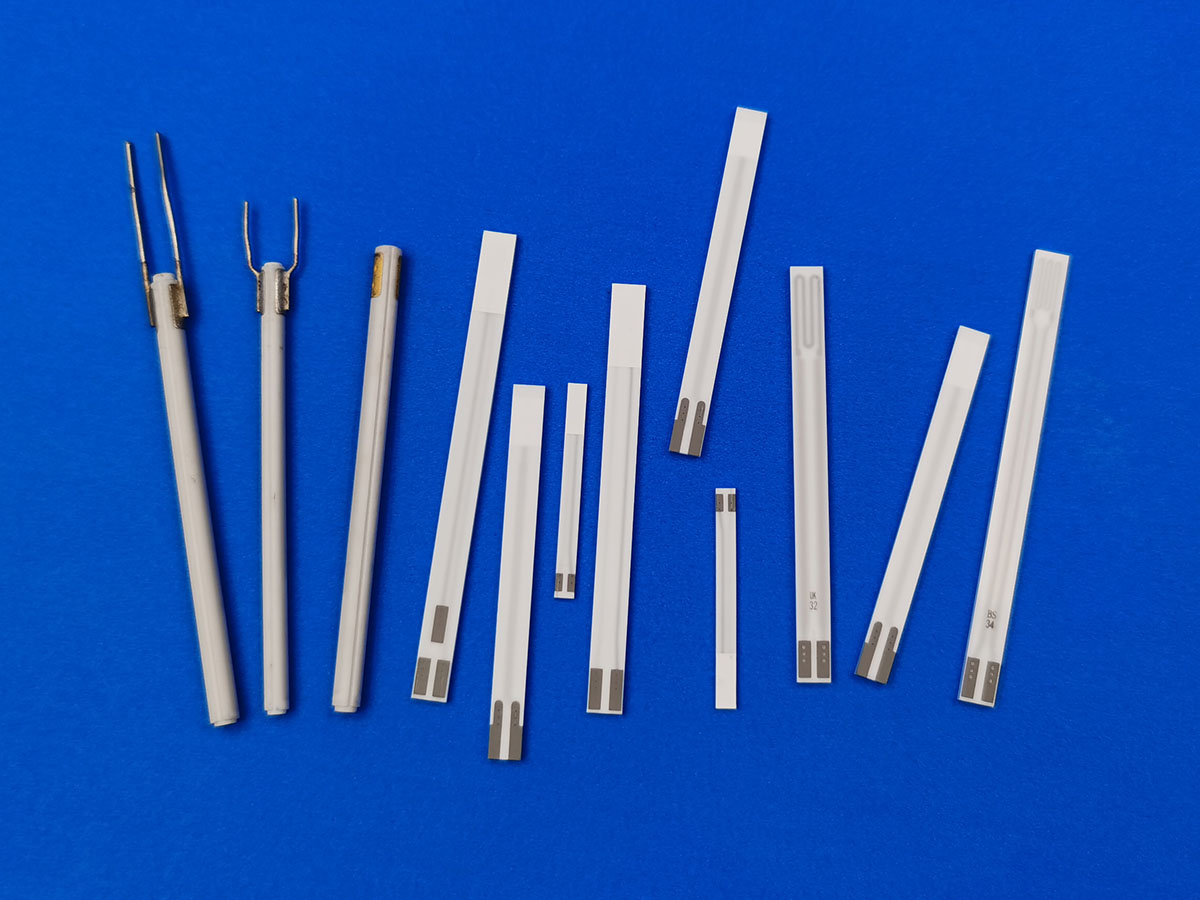
AlN heaters
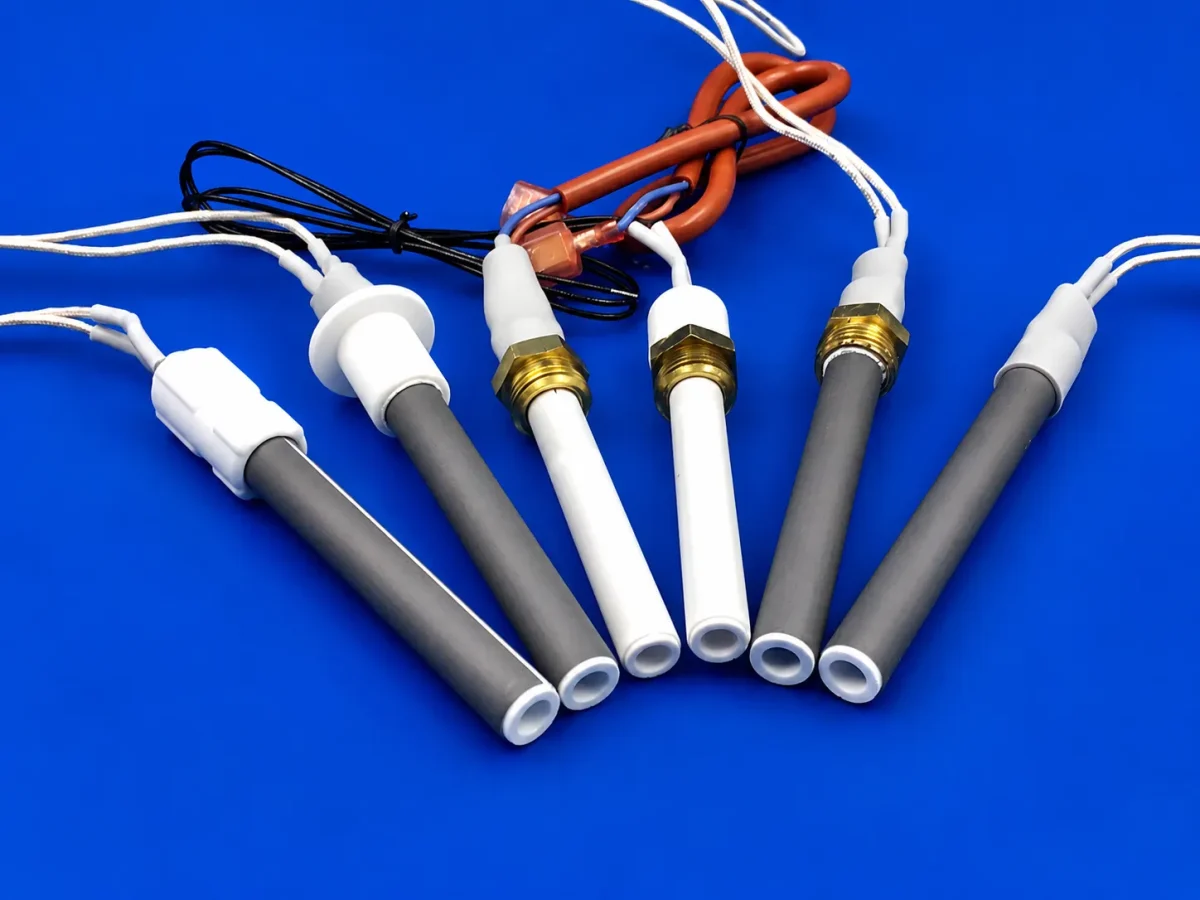
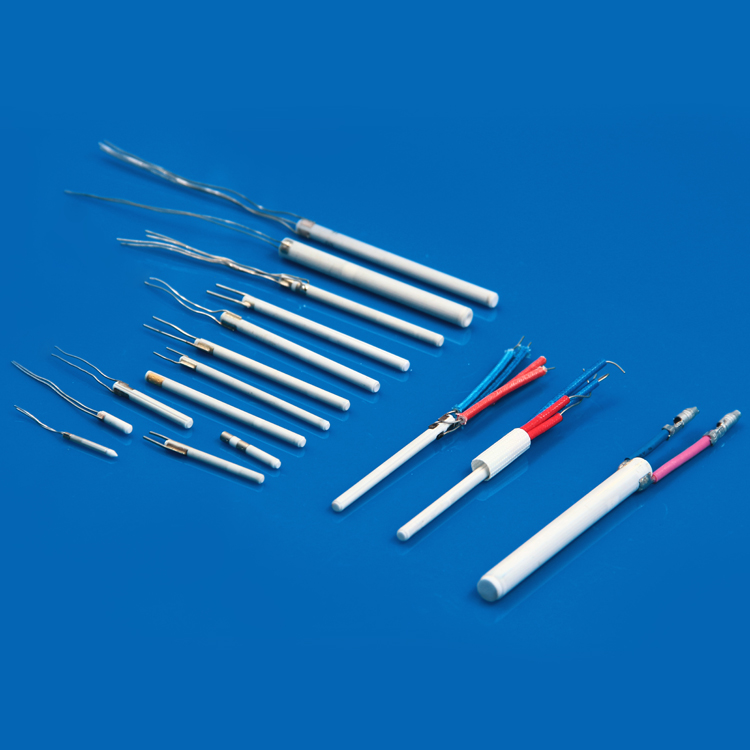
Compact AlN heaters provide rapid response, uniform temperature distribution and precise thermal control.
Alumina ceramic heaters
Alumina ceramic heaters offer reliable electrical insulation and cost-effective heating for industrial and analytical equipment.
TEC ceramic copper-clad substrates
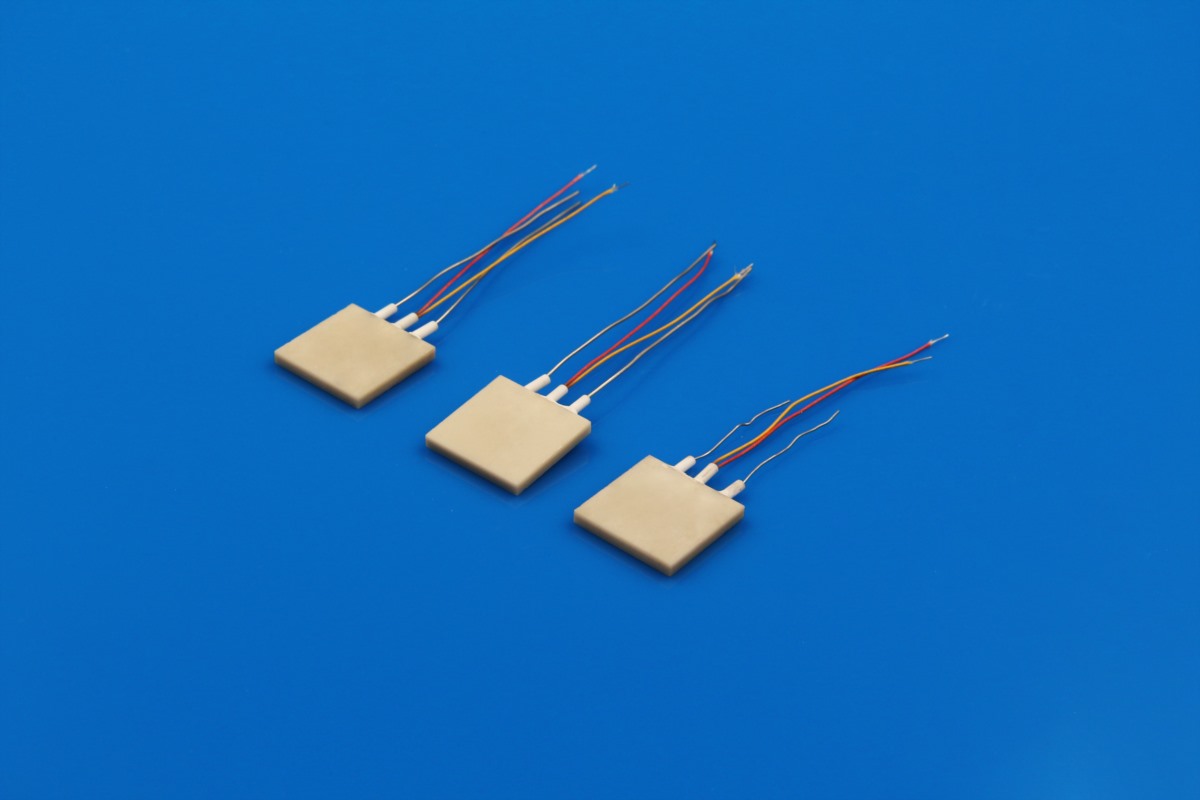
Copper-clad ceramic substrates provide electrical isolation, heat transfer and structural support for thermoelectric cooling modules.
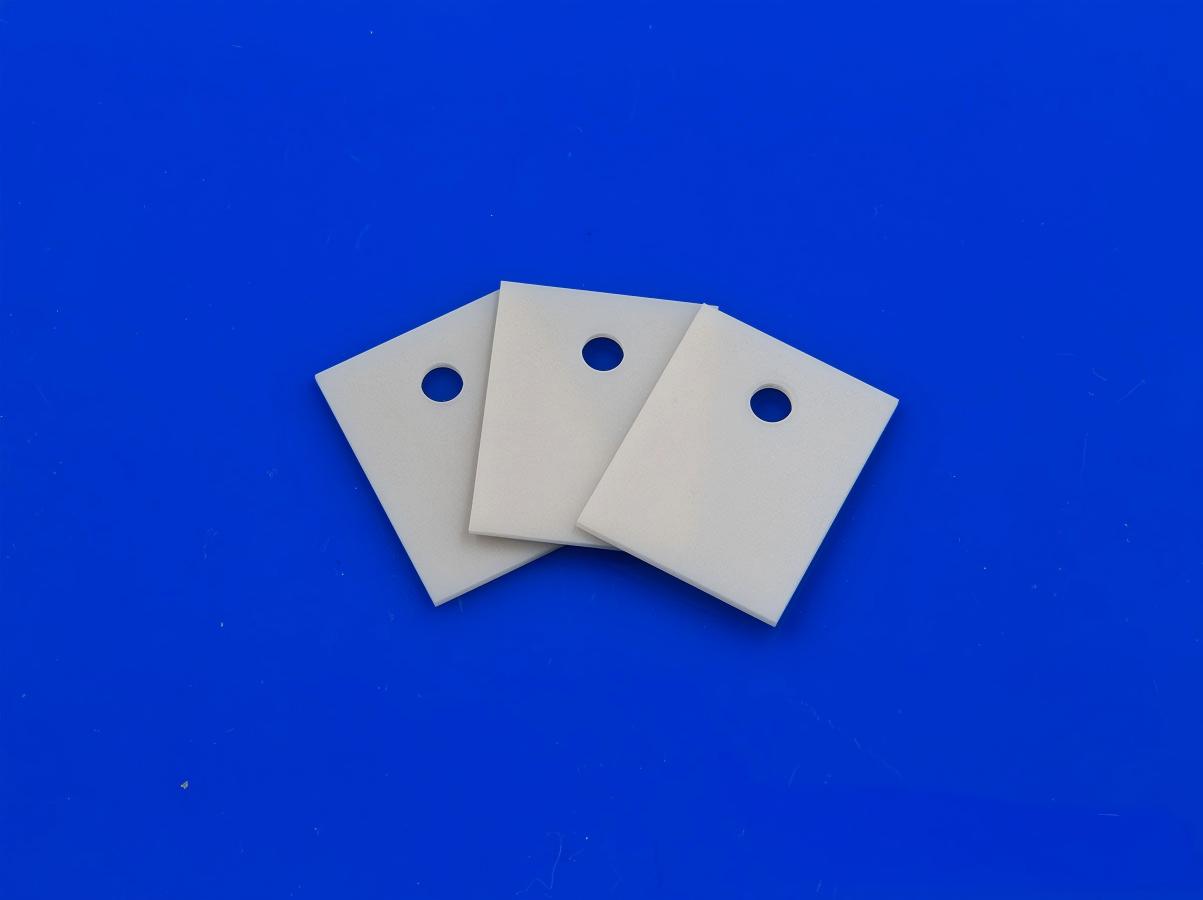
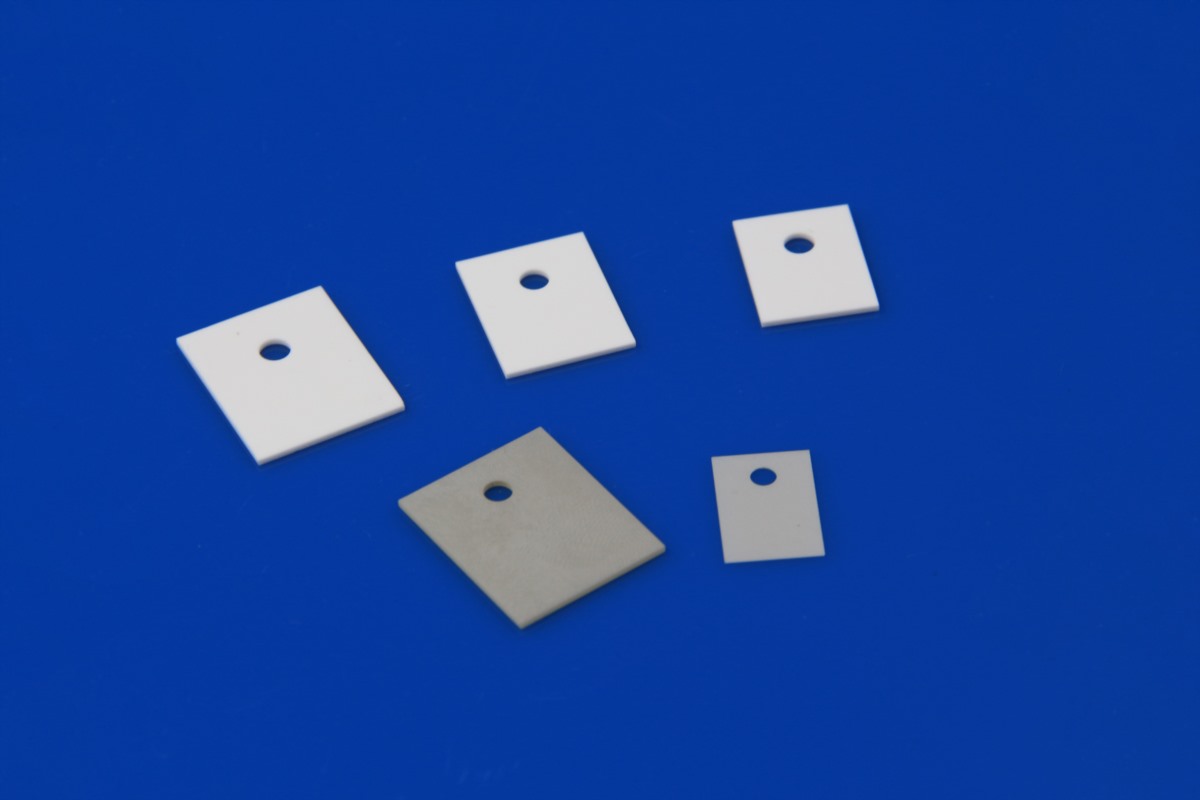
Ceramic insulation pads and plates
Precision ceramic pads electrically isolate power components while maintaining stable thermal and mechanical performance.
Custom ceramic thermal assemblies
Custom assemblies integrate ceramic substrates, heaters, metallization and metal components for application-specific thermal requirements.
Challenges & Ceramic Solution Selection
This section helps engineers and buyers quickly understand which ceramic direction may fit their thermal application.
| Customer Challenge | Recommended Ceramic Direction | Why It Fits | Typical Application |
|---|---|---|---|
| Power device temperature rise is too high | AlN substrate / ceramic heat spreader | High thermal conductivity with electrical insulation helps move heat away from chips | IGBT, MOSFET, inverter, OBC, DC/DC converter |
| Need heating with fast response and uniform temperature | AlN heater / alumina ceramic heater | Ceramic body integrates insulation, heating circuit and compact thermal mass | Wafer heating, gas analysis, sensors, laboratory equipment |
| Need active cooling or temperature stabilization | TEC ceramic copper-clad substrate | Ceramic layer provides insulation and structure; copper helps current/heat transfer | Laser diode, detector, photonics, precision instrument |
| Thermal cycling causes cracking or warpage | Si₃N₄ / optimized ceramic copper-clad substrate | Higher toughness or optimized CTE design improves cycling reliability | EV power modules, high-current electronics |
| High-temperature process needs insulation and stability | BN / alumina / SiC components | Ceramics maintain insulation, stability and thermal shock resistance at elevated temperature | Vacuum furnace, semiconductor chamber, heater support |
Frequently Asked Questions
How do I choose between heat dissipation, heating and TEC cooling?
Define the thermal function first. If the system must remove heat, consider substrates or heat spreaders. If it must generate heat, consider AlN or alumina ceramic heaters. If it must stabilize temperature below ambient or tightly control a laser/detector, TEC ceramic substrates may be required.
Why is AlN widely used in thermal management?
AlN combines high thermal conductivity with electrical insulation, making it useful for power electronics, laser packages and ceramic heaters where heat transfer and dielectric isolation are both required.
When is alumina still a good choice?
Alumina is suitable when cost, dielectric strength, production maturity and mechanical stability are more important than maximum thermal conductivity.
What information is needed for a thermal management RFQ?
Please provide drawings, heat load or required heater power, target temperature, voltage, dimensions, environment, mounting method, quantity and reliability requirements.
Can ceramic parts be metallized or assembled with metal parts?
Yes. Depending on the design, metallization, plating, brazing, electrodes and ceramic-to-metal assemblies can be reviewed as part of the solution.
Do you support custom ceramic thermal components?
Yes. Custom substrates, heaters, insulating plates, heat spreaders and TEC ceramic parts can be evaluated based on drawings and application conditions.
Related ceramic products.
related products are matched to this engineering solution in the current catalog.

Start Your Engineering Review.
Provide your project details, development stage, operating conditions, expected annual volume and drawings (if available). Our engineers will review feasibility, recommend suitable materials and support the most efficient path from prototype to production.