

High Temperature Ceramic Solutions
Ceramic components for furnaces, heaters, molten materials, vacuum systems and thermal processes where metals lose strength or react.
High-Temperature Stability Designing
High-temperature, thermal-shock-resistant, electrically insulating and structurally stable ceramic components for furnaces, vacuum heat treatment, semiconductor thermal processes, metallurgy and molten-metal environments.
High Temperature / Thermal Cycling / Vacuum
BN / SiC / Al2O3 / Si3N4
Crucible / Tube / Support / Insulator / Fixture
Furnace / Semiconductor / Metallurgy / Laboratory
Temperature Profile
Confirm the maximum operating temperature, ramp rate, holding time and number of thermal cycles before selecting the ceramic material and structure.
Atmosphere Review
Evaluate air, vacuum, inert or reducing atmospheres, together with molten-metal or hot-media contact, to avoid oxidation, contamination and chemical attack.
Structure Design
Design around mechanical load, thermal expansion, mounting method, electrical insulation, wall thickness and ceramic manufacturing limits.
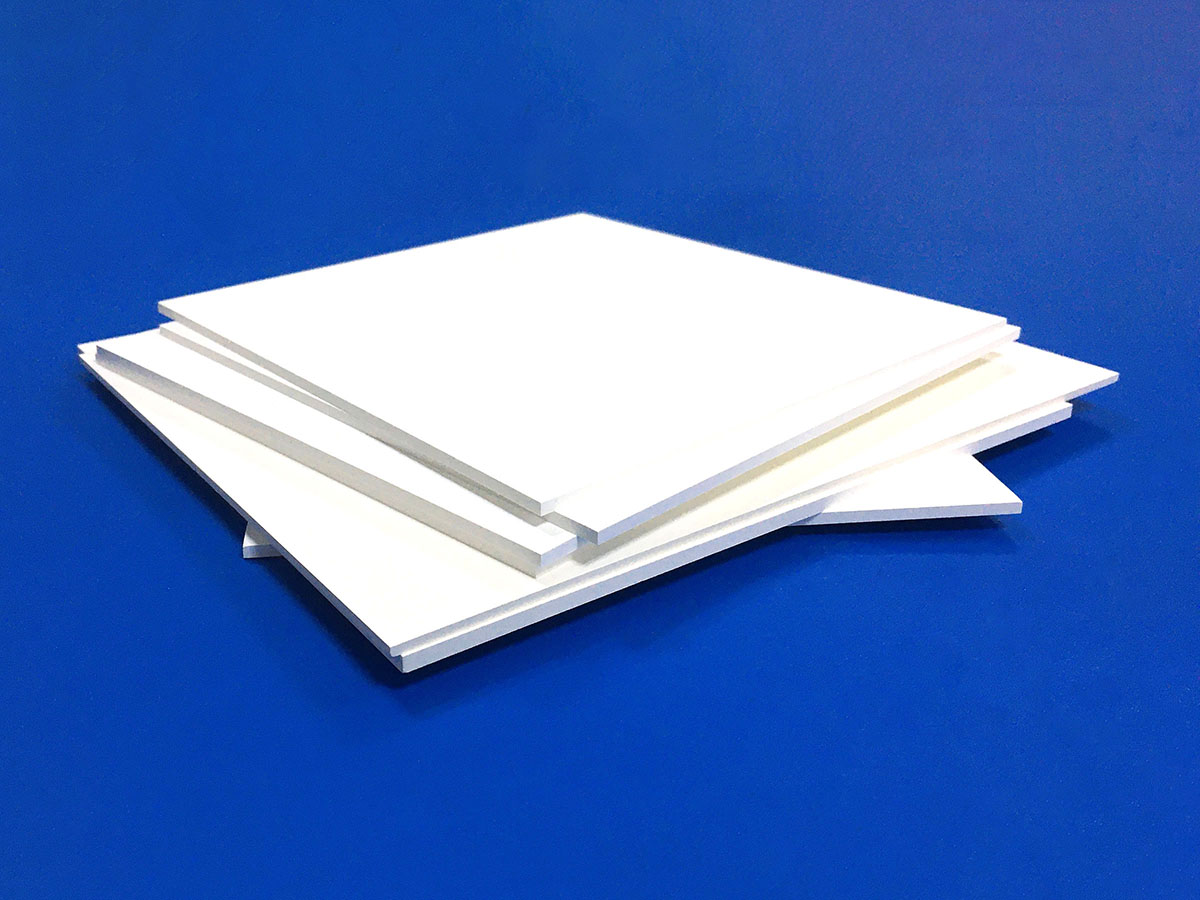
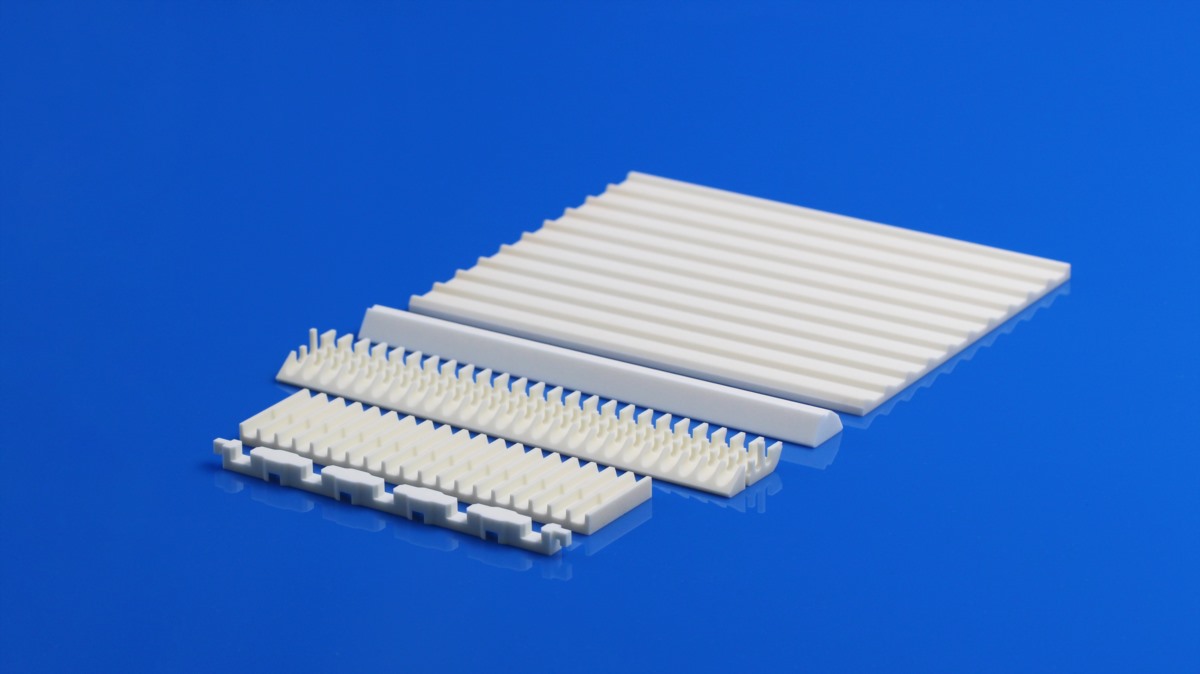
Product & Application Gallery
Material Selection Guide
| Material | Key Benefit | Typical High Temperature Applications |
|---|---|---|
| Boron Nitride (BN) | Excellent thermal shock resistance, electrical insulation, machinability and low wetting in vacuum, inert gas and molten-metal environments | Crucibles, furnace insulators, sleeves, supports, nozzles and molten-metal handling components |
| Silicon Carbide (SiC) | High-temperature strength, thermal conductivity, wear resistance and dimensional stability during repeated firing cycles | Kiln furniture, setter plates, support structures, furnace fixtures and high-duty thermal components |
| Alumina (Al2O3) | Stable high-temperature electrical insulation, chemical resistance and mature manufacturing capability | Furnace tubes, thermocouple protection tubes, insulating sleeves, supports and structural components |
| Silicon Nitride (Si3N4) | High mechanical strength, impact resistance and strong resistance to rapid temperature change | Thermal-shock-resistant tubes, nozzles, supports and demanding high-temperature structural parts |
Component Solutions
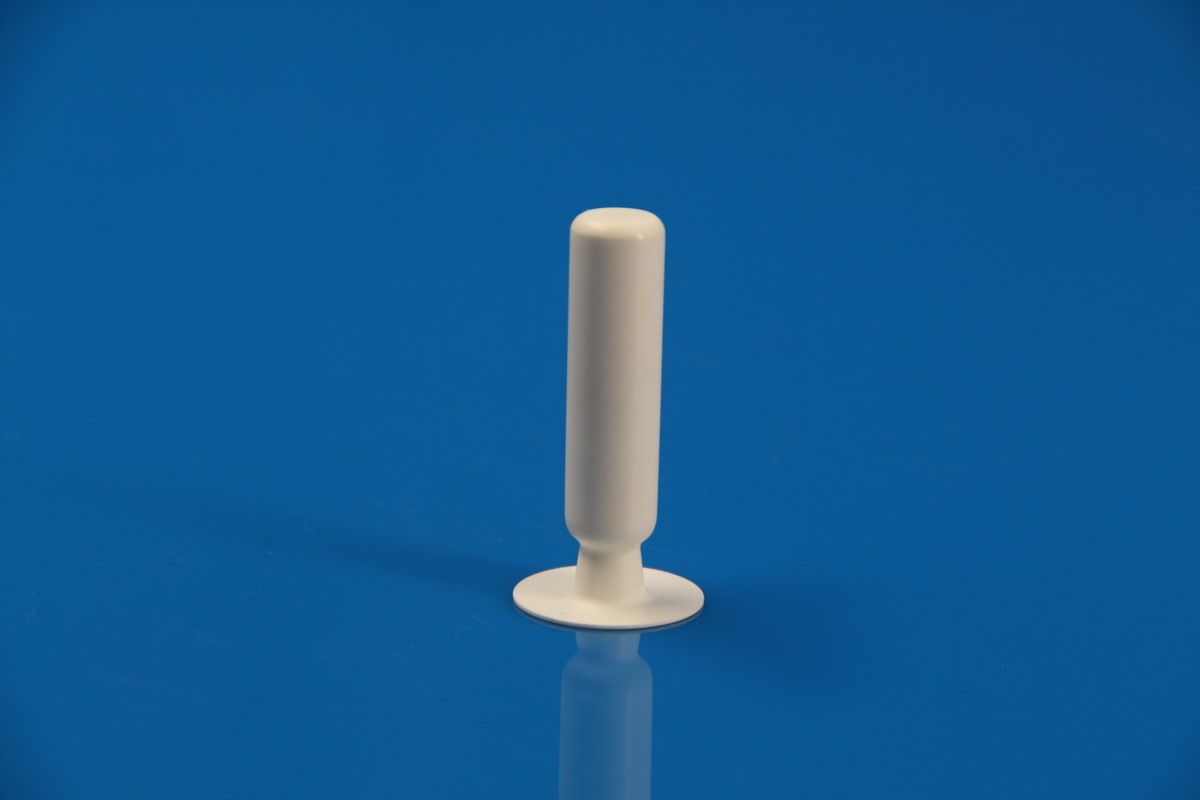
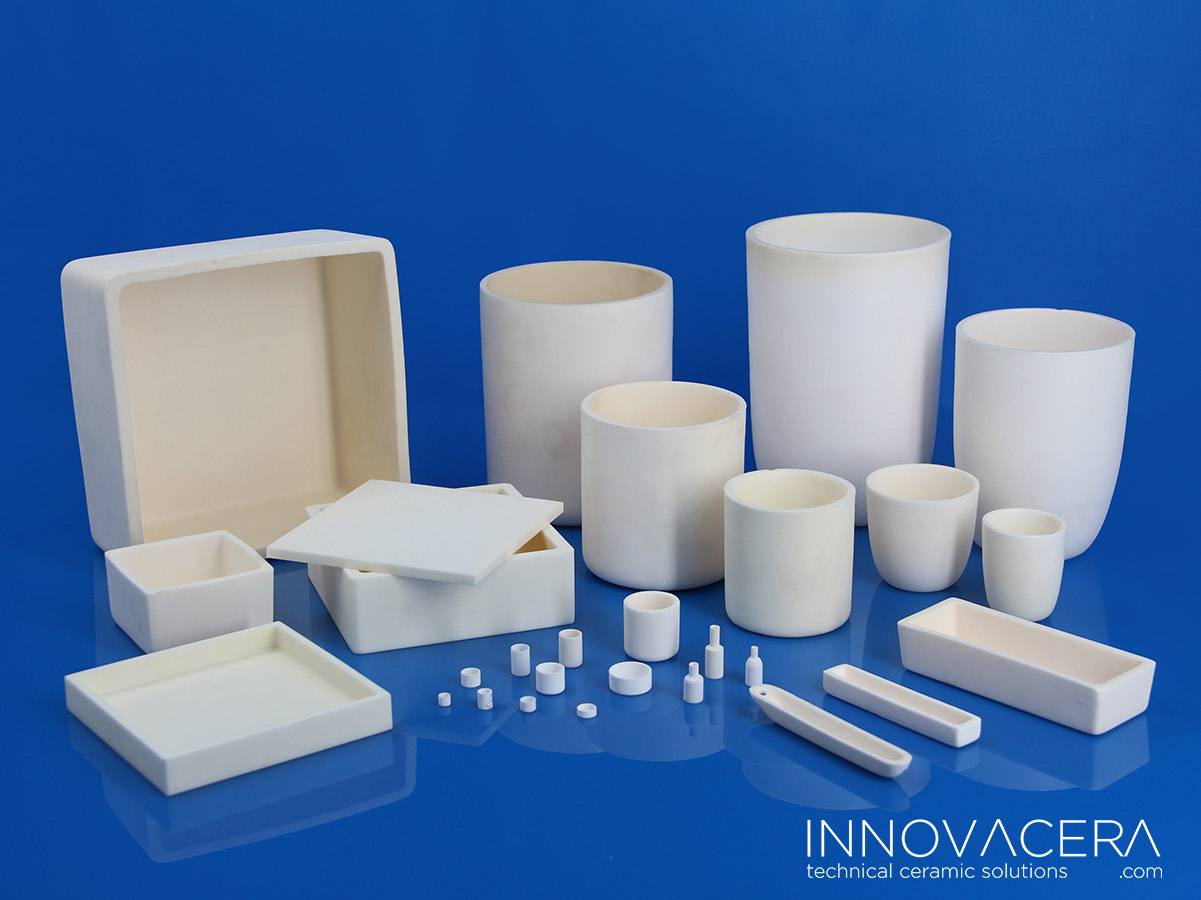
BN and PBN Crucibles
Non-wetting, electrically insulating containment components for molten metals, evaporation, crystal growth and high-purity thermal processes in vacuum or inert atmospheres.
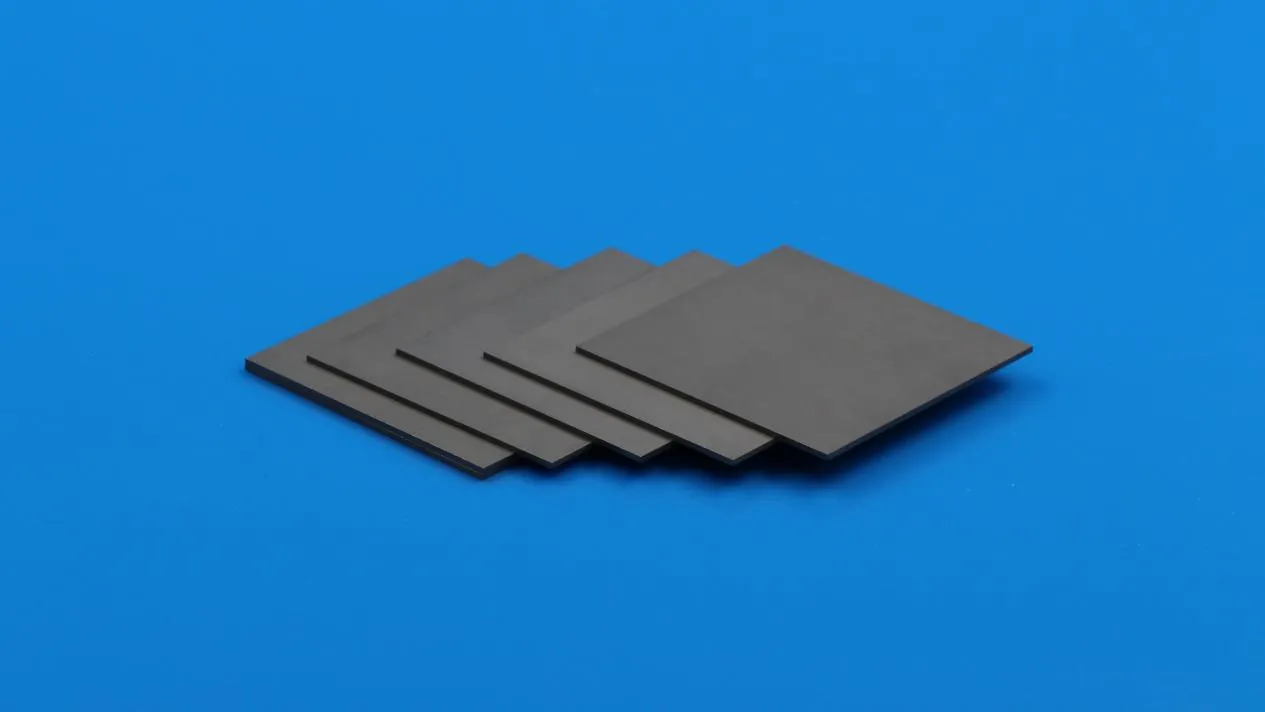
SiC Kiln Furniture and Setter Plates
High-strength, dimensionally stable supports for repeated firing cycles, elevated mechanical loads and demanding furnace environments.
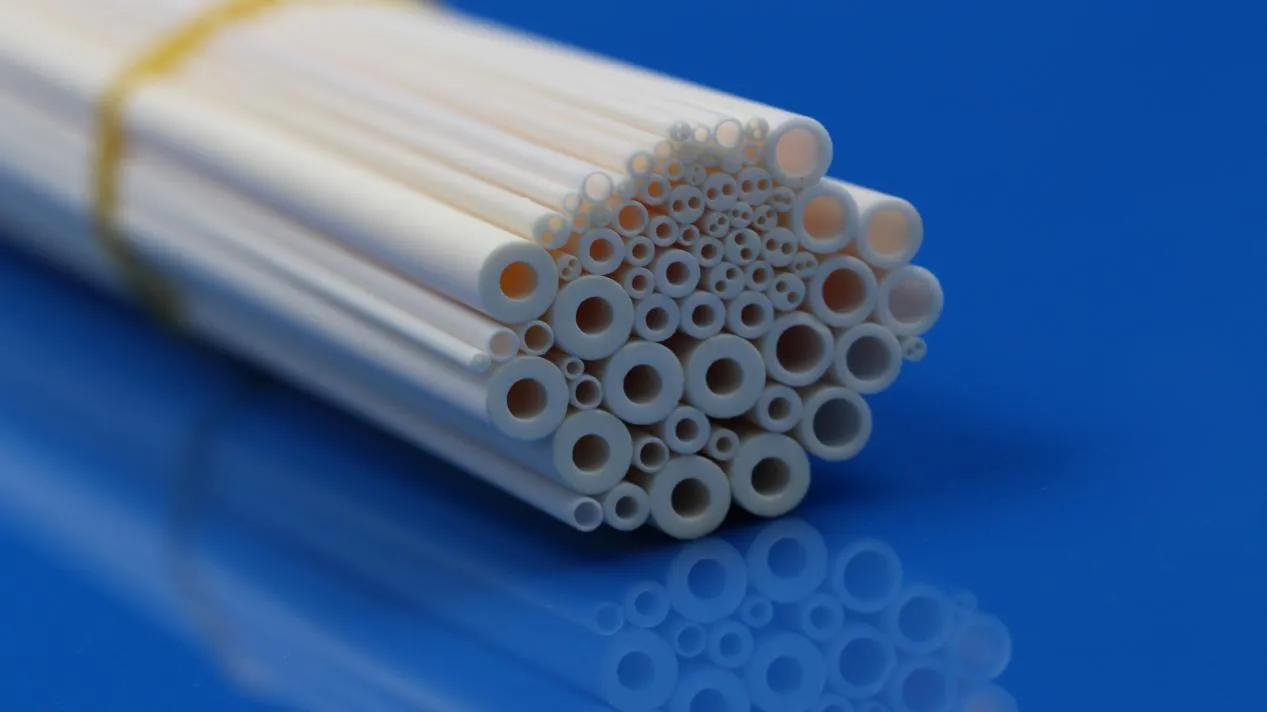
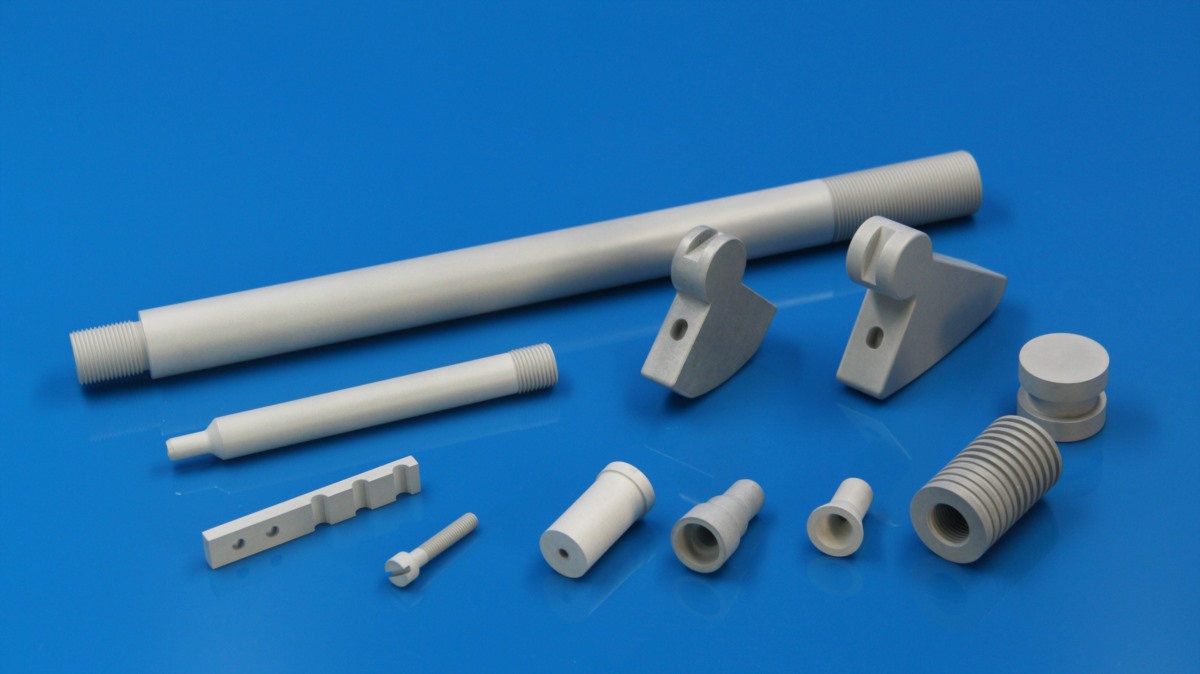
Alumina Furnace and Protection Tubes
Electrically insulating, chemically stable tubes for furnace systems, thermocouple protection and separation from high-temperature process media.High Temperature Ceramic Supports
High-strength, dimensionally stable supports for repeated firing cycles, elevated mechanical loads and demanding furnace environments.
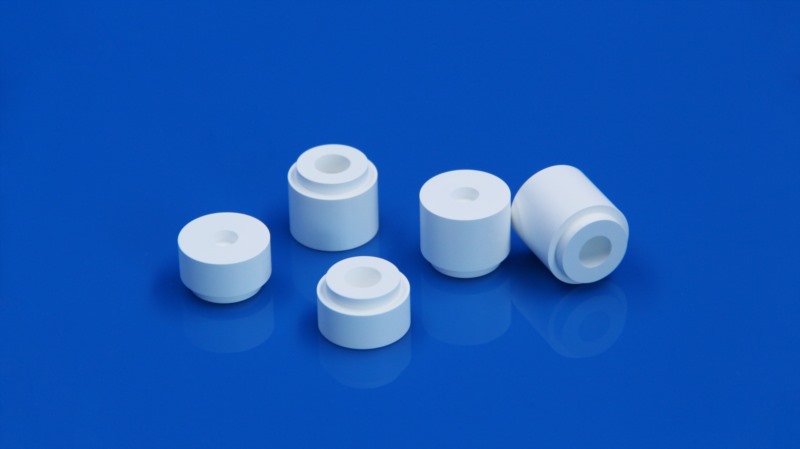
Vacuum Furnace Insulators and Fixtures
Low-contamination insulating and positioning components for vacuum heat treatment, crystal growth and controlled thermal-processing systems.
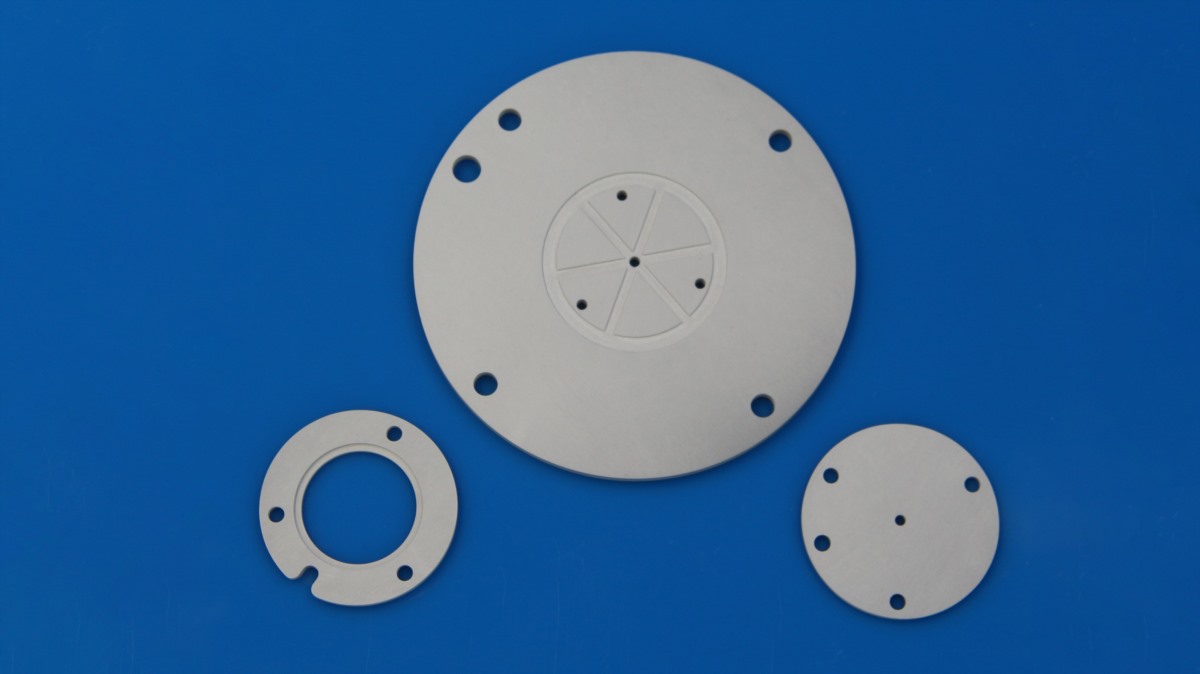
Semiconductor Thermal Process Ceramic Parts
High-purity BN, PBN and alumina components developed for wafer heating, deposition, MBE and other contamination-sensitive thermal processes.
Challenges & Ceramic Solution Selection
A problem-oriented guide for selecting ceramic materials and component structures according to temperature, atmosphere, thermal cycling, electrical insulation, mechanical load and media contact.
| Engineering Challenge | Recommended Ceramic Solution | Typical Applications |
|---|---|---|
| Insulating support above 1000°C | Select high-purity alumina or boron nitride insulating structures according to atmosphere and load | Furnace heating elements, electrical isolation and thermal process equipment |
| Cracking under rapid thermal cycling | Evaluate BN, silicon nitride or silicon carbide materials with suitable geometry and controlled wall thickness | Fast-heating furnaces, repeated thermal cycles and high-temperature fixtures |
| Molten-metal contact or wetting | Prioritize BN, PBN or a suitable BN composite after confirming metal type, atmosphere and operating temperature | Crucibles, nozzles, casting interfaces and molten-metal handling |
| High-temperature load-bearing structure | Select silicon carbide or alumina structural ceramics based on load, span, temperature gradient and creep requirements | Kiln furniture, setter plates, furnace supports and thermal fixtures |
| High-purity vacuum or semiconductor process | Use high-purity BN, PBN or alumina components designed to minimize contamination and outgassing | Vacuum furnaces, crystal growth, PVD, MBE and semiconductor thermal systems |
Frequently Asked Questions
What is the maximum temperature of high-temperature ceramics?
The usable temperature depends on the ceramic material, atmosphere, mechanical load and exposure time. These conditions should be reviewed together rather than using a single temperature value.
Is boron nitride suitable for long-term high temperature in air?
BN performance depends strongly on atmosphere. It is commonly selected for vacuum or inert environments, while long-term use in air requires a separate oxidation review.
How should I choose between silicon carbide and alumina?
Silicon carbide is preferred for thermal conductivity, thermal shock and high-temperature structural strength; alumina is widely used for stable electrical insulation and furnace tubes.
Can custom furnace tubes, crucibles and fixtures be made?
Yes. Size, wall thickness, temperature, atmosphere, load, media contact, tolerances and machining requirements should be reviewed before production.
What information is needed for a high-temperature ceramic RFQ?
Please provide the maximum temperature, heating and cooling rate, atmosphere, load, contact media, dimensions, drawings, tolerances, quantity and expected service life.
Which material is suitable for semiconductor thermal processes?
High-purity alumina, BN and PBN are common options. The final selection depends on contamination limits, vacuum level, temperature, electrical insulation and process chemistry.
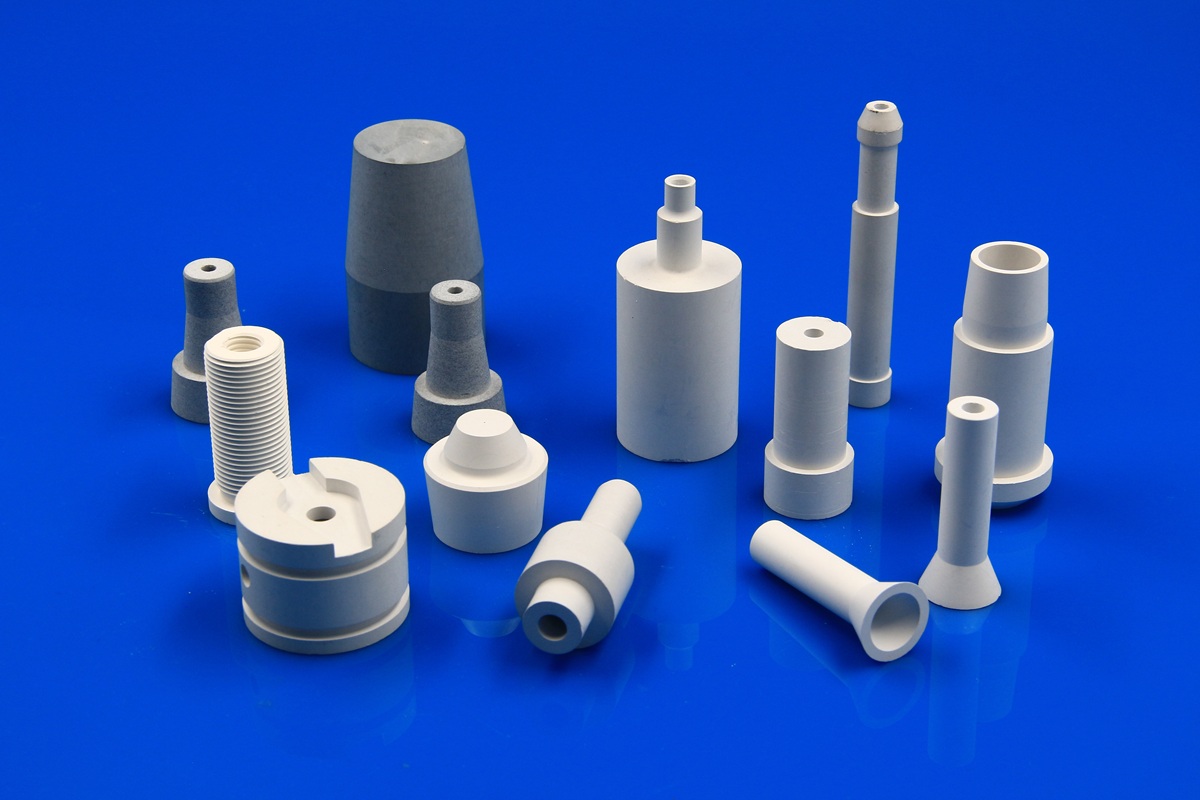
Related ceramic products.
related products are matched to this engineering solution in the current catalog.
Start Your Engineering Review.
Provide your project details, development stage, operating conditions, expected annual volume and drawings (if available). Our engineers will review feasibility, recommend suitable materials and support the most efficient path from prototype to production.