

Porous Ceramics
Porous ceramic materials for filtration, diffusion, aeration, flow control, wicking and controlled permeability applications.
Porous Ceramics ceramic components for demanding operating environments.
Porous ceramics provide controlled pore structures for filtration, gas diffusion, liquid distribution and flow management. Innovacera supplies porous ceramic plates, tubes, discs and custom shapes for industrial, laboratory, life science and environmental systems.
- Target pore size, permeability, flow rate and pressure drop
- Gas, liquid, particle size or biological media contact
- Cleaning, backflushing, sterilization or regeneration method
- Disc, tube, plate or custom shape with sealing surface requirements
- Quantity, test standard and acceptable flow variation
Porous Ceramics material overview
Porous ceramics provide controlled pore structures for filtration, gas diffusion, liquid distribution and flow management. Innovacera supplies porous ceramic plates, tubes, discs and custom shapes for industrial, laboratory, life science and environmental systems.
Key material advantages
- Controlled permeability
- Good thermal and chemical stability
- Rigid porous structure
- Available in custom shapes and pore requirements
Common ceramic components
- Porous ceramic filters and discs
- Diffusers and spargers
- Porous tubes and plates
- Custom flow-control ceramic parts
Typical application fit
- Filtration and separation
- Gas diffusion and aeration
- Laboratory and analytical systems
- Fluid handling and wicking
How Innovacera supports this material
Innovacera reviews media, particle size, flow rate, pressure and cleaning method to recommend practical porous ceramic specifications.
Information that helps us review an RFQ
Share drawings, working temperature, electrical or thermal requirements, media contact, tolerance targets and quantity so the Innovacera team can recommend a practical ceramic material and manufacturing route.
Related ceramic products.
1 related product is tagged to this material family in the current catalog.
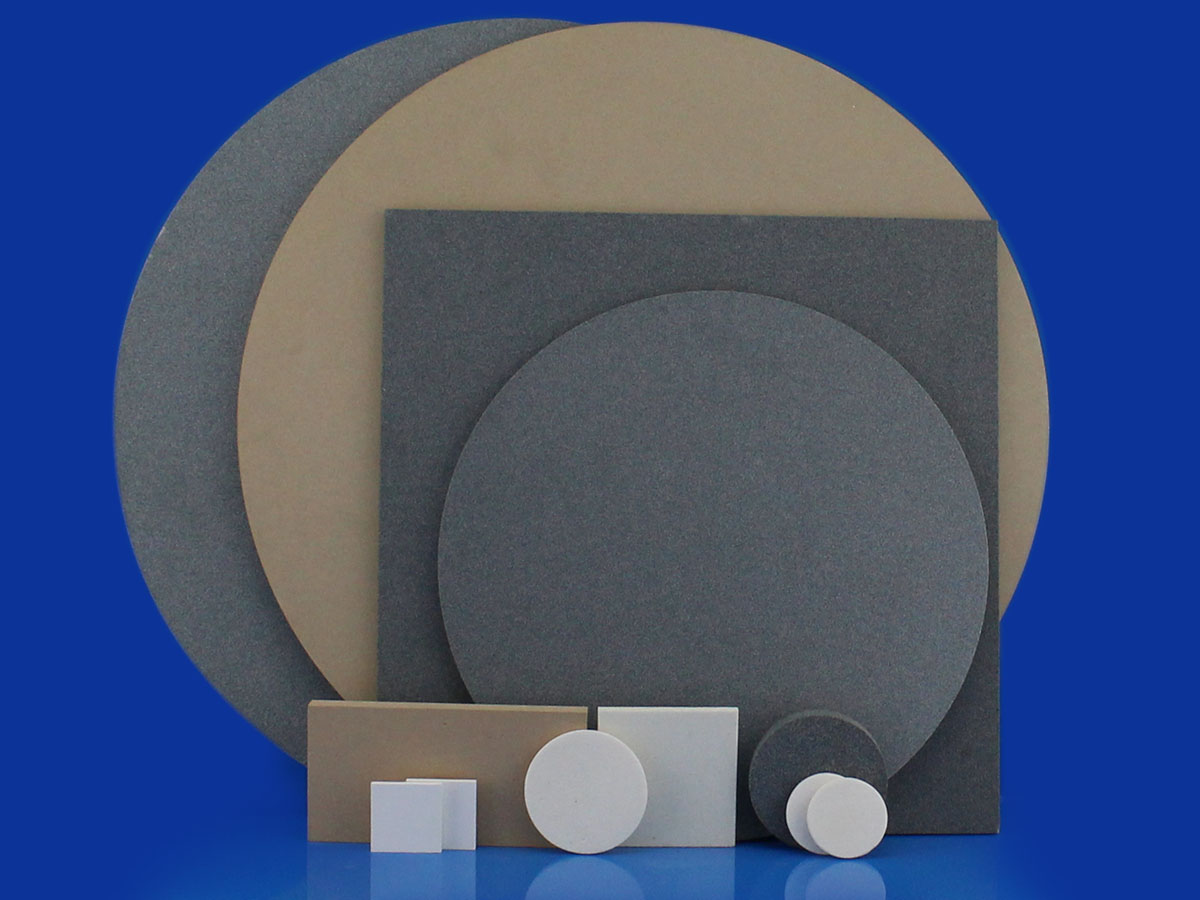
Review Porous Ceramics ceramic components for your operating conditions.
Share drawings, operating temperature, atmosphere or media contact, electrical, thermal or wear requirements, tolerance targets, quantity and expected service life. Innovacera can review the material grade, manufacturability, prototype path and production feasibility.