

Engineering solution
Corrosion Resistance Ceramic Solutions
Ceramic parts for chemical exposure, aggressive media and clean process environments.
Related products
6 products in the current catalog
Engineering need
Maintain component stability when metals or polymers react with process fluids or cleaning media.
Material direction
Alumina (Al2O3)
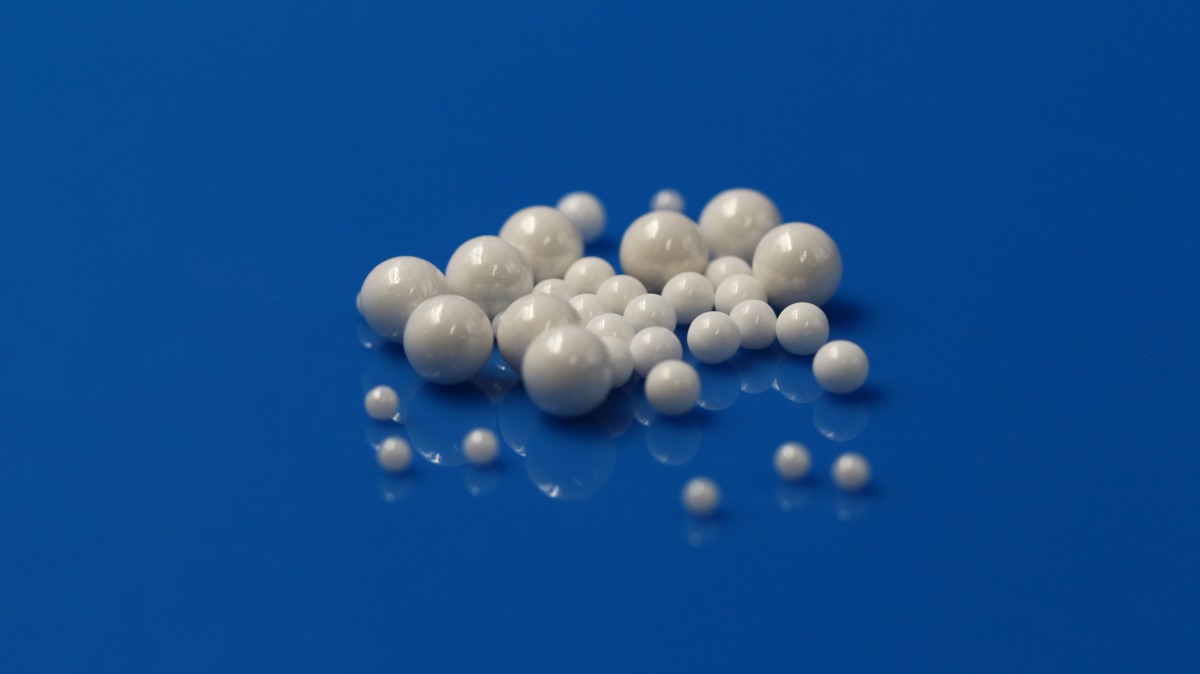
Zirconia (ZrO2)
Boron Nitride (BN)
Silicon Carbide (SiC)
Corrosion Resistance Designing
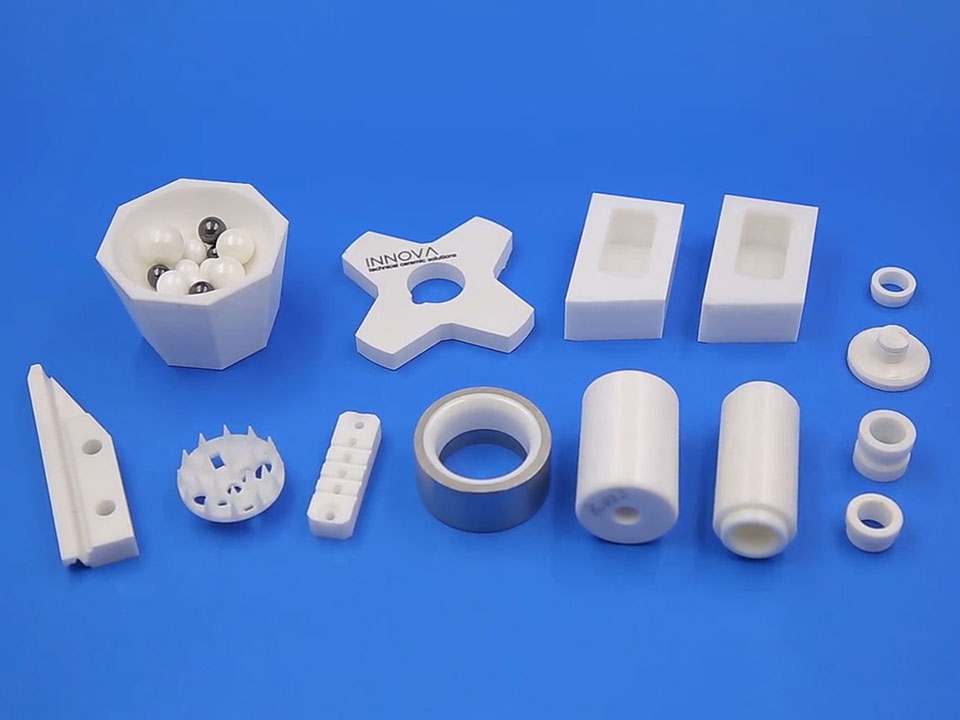
Advanced ceramic components for chemical media, corrosive atmospheres, semiconductor processes and laboratory environments requiring acid/alkali resistance, high-temperature corrosion resistance and high purity.
Corrosive Environment
Acids, alkalis, solvents, plasma and corrosive gases
→
Core Materials
Al2O3, ZrO2, SiC and BN
→
Component Forms
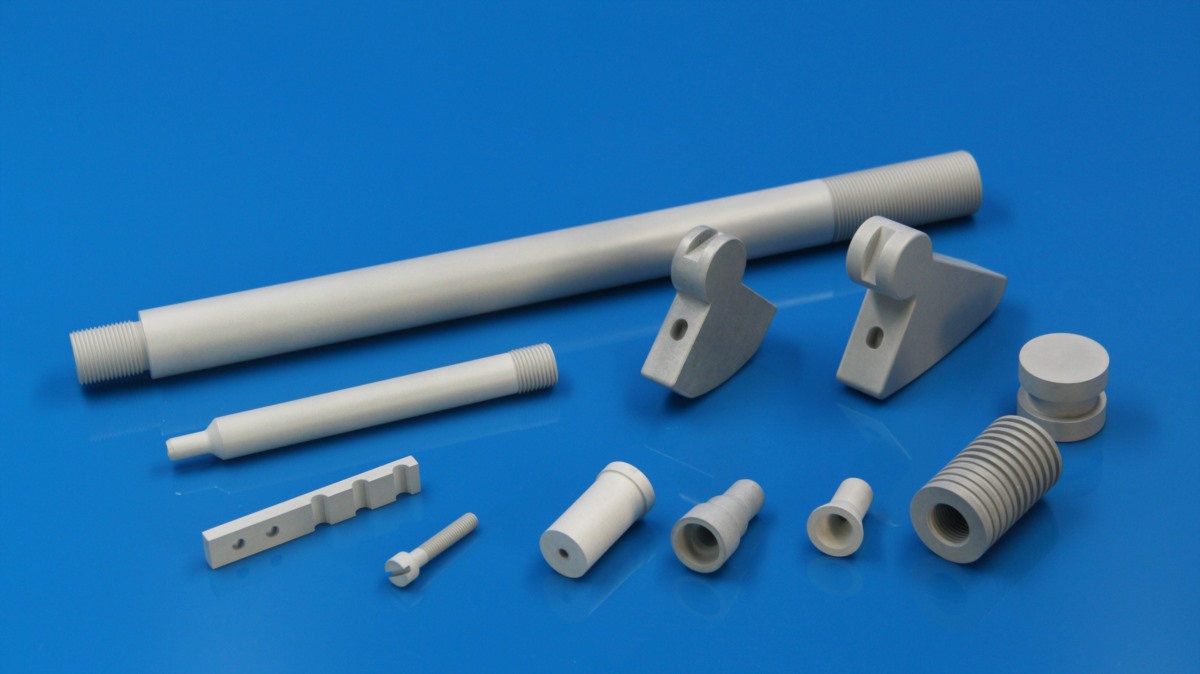
Tubes, nozzles, pump/valve parts, crucibles and fixtures
→
Application End
Chemical, semiconductor, laboratory, battery and metallurgy
Media Review
Confirm chemical type, concentration, temperature, flow speed and particles.Material Compatibility
Select materials by chemical stability, purity, thermal shock and mechanical load.Geometry Optimization
Reduce local corrosion through wall thickness, radius, channel and sealing-surface design.Product & Application Gallery
Material Selection Guide
| Material | Why It Is Used |
|---|---|
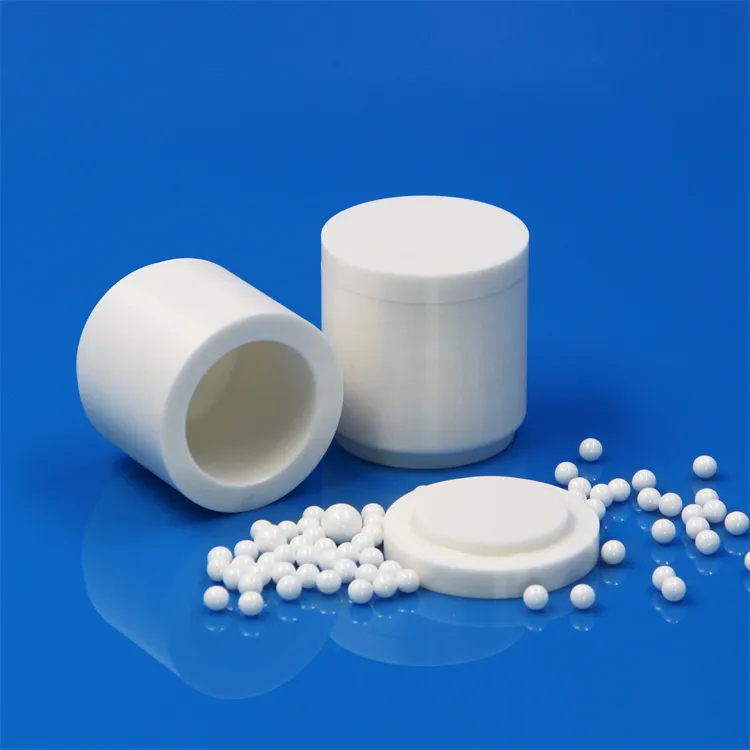
| Alumina | Resists many chemical media for tubes, nozzles, insulation and laboratory parts. |
| Zirconia | Tough, wear and corrosion resistant for pump, valve and precision fluid parts. |
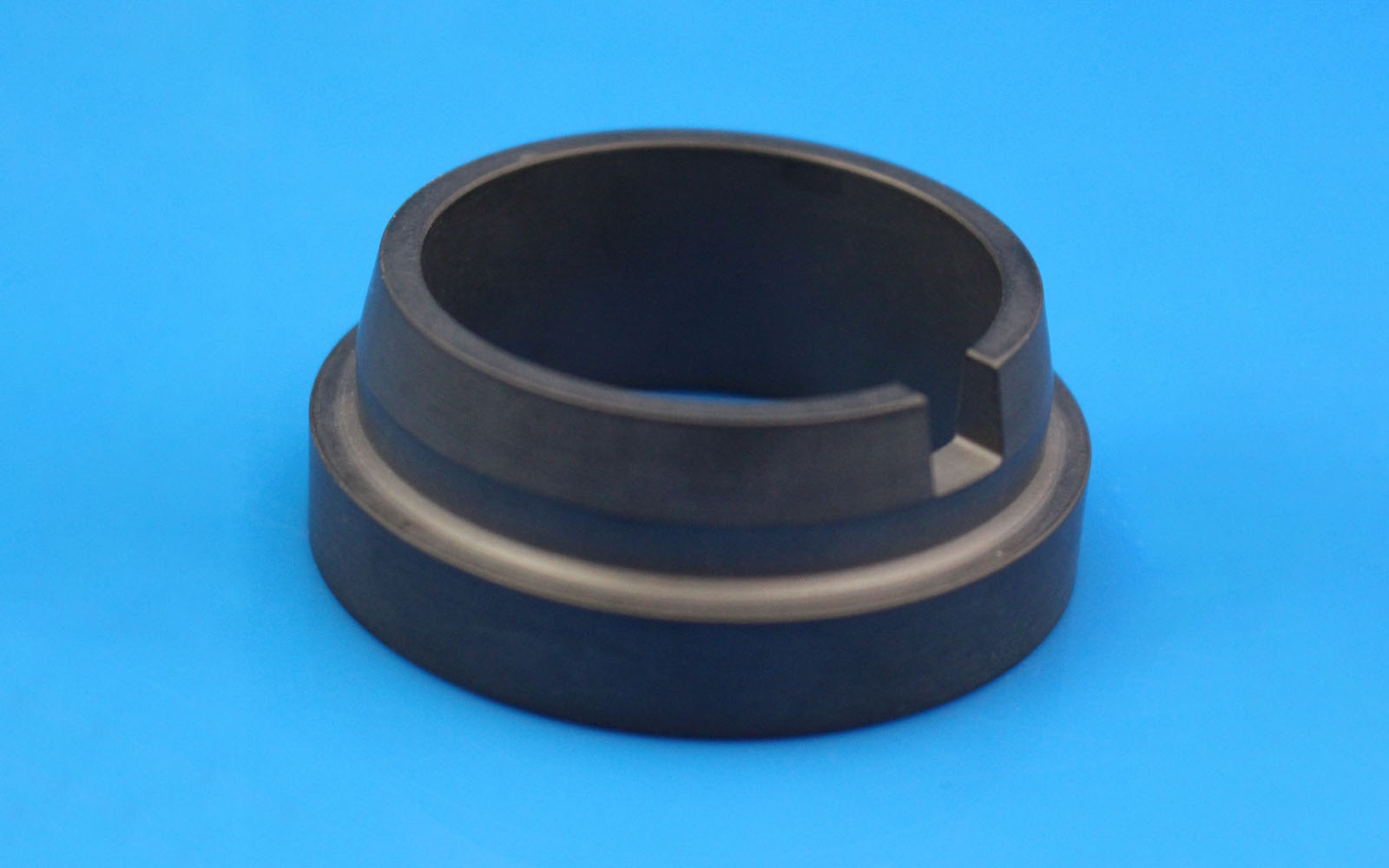
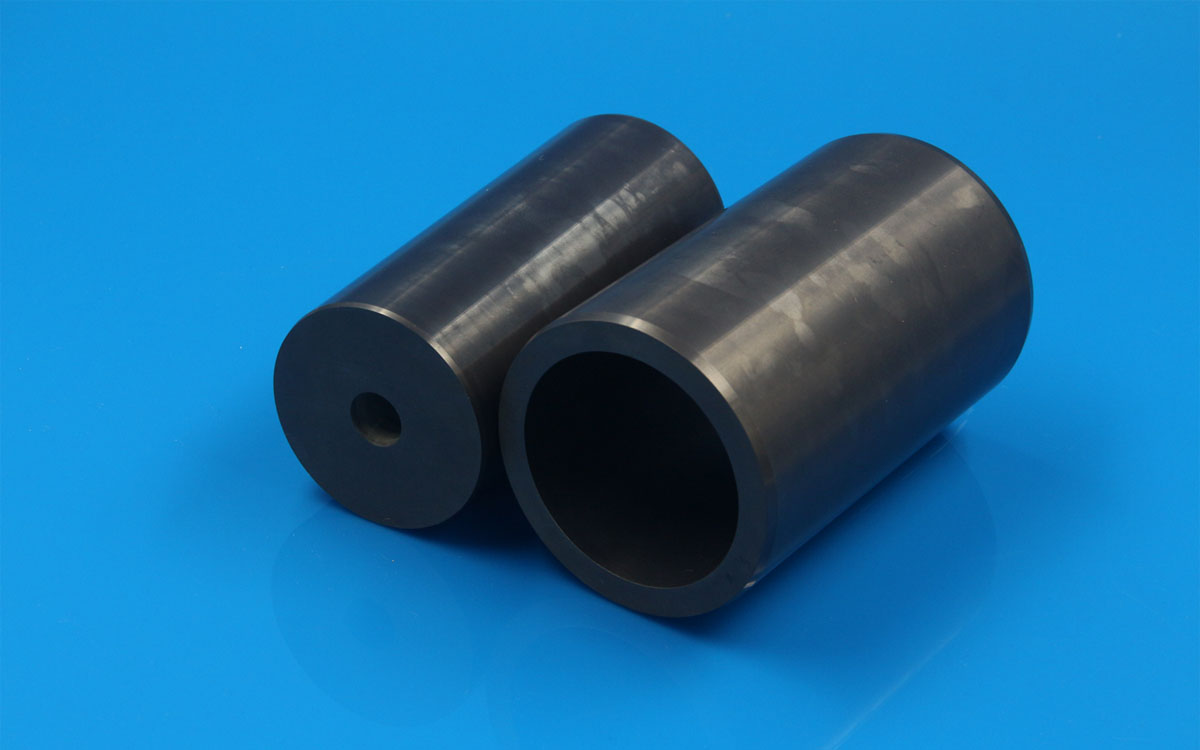
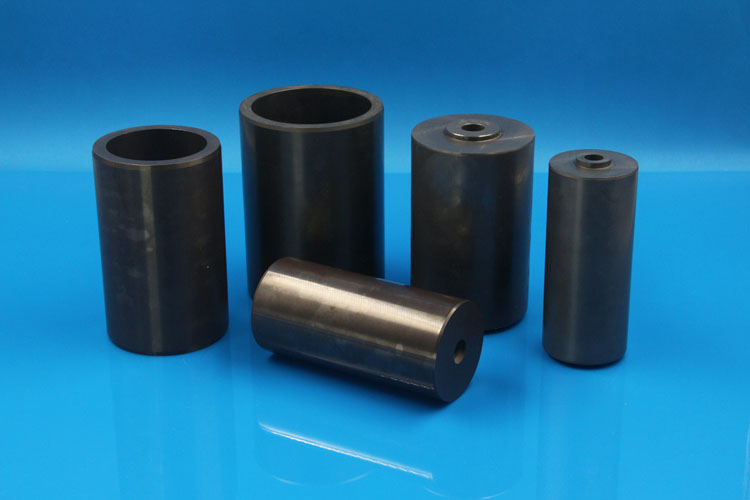
| Silicon Carbide | Hard, corrosion resistant and stable at high temperature for severe fluid and thermal conditions. |
| Boron Nitride | Used for high-temperature, vacuum and molten-metal related special environments. |
Component Solutions
Chemical Process Components
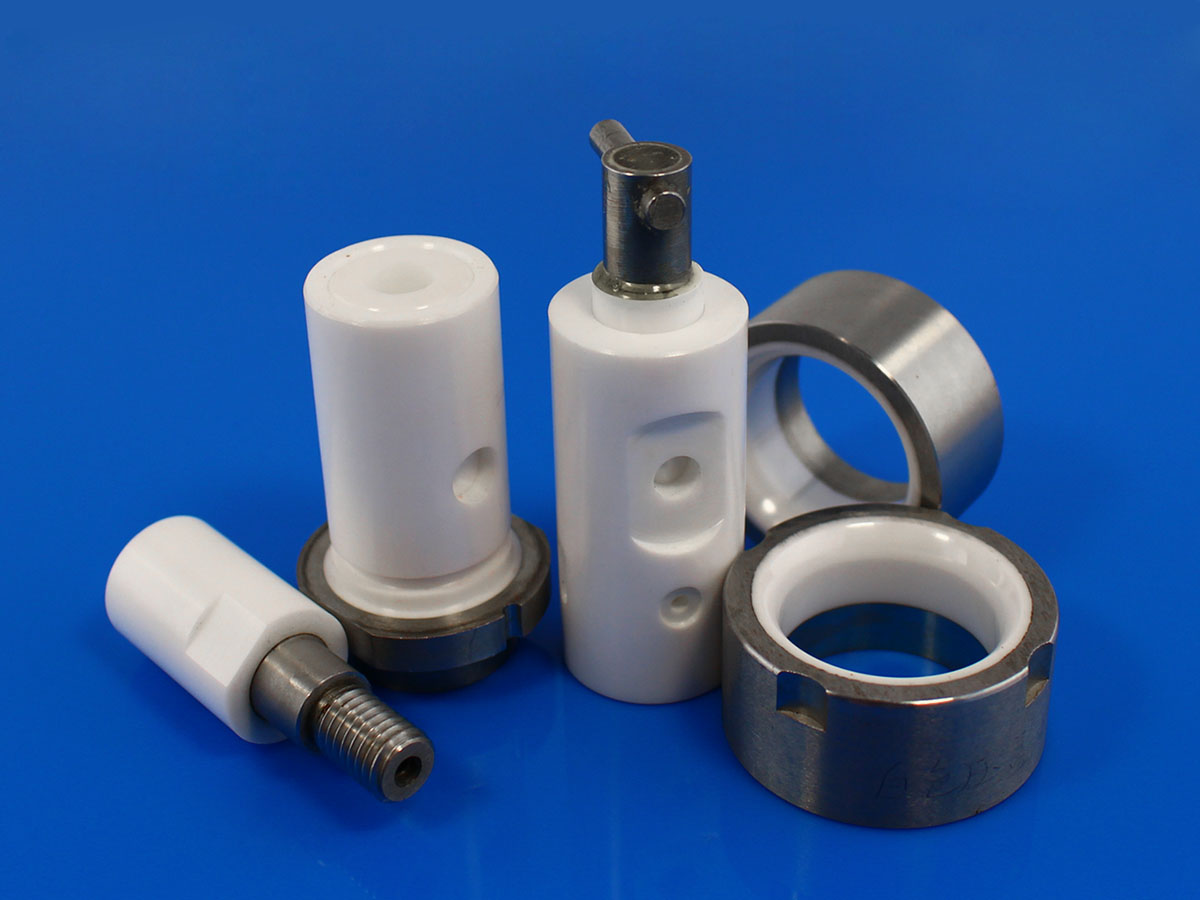
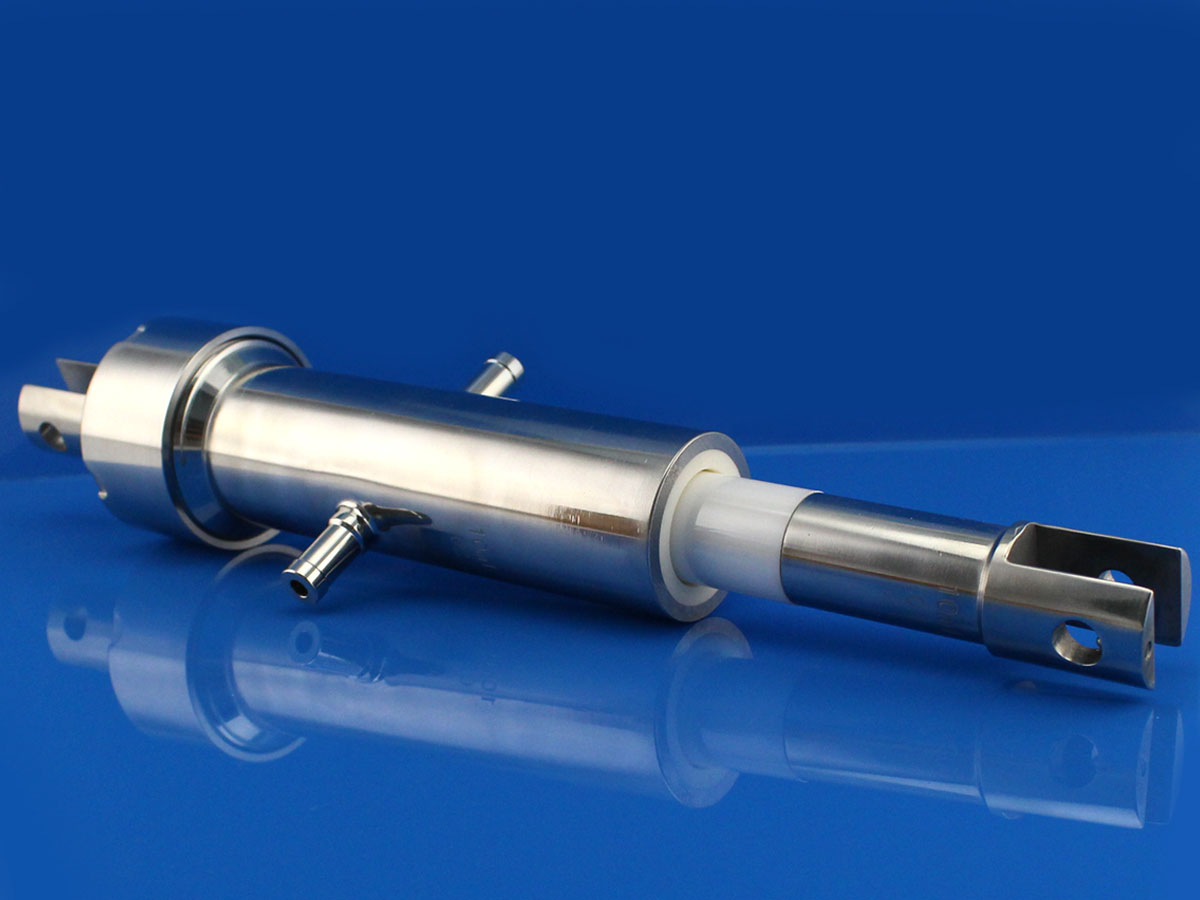
High-purity ceramic components provide stable, contamination-resistant performance in chemical processing and laboratory systems.Pump, Valve & Dosing Components
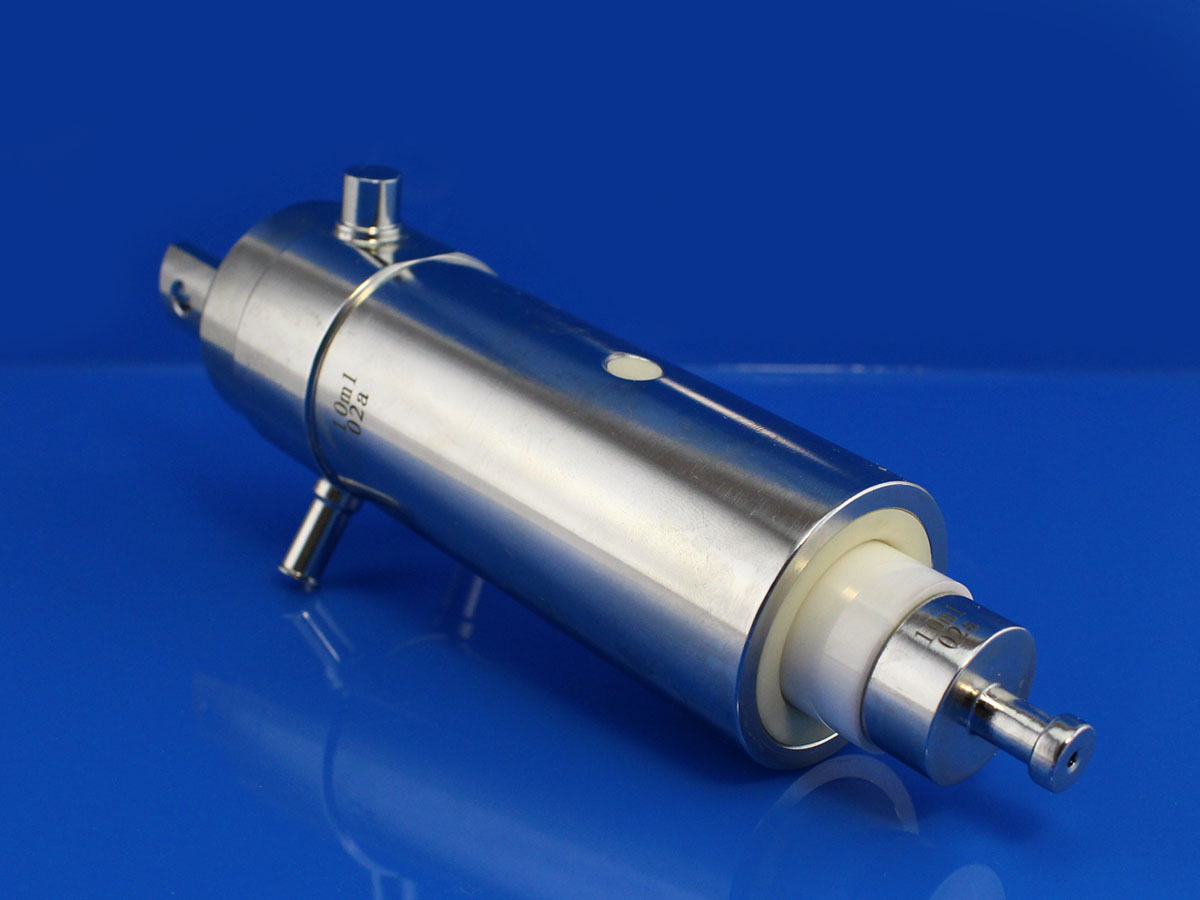
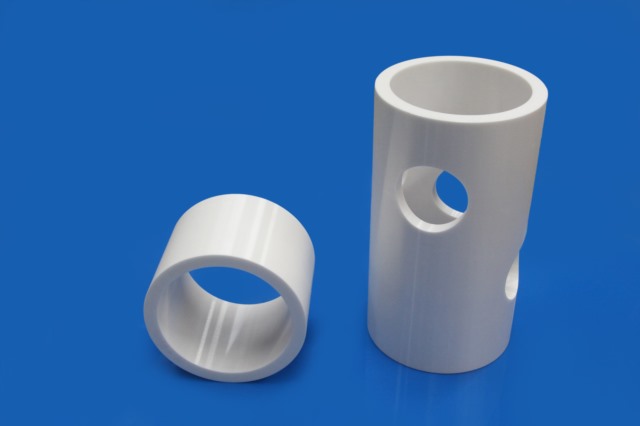
Ceramic plungers, cylinders and pump parts resist chemical attack while maintaining stable dimensional and sealing performance.Ceramic Tubes, Liners and Sleeves
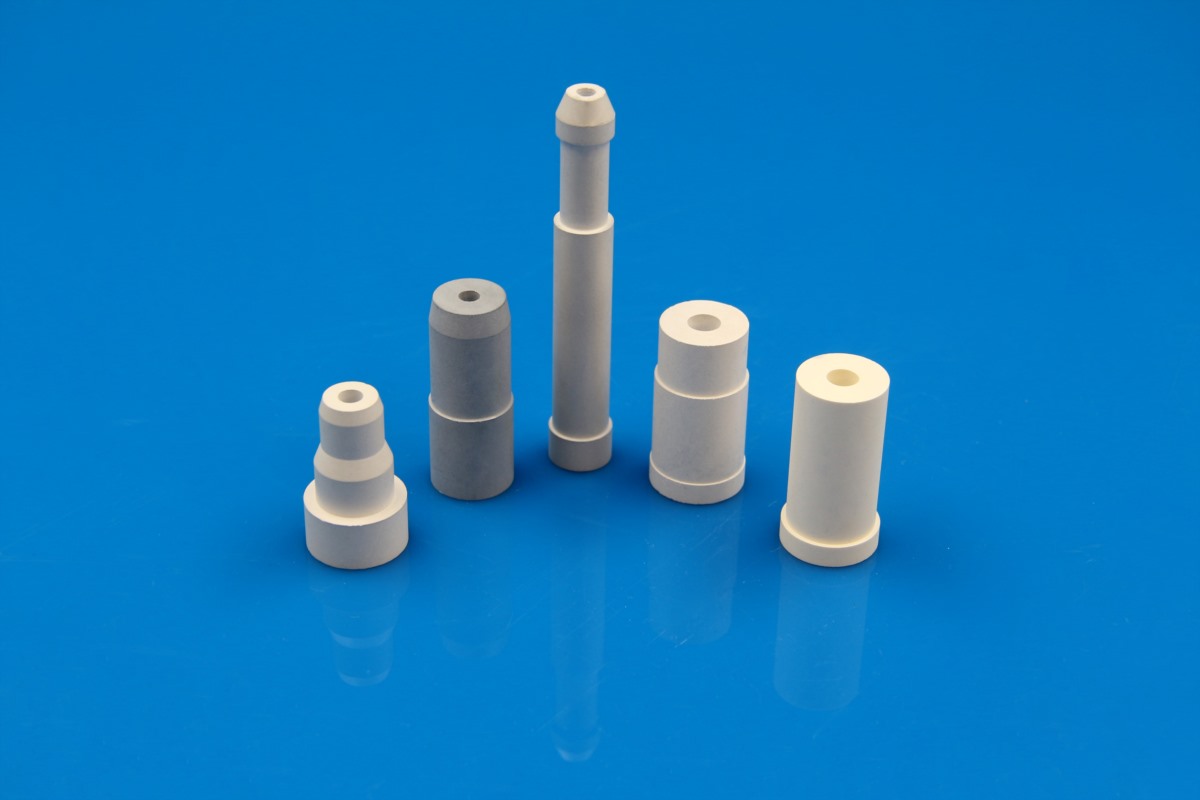
Ceramic tubes and liners protect equipment surfaces from acids, alkalis, solvents and corrosive process media.Ceramic Nozzles and Orifices
Precision ceramic nozzles maintain flow geometry and surface integrity when exposed to corrosive liquids or gases.Ceramic Valve Seats and Cores
Dense ceramic valve components provide chemical resistance, low wear and reliable sealing in aggressive fluid environments.Custom Corrosion-Resistant Parts
Custom ceramic parts are engineered around the chemical medium, temperature, pressure and required service life.Challenges & Ceramic Solution Selection
| Material | Best-fit role | Typical applications | Design notes |
|---|---|---|---|
| High-purity Alumina | Broad chemical resistance and low contamination | Process tubes, nozzles, insulators | Review strong acids/alkalis at temperature. |
| Zirconia | Dense, tough and cleanable | Pump parts, dosing components, valves | Useful where corrosion and wear occur together. |
| Silicon Carbide | Excellent chemical and wear resistance | Mechanical seals, nozzles, pump components | Grade and free-silicon content affect chemical behavior. |
| Boron Nitride | Non-wetting behavior in molten-metal service | Crucibles, break rings, nozzles | Best in vacuum/inert conditions; oxidation limits must be reviewed. |
| Porous Ceramics | Controlled filtration and diffusion | Gas distribution, filtration, sparging | Pore size, permeability and cleaning method are design inputs. |
Frequently Asked Questions
Can ceramics resist all corrosive media?
No. Selection depends on media, concentration, temperature and exposure time.Where is SiC suitable?
For high-temperature, high-wear and severe corrosive environments.Can complex flow channels be made?
Holes, grooves, channels and sealing surfaces can be evaluated by material and process.What information is needed?
Media, concentration, temperature, pressure, flow speed, drawings and quantity.Related ceramic products.
related products are matched to this engineering solution in the current catalog.
Start Your Engineering Review.
Provide your project details, development stage, operating conditions, expected annual volume and drawings (if available). Our engineers will review feasibility, recommend suitable materials and support the most efficient path from prototype to production.