

Pharmaceutical
Ceramic parts for pharmaceutical equipment where clean surfaces, wear life, chemical compatibility and repeatable motion matter.
Engineering requirements behind Pharmaceutical ceramic components
Pharmaceutical equipment often combines precision motion, abrasive powders or liquids, aggressive cleaning chemistry and strict cleanliness expectations. Ceramic components help reduce wear, maintain dimensional stability and lower contamination risk when the material, surface finish and tolerance are matched to the process.
- Cleanability and low particle generation
- Dosing and metering accuracy
- Wear and chemical resistance
- Surface finish and dimensional repeatability
- Cleaning, washdown or sterilization conditions
Where Ceramic Components Are Used in Pharmaceutical Equipment
Use this section to match your equipment type with typical ceramic parts and the key requirements we should review before quoting.
Dosing and metering systems
Powder and fluid handling
Analytical and process equipment
Engineering Review Notes for Pharmaceutical Ceramic Parts
Before recommending a ceramic material or manufacturing route, we need to understand how the part works inside the equipment. In pharmaceutical dosing, metering, powder handling and analytical systems, small details such as clearance, media contact, cleaning method and surface finish can change the best material choice.
Information to share before material review
- Drawing or sample photos with critical dimensions, fit and contact surfaces marked.
- Media contact details, including powders, liquids, solvents, cleaning agents or sterilization conditions.
- Motion and wear conditions, such as sliding, sealing, impact, rotation, dosing cycles or expected service life.
- Surface finish, tolerance, cleanliness, particle-control or contamination requirements.
- Quantity, prototype schedule and whether the part is for replacement, validation or production.
How we use this information
- Check whether alumina, zirconia, silicon carbide, porous ceramics or another ceramic material is the practical starting point.
- Review whether the geometry can be formed, fired, machined and finished within the required tolerance.
- Identify surfaces where roughness, roundness, flatness, sealing contact or edge condition may affect performance.
- Separate standard product opportunities from custom ceramic parts that need drawing review or prototype validation.
What Innovacera can support
Innovacera can help review ceramic material selection, manufacturability, tolerance risk, surface finish requirements and prototype-to-production planning for pharmaceutical equipment components.
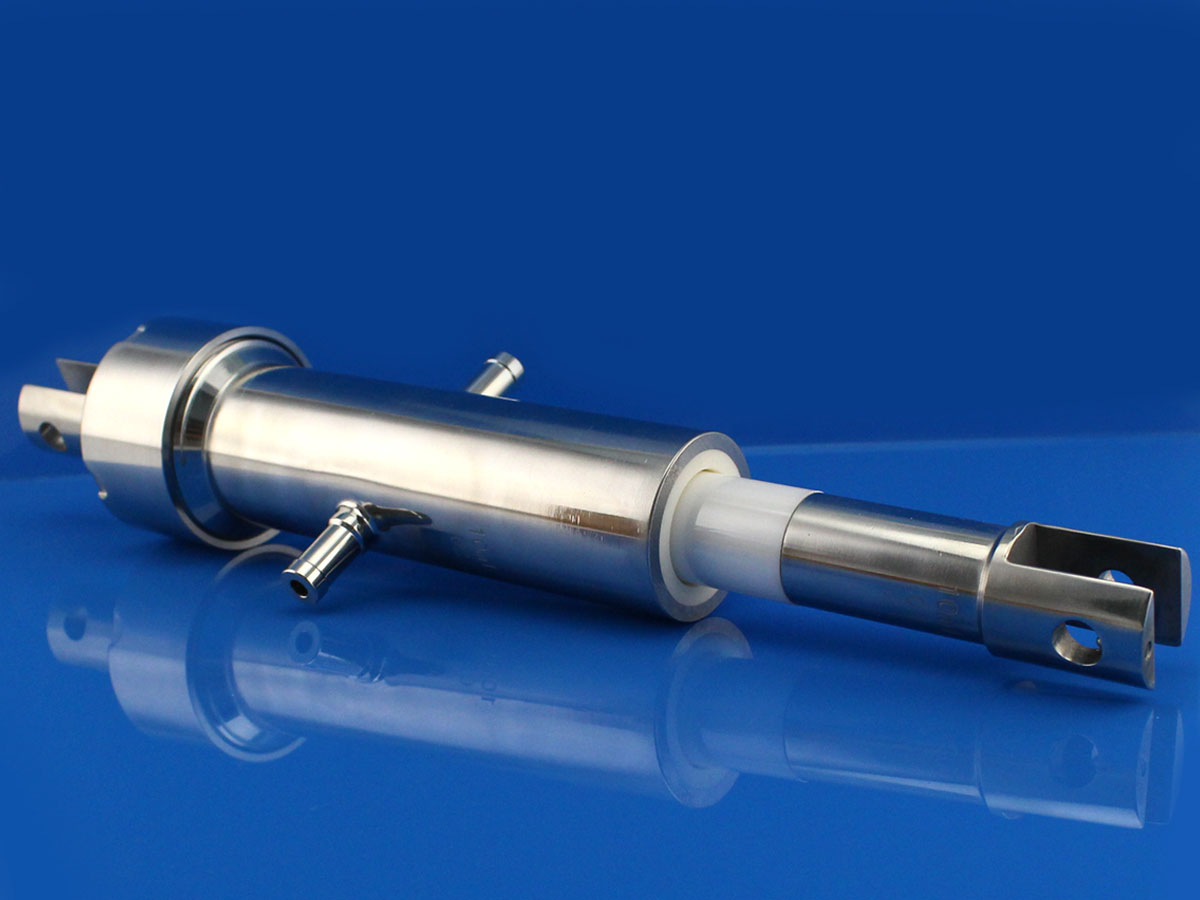
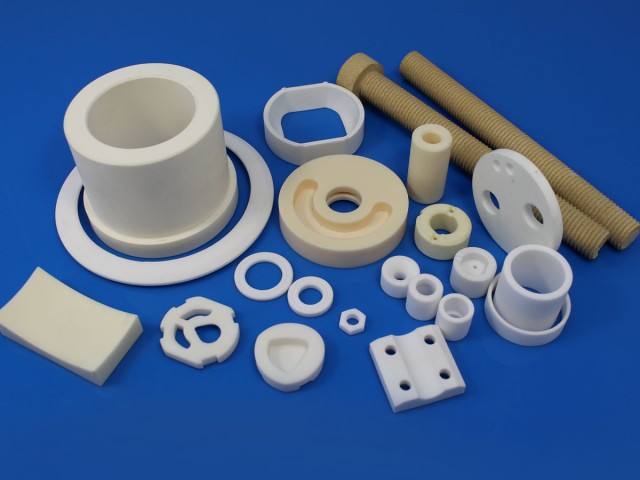
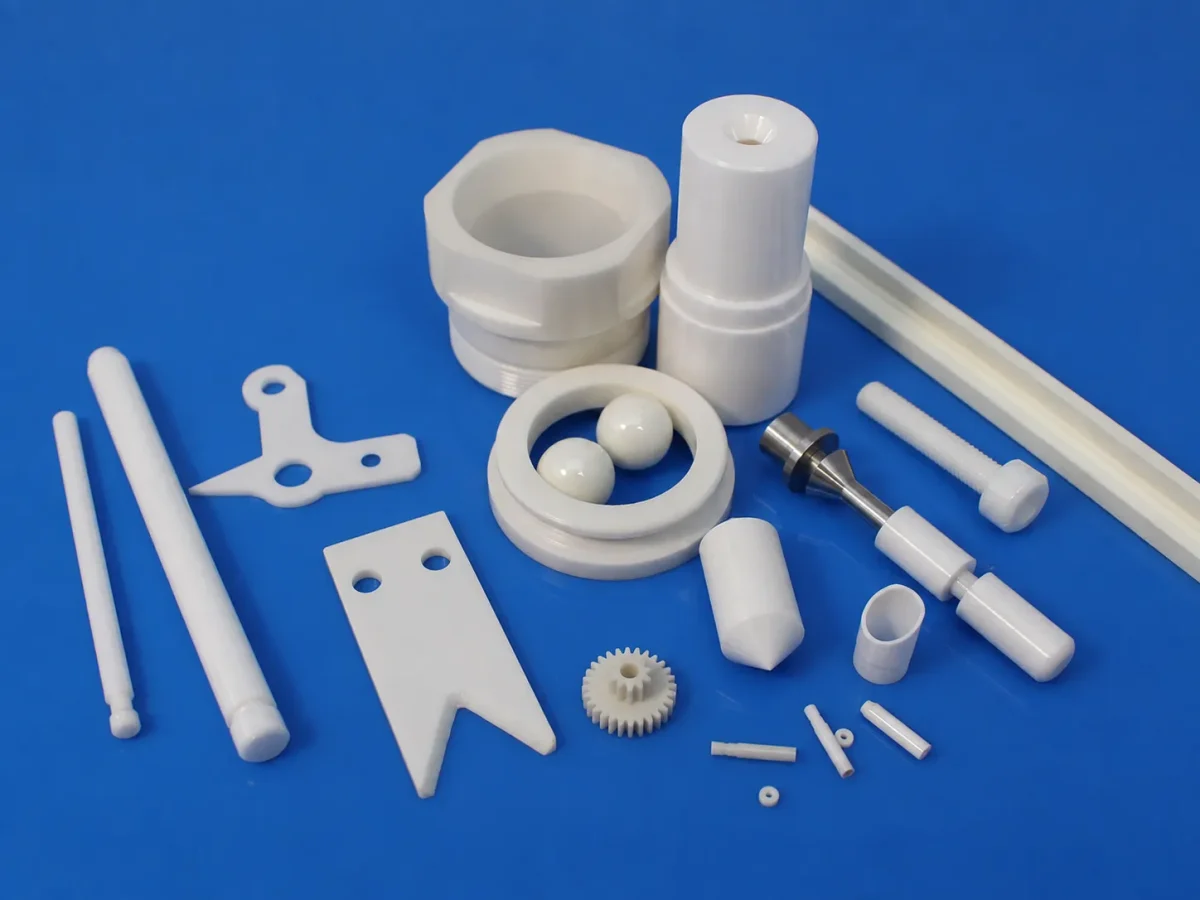
Related ceramic products.
3 related products are tagged to this application field in the current catalog. Use them as starting points for standard review or custom manufacturing discussion.
Start with the conditions. We will help review the ceramic path.
Share your operating conditions, performance requirements, and design challenges. We' Il help identify the optimal ceramic solution.