

Consumer & Household
Ceramic parts for consumer and household products where wear resistance, clean surfaces, heat resistance and stable performance improve product life.
Engineering requirements behind Consumer & Household ceramic components
Consumer products must balance performance, appearance, safety, cost and repeatable mass production. Ceramics can improve wear life, cutting performance, insulation or hygiene, but the material and geometry must fit the product design and production volume.
- Wear life and surface durability
- Clean contact surfaces
- Heat and electrical insulation
- Safe edge, fit and assembly design
- Production repeatability and cost control
- Zirconia for tough ceramic blades, cutters and polished wear surfaces
- Alumina for insulation, wear resistance and cost-effective technical parts
- Silicon nitride or silicon carbide for higher-strength wear and mechanical contact parts
- Porous ceramics for filtration, diffusion and controlled flow in appliances
Where Ceramic Components Are Used in Consumer & Household Equipment
Use this section to match your equipment type with typical ceramic parts and the key requirements we should review before quoting.
Cutting and grinding products
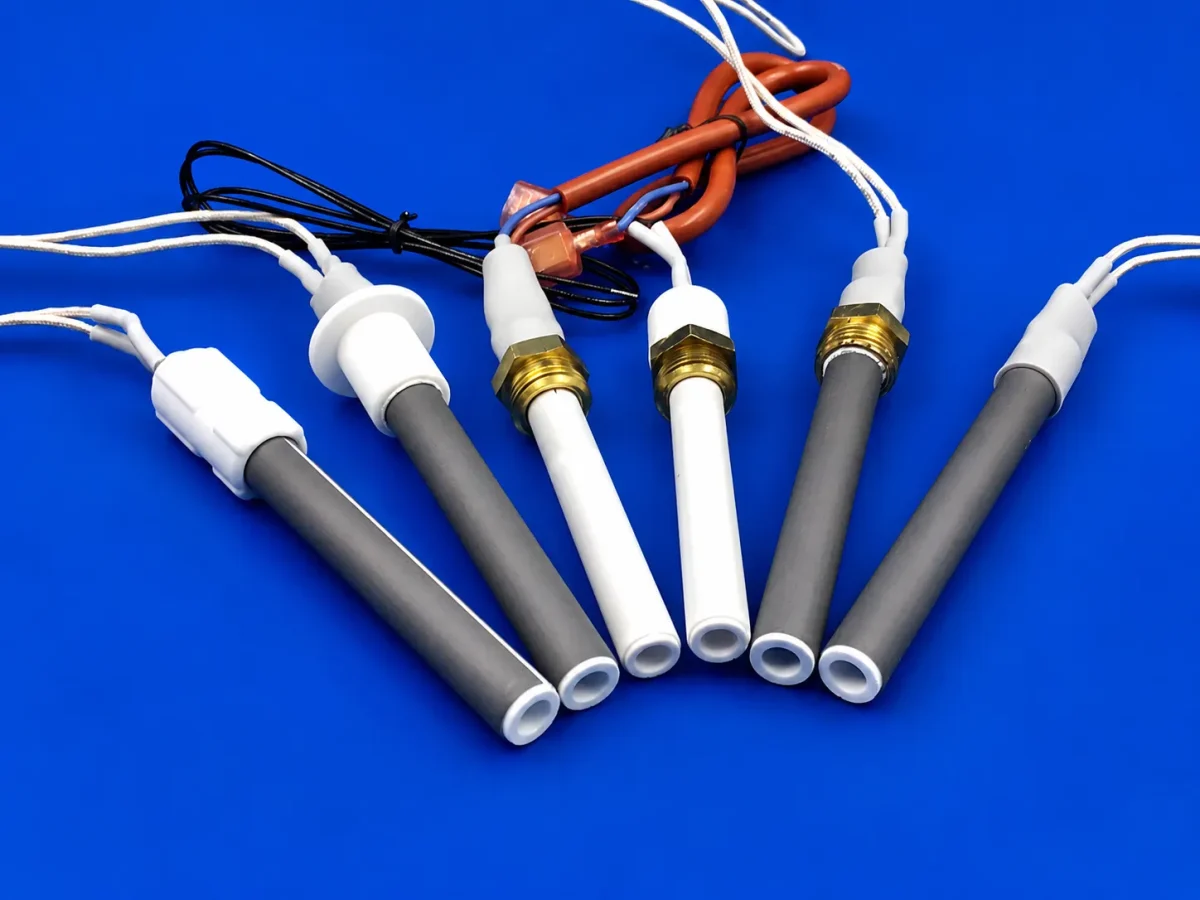
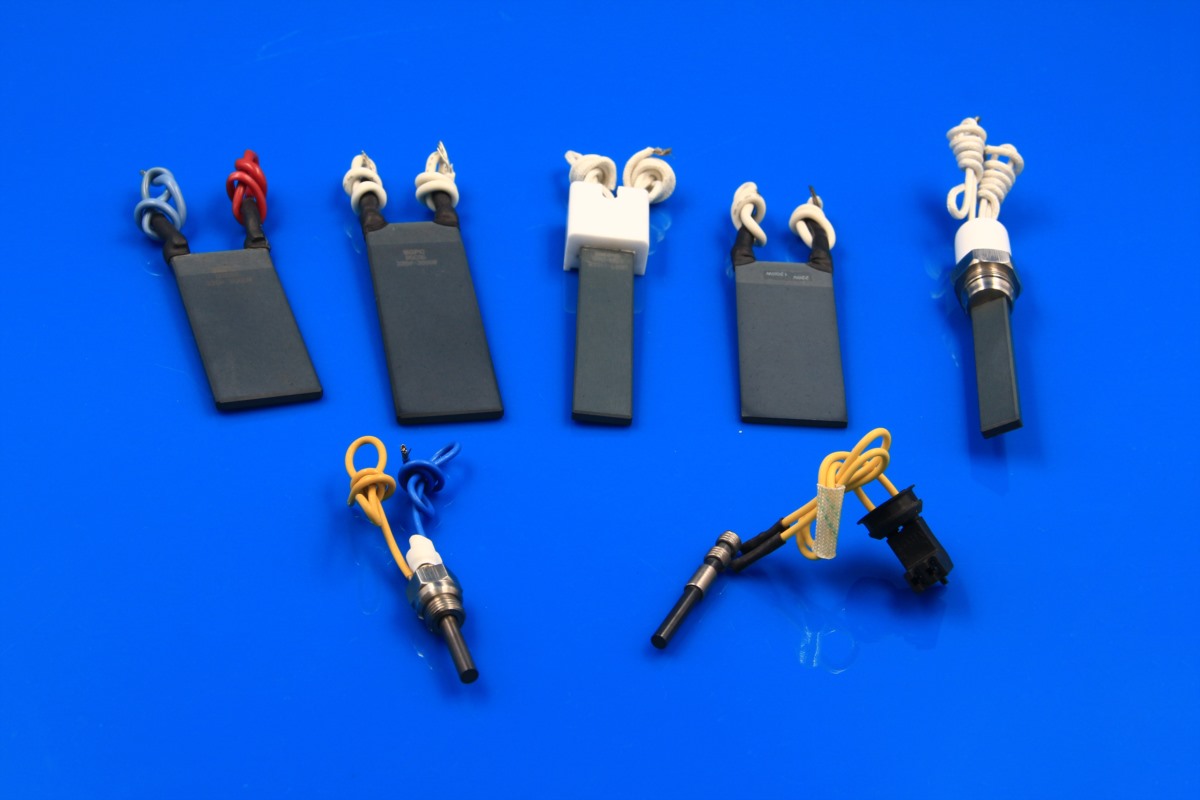
Appliance heating and insulation
Consumer fluid and wear systems
Engineering Review Notes for Consumer and Household Ceramic Parts
Consumer ceramic components need more than material performance. The part must also fit product appearance, assembly, safety, cost and repeatable production requirements.
Information to share before material review
- Product function, contact material, cleaning method, expected use cycle and failure mode of the existing part.
- Drawing, sample photo, critical surfaces, assembly constraints and visible cosmetic requirements.
- Target quantity, cost expectation, packaging or handling limits and prototype timeline.
- Food contact, electrical insulation, heat exposure, corrosion or wear conditions if applicable.
How we use this information
- Check whether zirconia, alumina, silicon nitride, silicon carbide or another ceramic is appropriate for the product function.
- Review manufacturability for thin edges, holes, polished surfaces, color expectations and assembly features.
- Identify whether a standard ceramic product can be adapted or a custom part is needed.
What Innovacera can support
Innovacera supports consumer product teams with material selection, prototype parts and scalable ceramic component production.
Related ceramic products.
4 related products are tagged to this application field in the current catalog. Use them as starting points for standard review or custom manufacturing discussion.

Start with the conditions. We will help review the ceramic path.
Share your operating conditions, performance requirements, and design challenges. We' Il help identify the optimal ceramic solution.