

Zirconia Toughened Alumina (ZTA)
ZTA ceramic material combining alumina hardness with zirconia toughness for wear-resistant and mechanically stronger ceramic parts.
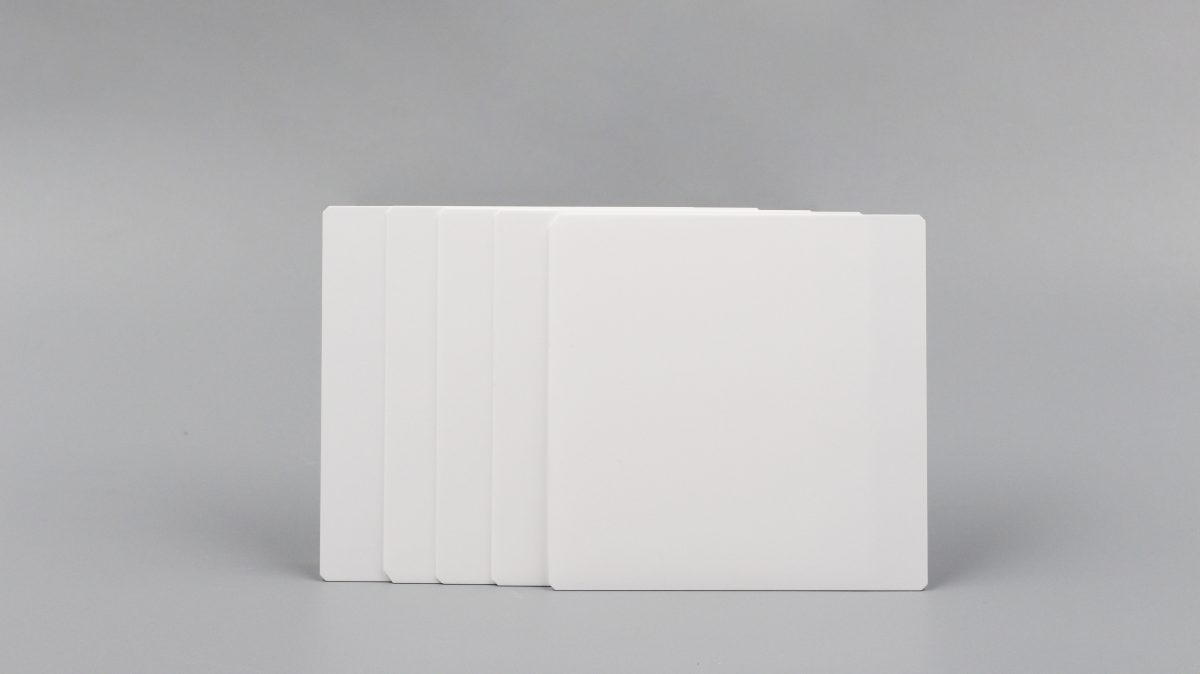
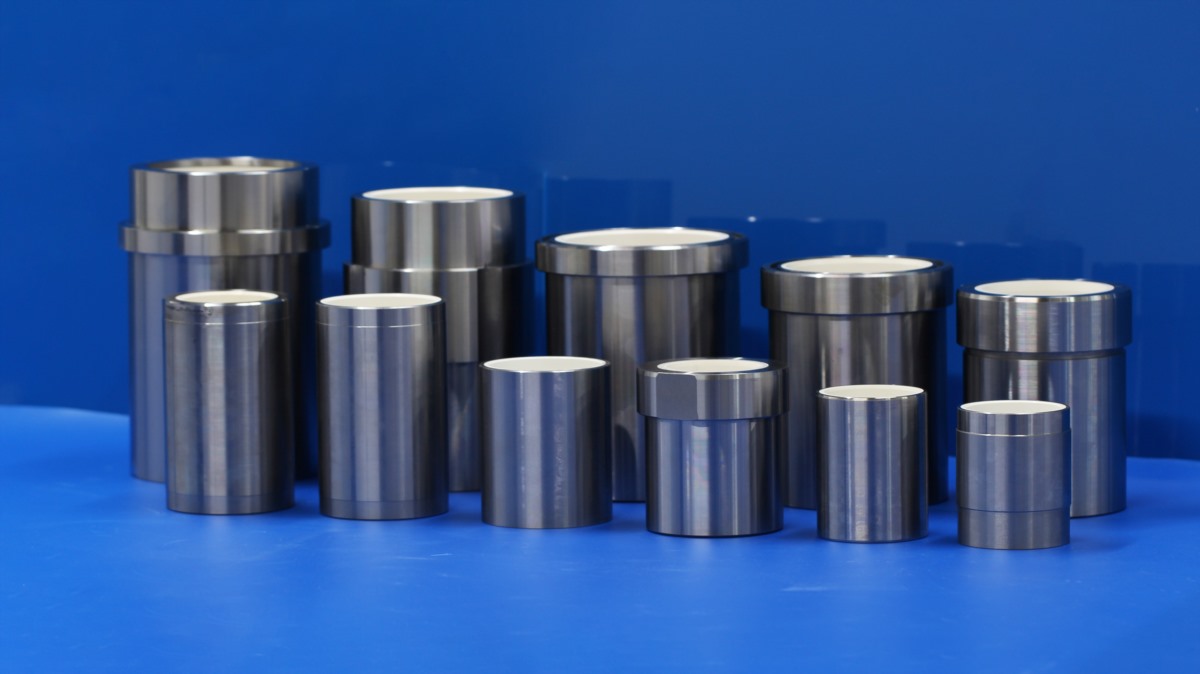
Zirconia Toughened Alumina (ZTA) ceramic components for demanding operating environments.
Zirconia toughened alumina improves the toughness of alumina while retaining good hardness and wear resistance. It is a useful material for components that need better damage tolerance than alumina and better cost control than full zirconia.
- Impact, wear and damage-tolerance requirement
- Why standard alumina is not enough and full zirconia may be excessive
- Pump, valve, guide, roller or liner contact condition
- Surface finish, tolerance and edge strength requirements
- Production volume, cost target and inspection requirements
Zirconia Toughened Alumina (ZTA) material overview
Zirconia toughened alumina improves the toughness of alumina while retaining good hardness and wear resistance. It is a useful material for components that need better damage tolerance than alumina and better cost control than full zirconia.
Key material advantages
- Better toughness than standard alumina
- Good hardness and wear resistance
- Good strength for mechanical parts
- Balanced performance and cost
Common ceramic components
- Wear sleeves and liners
- Ceramic guides and rollers
- Pump and valve components
- Custom ZTA precision parts
Typical application fit
- Industrial wear systems
- Medical and analytical devices
- Mechanical guide components
- Fluid handling equipment
How Innovacera supports this material
Innovacera helps select between ZTA, ATZ, alumina and zirconia based on impact load, wear pattern, size and production economics.
Information that helps us review an RFQ
Share drawings, working temperature, electrical or thermal requirements, media contact, tolerance targets and quantity so the Innovacera team can recommend a practical ceramic material and manufacturing route.
Related ceramic products.
2 related products are tagged to this material family in the current catalog.
Review Zirconia Toughened Alumina (ZTA) ceramic components for your operating conditions.
Share drawings, operating temperature, atmosphere or media contact, electrical, thermal or wear requirements, tolerance targets, quantity and expected service life. Innovacera can review the material grade, manufacturability, prototype path and production feasibility.