

Wear Resistance Ceramic Solutions
Hard ceramic components for sliding, guiding, grinding and repeated mechanical contact.
Wear Resistance Designing
Zirconia, silicon nitride, alumina and ZTA wear-resistant ceramic components for friction, impact, abrasive media and precision motion systems.
Friction, particles, impact, sliding or high-speed rotation
ZrO2, Si3N4, Al2O3 and ZTA
Shafts, guides, rollers, bearings, nozzles and wear plates
Textile, pumps, automation, semiconductor and precision machinery
Wear Mode Review
Identify whether wear is sliding, rolling, impact, particle erosion or combined wear.
Material Selection
Select ceramics according to toughness, hardness, surface roughness and impact load.
Surface Engineering
Reduce friction, snagging and local stress through polishing, chamfering and tolerance control.
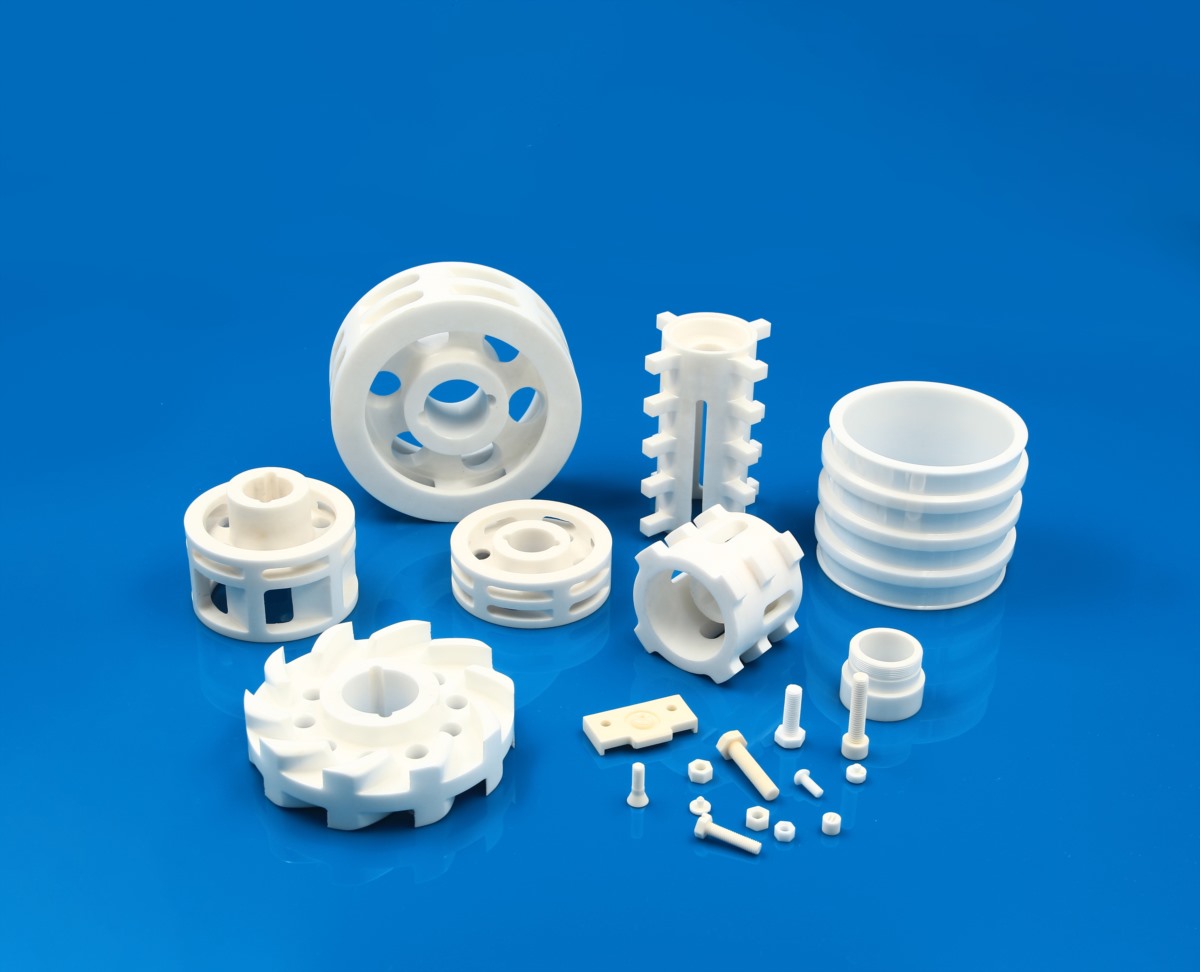
Product & Application Gallery

Material Selection Guide
| Material | Why It Is Used |
|---|---|
| Zirconia | Tough and wear resistant for shafts, plungers, guides and precision motion parts. |
| Silicon Nitride | High strength, thermal shock resistance and wear resistance for bearings and high-speed motion. |
| Alumina | Hard and cost-stable for textile guides, bushings and general wear parts. |
| ZTA | Combines alumina hardness with zirconia toughness for impact-wear conditions. |
Component Solutions
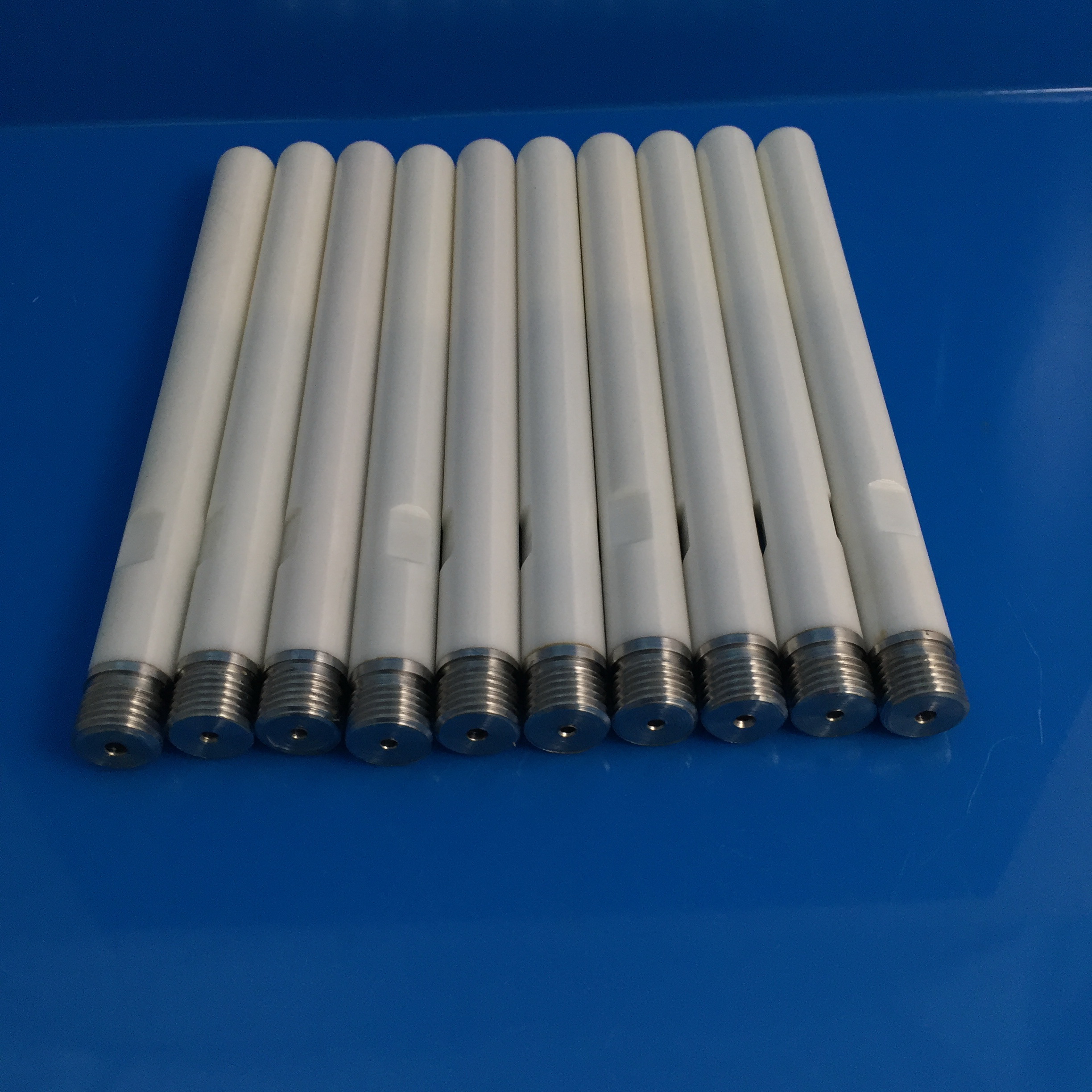
Ceramic shafts and guide pins
Precision-ground ceramic shafts and guide pins resist abrasive wear, maintain alignment and support reliable motion in high-cycle equipment.
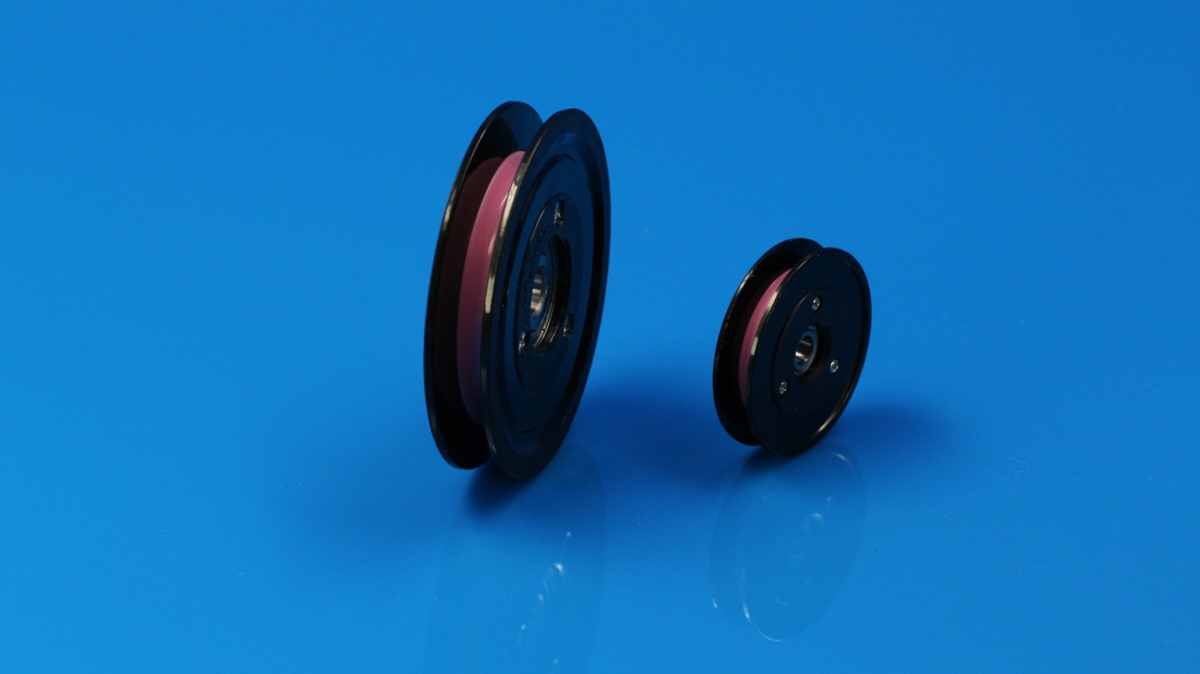
Textile ceramic guides and rollers
Smooth, wear-resistant ceramic guides and rollers reduce yarn friction, protect fiber quality and extend service life in textile machinery.
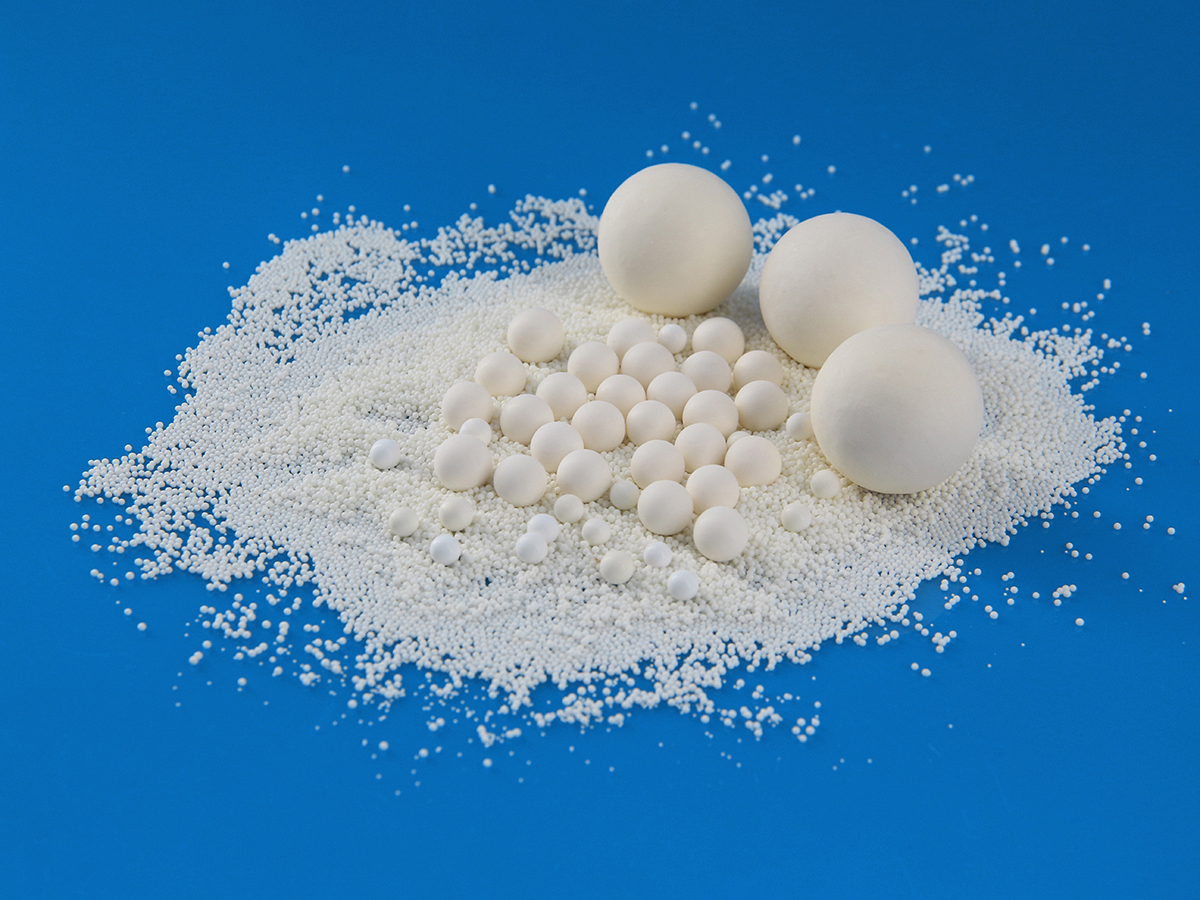
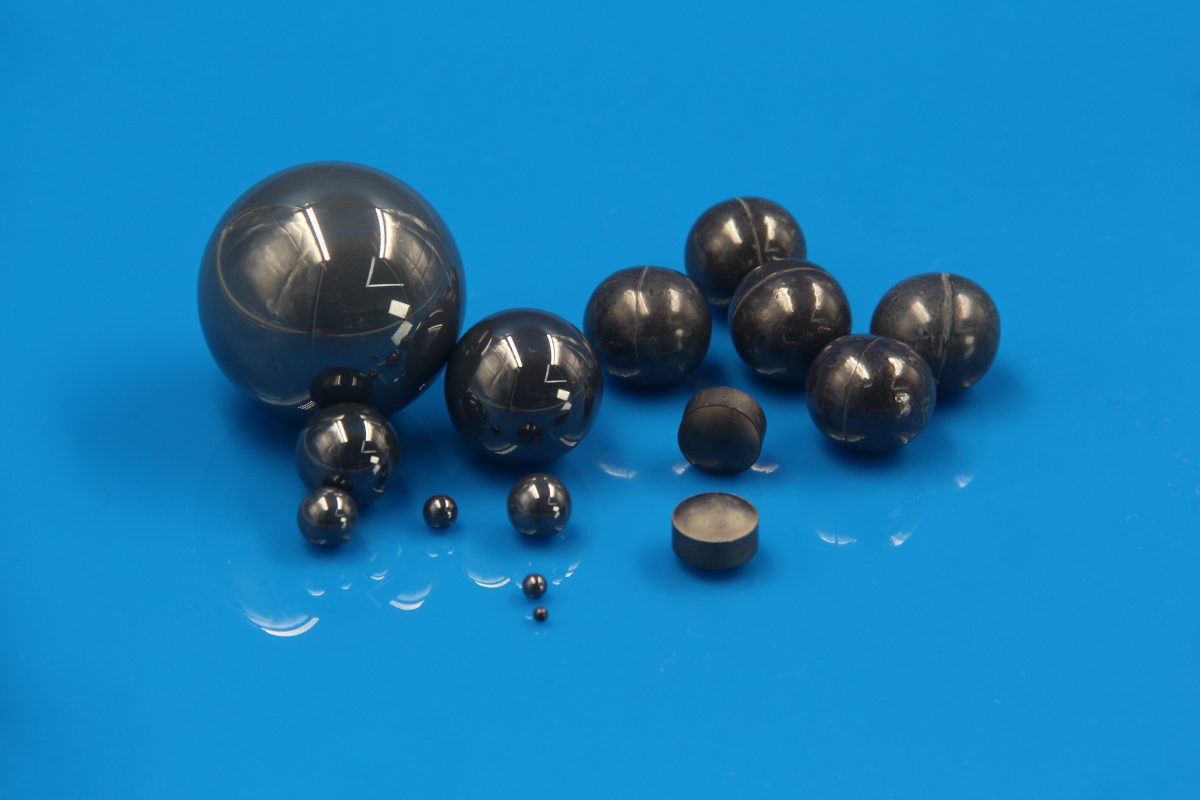
Ceramic bearings and balls
Lightweight ceramic bearings and balls provide low friction, high hardness and stable performance under speed, load and repeated mechanical contact.
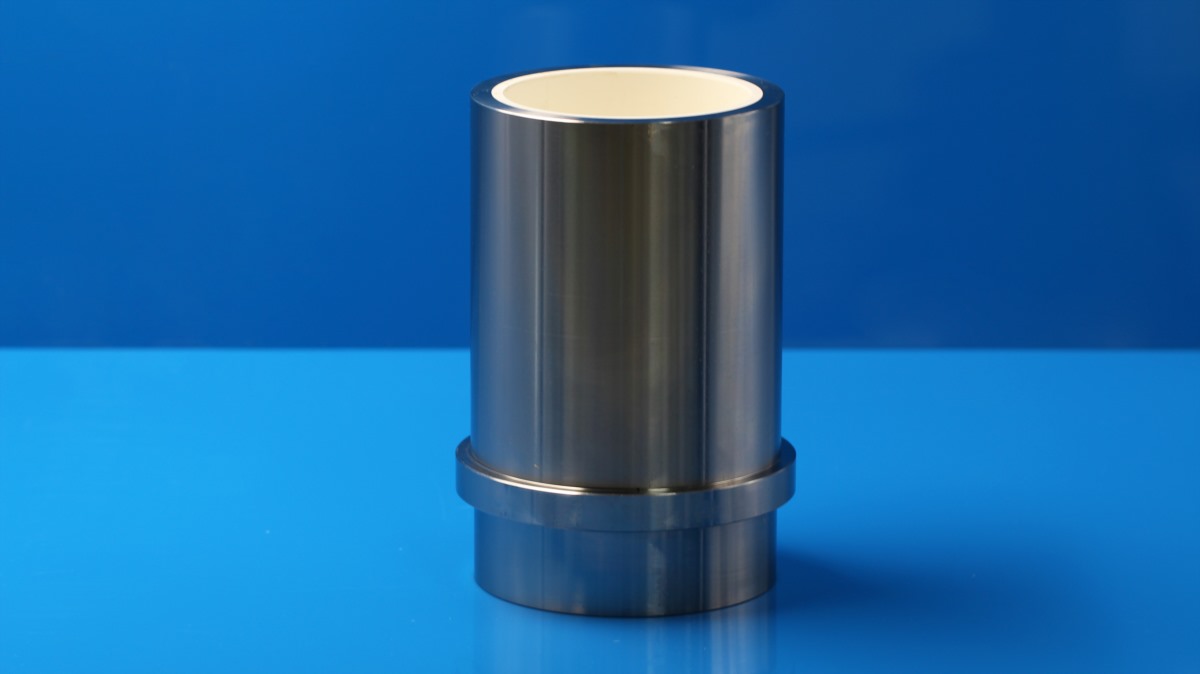
Pump and valve wear parts
Ceramic plungers, sleeves, seats and valve components resist abrasion and maintain sealing accuracy in demanding fluid-handling systems.
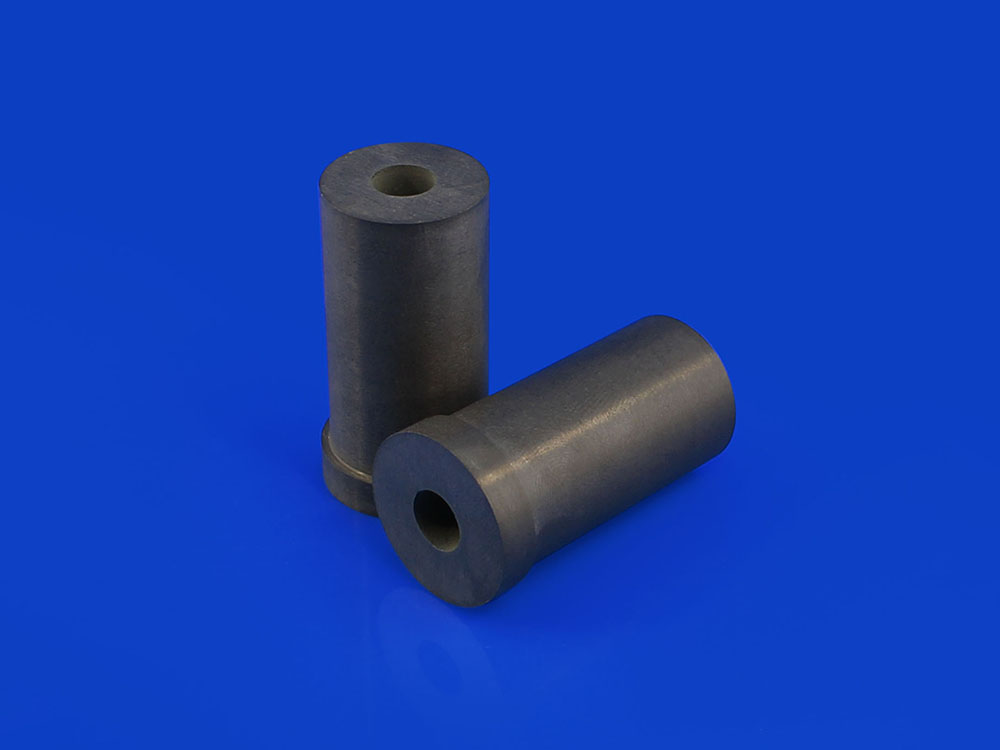
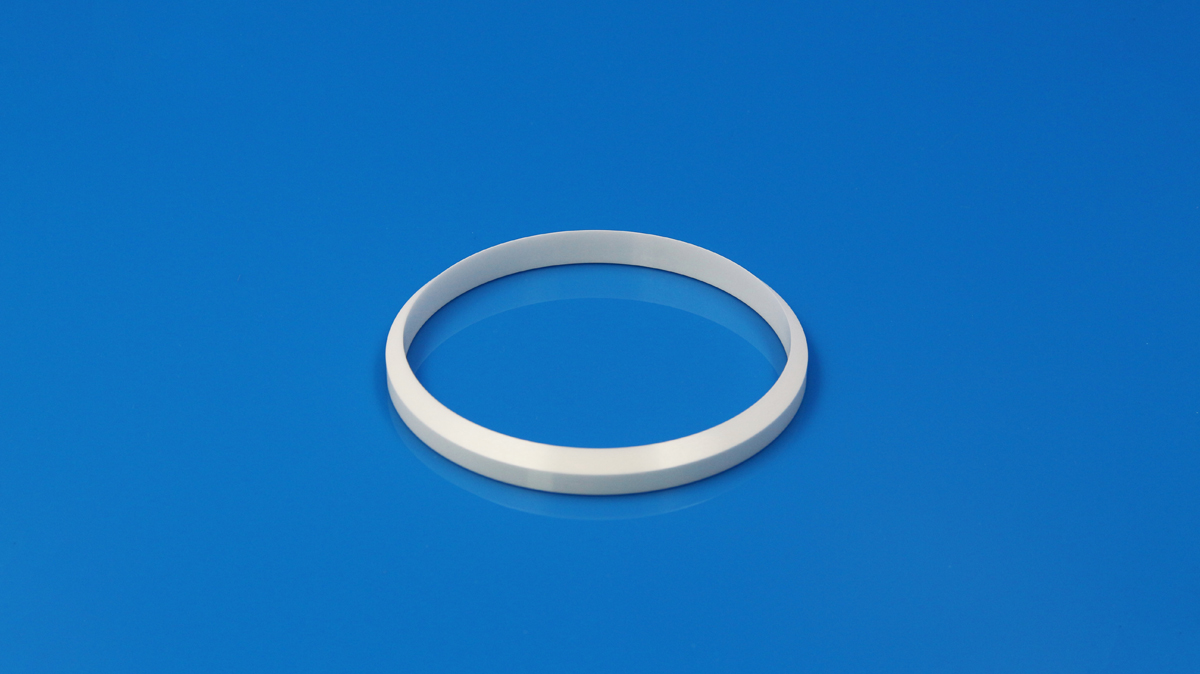
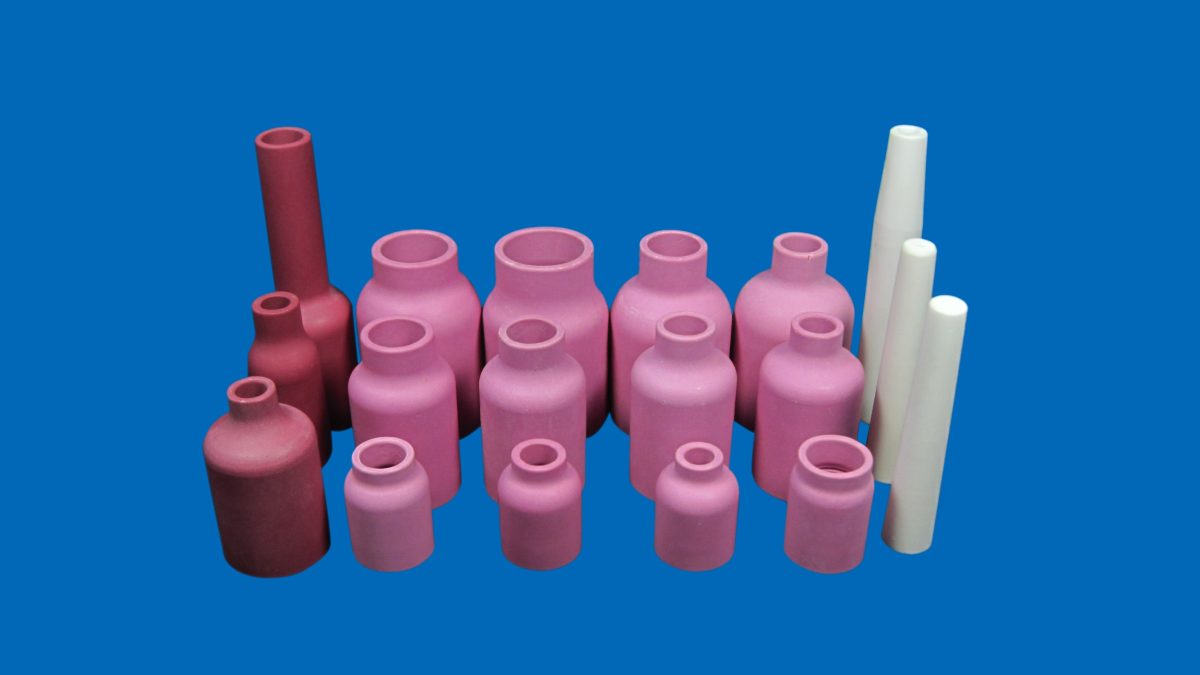
Ceramic nozzles and bushings
Wear-resistant ceramic nozzles and bushings maintain dimensional accuracy under particle flow, sliding contact and continuous industrial operation.
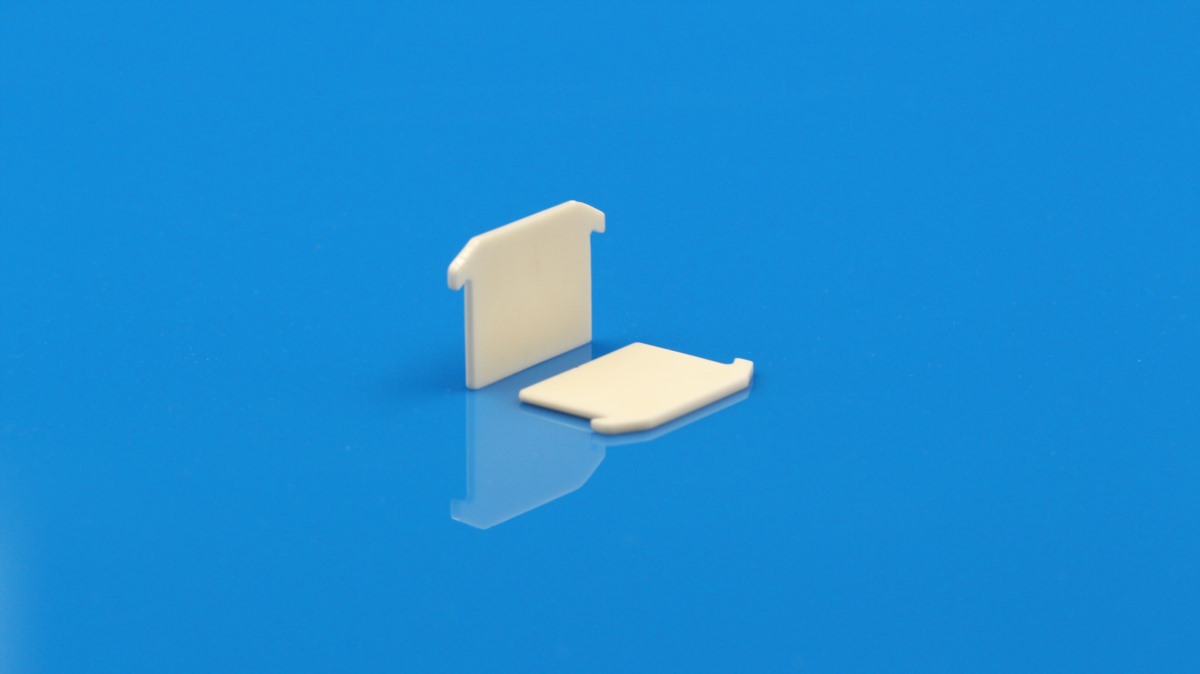
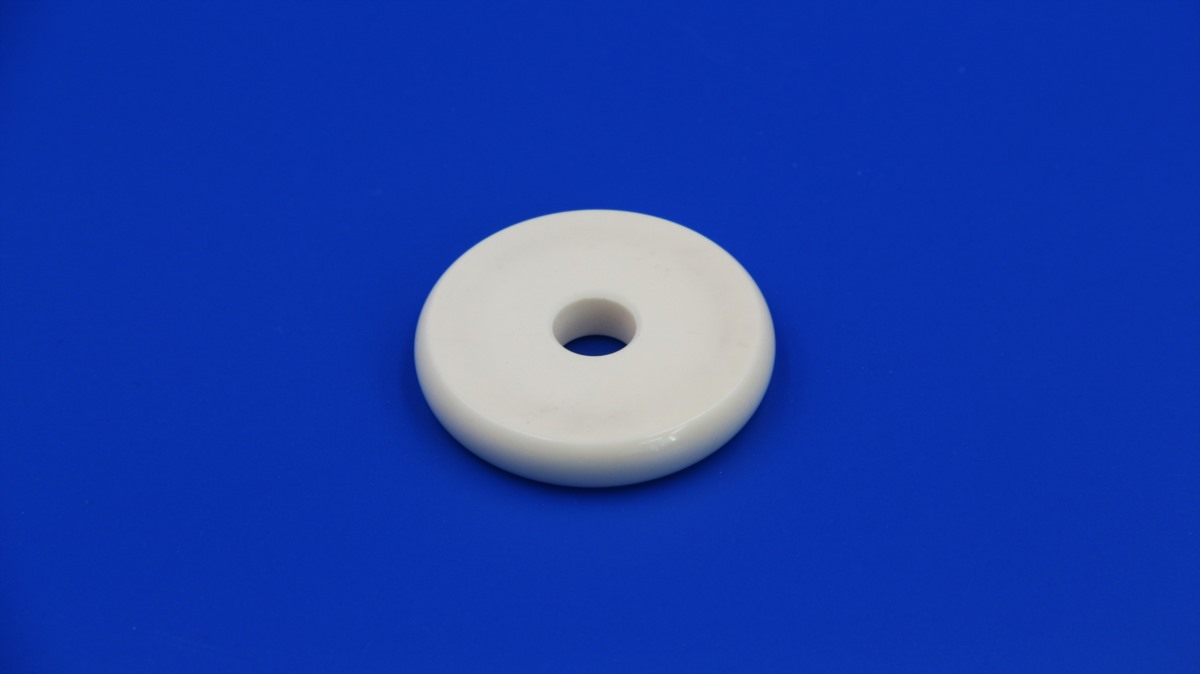
Precision ceramic positioning parts
Precision ceramic locating and positioning parts retain repeatable geometry and stable reference surfaces in automated and high-cycle assemblies.
Challenges & Ceramic Solution Selection
A problem-oriented guide for selecting ceramic materials and component structures according to the operating conditions, reliability targets and application requirements.
| Customer Challenge | Recommended Ceramic Solution |
|---|---|
| Short metal-part lifetime | Replace high-wear contact areas with zirconia or silicon nitride. |
| Fiber wear or snagging | Use polished alumina or zirconia textile ceramics. |
| High-speed friction heat | Evaluate silicon nitride or precision-polished ceramic structures. |
| Low particle generation required | Select dense, low-wear ceramics with high surface quality. |
Frequently Asked Questions
Are wear-resistant ceramics always better than metals?
Often in friction, abrasive and clean-contact applications, but impact and assembly must be reviewed.
How to choose zirconia or alumina?
Zirconia has higher toughness; alumina offers high hardness and stable cost.
Is surface roughness important?
Yes. Guides, sliding parts and sealing surfaces often require precision polishing.
Can parts be made to drawing?
Yes. Holes, grooves, chamfers, outer diameters and precision dimensions can be customized.
Related ceramic products.
related products are matched to this engineering solution in the current catalog.
Start Your Engineering Review.
Provide your project details, development stage, operating conditions, expected annual volume and drawings (if available). Our engineers will review feasibility, recommend suitable materials and support the most efficient path from prototype to production.