Product family

Metallized Ceramics

Related products 8 products in the current catalog
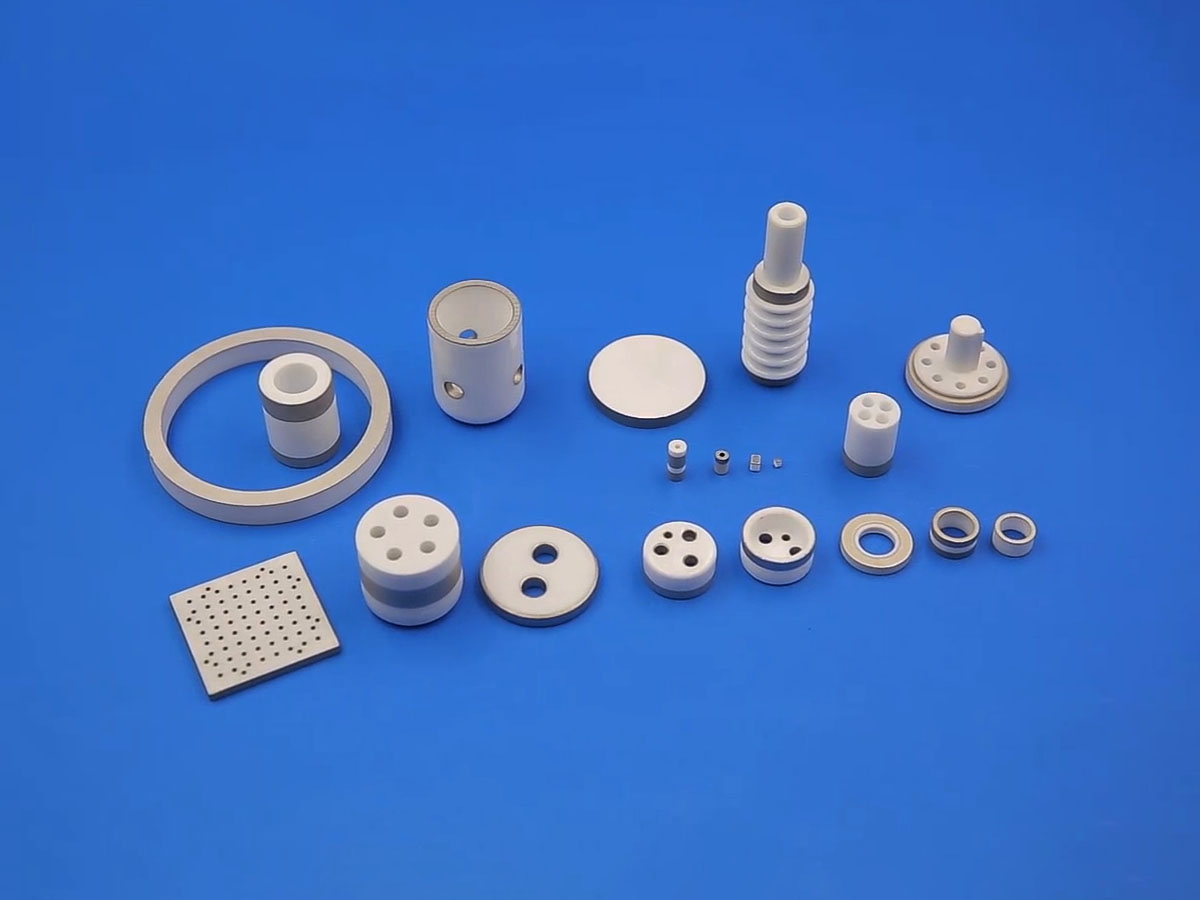
Common forms rings, substrates, packages, insulators
Current catalog

Related products

Back to product categories
Metallized Ceramics

Metallized Ceramics

More Details
Metallized Ceramic Cylinders for Vacuum Interrupters &Capacitors

Metallized Ceramic Cylinders for Vacuum Interrupters &Capacitors

More Details
Metalized Ceramic Coil Bodies

Metalized Ceramic Coil Bodies

More Details
Metallized ceramic bushings and Ceramic to Metal Assemblies

Metallized ceramic bushings and Ceramic to Metal Assemblies

More Details
Thick Film Metallized Ceramic

Thick Film Metallized Ceramic

More Details
Metallized Ceramic Insulators

Metallized Ceramic Insulators

More Details
Metallised Ceramic Rings for Image Intensifier Tubes(IIT)

Metallised Ceramic Rings for Image Intensifier Tubes(IIT)

More Details
Applications for Metallized Ceramic Substrates

Applications for Metallized Ceramic Substrates

More Details
Application Scenarios

Metallized Ceramics for Hermetic Joining, Electrical Insulation and Thermal Management

The Applications module now uses a consistent product-photo system: metallized ceramic products are displayed on unified Innovacera blue backgrounds, while the original application descriptions and module sequence remain unchanged.

01

Vacuum Interrupters & High-Voltage Switching

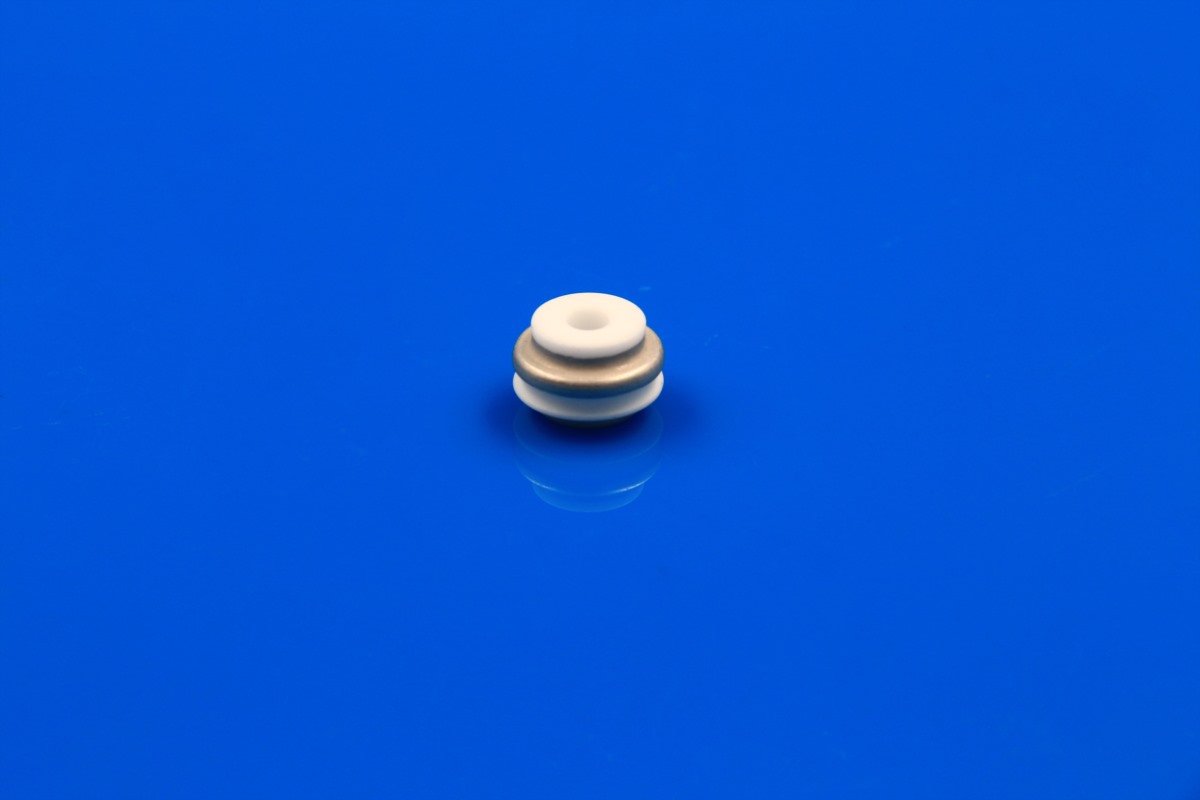
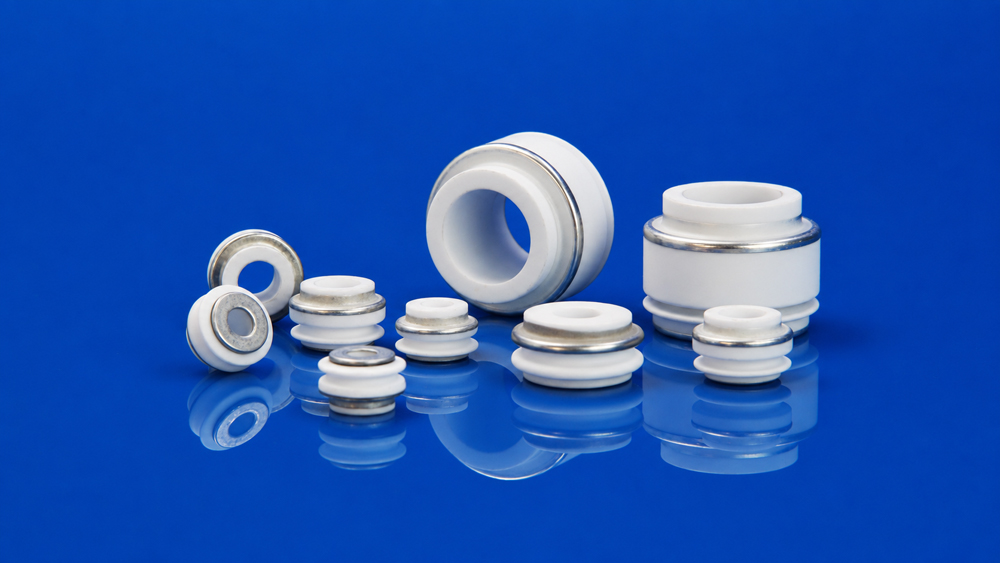
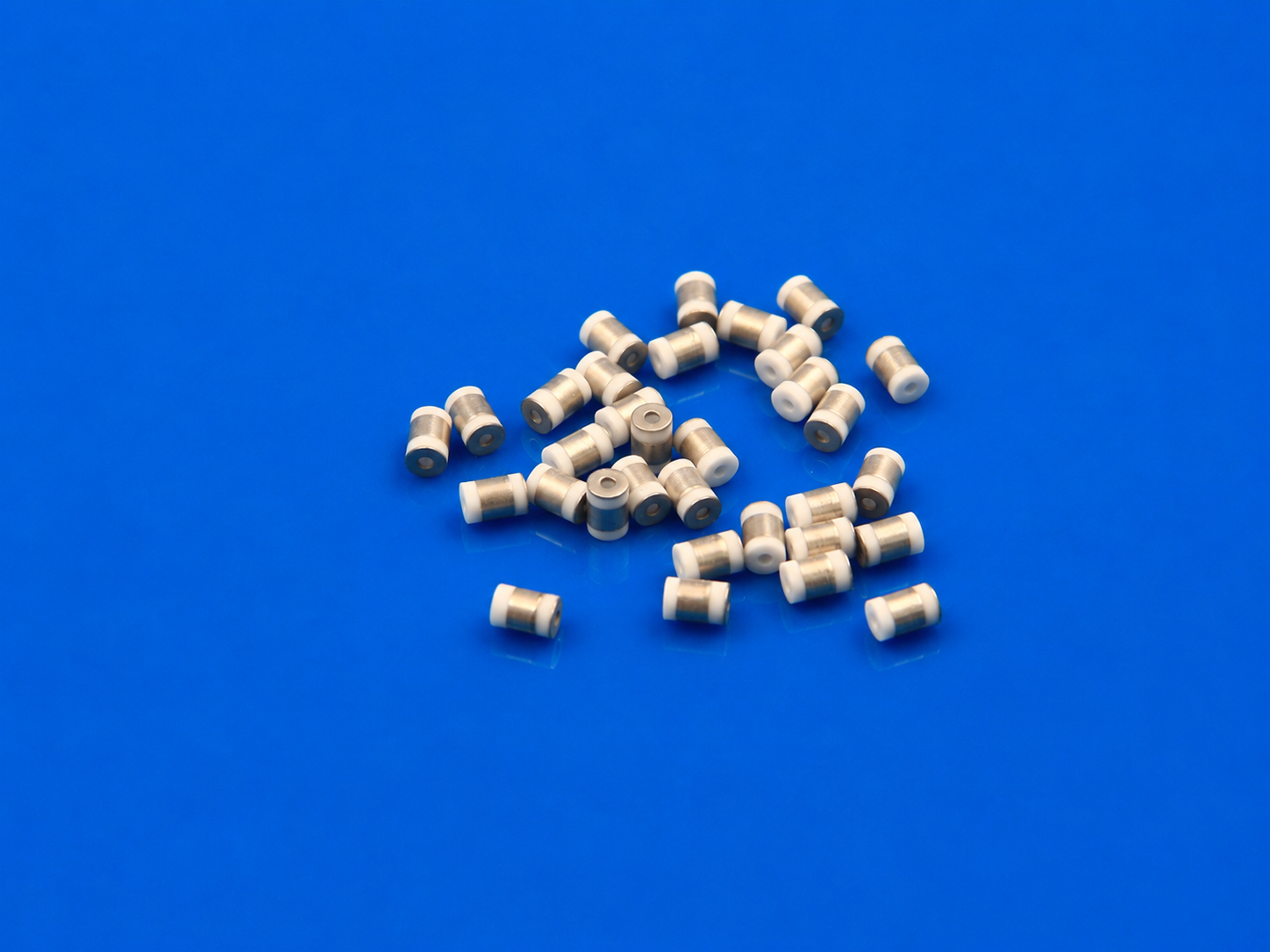
Metallized alumina cylinders, rings and insulating bodies provide a controlled joining surface for vacuum interrupters, power switches, traveling-wave tubes and X-ray tube assemblies. The ceramic maintains electrical isolation while the metallized edge supports brazing to the surrounding metal structure.

Explore Metallized Ceramics
Metallized ceramic bushing product for vacuum and high-voltage assemblies

Metallized Ceramic Bushing

02

Semiconductor, Laser & Optoelectronic Packages

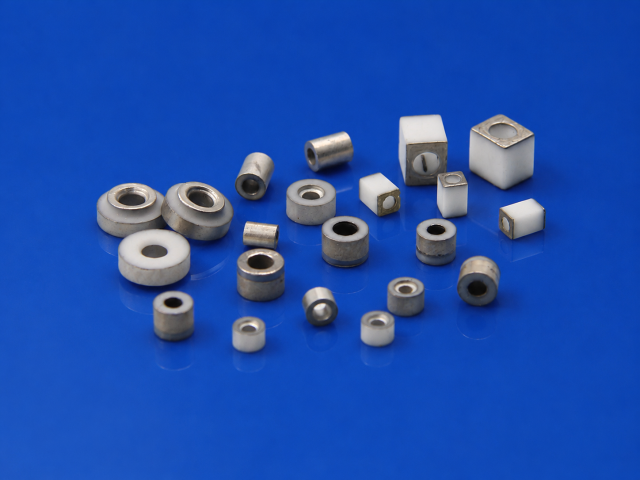
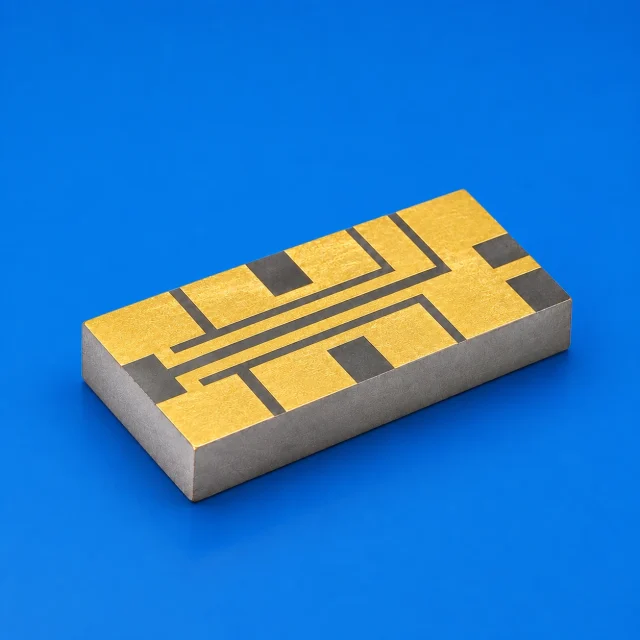
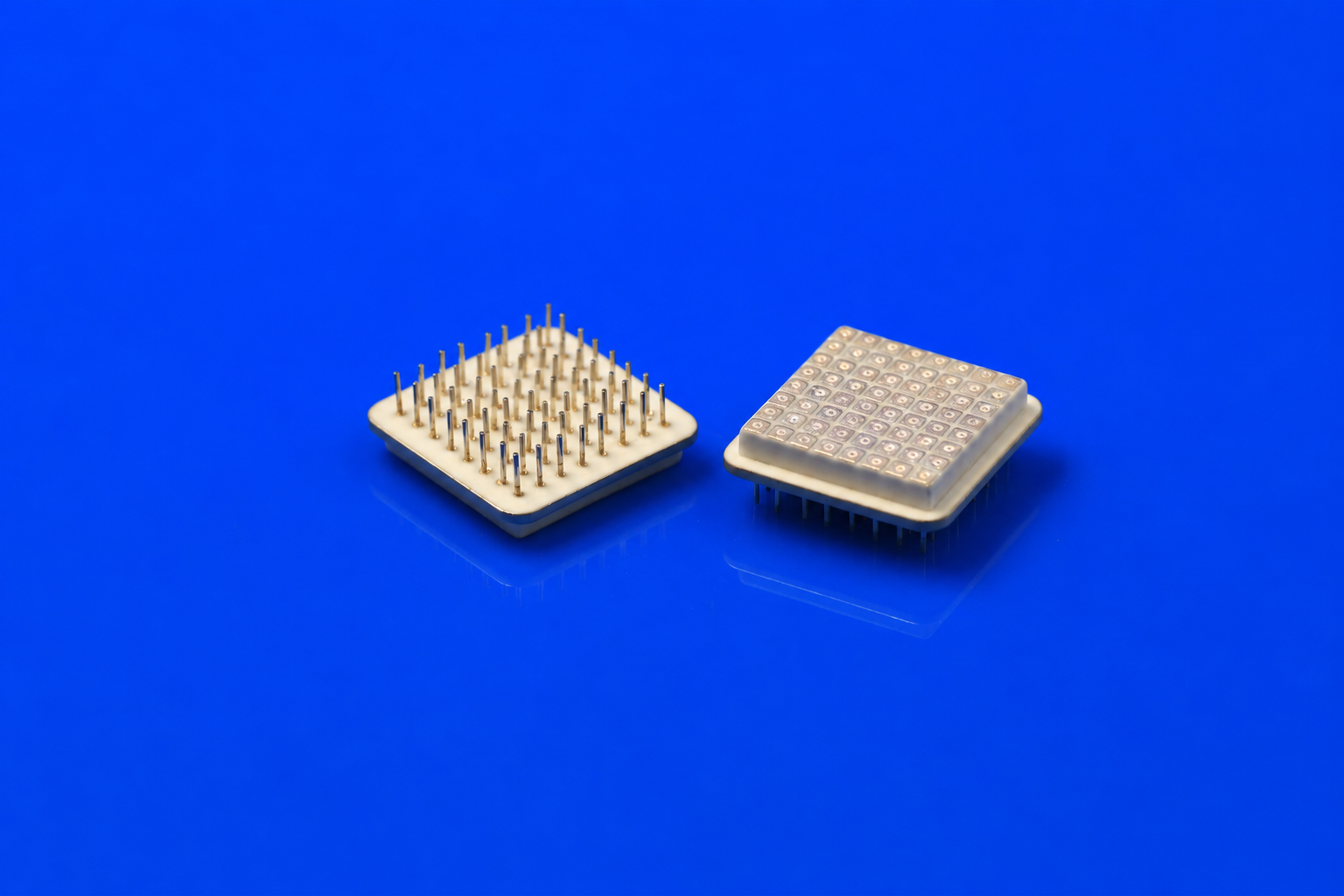
Metallized ceramic insulators are used in semiconductor packages, TO housings, RF module shells, fiber-optic device packages and laser assemblies. Selective metal areas create dependable electrical terminals and joining zones without sacrificing insulation, dimensional stability or corrosion resistance.

Miniature metallized ceramic product components for electronic packages

Metallized Electronic Components

03

Image Intensifier & Medical Imaging Tubes

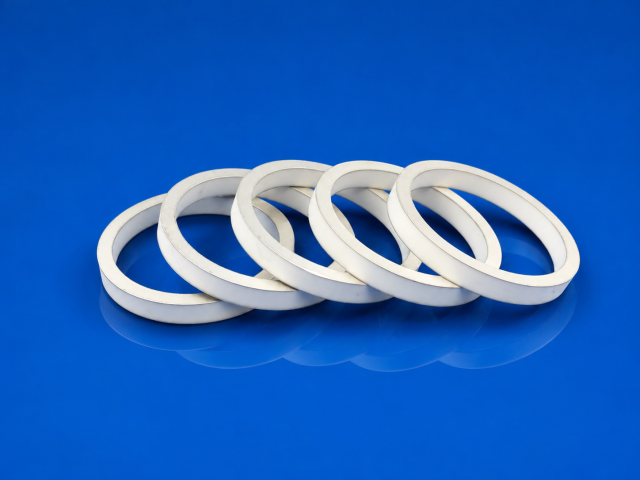
Precision alumina rings with Mo-Mn metallization and nickel plating can form electrode paths, positioning interfaces and vacuum-sealing surfaces in image intensifier tubes. Custom diameters, thicknesses and metallization patterns support night-vision, spectroscopy and medical imaging designs.

View Metallized Ceramic Rings
Metallized alumina ceramic ring and disc products

Metallized Ceramic Rings & Discs

04

Power Electronics & DBC Thermal Management

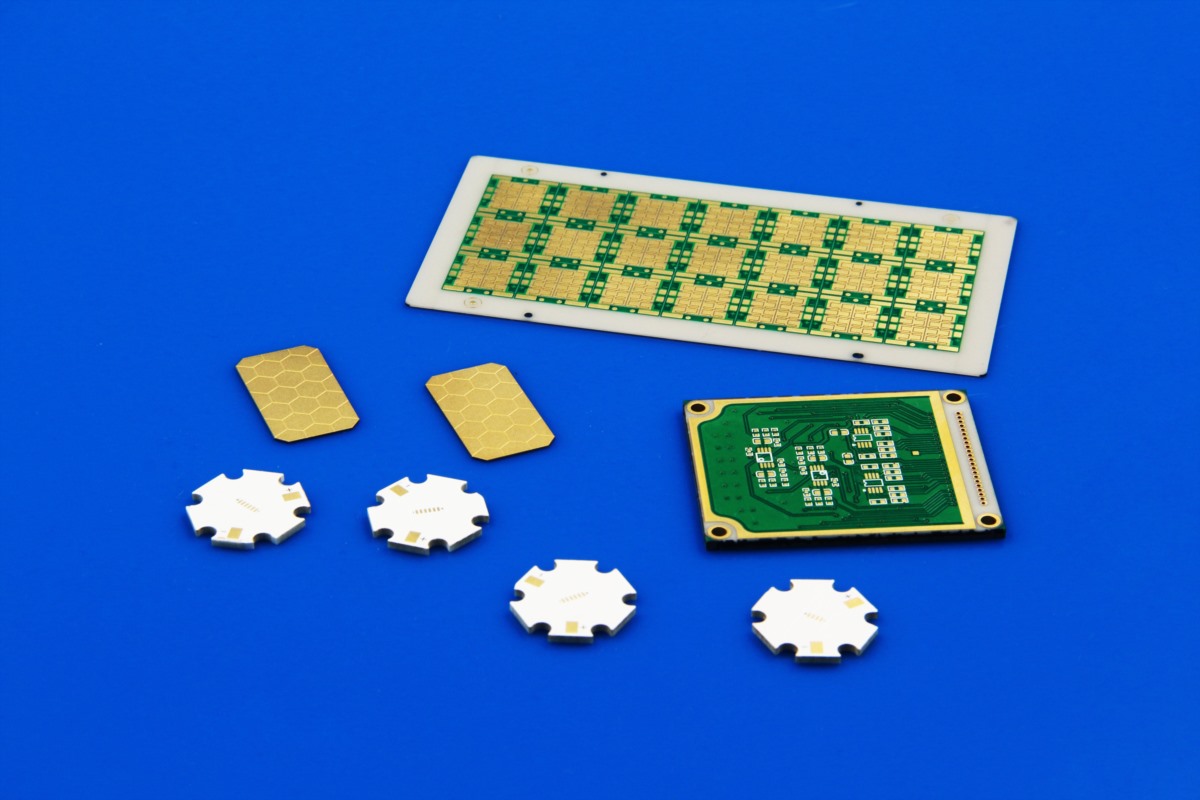
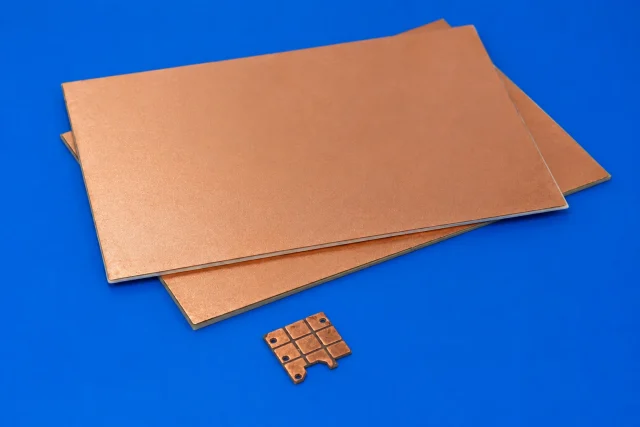
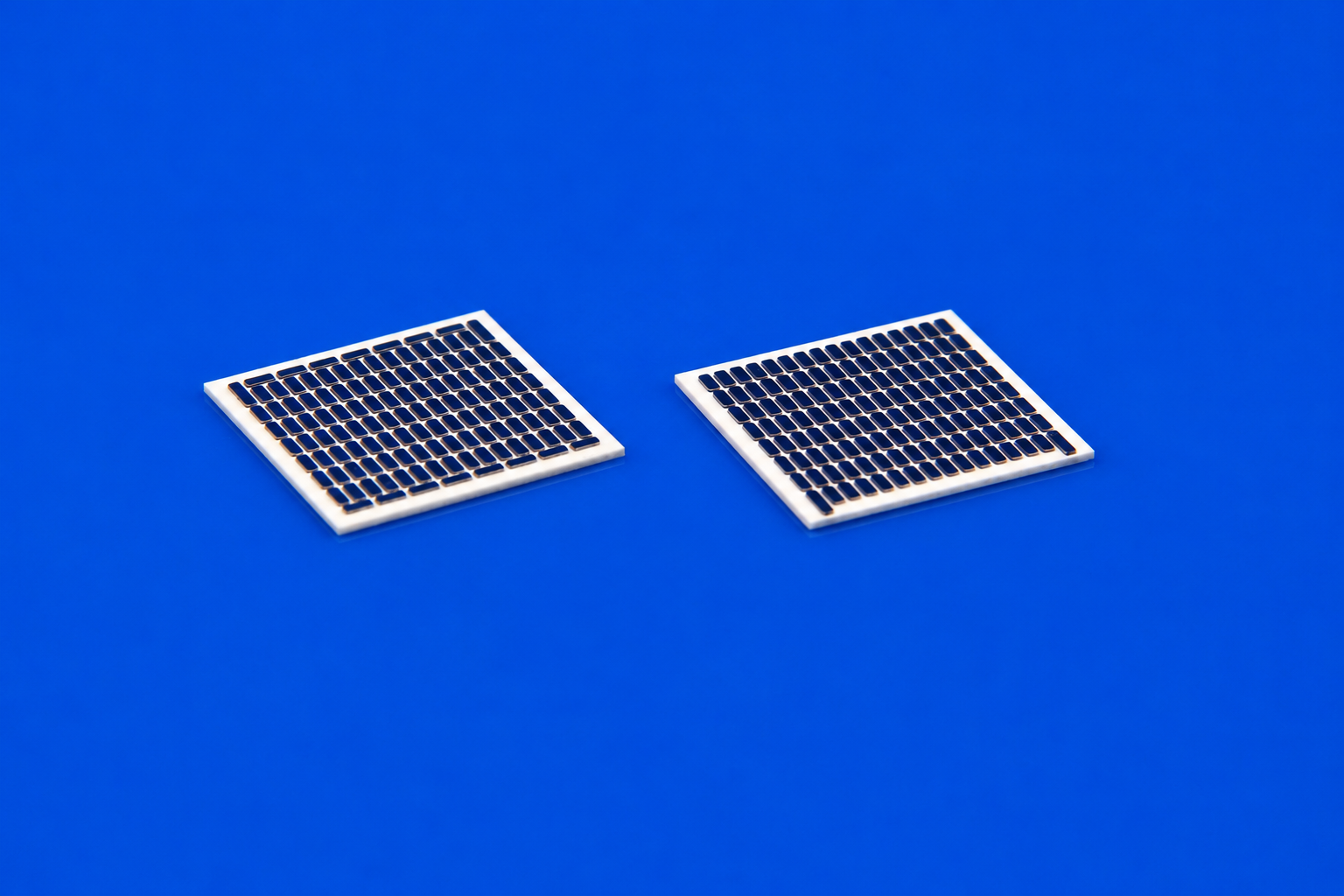
Direct bonded copper substrates combine alumina or aluminum nitride ceramics with copper circuitry for IGBT, MOSFET, LED, automotive and renewable-energy power modules. The ceramic provides electrical isolation while the copper layer supports current distribution, soldering and heat spreading.

Direct bonded copper ceramic substrate products for power electronics

DBC Ceramic Substrates

FAQ

Frequently Asked Questions About Metallized Ceramics

Key points for selecting ceramic material, metallization system, plating finish and joining process for your application.

What is a metallized ceramic component?

It is a technical ceramic part with a controlled metal layer applied to selected surfaces. The metallized area can be soldered or brazed to metal hardware, allowing the ceramic to provide electrical insulation, mechanical support and vacuum-compatible sealing within one assembly.

Which ceramic materials can be metallized?

Alumina is the most common choice because of its insulation, strength and compatibility with Mo-Mn metallization. Aluminum nitride is used when higher thermal conductivity is required. Other materials and metallization routes may be reviewed according to geometry, joining temperature and operating conditions.

Which metallization and plating systems are available?

Typical options include Mo-Mn metallization followed by nickel plating, with gold, silver or other finishes added when required. Tungsten-based metallization, printed silver and copper-based structures such as DBC can also be considered for suitable designs.

What metallization and nickel thicknesses are typical?

For metallized alumina insulators, reference ranges include approximately 9–30 μm for Mo-Mn metallization and 3–10 μm for nickel plating. The final layer thickness should be specified from the brazing, soldering, electrical and dimensional requirements of the assembly.

Can flat, cylindrical and complex ceramic shapes be metallized?

Yes. Metallization can be applied to flat surfaces, rings, tubes, cylinders, bushings and selected complex features. Process selection may include screen printing, spraying, brushing or needle application depending on the pattern, access and production quantity.

Are metallized ceramics suitable for vacuum and hermetic assemblies?

Yes, when the ceramic grade, metallization, plating, braze alloy and metal partner are designed as a compatible system. Leak-rate targets, bakeout temperature, thermal cycling and cleaning requirements should be defined before production.

How is a DBC substrate different from conventional Mo-Mn metallization?

DBC bonds relatively thick copper directly to an alumina or aluminum nitride substrate and is mainly used for current carrying and thermal management in power electronics. Conventional Mo-Mn metallization is typically used to create a thin bondable layer for brazing or soldering ceramic components into packages and hermetic assemblies.

What information is required for a quotation?

Provide the ceramic material and purity, part drawing, metallization area and tolerances, coating and plating stack, joining method, operating temperature, electrical or vacuum conditions, testing requirements, prototype quantity and expected annual volume.


Why Innovacera

Integrated Support for Metallized Ceramic Components

From ceramic forming and precision machining to selective metallization, plating, brazing and inspection, Innovacera can review the complete interface between the ceramic part and the customer assembly.

Mo-Mn Process Capability

Controlled metallization routes support dense, continuous and bondable metal layers on alumina rings, tubes, discs, packages and custom bodies.

Plating & Finish Options

Nickel, gold, silver and other finishes can be reviewed around solderability, brazing, corrosion resistance, conductivity and wire-bond requirements.

Complex Geometry Coverage

Flat, cylindrical, ring-shaped and selected complex ceramic surfaces can be metallized to customer-defined patterns and mask zones.

Brazing & Inspection Support

Ceramic-to-metal brazing, dimensional inspection, visual review, adhesion checks and leak testing can be defined for the finished component or assembly.

Project RFQ

Share Your Drawing, Metallization Pattern and Joining Requirement

Send the ceramic geometry, metallized areas, plating finish and assembly conditions. The engineering team can review a standard component, a drawing-based metallized ceramic or a finished brazed assembly route.

Submit Metallized Ceramic RFQ

Recommended Project Information

  • Ceramic Material & PurityAlumina or AlN grade, purity, color, thermal conductivity and material compliance requirements.
  • Drawing & Critical DimensionsOverall geometry, wall thickness, holes, slots, datums, flatness, concentricity and machining tolerances.
  • Metallization PatternMetallized faces, bands, tracks or edge areas, mask zones, pattern tolerance and required overlap.
  • Coating & Plating StackMo-Mn, tungsten, printed silver or DBC route; nickel, gold, silver or other finish and thickness.
  • Joining ProcessBrazing or soldering alloy, joining temperature, metal counterpart, atmosphere and assembly clearance.
  • Operating ConditionsVoltage, current, frequency, temperature, thermal cycling, vacuum level, pressure and corrosion exposure.
  • Inspection & ValidationDimensional report, metallization thickness, adhesion, solderability, dielectric, leak or other acceptance tests.
  • Quantity & Program StagePrototype quantity, annual volume, target delivery, sample approval plan, traceability and packaging needs.

Review this product family for your project.

Send drawings, operating conditions, material preference, tolerance targets and quantity. Innovacera can review standard catalog products or custom ceramic manufacturing paths.