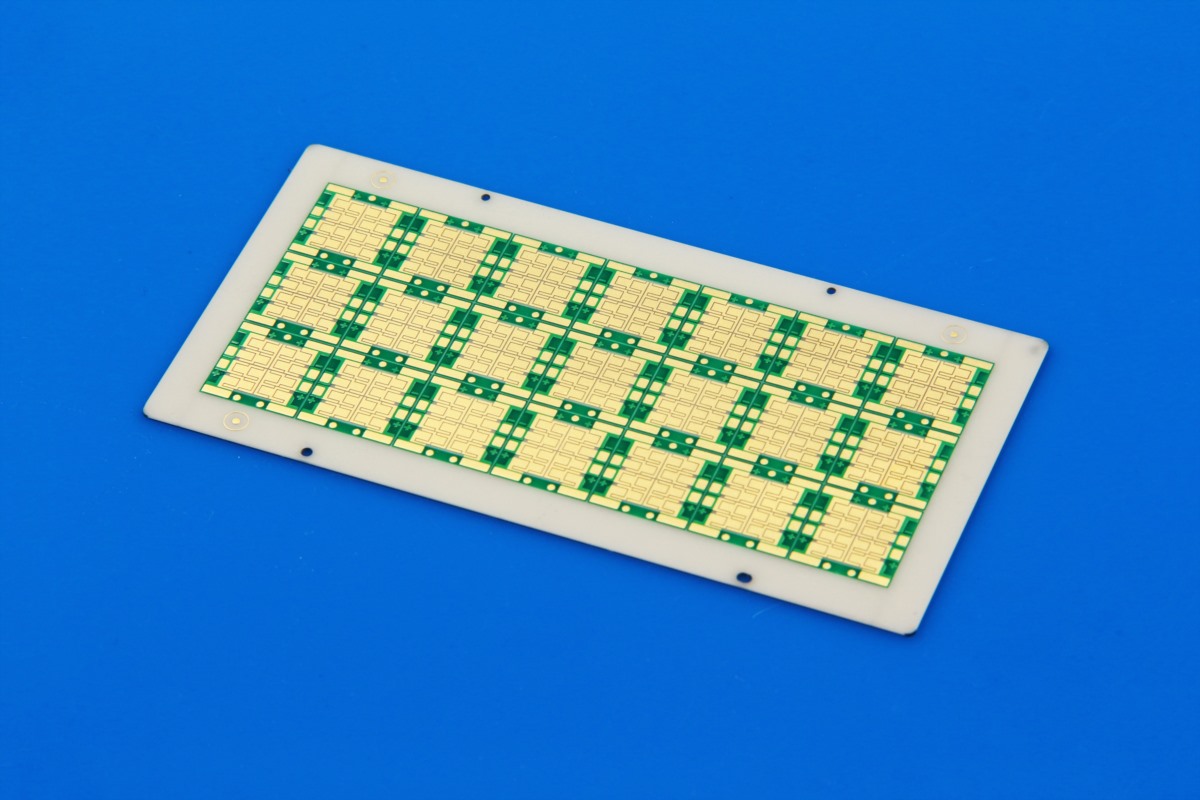
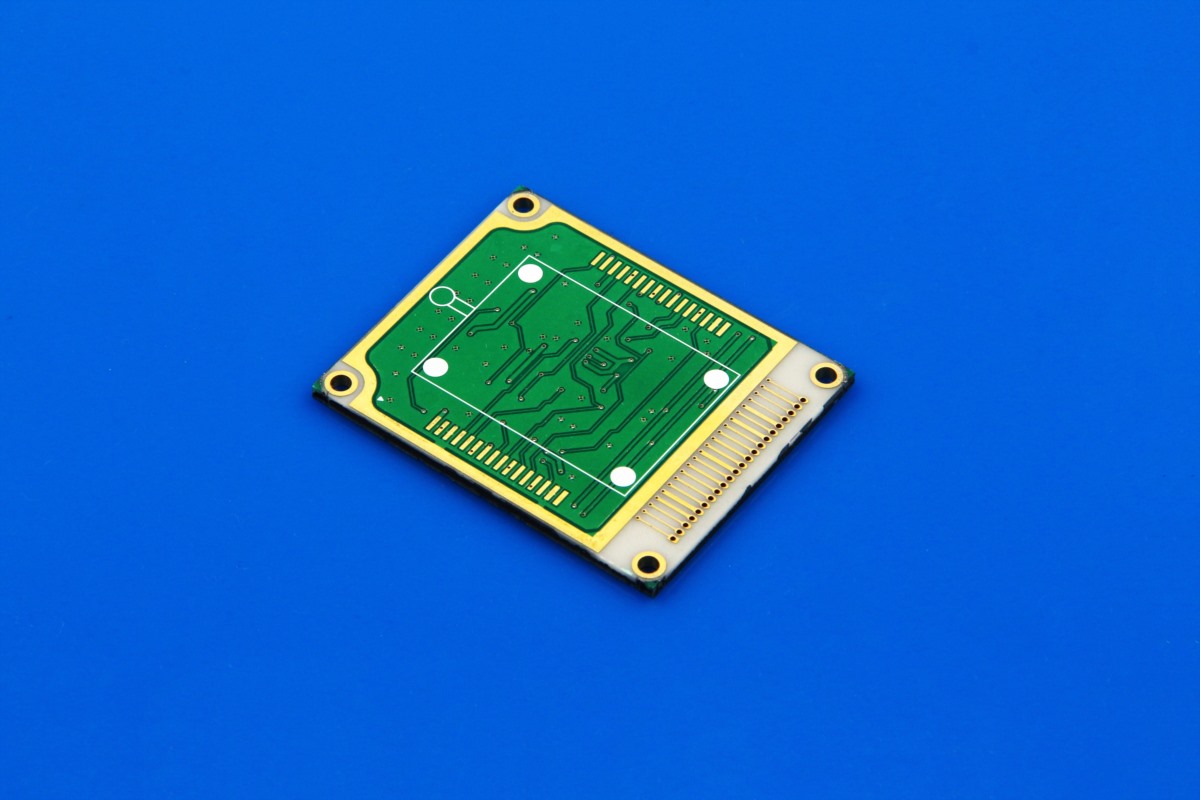
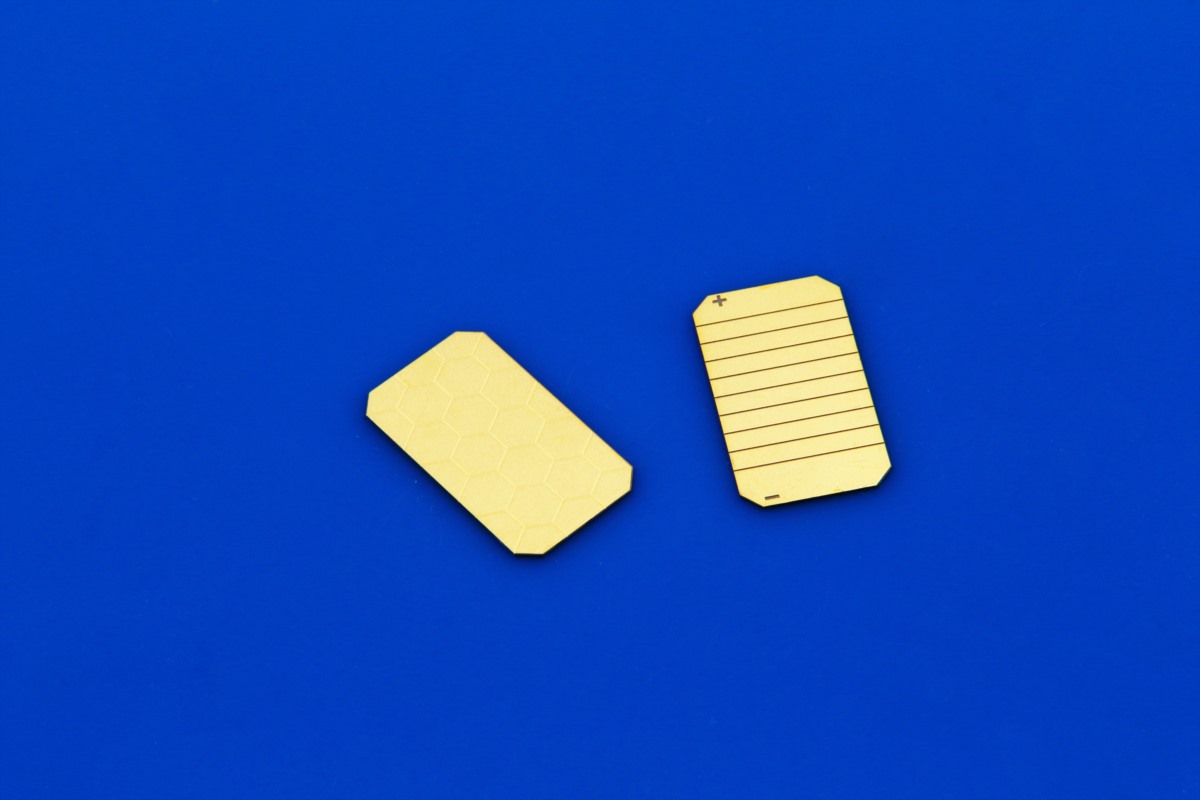
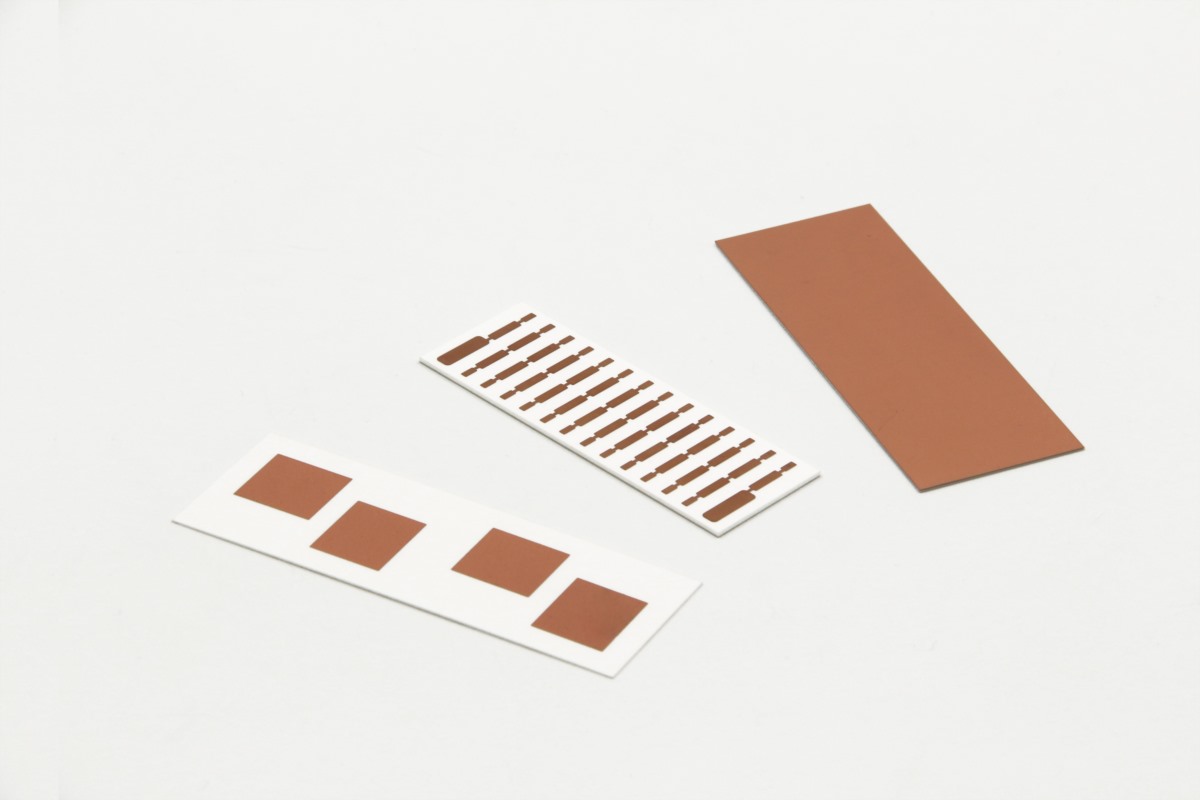

Features
1. High thermal stability and excellent electrical conductivity
2. Excellent mechanical stability, good adhesion
3. High operating temperatures
4. Excellent electrical insulation
5. Good heat spreading
Application:
1.Cells for Solar Concentrator
2.Hybrid and Electric Automobile
3.Power Management Electronics
3.Sensor in Automotive Motor Control
5.High Power LED
6.Laser System
7.Semiconductor Modules: Such as IGBT
8.Microwave Devices
9.Packages for RF
10.Power Semiconductor Packaging
Ceramic Materials Properties:
| Item | Unit | Alumina | ALN |
| Content | % | 96% Al2O3 | - |
| Density | g/cm3 | ≥3.7 | ≥3.3 |
| Thermal Conductivity | W/m·K | >24 | >170 |
| Coefficient of Thermal Expansion | 10⁻⁶/K | 6.5–7.5 (20–300℃) | 4.6 (20–300℃) |
| Flexural Strength | MPa | >350 | >350 |
| Dielectric Loss | ×10⁻⁴ (1MHz) | 3 | 3.8 |
| Dielectric Constant | 1MHz | 9.8 | 9 |
| Dielectric Strength | kV/mm | 14.5 | 17 |
| Volume Resistivity | Ω·cm | >1014 | >1014 |
| Young's Modulus of Elasticity | GPa | 340 | 320 |
Capability:
| Item | Description | Capability |
| Material | - | Al2O3 / AlN |
| Ceramic Thickness | - | 0.38–1.0mm |
| Copper Thickness (When Distance Between Copper) |
<0.2mm | 10–50μm |
| 0.2–0.5mm | 30–80μm | |
| 0.6–1.0mm | 30–150μm | |
| <0.075mm | 30–60μm | |
| Copper Width (When Copper Thickness) |
<35μm | ≥0.075mm |
| 35–100μm | ≥0.10mm | |
| ≥100μm | ≥0.15mm | |
| Ag Thickness | - | ≥0.4μm |
| Surface Treatment | NiAu / NiPdAu | Ni: 5 ± 2.5μm Pd: >0.05μm Au: >0.05μm |
Declaration: This is an original article of INNOVACERA®. Please indicate the source link when reprinting: https://www.innovacera.com/product/dpc-ceramic-substrate
Frequently Asked Questions
What is a Direct Plated Copper (DPC) Ceramic Substrate? What are its main applications?
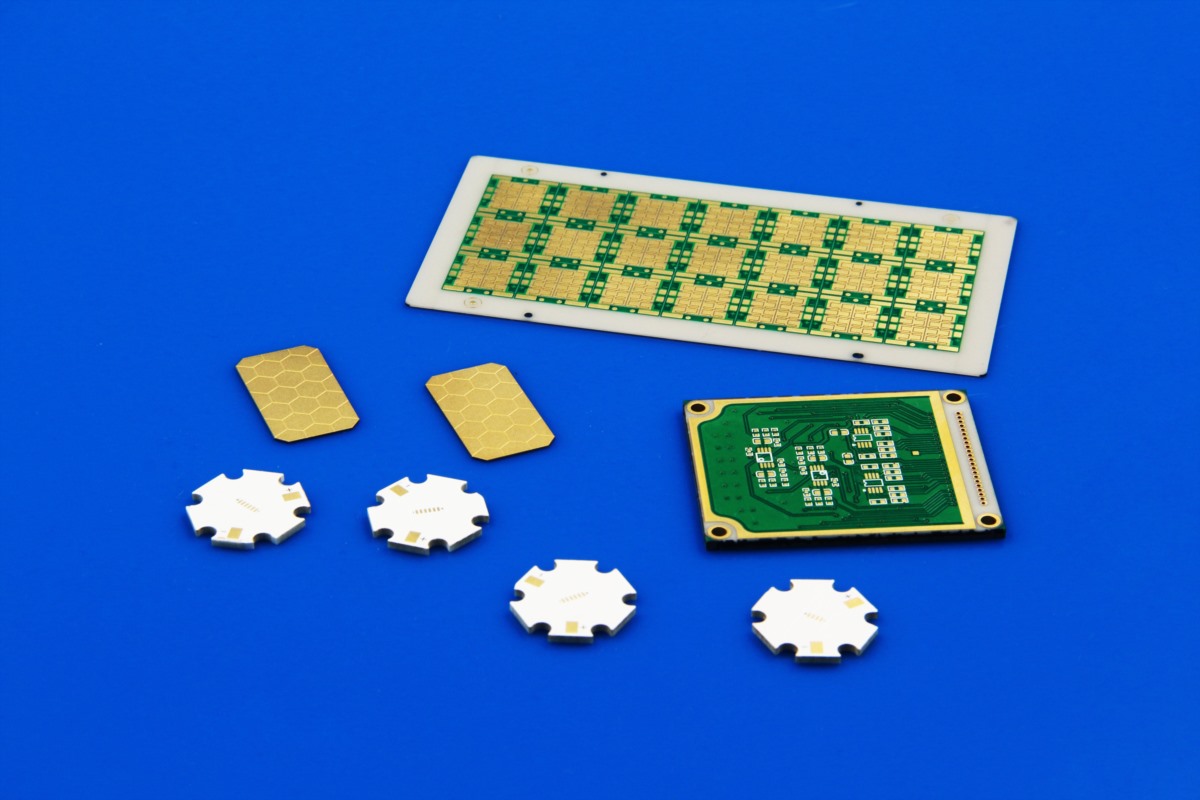
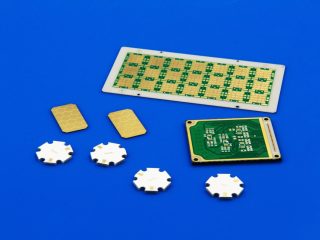
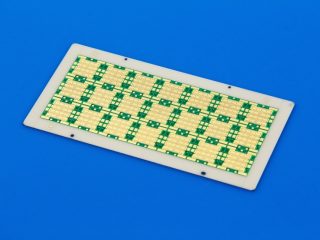
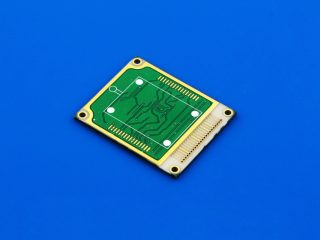
A Direct Plated Copper (DPC) Ceramic Substrate is an advanced PCB that utilizes magnetron sputtering and electroplating technologies to deposit a highly precise copper circuit layer onto a ceramic base. Featuring high thermal stability and excellent electrical insulation, it is widely used in demanding thermal management fields, including Hybrid and Electric Automobiles, High Power LEDs, Semiconductor Modules (such as IGBT), and RF/Microwave Devices.
How to choose between Alumina and AlN materials? What is the copper thickness capability?
The choice depends on your project’s heat dissipation requirements. Alumina (96% Al2O3) offers excellent mechanical stability with a thermal conductivity of >24 W/m·K, making it a cost-effective choice for general power electronics. Aluminum Nitride (AlN) delivers superior thermal conductivity (>170 W/m·K), which is ideal for extreme high-power applications like laser systems. For both materials, the copper thickness capability ranges from 10μm to 150μm depending on the copper trace distance, fully supporting highly customized circuit designs.