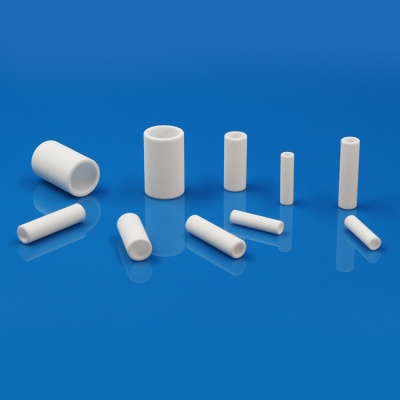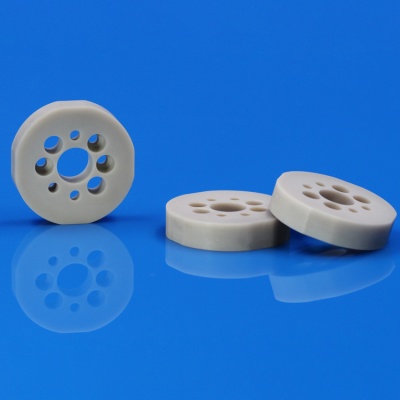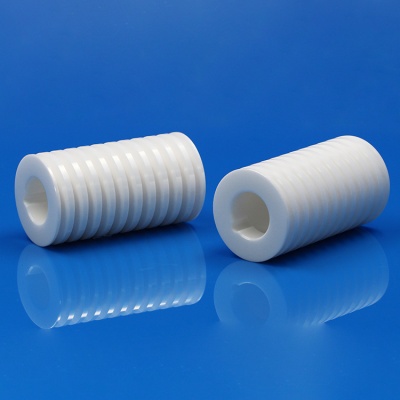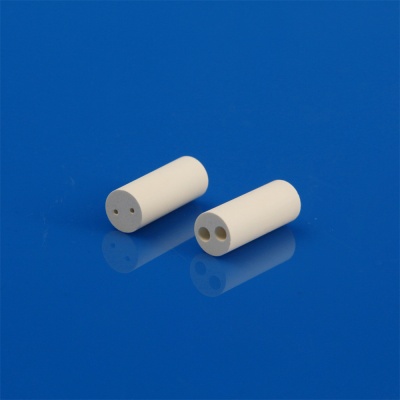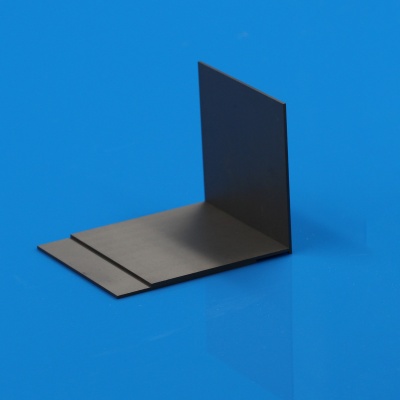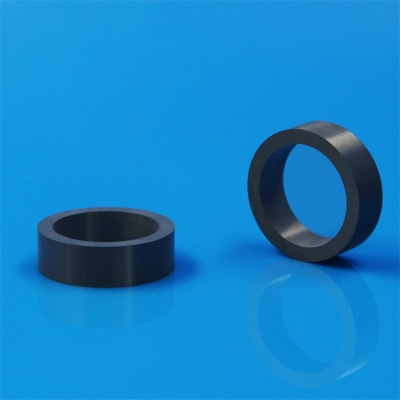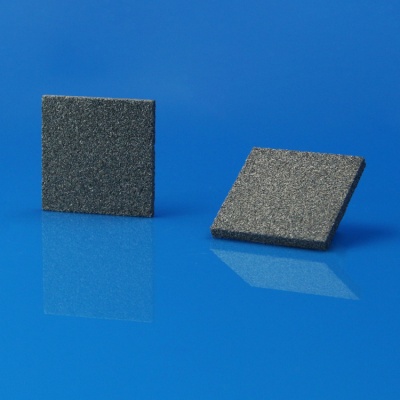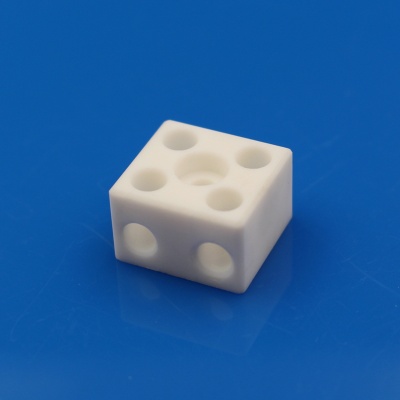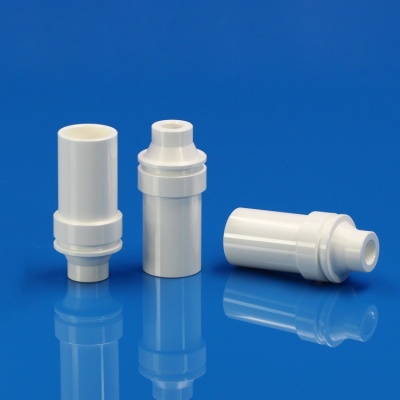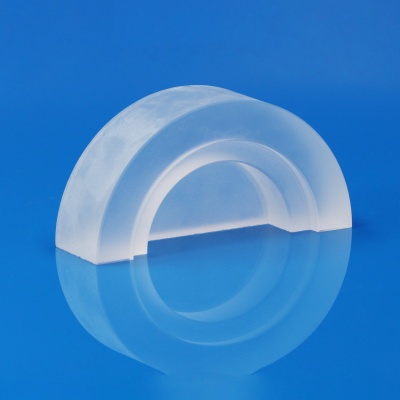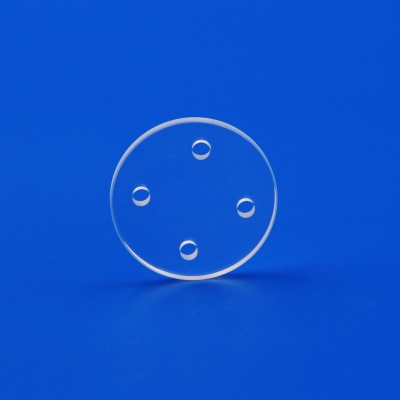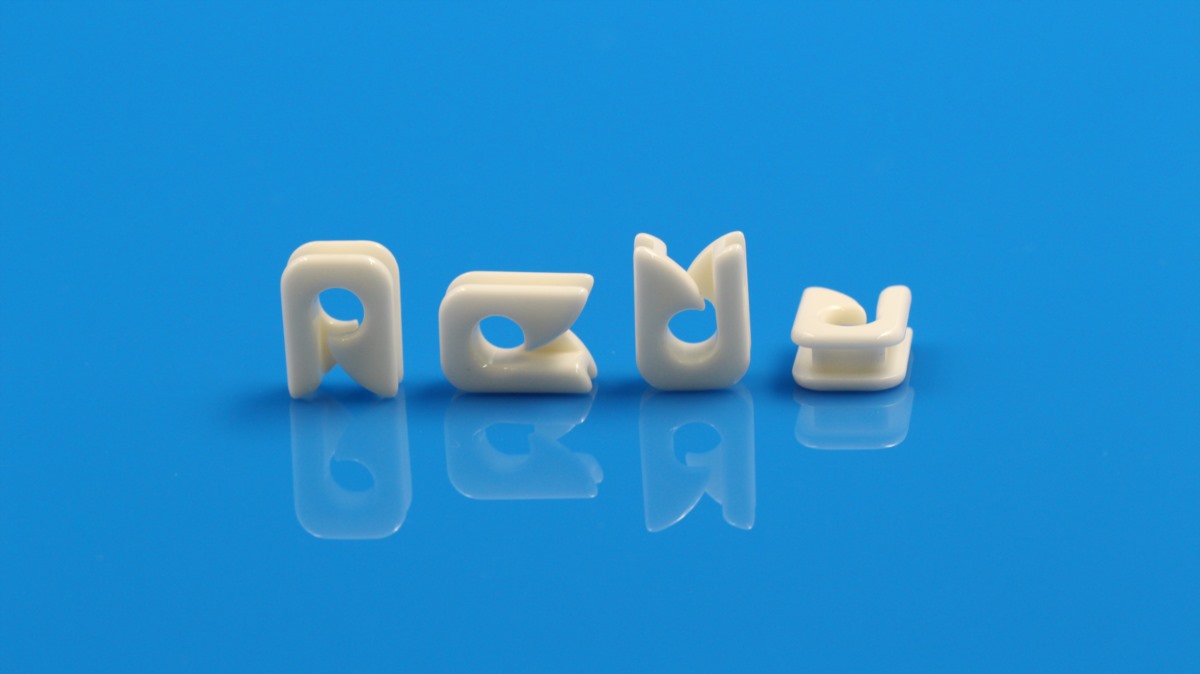
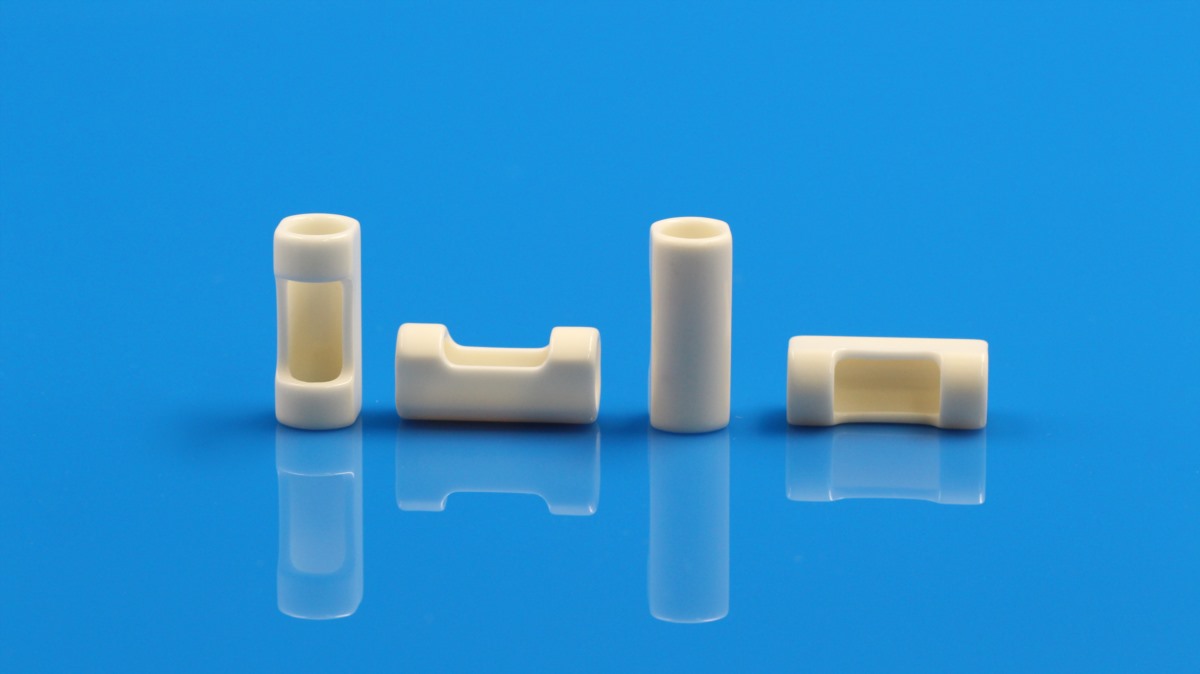
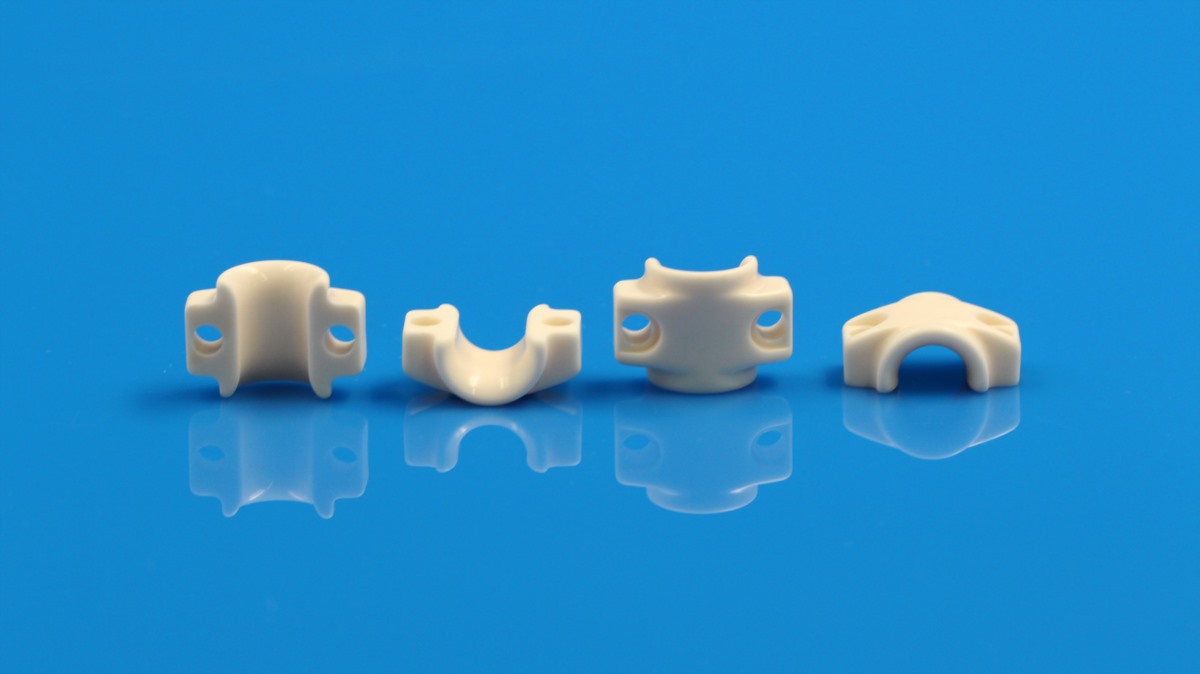
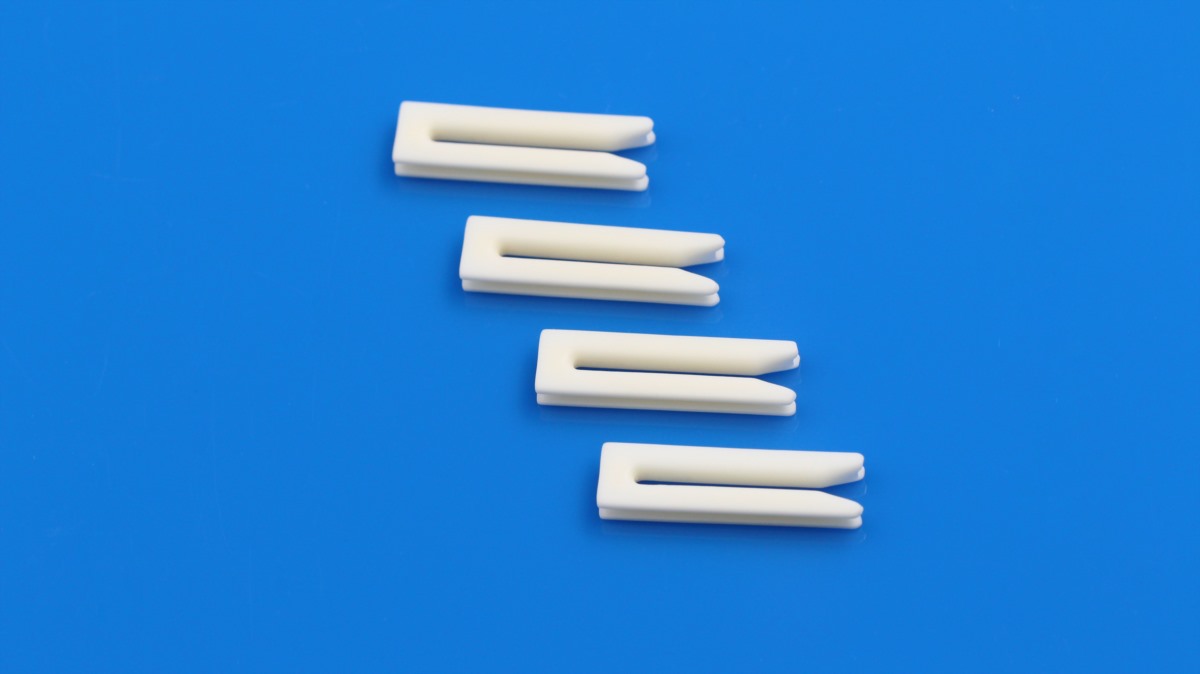
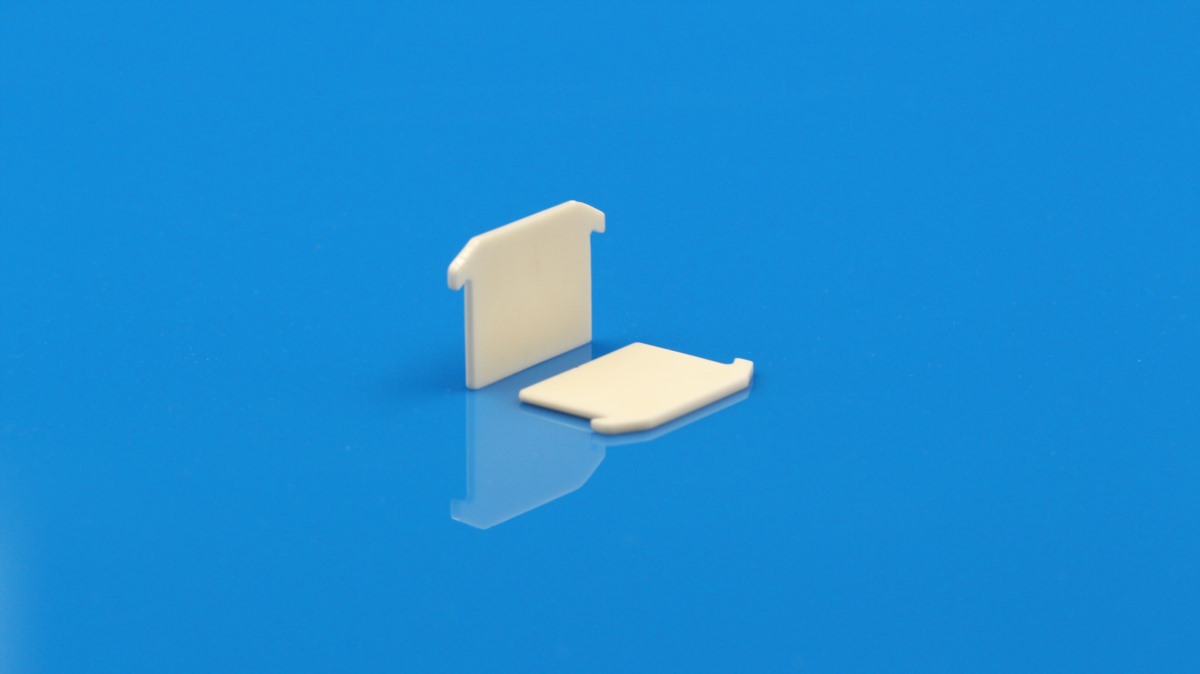
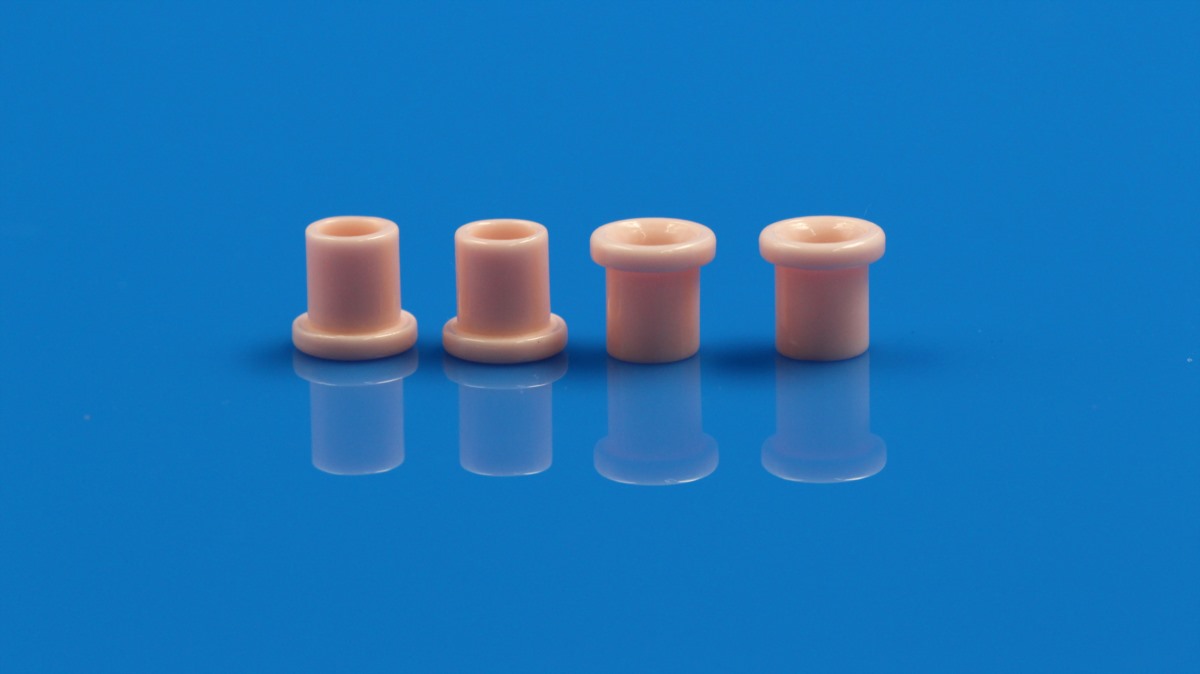
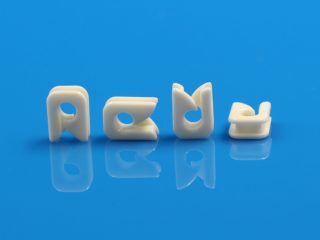
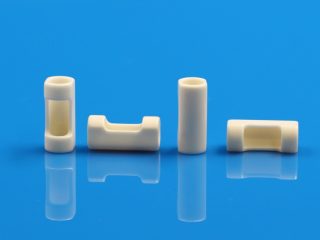
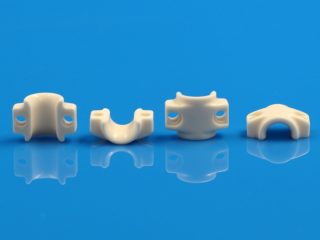
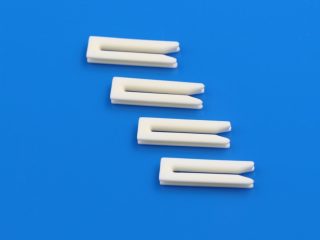
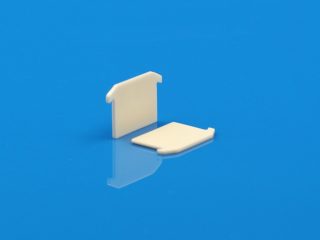
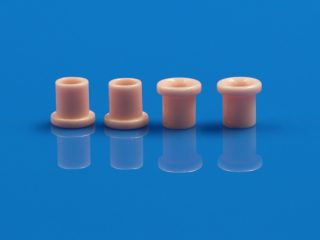
Our textile ceramics yarn guide and alumina ceramic textile parts are widely used in cigarette filter tow production and other industrial fiber spinning applications, providing reliable technical ceramic solutions for modern manufacturing.
Product Advantages
Our advanced ceramic components offer excellent performance in demanding environments:
- Smooth surface → reduces filament breakage
- High wear resistance → longer service life
- Low friction → improves spinning stability
- Strong corrosion resistance → suitable for solvent conditions
These features make our textile ceramic guides ideal for continuous and high-speed acetate tow production.
Applications
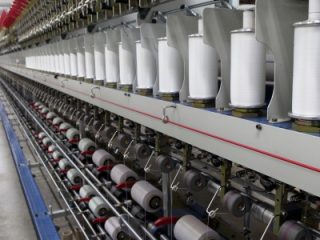
Our textile ceramic guides are widely used for all kinds of textile industry spinning Such as:
- Acetate tow spinning
- Fiber spinning
- Synthetic spinning
- High-speed textile filament lines
They are especially suitable for continuous spinning systems requiring stable performance and low maintenance. For more detail, welcome to contact us sales@innovacera.com.
Declaration: This is an original article of INNOVACERA®. Please indicate the source link when reprinting: https://www.innovacera.com/product/textile-ceramic-guides-acetate-tow-spinning
Frequently Asked Questions
What are textile ceramic guides? Why are they essential for acetate tow spinning?
Textile ceramic guides are specialized technical ceramic components (often made of alumina) used to control filament movement in cellulose acetate fiber production. They are essential for acetate tow spinning because their ultra-smooth surface and low friction significantly reduce filament breakage. This ensures stable yarn quality and continuous production, which is highly critical in high-speed applications like cigarette filter tow manufacturing.
What are the main advantages of alumina ceramic textile parts? How do they perform in high-speed spinning environments?
The main advantages of alumina ceramic textile parts include high wear resistance, strong corrosion resistance against solvents, and an exceptionally long service life. In high-speed fiber spinning environments, these guides perform reliably by maintaining low friction and spinning stability. Their durability minimizes equipment downtime and reduces maintenance costs, making them the ideal solution for synthetic and continuous spinning systems.