Related products 6 products in the current catalog
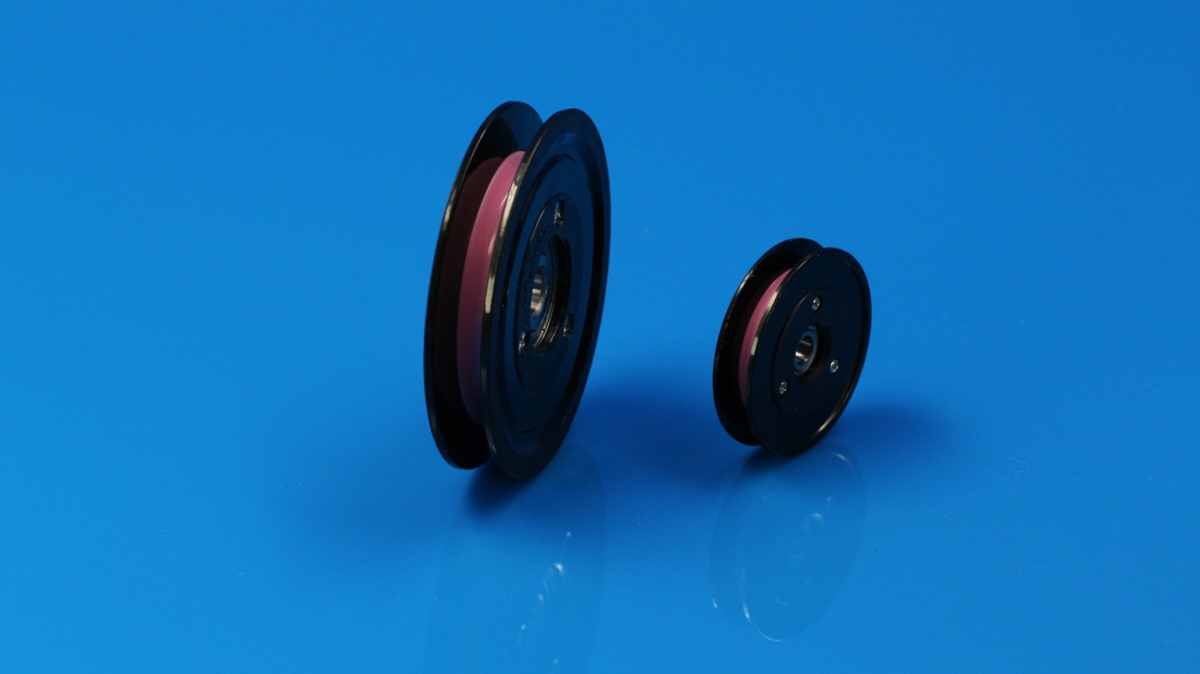
Common forms bearings, rollers, shafts, bushings, guides
Material options Silicon Nitride (Si3N4)
Current catalog

Related products

Back to product categories
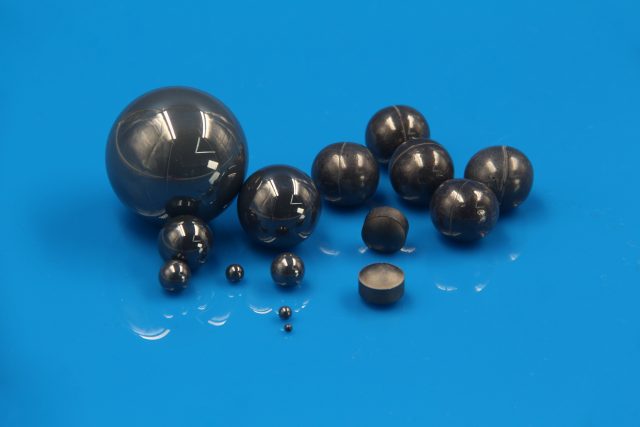
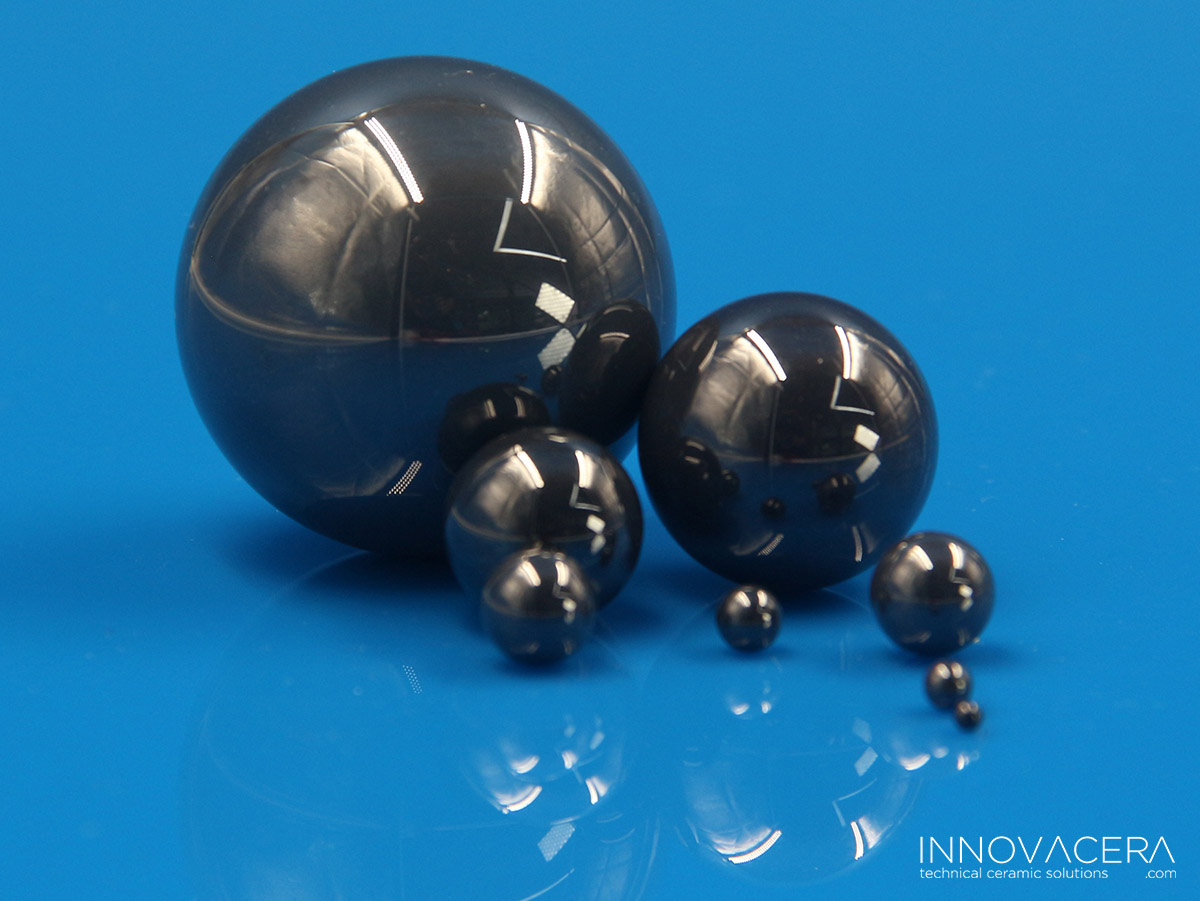
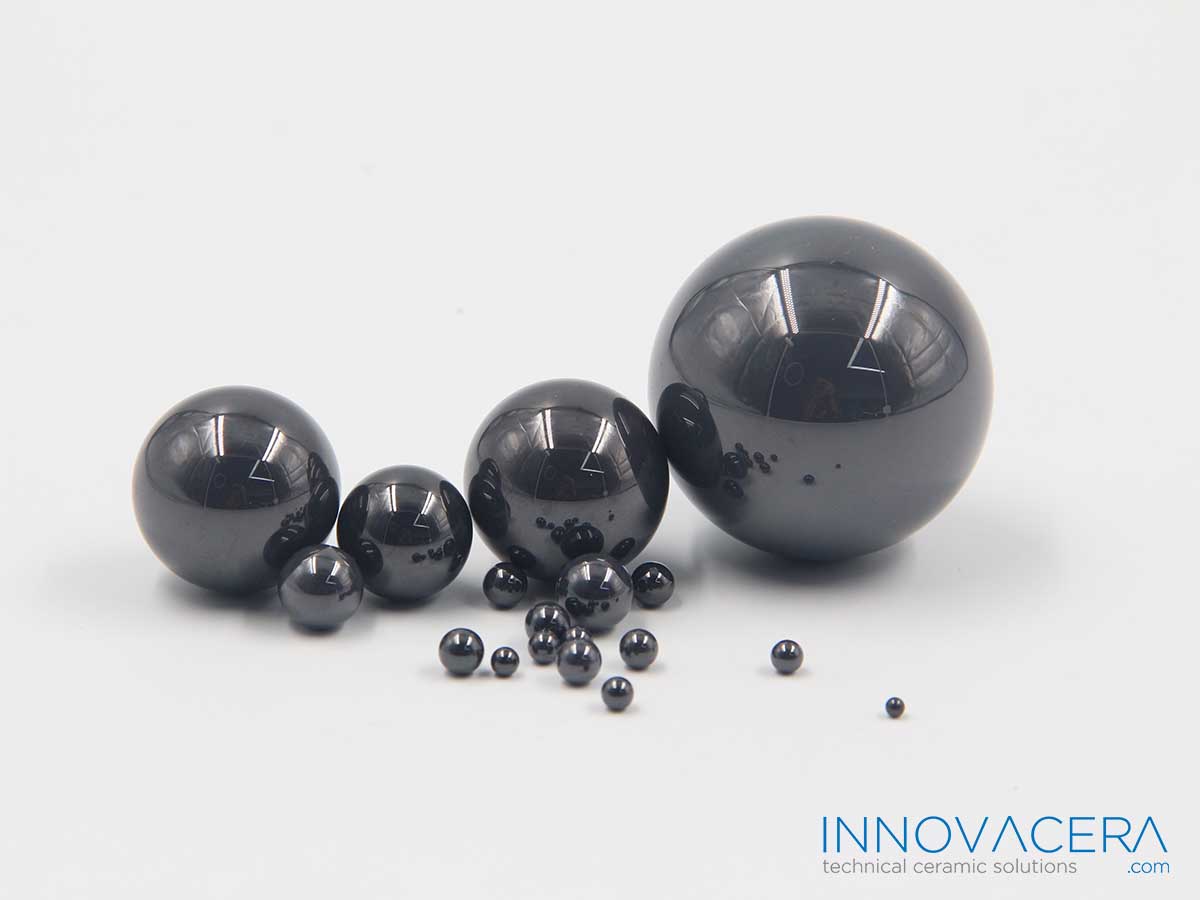
Silicon Nitride Grinding Ball

Silicon Nitride Grinding Ball

More Details
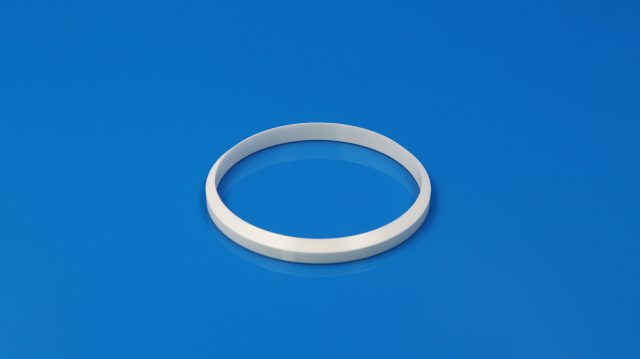
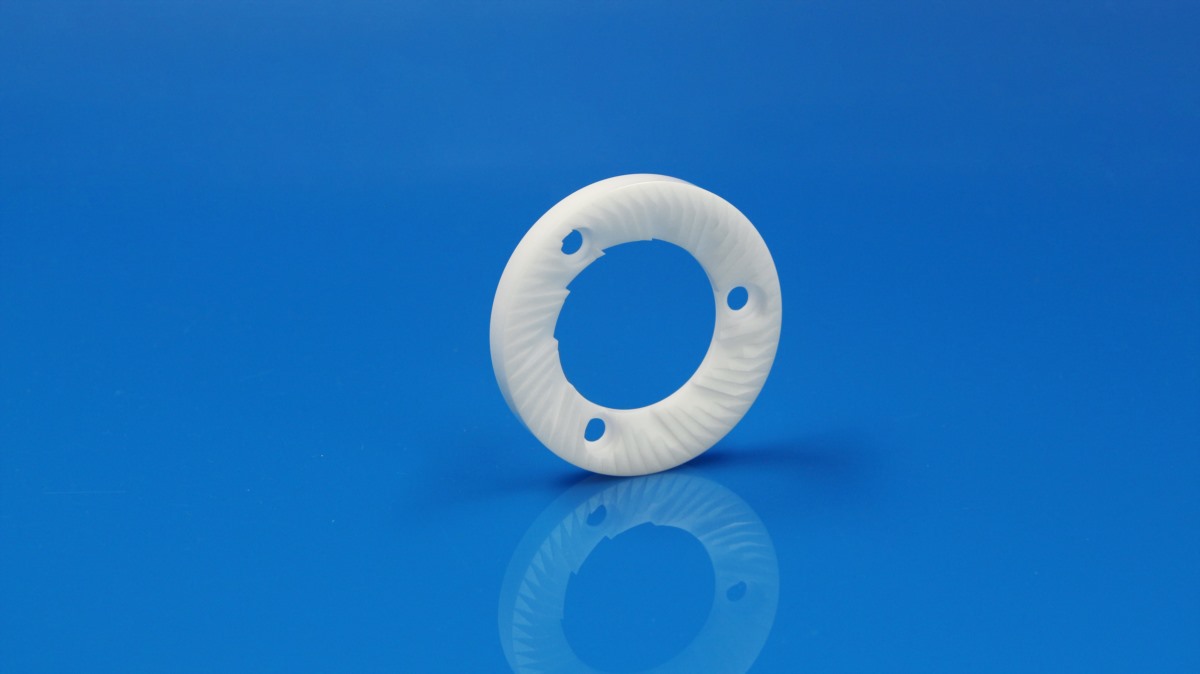
Ceramic inkcup ring

Ceramic inkcup ring

More Details
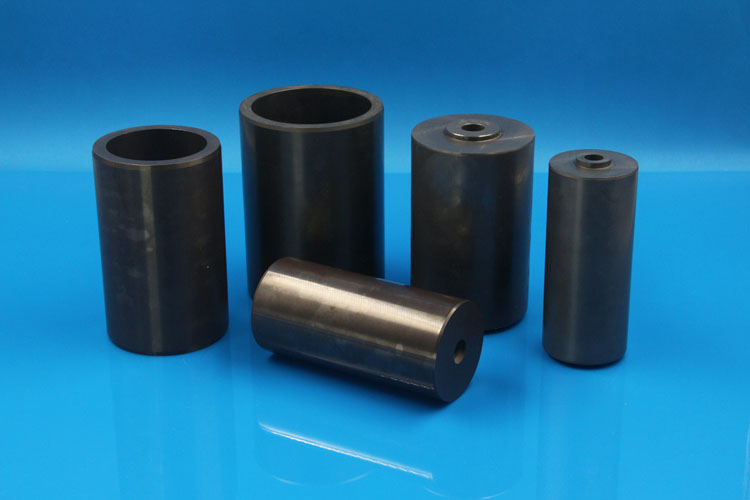
Ceramic Pistons and Plungers

Ceramic Pistons and Plungers

More Details
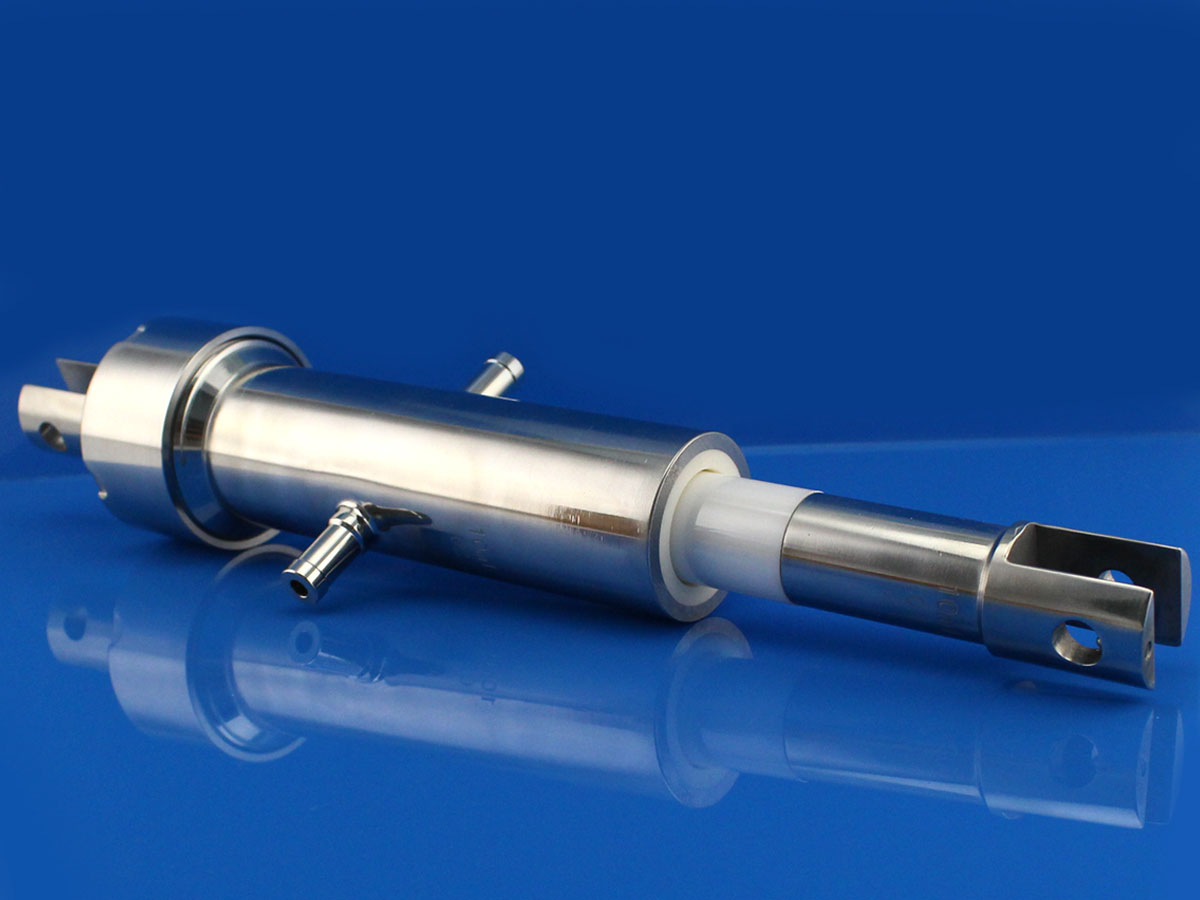
Ceramic Filling Pump

Ceramic Filling Pump

More Details
Magnesium Stabilized Zirconia Ceramic

Magnesium Stabilized Zirconia Ceramic

More Details
ZTA Ceramic Composite Mud Pump Liner

ZTA Ceramic Composite Mud Pump Liner

More Details
Application Scenarios

Ceramic Bearings, Seal Rings and Wear Liners for Precision Motion Systems

Ceramic motion components must be selected around the actual load, speed, contact mode and operating environment. Silicon nitride, zirconia and ZTA offer different combinations of low density, toughness, wear resistance, corrosion resistance and dimensional stability for bearing, sealing and liner applications.

01

Silicon Nitride Hybrid Bearings for High-Speed Precision Spindles

Silicon nitride balls are paired with steel inner and outer rings in hybrid bearings for CNC spindles, high-speed motors, turbo machinery, dental equipment and precision instruments. Their low density reduces centrifugal force and heat generation, while high hardness, electrical insulation and strong rolling-contact fatigue performance support stable operation at elevated speed.

Review Silicon Nitride Material
Silicon nitride ceramic balls for high-speed hybrid bearings

Si₃N₄ Hybrid Bearings · High Speed, Low Mass & Electrical Isolation

02

Zirconia Full-Ceramic Bearings for Corrosive and Washdown Environments

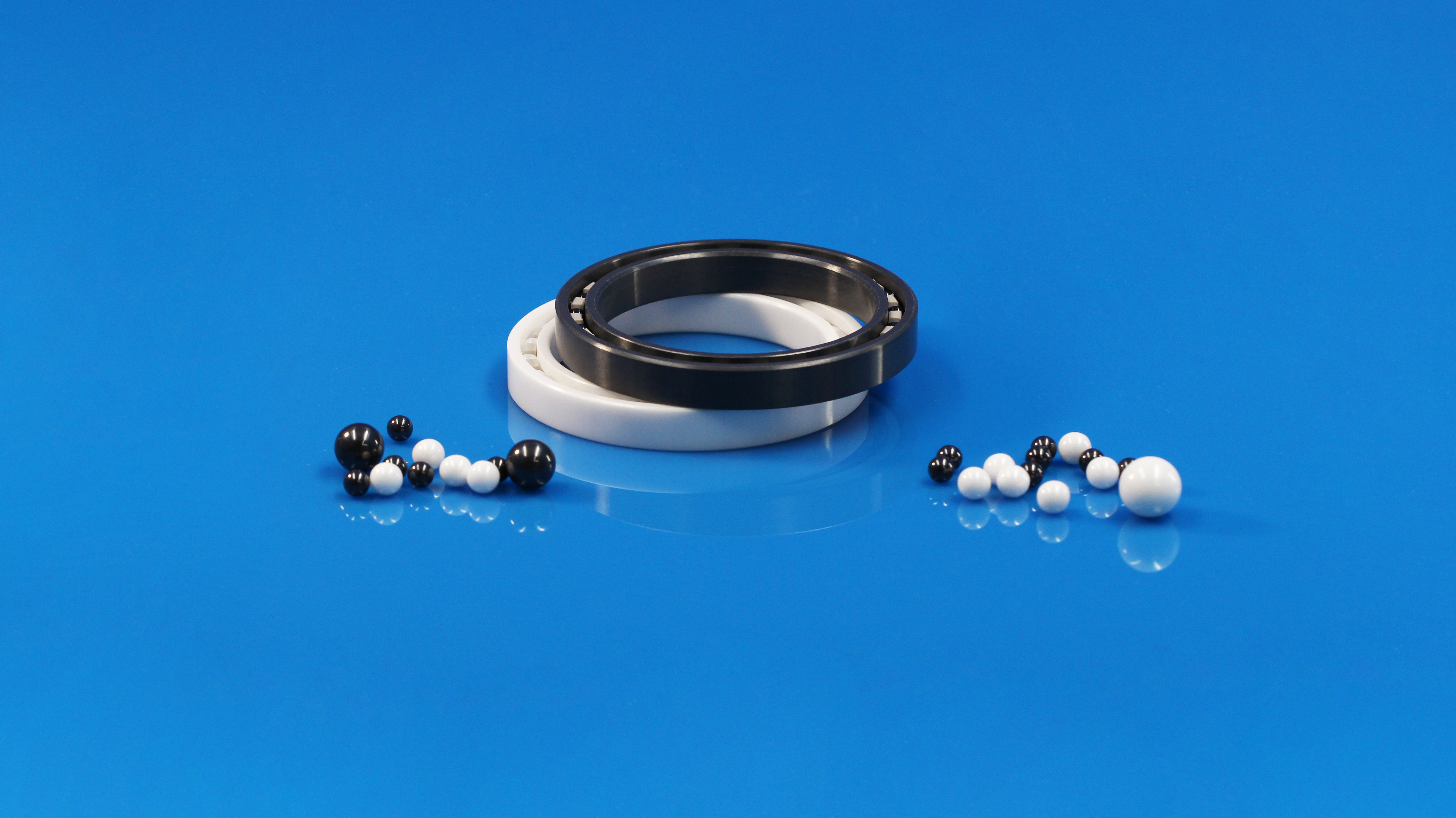
Zirconia rings and balls are used in full-ceramic bearings for chemical pumps, food-processing equipment, laboratory instruments and humid or frequently cleaned systems. Zirconia combines corrosion resistance with higher fracture toughness than many structural ceramics and can be precision ground to provide smooth, stable rolling surfaces.

Zirconia full ceramic bearing for corrosive and washdown equipment

ZrO₂ Full-Ceramic Bearings · Corrosion Resistance & High Toughness

03

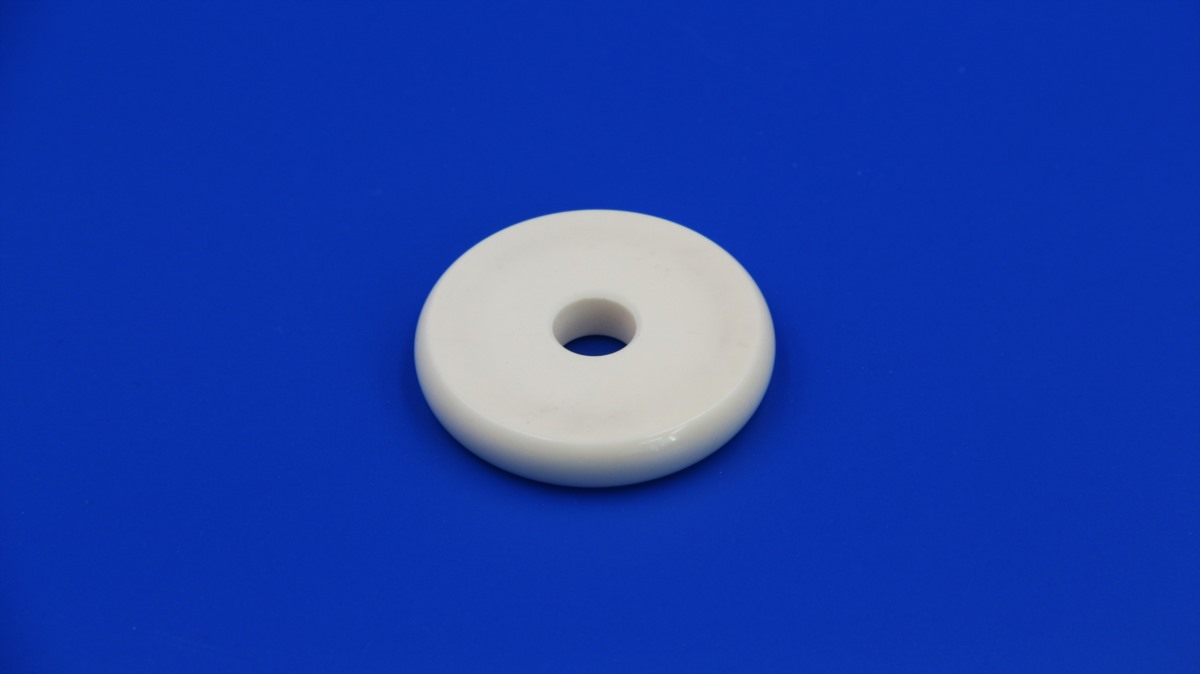
Silicon Nitride Seal and Valve Seat Rings for Pressure-Cycling Systems

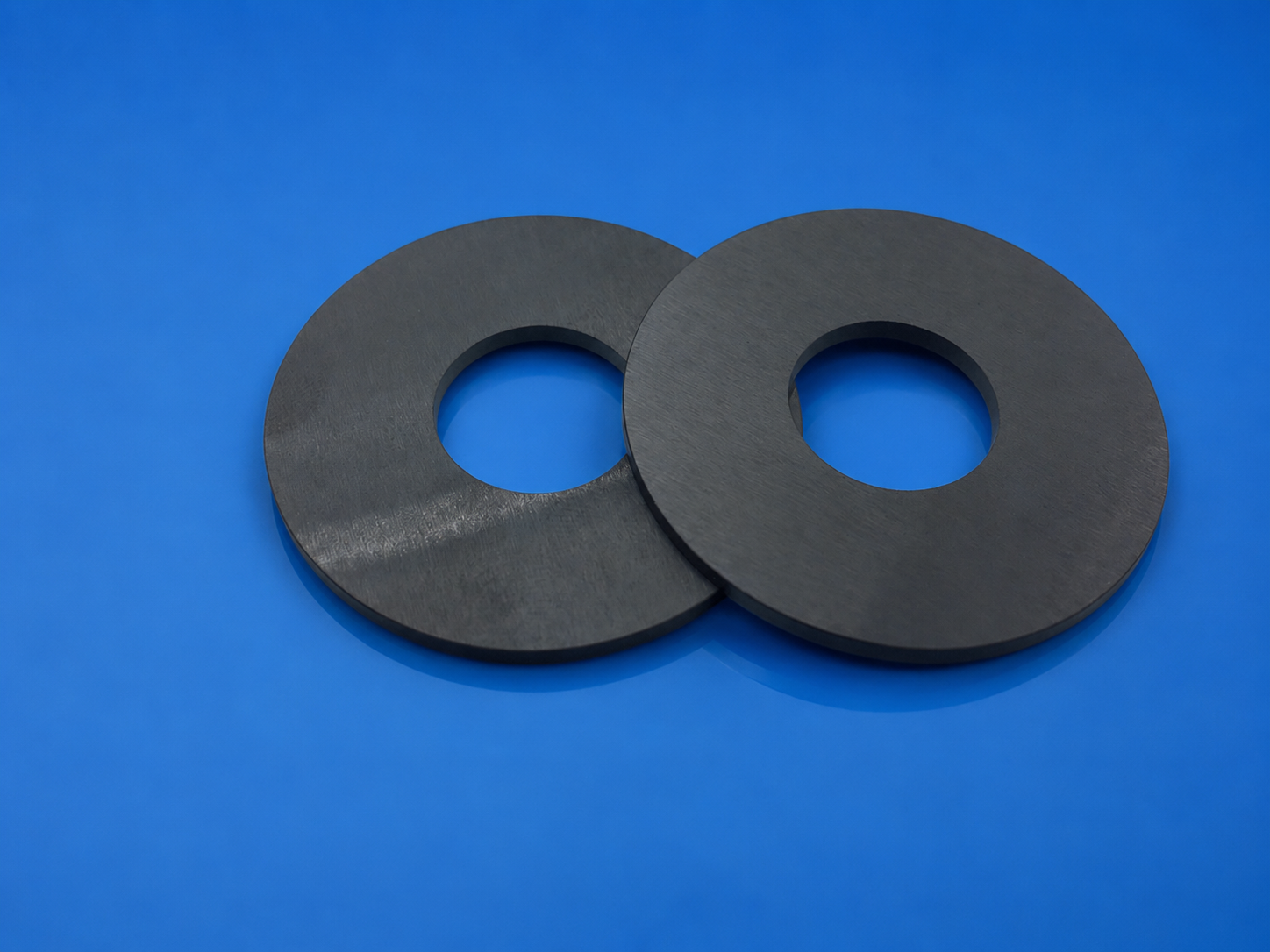
Silicon nitride seal rings, valve seats and control rings are suited to systems that combine repeated pressure changes, particle contact and rapid temperature variation. High strength, fracture toughness, wear resistance and thermal-shock stability make the material suitable for control valves, hydraulic equipment, pumps and oil-and-gas assemblies.

Silicon nitride ceramic seal rings and valve seat rings

Si₃N₄ Seal & Seat Rings · Pressure Cycling, Wear & Thermal Shock

04

ZTA Composite Wear Liners for Abrasive Mud Pumps

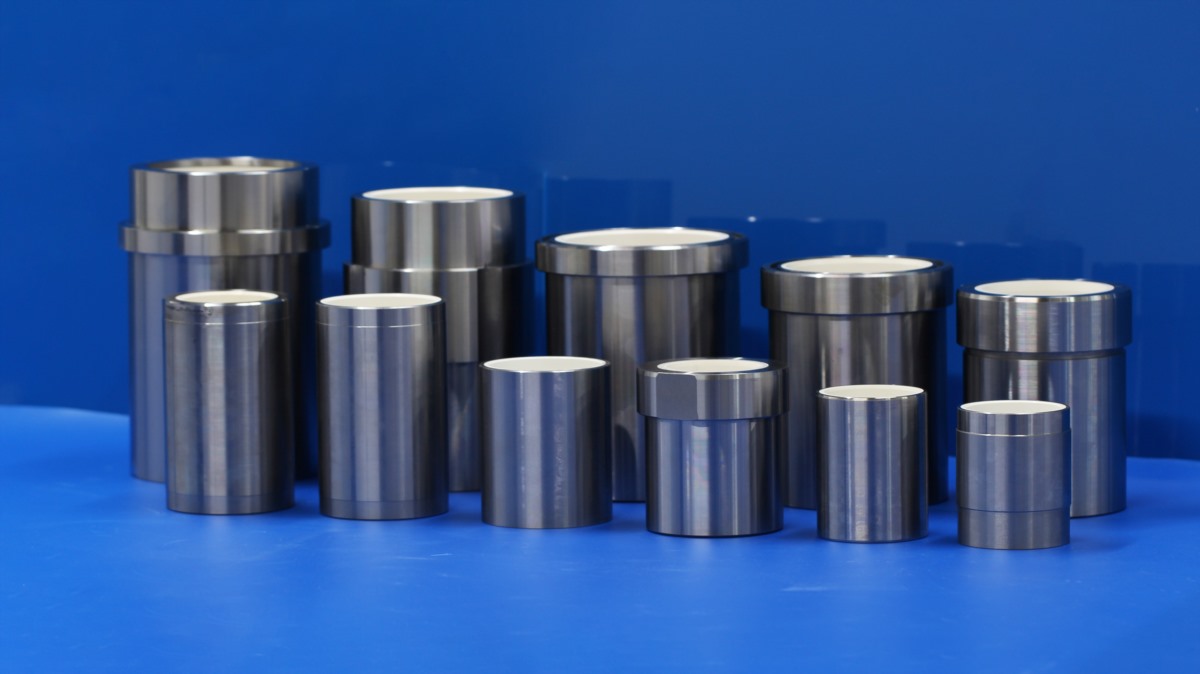
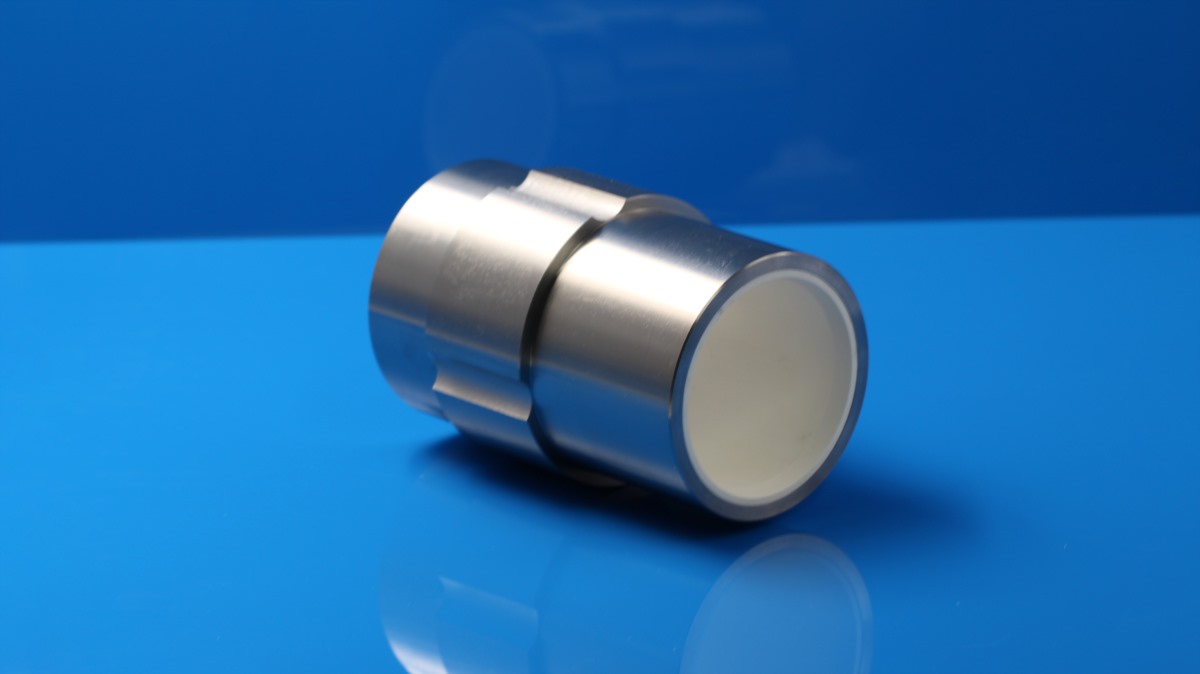
Zirconia-toughened alumina liners are combined with a metal outer shell for mud pumps used in oil and gas drilling, hydraulic fracturing and offshore operations. The ceramic bore resists abrasive, sand-laden fluids, while the metal shell carries pressure and impact loads. A precision-finished bore also helps reduce wear on the reciprocating piston seal.

ZTA ceramic composite wear liner for oilfield mud pump

ZTA Composite Liners · Abrasive Slurry, Pressure & Reciprocating Wear

Frequently Asked Questions

Ceramic Bearings, Seal Rings and Wear Liners FAQ

Material and geometry should be reviewed together with load, speed, pressure, fluid chemistry, abrasive particles, temperature, lubrication and the mating component.

When should silicon nitride be selected for a bearing?

Silicon nitride is commonly selected for high-speed hybrid bearings because its low density reduces centrifugal force and heat generation. It also provides high strength, wear resistance, thermal-shock stability, electrical insulation and good rolling-contact fatigue performance.

When is zirconia suitable for a full-ceramic bearing?

Zirconia is suitable where corrosion resistance, electrical insulation, non-magnetic performance and higher ceramic toughness are important. Typical applications include chemical pumps, laboratory equipment, food-processing systems and humid or washdown environments.

What is the difference between a hybrid bearing and a full-ceramic bearing?

A hybrid bearing normally uses steel inner and outer rings with ceramic balls. A full-ceramic bearing uses ceramic rings and ceramic balls, often with a polymer or ceramic cage. Hybrid bearings are widely used for high-speed precision equipment, while full-ceramic bearings are selected for corrosion, electrical isolation and special operating environments.

When is silicon nitride suitable for seal or valve seat rings?

Silicon nitride is suitable where seal or seat components must resist wear, pressure cycling, particle contact, impact and rapid temperature change. It is used in control valves, hydraulic equipment, pumps and oil-and-gas assemblies.

Why use ZTA for a composite wear liner?

ZTA combines alumina hardness with zirconia toughening. In a ceramic-lined metal construction, the ZTA bore provides abrasion resistance while the metal shell supports pressure and impact loads. This makes the structure suitable for mud, slurry and sand-laden pumping systems.

Which dimensions are critical for ceramic bearing, seal and liner components?

Bearings require controlled ball diameter, roundness, ring geometry and running-surface finish. Seal rings may require strict flatness, parallelism and lapped face finish. Liners typically require accurate bore diameter, straightness, cylindricity and surface roughness.

Can ceramic motion components operate with limited lubrication?

Some ceramic combinations can operate under reduced-lubrication conditions, but performance depends on contact pressure, speed, temperature, mating material, alignment, surface finish and heat removal. Application testing is recommended before final production approval.

What information should be included with an RFQ?

Provide the drawing, component function, preferred material, load, speed, pressure, fluid or atmosphere, particle content, temperature, lubrication, mating material, critical tolerances, functional surface requirements, quantity and validation needs.


Why Innovacera

Engineering Support for Ceramic Bearings, Seal Rings and Wear Liners

Innovacera supports material selection, prototype machining, precision finishing and repeat production for ceramic parts designed around actual load, speed, pressure, contact and environmental conditions.

Material-to-Application Matching

Compare silicon nitride, zirconia, ZTA, alumina and silicon carbide against the motion mode, mating material, fluid chemistry, pressure and temperature.

Functional Surface Finishing

Grinding, lapping and polishing options for bearing surfaces, seal faces, bores and wear interfaces with controlled geometry and roughness.

Custom Geometry and Integration

Drawing-based rings, sleeves, liners and bearing components with grooves, flanges, mounting features, metal shells or ceramic-to-metal interfaces.

Prototype and Repeat Production

Engineering samples, dimensional inspection and scalable manufacturing support from design verification through repeat supply.

Project RFQ

Share Your Bearing, Seal Ring or Wear Liner Requirements

Send the component drawing and operating conditions so the engineering team can review material selection, functional surfaces, tolerances, manufacturing feasibility and inspection requirements.

Submit Motion Component RFQ

Recommended project information

  • Component FunctionBearing ball or ring, seal or valve seat, wear sleeve, liner or custom motion component.
  • Drawing & GeometryDimensions, tolerances, bores, wall thickness, grooves, radii and mounting interfaces.
  • Load & MotionRadial or axial load, rotational or reciprocating speed, stroke and duty cycle.
  • Pressure & MediaOperating pressure, fluid composition, abrasive particles, viscosity and corrosion exposure.
  • Temperature & AtmosphereContinuous and peak temperature, thermal cycling, vacuum, humidity or washdown conditions.
  • Mating ComponentsCounterface material, alignment, contact area, lubrication and allowable wear.
  • Functional SurfacesFlatness, roundness, cylindricity, concentricity, roughness, lapping or polishing requirements.
  • Quantity & ValidationPrototype quantity, annual demand, inspection reports and functional testing requirements.

Review this product family for your project.

Send drawings, operating conditions, material preference, tolerance targets and quantity. Innovacera can review standard catalog products or custom ceramic manufacturing paths.