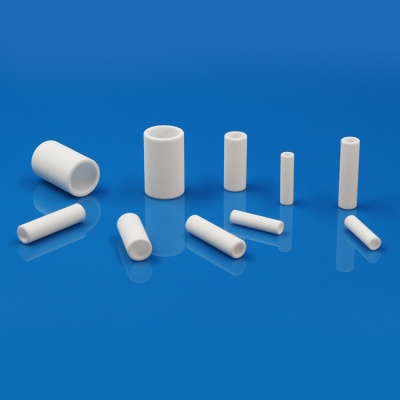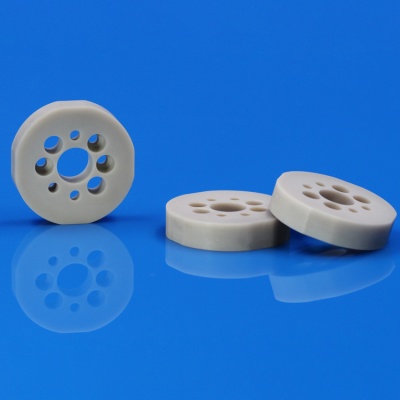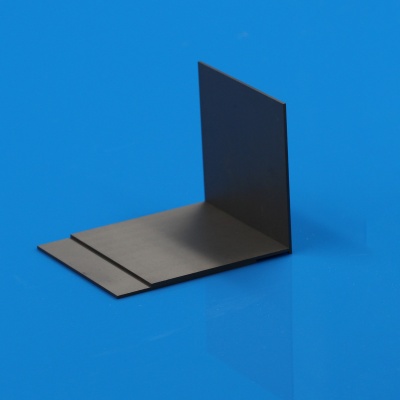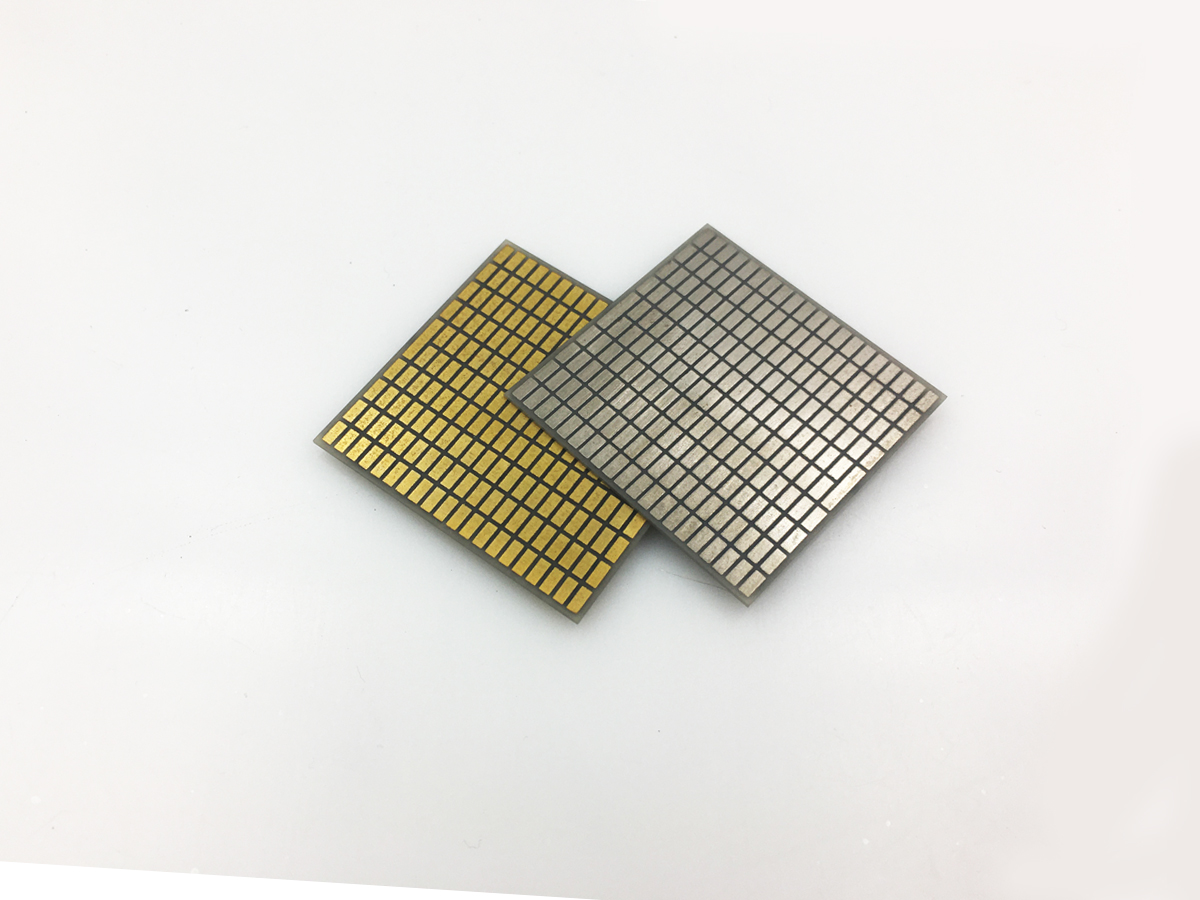
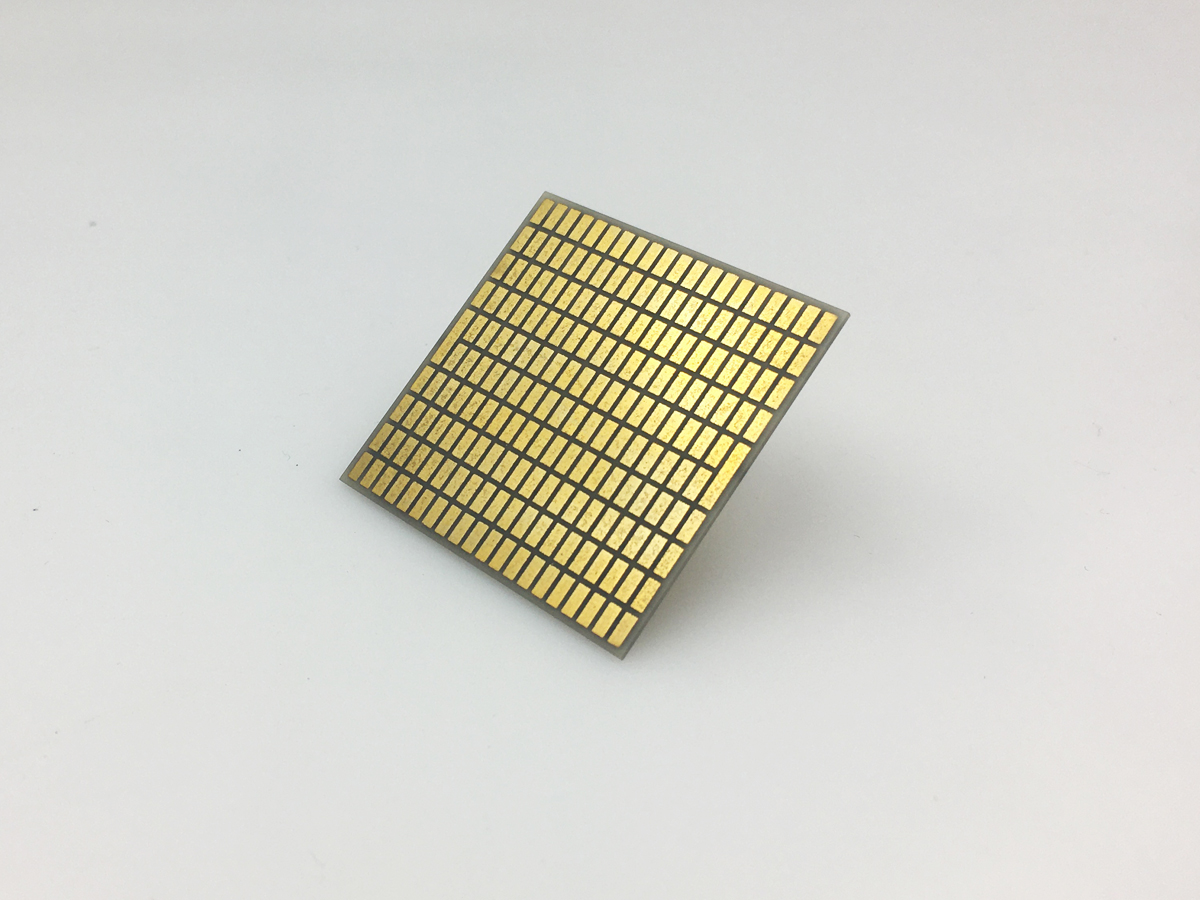
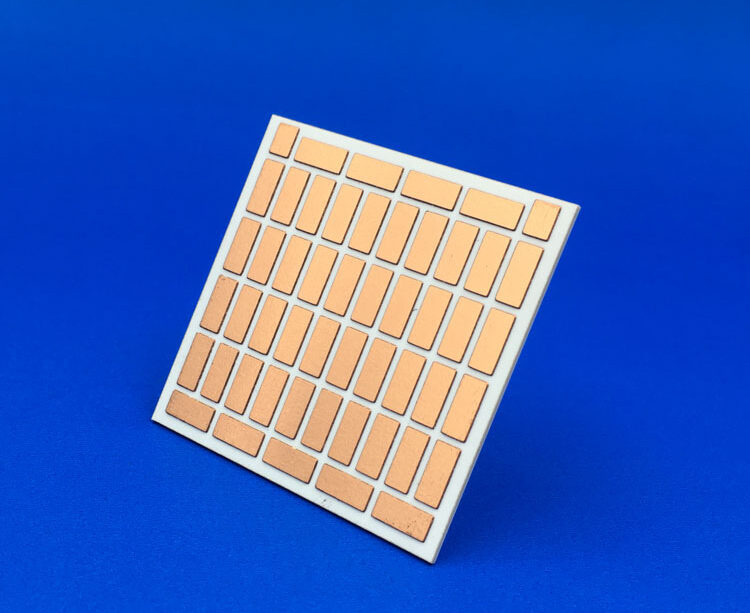
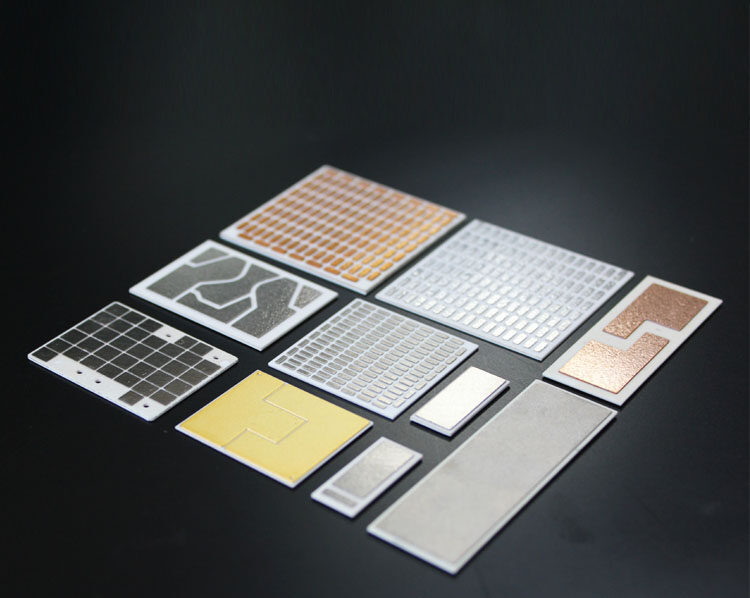
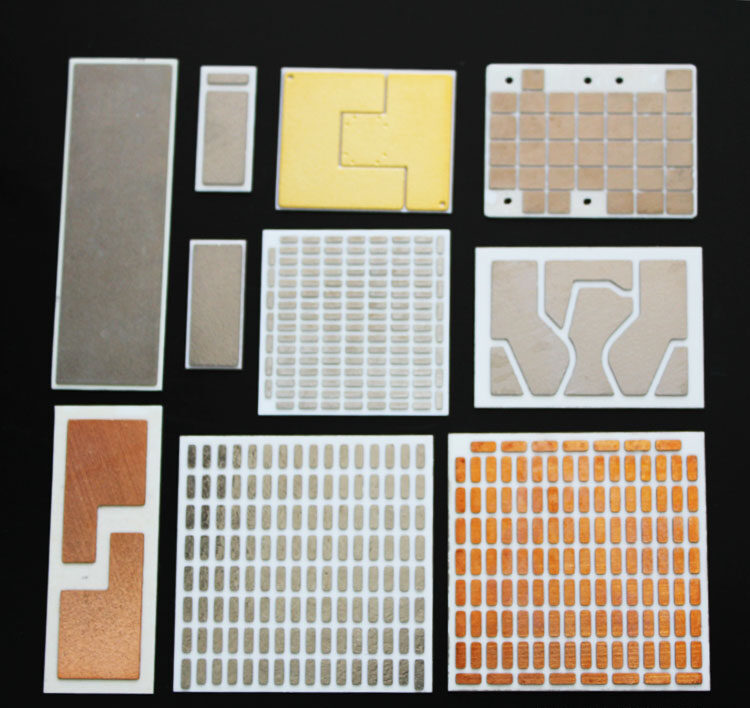
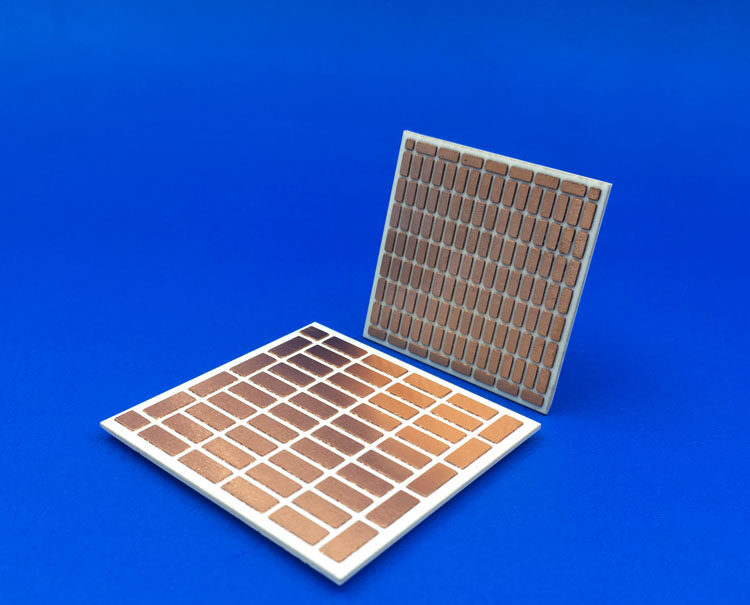
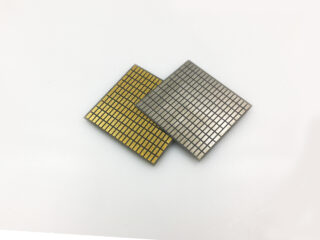
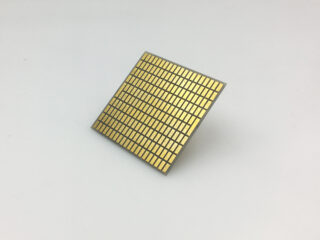
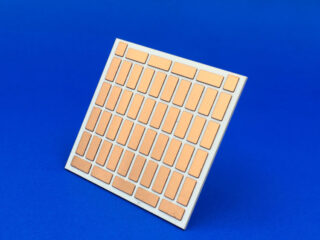
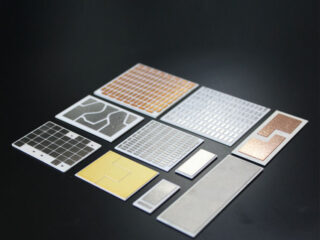
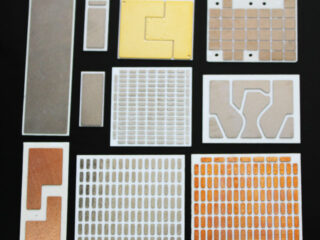
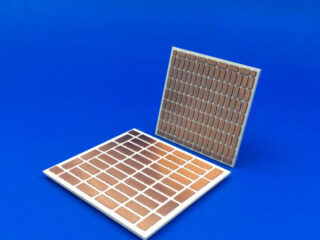
Direct Bonded Copper Ceramic Substrates Material Property
– Low Thermal Expansion
– High Strength
– High Thermal Conductivity
– High Wettability for Solder
Direct Bonded Copper Ceramic Substrates Applied Area
– Power Electronics: IGBT, MOSFET, Thyristor Module, Solid-state Relay, Diode, Power Transistors
– Automotive: ABS, Power Steering, DC/DC Converter, LED Lighting, Ignition Control
– Home Appliance: Air Conditioner, Peltier Cooler
– Environmental Technology: Local Power Generation, Electric Vehicle, Traction Control System, Photovoltaic Units, Wind Power
– Industrial: LED Displays, Welding Machine
– Aerospace: Laser, Power Supply for Satellites and Aircrafts
– PC/IT: Power Supply, UPS System
Declaration: This is an original article of INNOVACERA®. Please indicate the source link when reprinting: https://www.innovacera.com/product/direct-bonded-copper-ceramic-substrates
Frequently Asked Questions
Why choose Direct Bonded Copper (DBC) ceramic substrates for power modules? How does high thermal conductivity protect IGBTs?
Direct Bonded Copper (DBC) substrates utilize a high-temperature hypo-eutectic bonding process to fuse thick copper foil directly to Al2O3 or AlN ceramics without adhesives. This structure delivers superior thermal conductivity, high mechanical strength, and matched thermal expansion coefficients (CTE) to silicon dies. By rapidly channeling high heat away from the junction and supporting heavy current loads, DBC substrates prevent thermal fatigue, delamination, and electrical breakdown in IGBTs, MOSFETs, and EV power electronics.
Can I buy custom DBC ceramic substrates for automotive and solar inverters? What design specs are required by the manufacturer?
Yes, as an experienced technical ceramic substrate manufacturer, INNOVACERA produces custom DBC substrates based on 96% Alumina (Al2O3) and high-thermal Aluminum Nitride (AlN) cores. We support customized copper thicknesses (0.127 mm to 0.5 mm), intricate circuit etching, and surface plating (Ni/Au or Ag). To receive a competitive price quotation, please provide your CAD/Gerber circuit drawings, ceramic substrate thickness, operating voltage, and target thermal performance requirements.