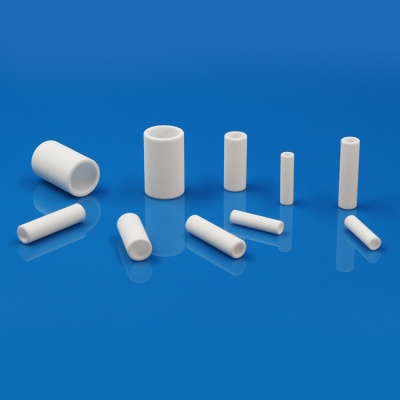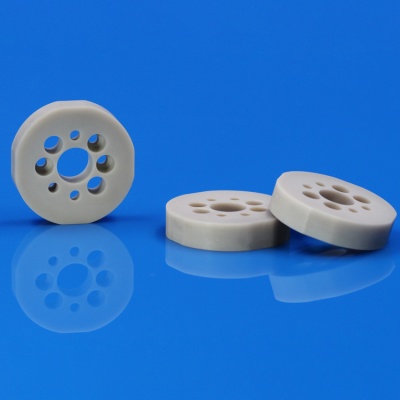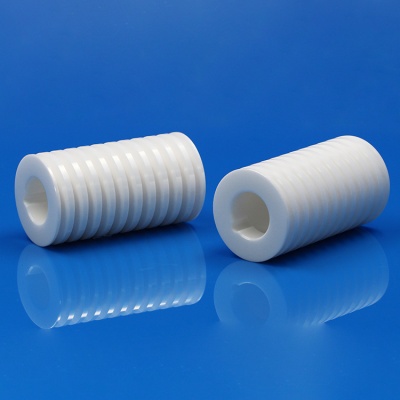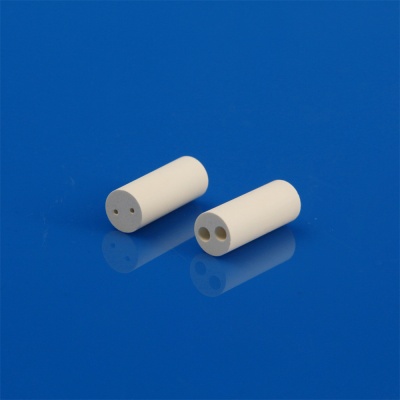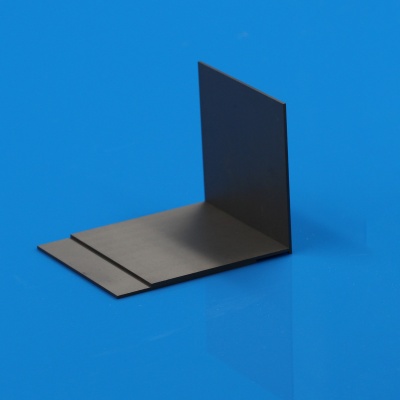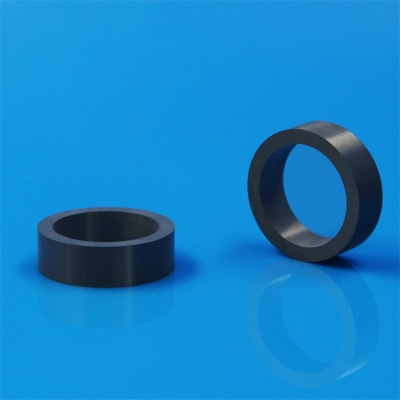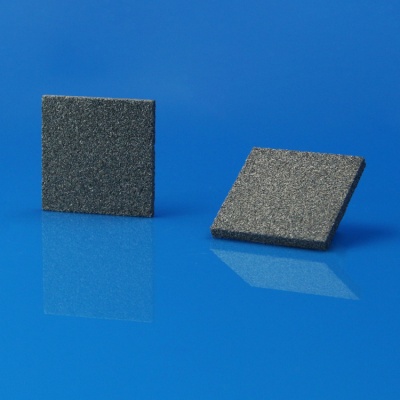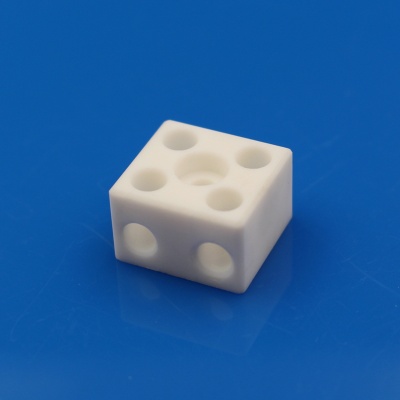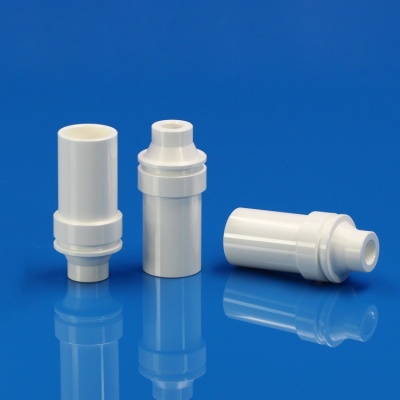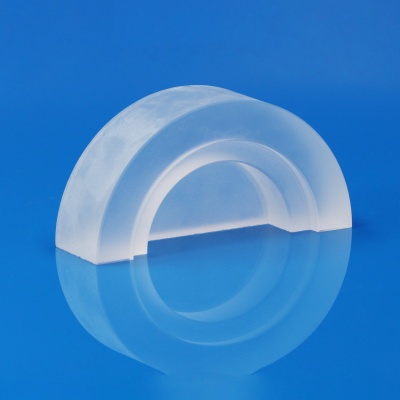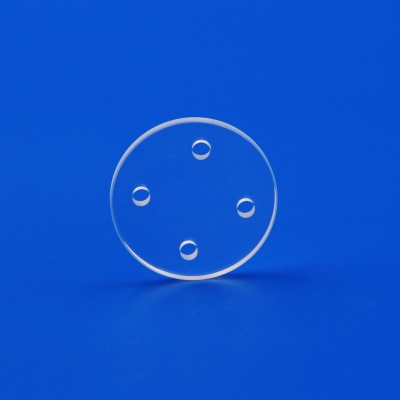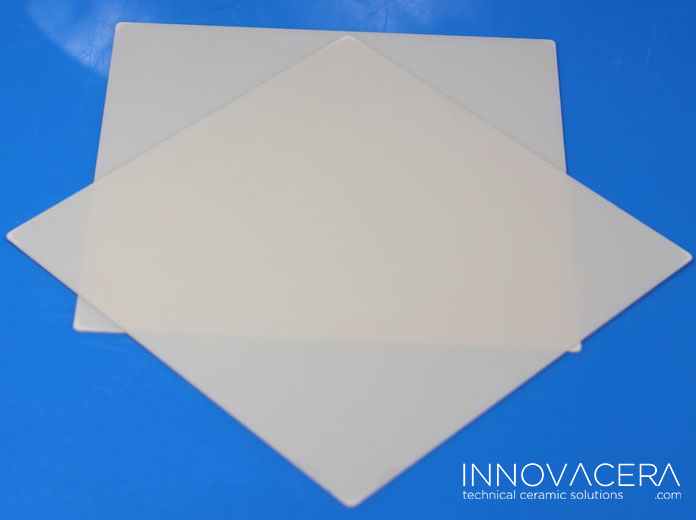
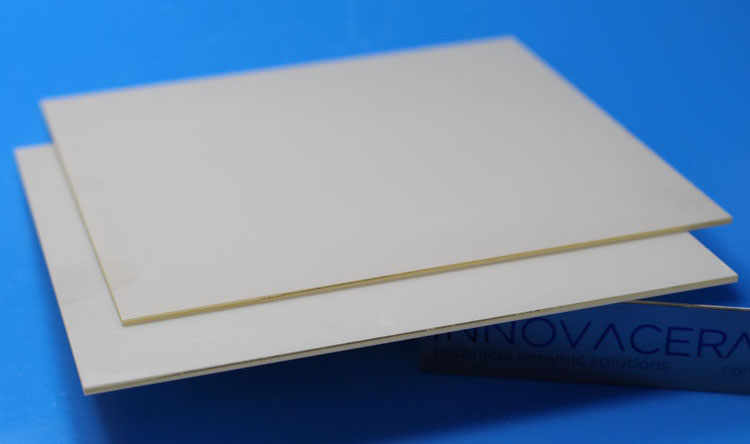
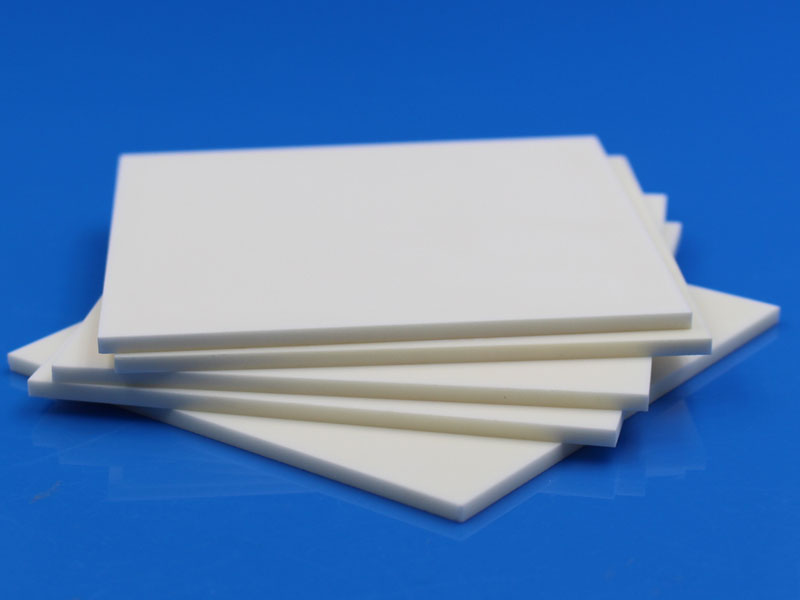
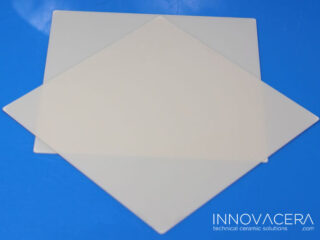
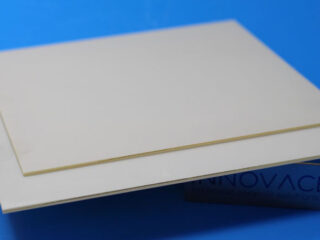
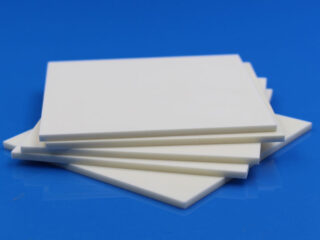
As setter plates, alumina, boron nitride, and aluminum nitride ceramics offer decisive advantages over conventional setters made from materials like graphite or tungsten. This enables energy and cost-efficient processing of high-precision sintering components.
Ceramic sintering tray and setter plates assist optimally in arraying and fixing molded parts in a sintering furnace to prevent brown part deformations during the firing process.
Properties of Ceramic Setter Plate
dust-free and particle-free surface
homogeneous pore size distribution
good mechanical strength with the high porosity
easy machinable, big customized dimensions of the setter possible
very good planarity and surface quality
homogenous shrinking through unimpeded shrinkage
absorption of the binder into the pores during the debonding process
Aluminum Oxide(Al2O3) ceramic setter plate
Lower cost and it is the most popular ceramic setter plate for Metal Injection Molding, with a max service temperature of up to 1600°C(in air).
Boron Nitride(HBN) ceramic setter plate
Soft like graphite called “white graphite”, medium cost, long service lifetime, and used as a setter plate for sintering high temperatures up to 2100°C(Insert Gas)
Aluminum Nitride (AlN) ceramic setter plate
AlN ceramics is the basis for low lateral temperature differences and results in homogeneous thermal distribution within the sintering components.
| Properties | A-997
Aluminum Oxide |
HBN
Boron Nitride |
AN-170
Aluminum Nitride |
| Color | Ivory | White | Dark Gray |
| Porosity Vol | 0~10% | 25% | 0 |
| Main Content | 99.7% | 99.7% | 95% |
| Bulk Density (g/cm3) | 3.9 | 1.6 | 3.3 |
| Bending Strength (MPa) | 320-340 | 18 | 382.7 |
| Coefficient Linear Thermal Expansion (X10-6/℃) | 7.6 | 1.5 | 2.805 |
| Max Using Temperature (℃) | 1600 | 2100 | 1850 |
The setter plate’s maximum dimensions, such as 350 x 350 mm, enable a high packing density. These setter plates can be stacked with integrated cavities on request thereby ensuring fast, effective sintering furnace charging. This makes optimal use of furnace volume and energy expenditure, which results in a fully energetically optimized sintering process.
Declaration: This is an original article of INNOVACERA®. Please indicate the source link when reprinting: https://www.innovacera.com/product/ceramic-setter-plate
Frequently Asked Questions
Looking for a reliable ceramic setter plate supplier? Which material best prevents part deformation and sticking during MIM/CIM sintering?
INNOVACERA supplies high-performance Alumina (Al₂O₃), Boron Nitride (BN), and Aluminum Nitride (AlN) setter plates suited for MIM, CIM, PZT, and SOFC firing up to 2100°C. For standard metal powders, high-purity alumina offers cost-effective durability up to 1600°C; for sticky or reactive electronic components, non-wetting hexagonal boron nitride (HBN) eliminates part adhesion and carbon pickup, while AlN guarantees uniform thermal distribution across large kiln batches.
Need custom ceramic sintering trays with integrated cavities? How do porous setters optimize debinding and furnace capacity?
INNOVACERA manufactures custom setter plates up to 350 × 350 mm with engineered surface porosity and stackable recessed pockets. The homogeneous pore network absorbs organic binders cleanly during thermal debinding while allowing unimpeded part shrinkage. This stackable cavity design maximizes usable furnace volume, cuts electrical energy consumption, and stops green-body warpage during high-temperature firing.