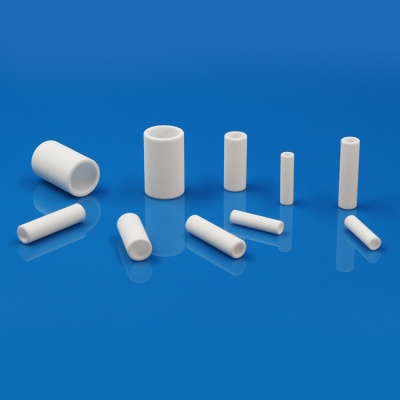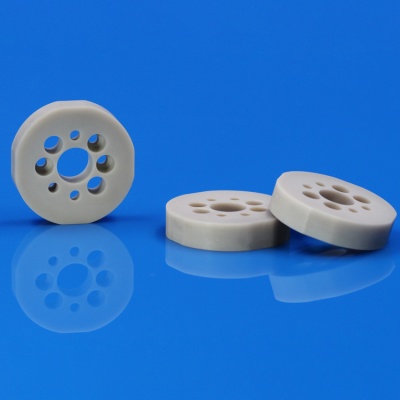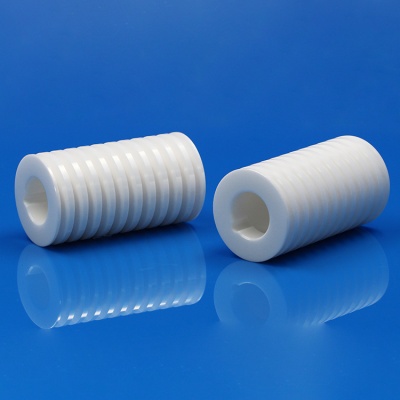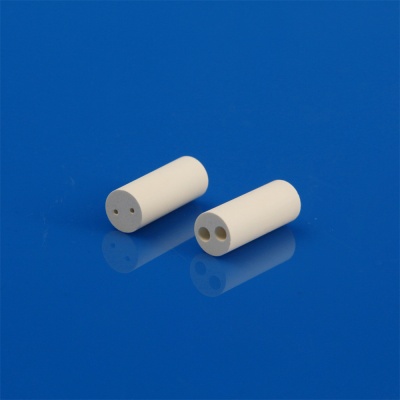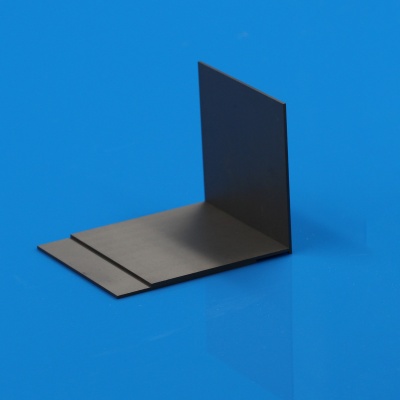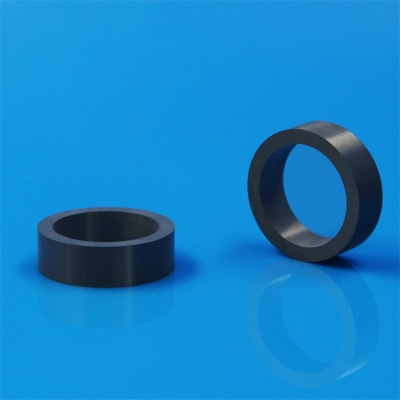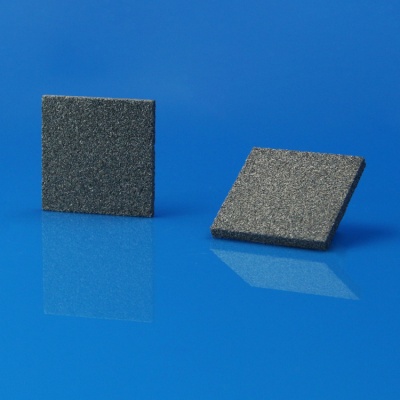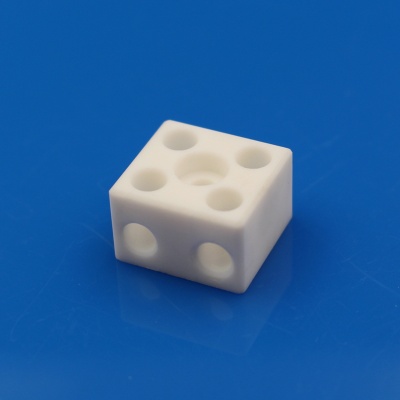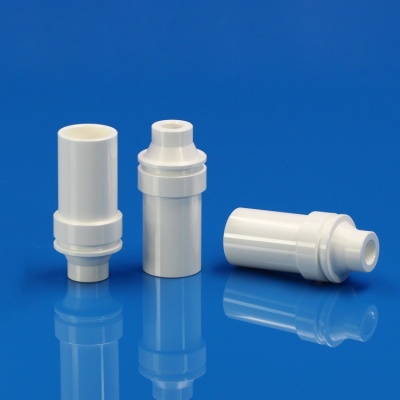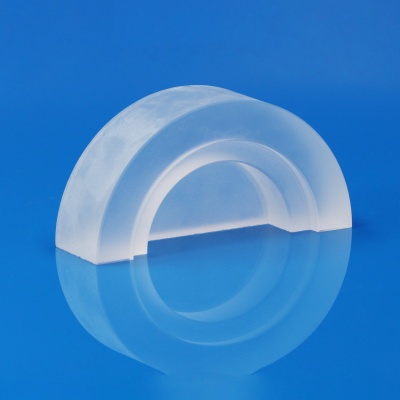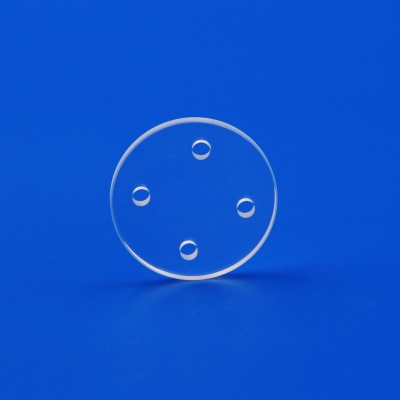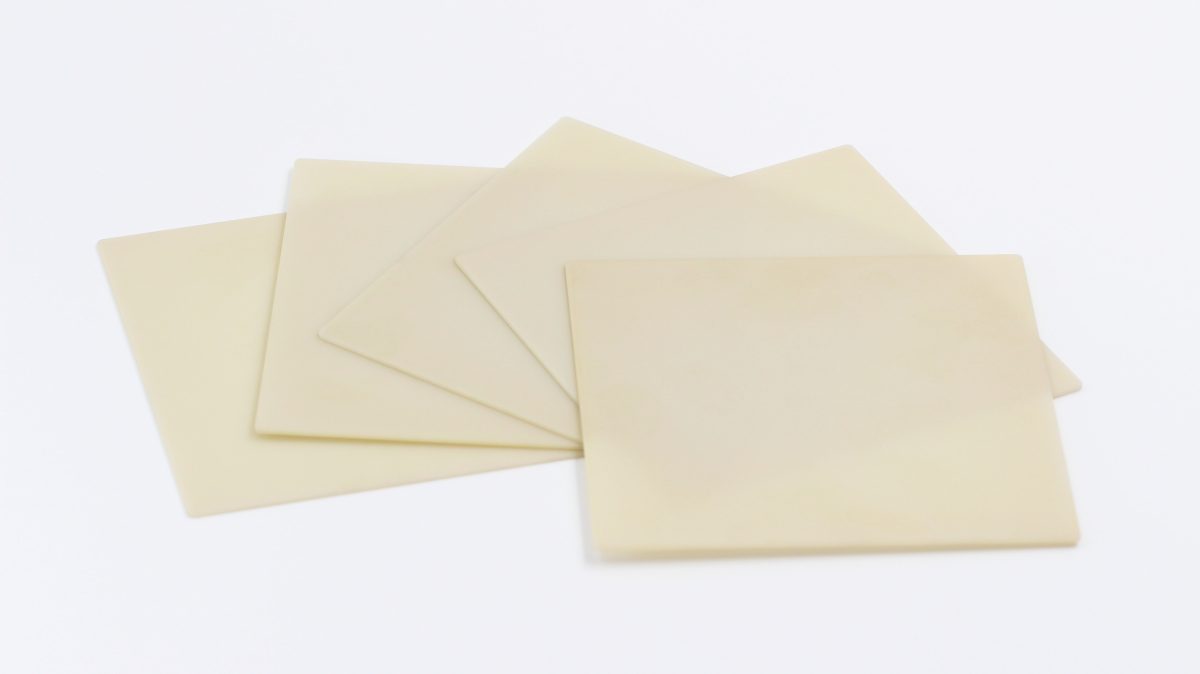
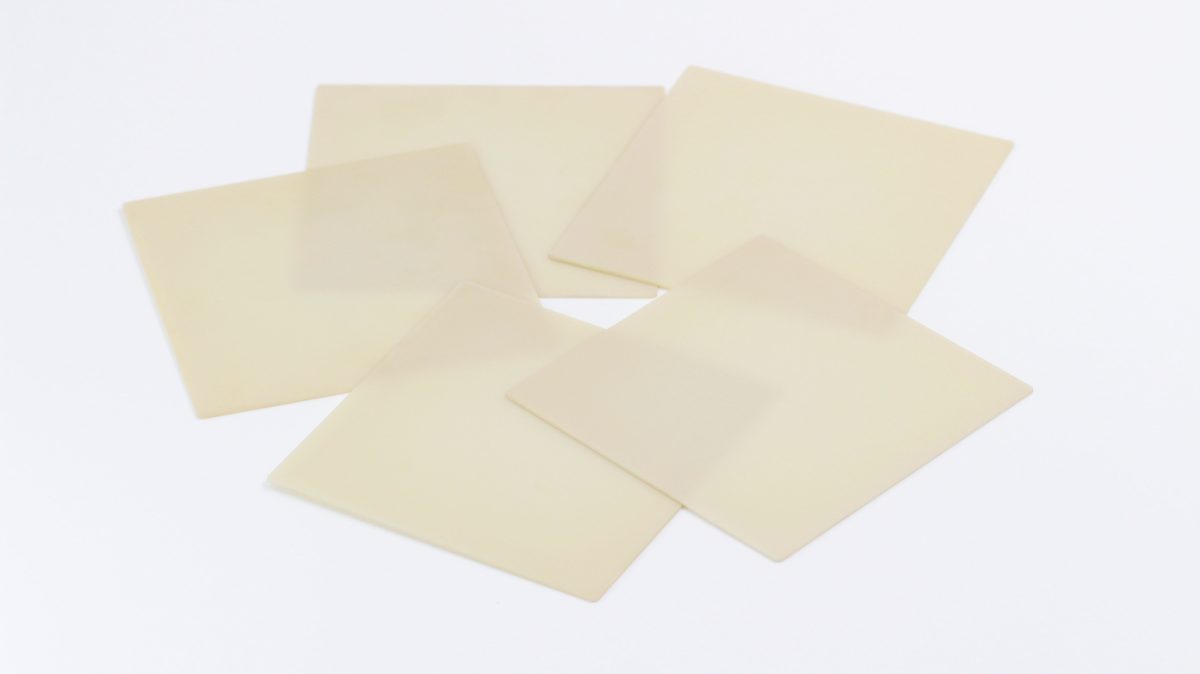
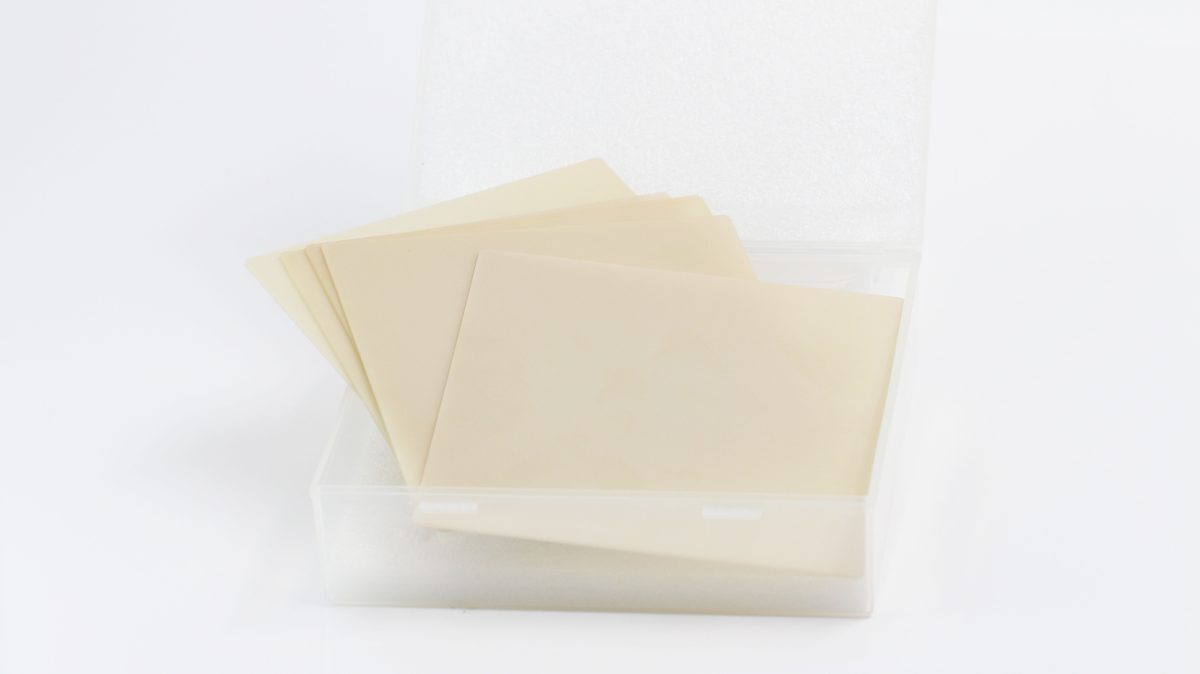
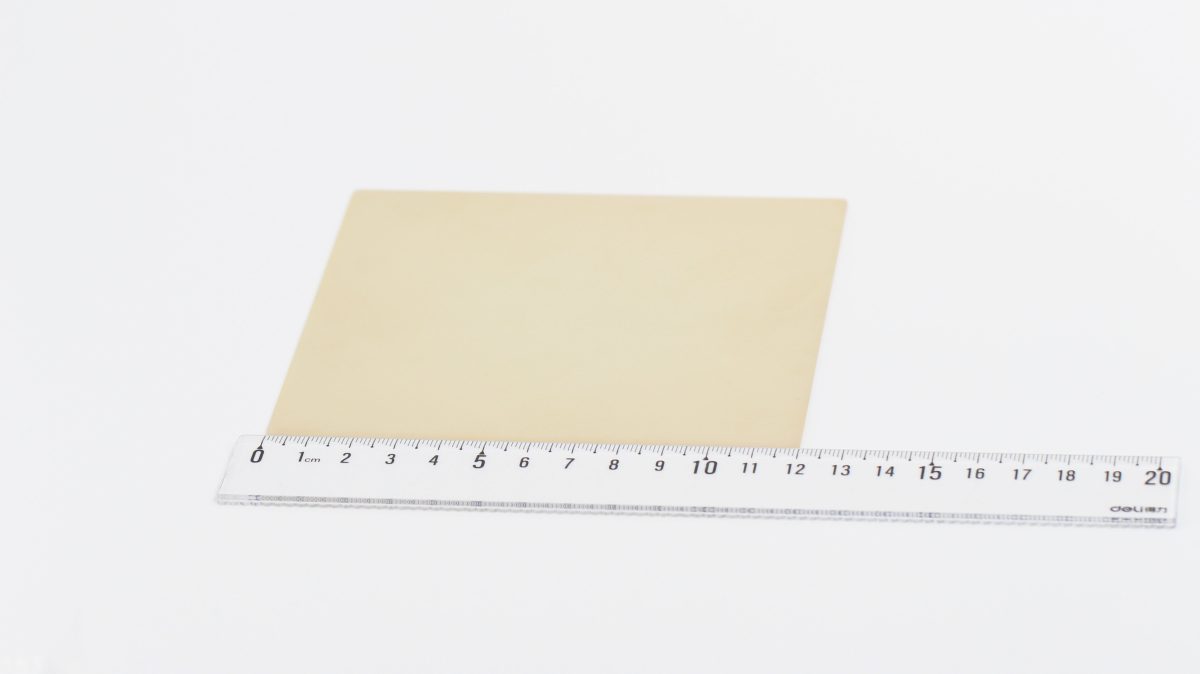
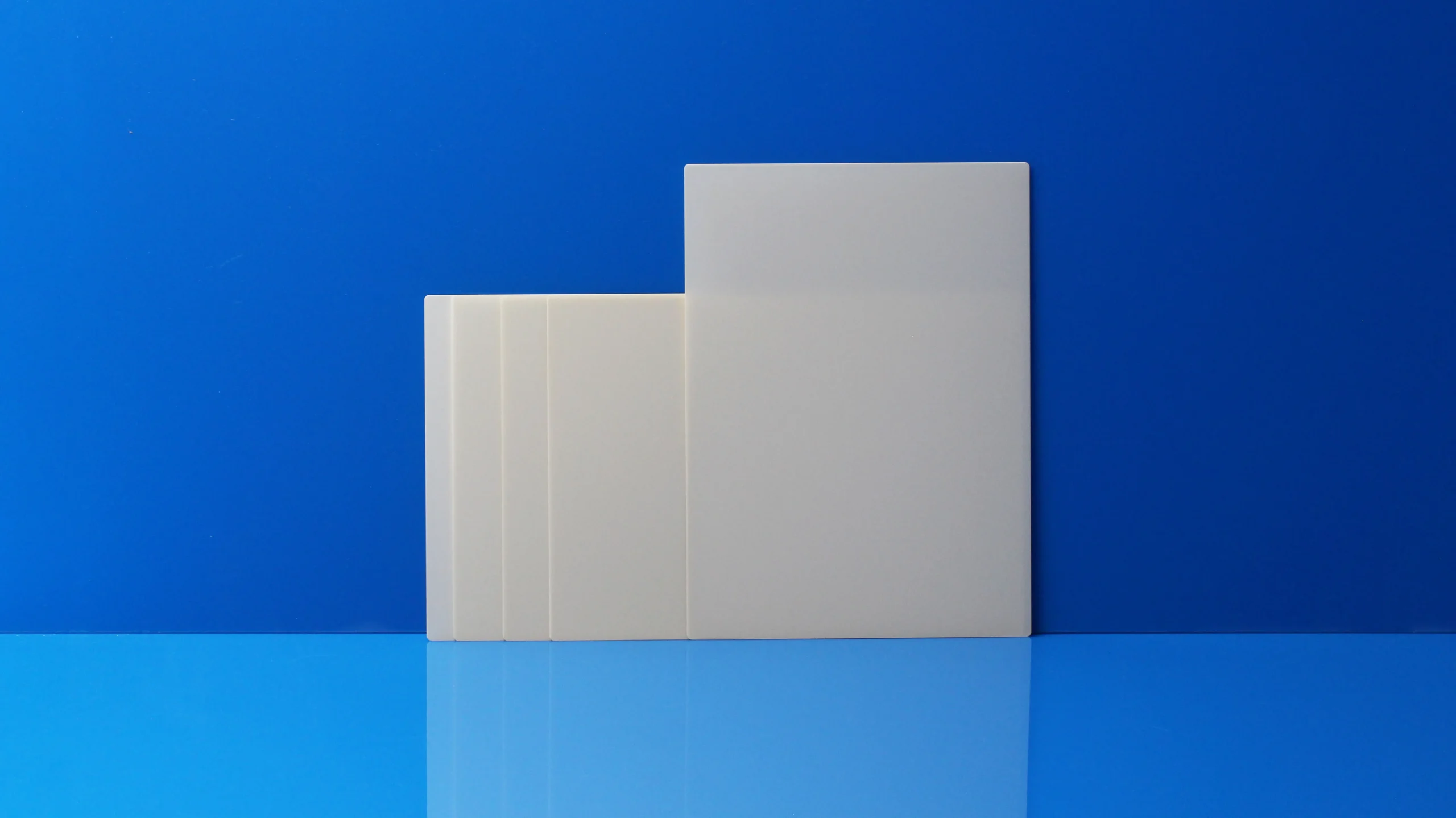

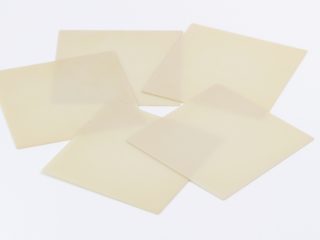
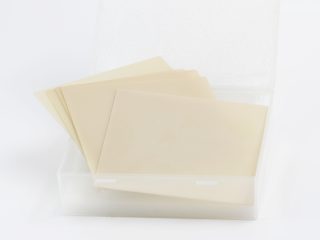
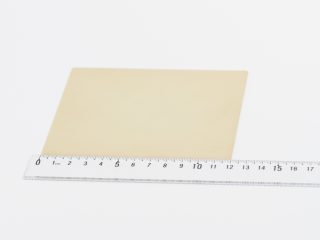
When selecting aluminum nitride substrates for high-power electronics and electronic packaging, thermal conductivity is only one part of the design requirement. INNOVACERA supports AlN substrate selection based on thermal expansion compatibility, dielectric performance, mechanical strength, substrate thickness, surface condition, dimensional tolerance, and downstream processes such as DPC, DBC, AMB, thick-film, thin-film, and bonding. Matching these parameters to the application helps improve thermal management, electrical isolation, assembly reliability, and manufacturing consistency.
Features
- High thermal conductivity: 170–230 W/m·K.
- A thermal expansion coefficient close to silicon helps limit thermal expansion mismatch in silicon-based assemblies.
- Electrical insulation and dielectric properties suitable for electronic substrates.
Application
- IGBT power modules
- Optical modules
- Optoelectronic and laser packaging
- Power electronics
- High-power LED packaging
- Heat dissipation substrates and components
Metallization options include thin-film metallization, thick-film metallization, direct bonded copper (DBC), active metal brazing (AMB), and direct plated copper (DPC). The substrate grade and surface finish are selected according to the required process.
AlN Thermal Conductivity Grades
| Grade | Thermal conductivity at 25°C | Selection considerations |
|---|---|---|
| AN-170 | ≥170 W/m·K | For applications requiring high thermal conductivity and electrical insulation. Typical thermal conductivity: 175 W/m·K; minimum guaranteed value: 170 W/m·K for the specified production grade. |
| AN-200 | ≥200 W/m·K | A higher-conductivity option where the thermal design requires additional heat transfer through the substrate. |
| AN-230 | ≥230 W/m·K | For designs requiring the highest thermal conductivity among these three grades. |
Grade selection also depends on substrate thickness, mechanical requirements, surface finish, and cost. Available dimensions should be confirmed for the selected grade.
Material Properties
| Project | Test conditions | Unit | AlN | |||
| AN-170 | AN-200 | AN-230 | ||||
| Material | - | - | AlN | AlN | AlN | |
| Appearance | - | - | Light blue | beige | beige | |
| Surface roughness | Ra | μm | 0.2~0.75 | 0.2~0.75 | 0.2~0.75 | |
| Density | - | g/cm 3 | ≥3.3 | |||
| Physical properties | Bending strength | 3 -point bending resistance | MPa | ≥400 | ≥350 | ≥300 |
| Vickers hardness | Load 4.9 | GPa | ≥10 | |||
| Water absorption | - | % | - | |||
| Thermal performance | Thermal conductivity | 25℃ | W/(m·k) | ≥170 | ≥200 | ≥230 |
| Linear thermal expansion coefficient | 25-500℃ | x10 -6 mm/℃ | 4~6 | |||
| Thermal shock resistance | 800℃ | Time | ≥10 | |||
| Specific heat | - | J/(kg·K) | 720 | |||
| Electrical properties | Dielectric constant | 1MHz/25℃ | - | 8~9 | ||
| Dielectric loss | 1MHz/25℃ | x10 -4 | ≤3 | |||
| Volume resistivity | 25℃ | Ω·cm | >10¹⁴ | |||
| Breakdown voltage | - | kV/mm | > 17 | |||
| Light performance | Reflectivity | Reflectivity meter | - | - | ||
| Whiteness | Whiteness meter | - | - | |||
Specifications and Dimensions
| Size (mm) / Thickness (mm) | 0.25 | 0.38 | 0.50 | 0.635 | 0.76 | 1.0 | 1.2 | 1.5 | 2.0 |
|---|---|---|---|---|---|---|---|---|---|
| 101.6 × 101.6 | ✓ | ✓ | ✓ | ✓ | ✓ | ✓ | ✓ | ✓ | ✓ |
| 114.3 × 114.3 | ✓ | ✓ | ✓ | ✓ | ✓ | ✓ | ✓ | ✓ | ✓ |
| 120 × 120 | ✓ | ✓ | ✓ | ✓ | ✓ | ✓ | ✓ | ✓ | ✓ |
| 138 × 190 | — | ✓ | ✓ | ✓ | ✓ | ✓ | ✓ | ✓ | ✓ |
Master Sheets and Application Sizes
| Item | Specification |
|---|---|
| Standard master sheet | 138 × 190 mm |
| Sizes supplied for DPC applications | 138 × 190 × 0.38 mm; 138 × 190 × 0.50 mm; 138 × 190 × 0.635 mm |
| Sizes supplied for thick-film applications | 137 × 157 × 1.0 mm; 132 × 142 × 1.0 mm; 132 × 142 × 1.2 mm |
| Thickness tolerance | ±0.05 mm for specified production sizes; tolerances are confirmed for the selected part |
| Warpage | 0.3% production control level for specified production formats; acceptance limit and measurement method are confirmed in the product specification |
| Custom requirements | Thermal conductivity grade, dimensions, thickness, surface finish, and machining features |
Processing
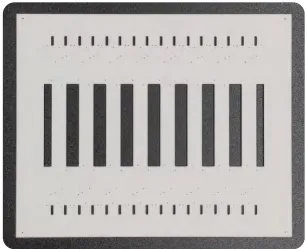
• Laser processing
• Grinding and polishing sheet roughness table
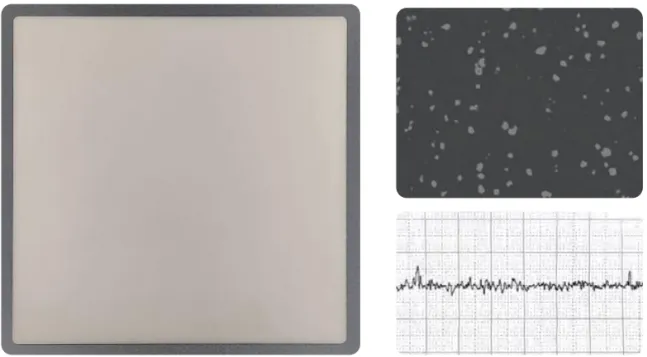
| Processing item | Standard tolerance | Precision tolerance |
|---|---|---|
| Internal dimensions | ±0.05 mm | ±0.03 mm |
| External dimensions | ±0.15 mm | ±0.10 mm |
| Hole diameter, Ø0.07–0.15 mm | ±0.05 mm | ±0.02 mm |
| Hole diameter, Ø >0.15 mm | ±0.10 mm | ±0.02 mm |
| Surface finish | Standard Ra (μm) | Precision Ra (μm) |
|---|---|---|
| Grinding | 0.3–0.6 | 0.3–0.5 |
| Fine grinding | 0.1–0.4 | 0.1–0.3 |
| Polishing | ≤0.10 | ≤0.05 |
Declaration: This is an original article of INNOVACERA®. Please indicate the source link when reprinting: https://www.innovacera.com/product/aluminum-nitride-aln-substrates
Frequently Asked Questions
What applications are AlN ceramic substrates commonly used for?
Typical applications include IGBT and SiC power modules, semiconductor packaging, laser diode submounts, high-power LEDs, RF and microwave devices, optical modules and other thermal-management assemblies.
What information is required for an AlN substrate quotation?
For a faster evaluation, please provide the substrate dimensions, thickness, quantity, thermal conductivity grade, dimensional tolerances, flatness or warpage requirement, surface roughness, machining features and metallization requirements, preferably with a drawing.
What surface finishes are available for AlN substrates?
AlN substrates can be supplied with as-fired, ground, lapped or polished surfaces. Surface roughness should be selected according to downstream processes such as thin-film deposition, thick-film metallization, bonding or assembly.
What thermal conductivity grades are available for AlN substrates?
INNOVACERA offers aluminum nitride substrates with typical thermal conductivity grades of 170, 200 and 230 W/m·K. The appropriate grade depends on the thermal design, mechanical requirements and cost target of the application.
What thicknesses are available for aluminum nitride substrates?
Common thicknesses include 0.25, 0.38, 0.5, 0.635, 0.76, 1.0, 1.2, 1.5 and 2.0 mm. Other thicknesses can be evaluated based on substrate size, tolerance and quantity.