With the rapid development of AI computing power, cloud computing, and data center networks, optical communication systems are continuously evolving toward higher bandwidth. As data transmission rates increase from 400G to 800G and up to 1.6T, power density is also rising significantly.
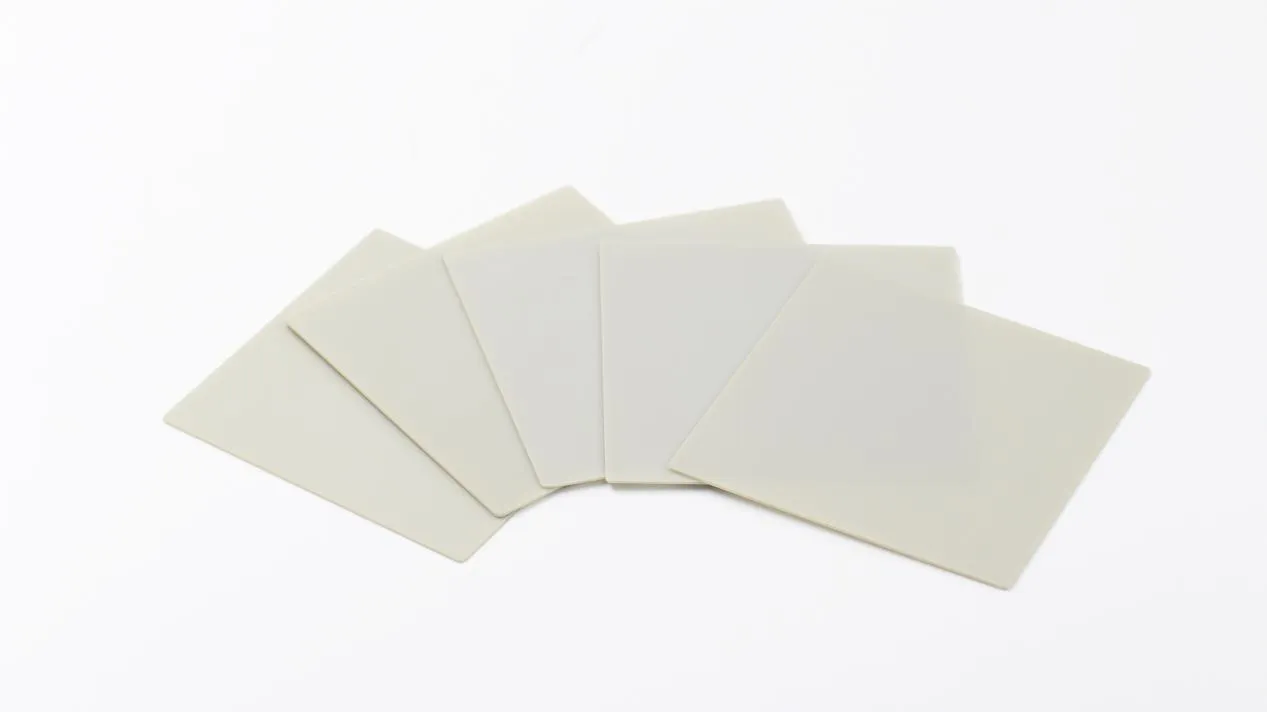
Under these circumstances, thermal management within optical modules has gradually become one of the key factors affecting performance stability and long-term reliability. Due to its excellent thermal conductivity and electrical insulation properties, aluminum nitride (AlN) ceramic substrates are emerging as a critical material choice for high-speed optical module packaging.
01 Industry Insight: High-Speed Optical Modules Are Driving the Upgrade of Packaging Materials
In recent years, AI data centers and high-speed communication networks have continued to expand, pushing optical modules rapidly from 100G/200G toward 400G, 800G, and even 1.6T. As data rates increase, internal integration within modules continues to rise. Key components such as lasers, driver chips, DSPs, and optoelectronic conversion devices are highly integrated into limited spaces, resulting in increasing heat generation per unit volume and growing thermal management challenges.
In early applications, aluminum oxide (Al2O3) ceramic substrates, thanks to their mature manufacturing processes and cost advantages, have been widely used in medium- and low-speed optical modules and general electronic packaging. However, in high-speed, high-power, and long-term stable operation scenarios, their relatively limited thermal conductivity has gradually become a bottleneck.
By contrast, aluminum nitride ceramics—offering significantly higher thermal conductivity—are gaining increasing attention in high-end optical communication packaging.
02 From Cost-Driven to Performance-Driven: The Evolution of Material Selection Logic
In the early days of the optical communications industry, cost and mass production capability were primary concerns. However, with the development of AI data centers and high-performance computing, system design is gradually shifting its focus toward performance and reliability.
Today, design engineers are increasingly prioritizing the following factors in material selection:
• Thermal resistance control capability
• Long-term temperature cycling stability
• Consistency in device operating temperature
• Compatibility with high power density
• Suitability for miniaturized packaging
Against this backdrop, ceramic packaging materials are evolving toward high thermal conductivity systems. Among them, aluminum nitride, due to its superior overall performance, is being progressively adopted in certain high-speed optical modules and optical engine packaging.
03 Why is aluminum nitride ceramic substrate suitable for optical module packaging?
The advantages of aluminum nitride ceramic substrate in optical communication packaging mainly lie in the following aspects:
High thermal conductivity:
The thermal conductivity of aluminum nitride is typically 170–230 W/m·K, which is much higher than that of traditional alumina ceramic materials.
This characteristic enables it to quickly conduct the heat generated by key components such as lasers, driver chips, and DSPs to the heat dissipation structure, thereby effectively reducing local temperature rise.
Electrical insulation and structural support capability:
While providing efficient heat dissipation, aluminum nitride still has excellent electrical insulation performance, which can simultaneously undertake the following in the optical module:
• Electrical isolation
• Component support
• Heat conduction
Meeting the material’s multi-functionality requirements for high-integration packaging.
Better thermal matching performance:
During temperature cycling, the thermal expansion differences between different materials may lead to accumulated packaging stress, thereby affecting long-term reliability. The thermal expansion coefficient of aluminum nitride is much better matched with silicon and indium phosphide semiconductor materials of optical chips than that of alumina, helping to reduce thermal stress and improve the stability of the packaging structure.
04 Impact on the Long-Term Reliability of Optical Modules
During the long-term operation of high-speed optical modules, temperature stability and thermal cycling reliability directly affect the system lifespan and signal stability.
Using aluminum nitride ceramic substrates helps:
• Reduce the operating temperature of the devices
• Minimize temperature gradients
• Reduce thermal stress concentration
• Delay the aging process of materials
Thereby enhancing the overall operational stability and lifespan of the optical module under high-frequency and high-load conditions.
05 Typical Application Domains
Currently, aluminum nitride ceramic substrates have been widely used in the following high-speed optical communication scenarios:
• 400G / 800G / 1.6T optical modules
• High-speed optical transceivers
• Data center optical interconnection devices
• Silicon photonics packaging structures
• Optical engines
• Coherent optical communication systems
With the development of co-packaged optics (CPO) and high-density optical interconnection technologies, the demand for high thermal conductivity ceramic substrates is still continuously increasing.
06 INNOVACERA Nitride Aluminum Ceramic Substrate Solution
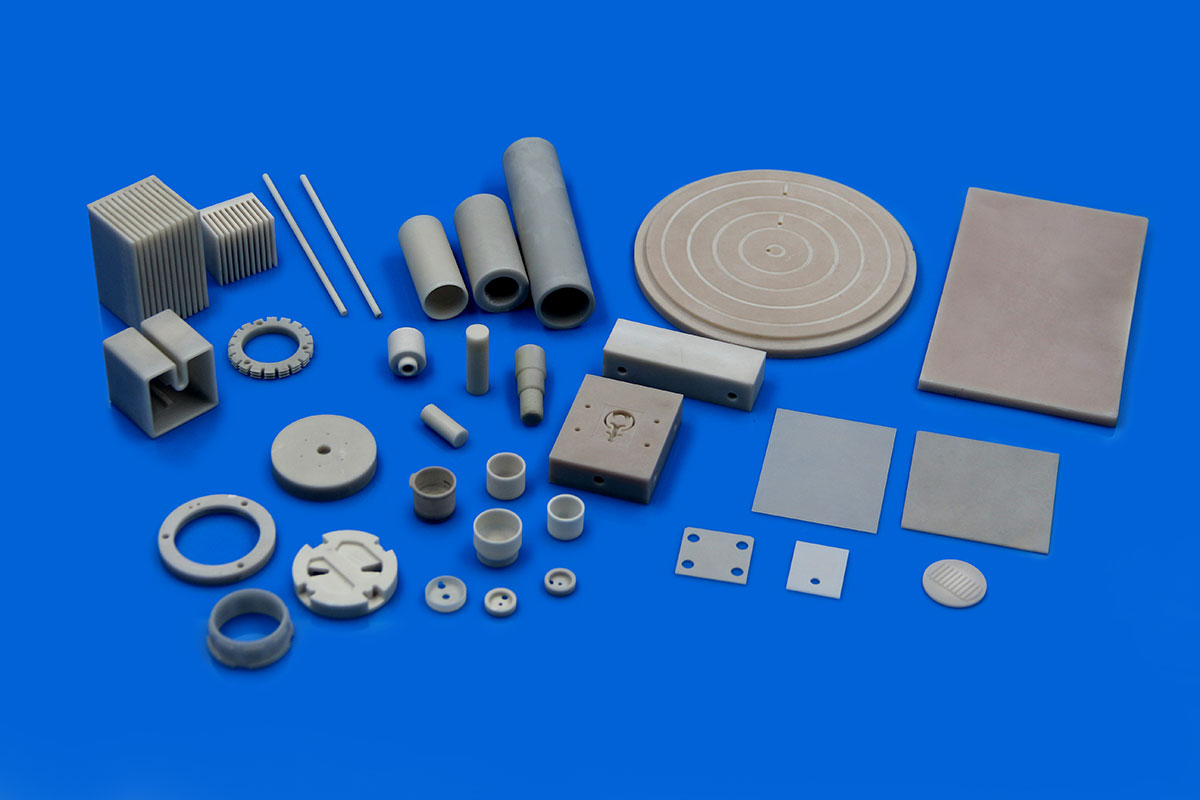
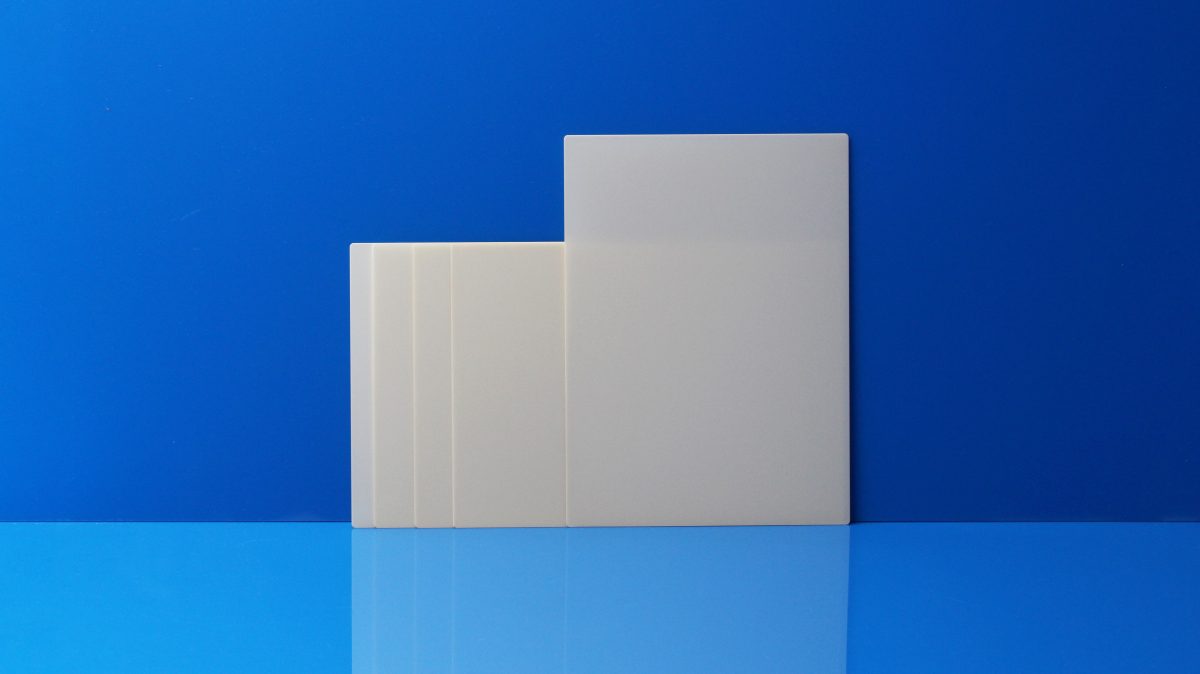
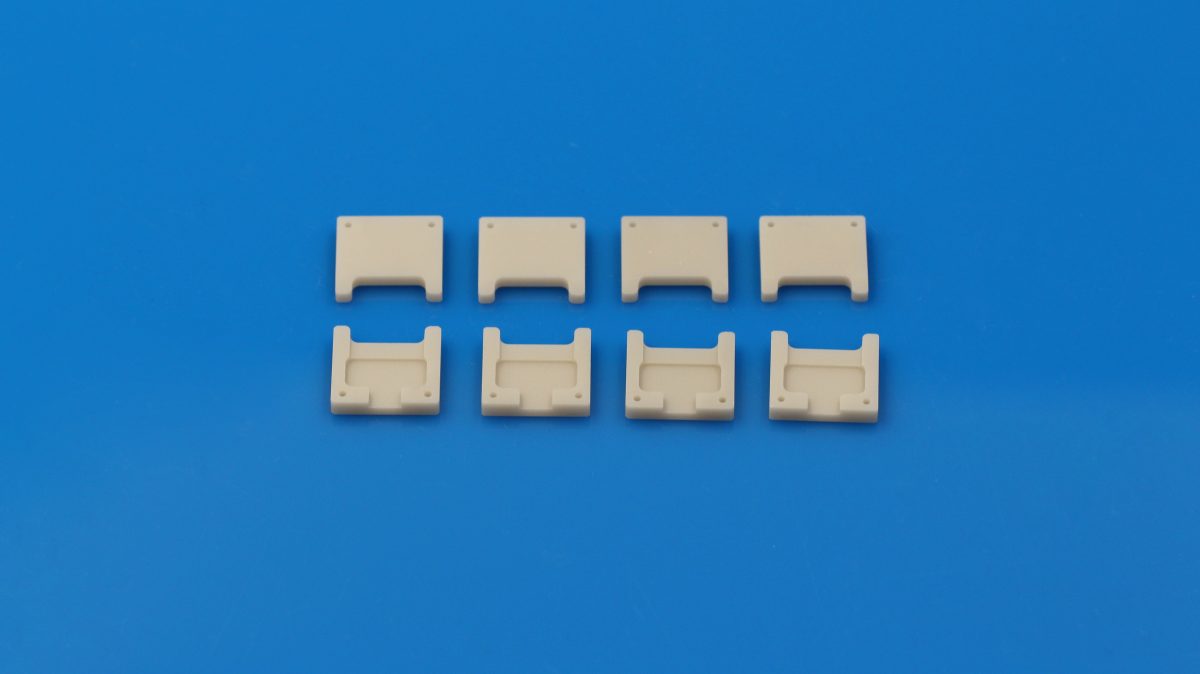
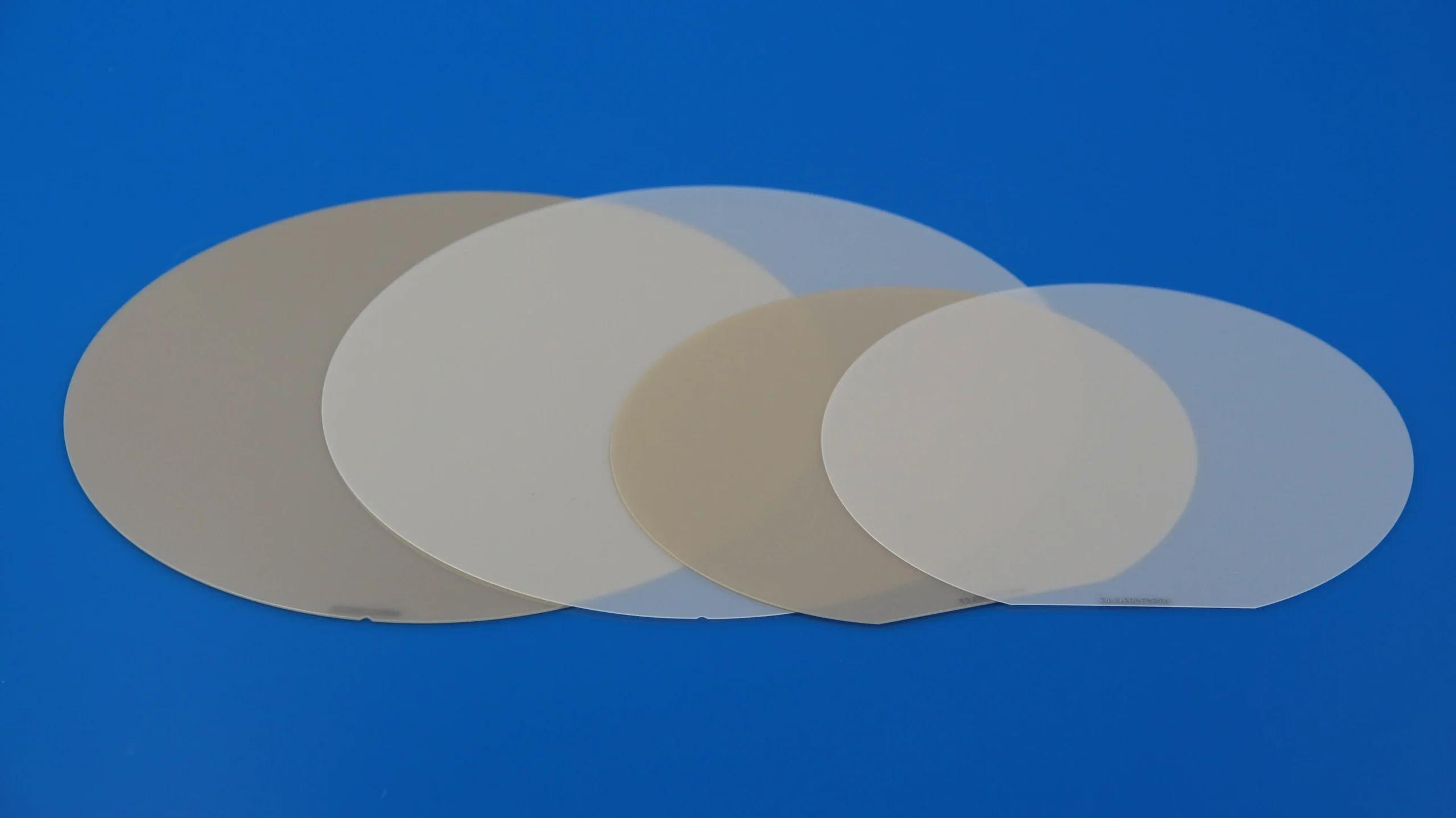
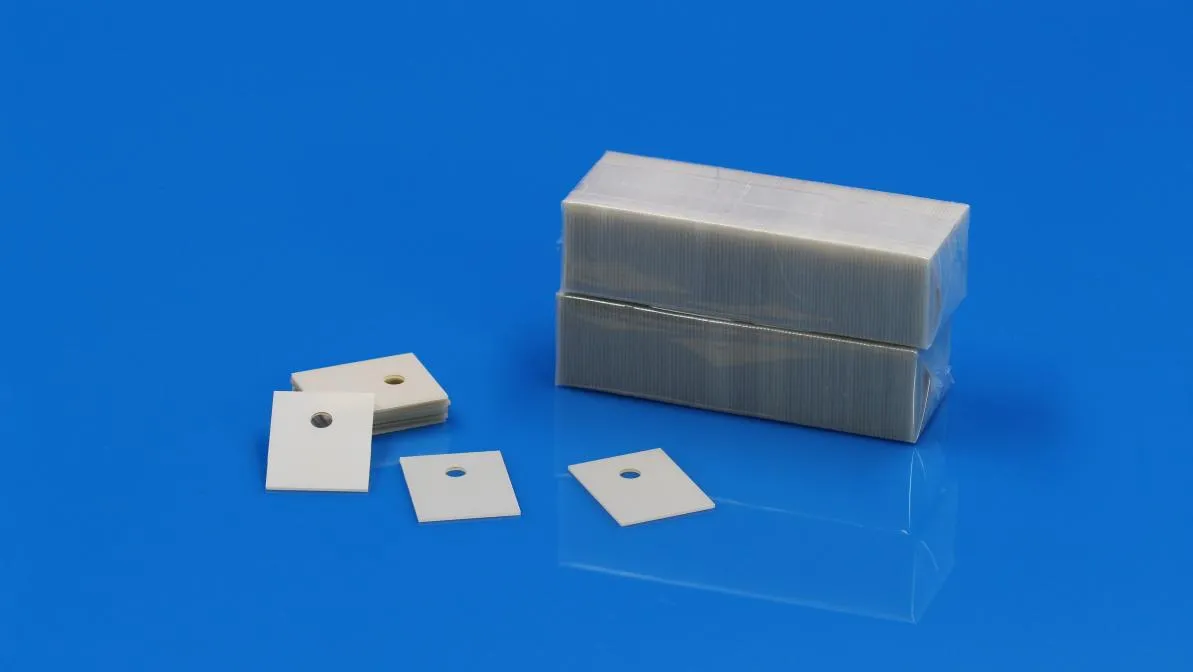
INNOVACERA can offer high thermal conductivity nitride aluminum ceramic substrate products, suitable for high-speed optical communication, electronic packaging, and high-power thermal management applications.
Product features include:
• High thermal conductivity AlN material system
• Excellent electrical insulation performance
• Good dimensional stability
• Support for various thickness and size specifications
• Customized processing and surface treatment solutions can be provided
| Item | Testing Conditions | Unit | AlN | |||
|---|---|---|---|---|---|---|
| AN-170 | AN-200 | AN-230 | ||||
| Material | – | – | AlN | |||
| Appearance | – | – | Light cyan | Beige | Beige | |
| Surface Roughness | Ra | μm | 0.1~0.75 | |||
| Density | – | g/cm3 | ≥3.3 | |||
| Physical Properties | Bending Strength | Three-Point Bending | MPa | ≥400 | ≥350 | ≥300 |
| Vickers Hardness | – | – | ≥1000HV0.2 | |||
| Water Absorption Rate | – | % | – | |||
| Thermal Properties | Thermal Conductivity | 25℃ | W/(m·K) | ≥170 | ≥200 | ≥230 |
| Linera Coefficient of Thermal Expansion | 25-500℃ | x10-6mm/℃ | 4~6 | |||
| Thermal Shock Resistance | 800℃ | Time | ≥10 | |||
| Specific Heat | – | J/(kg·K) | 720 | |||
| Electrical Properties | Dielectric Constant | 1MHz/25℃ | – | 8~9 | ||
| Dielectric Loss | 1MHz/25℃ | x10-4 | ≤3 | |||
| Volume Resistivity | 25℃ | Ω·cm | >1014 | |||
| Breakdown Voltage | – | kV/mm | >17 | |||
| Optical Properties | Reflectance | Reflectance Meter | – | – | ||
| Whiteness | Whiteness Meter | – | – |
If you need further information about the technical parameters and customization options of nitride aluminum ceramic substrates, please contact sales@innovacera.com for professional support.