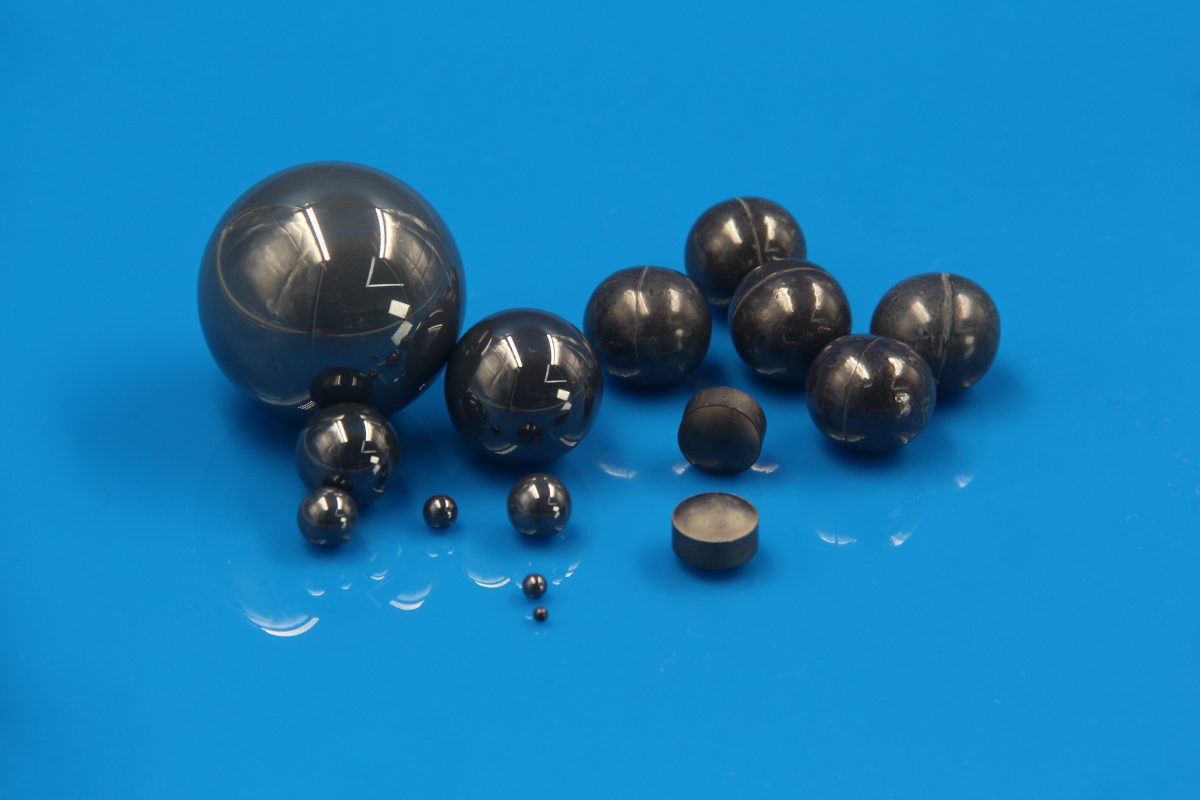
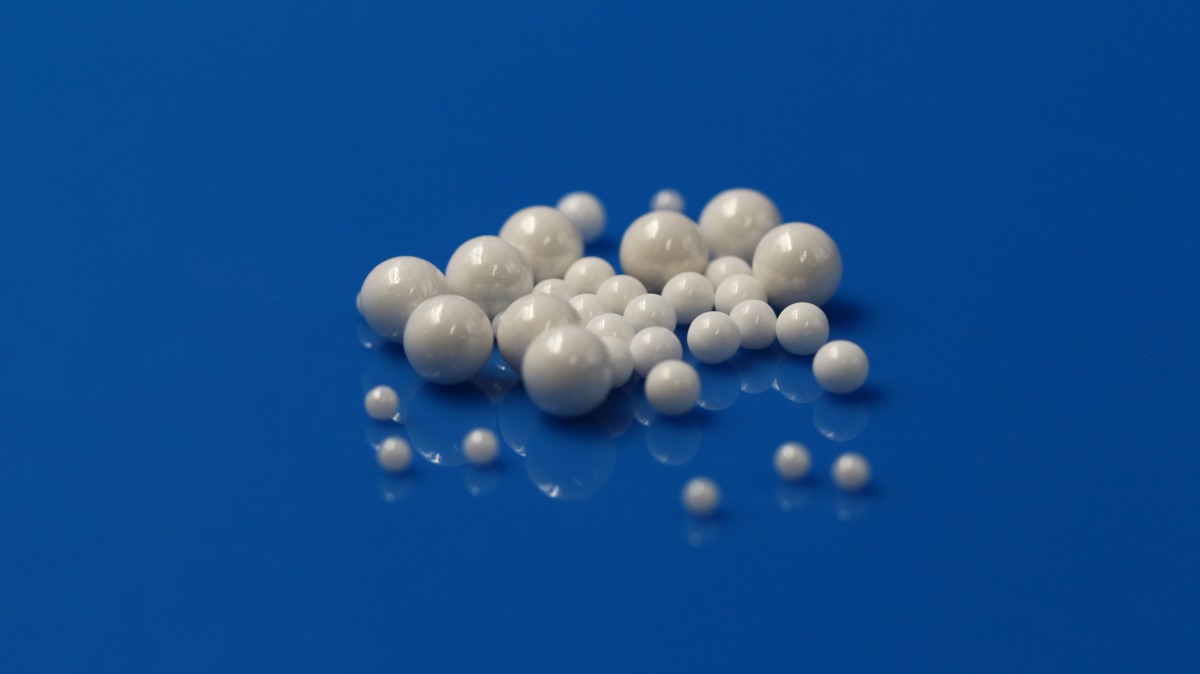
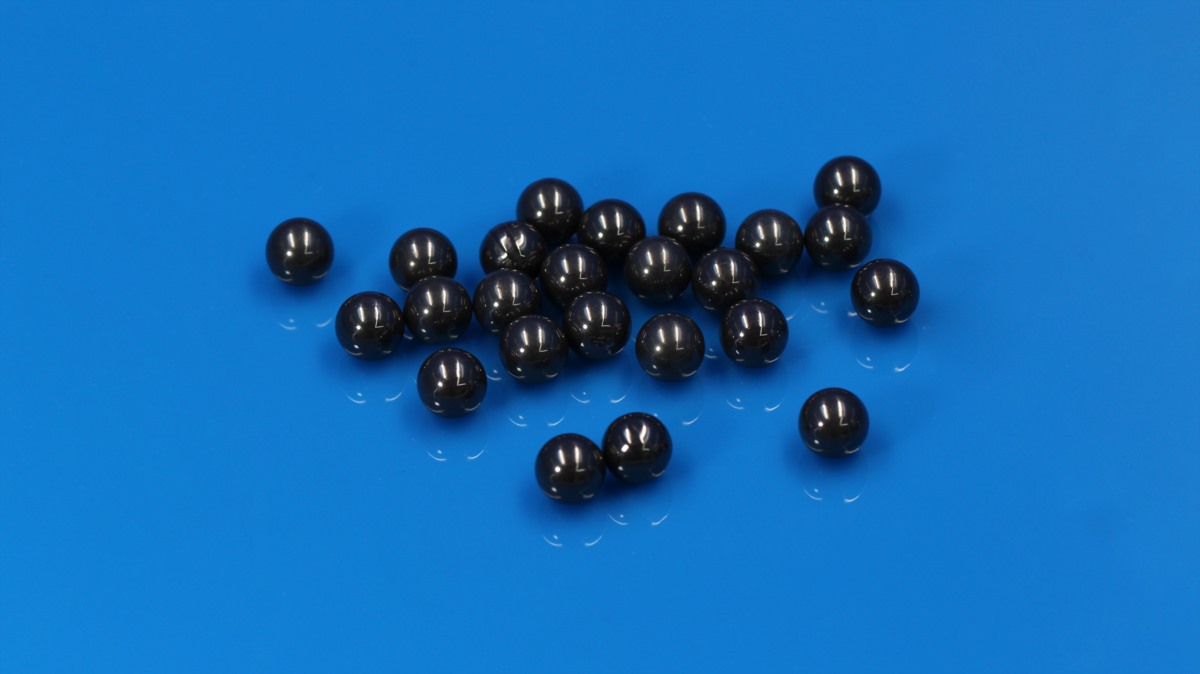
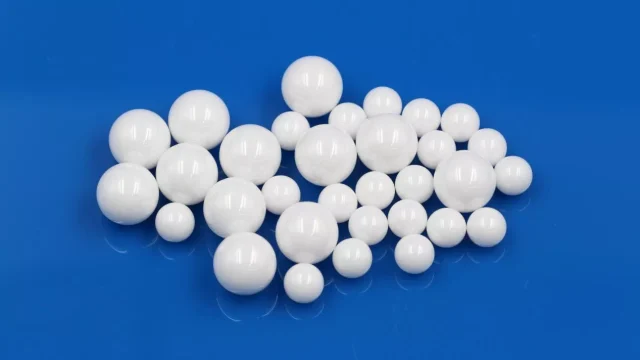
As precision machining, premium equipment and automated tech keep advancing, precision ceramic balls are widely adopted in high-performance machinery. Boasting outstanding wear resistance, corrosion resistance, heat resistance and insulation, they are a prime pick for vital moving parts.
The mainstream precision ceramic balls sold fall into three categories: alumina, zirconia and silicon nitride. Every material comes with unique traits, and none can be deemed universally superior. Actual selection should be based on a comprehensive consideration of equipment operating conditions, performance requirements, and cost budget.
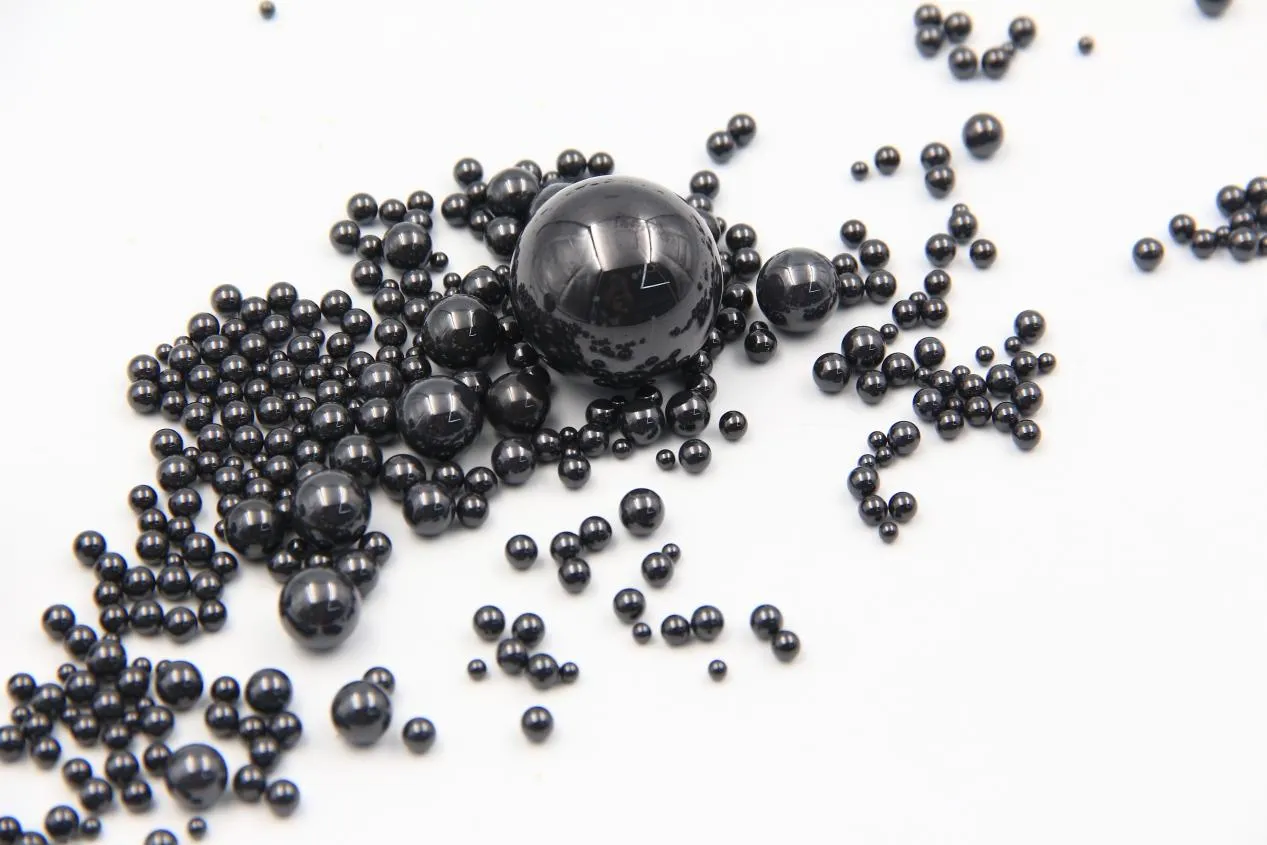
In demanding applications involving high speed, high temperature, heavy loads, and high reliability, silicon nitride precision balls are becoming an increasingly important material choice for more advanced industrial applications due to their balanced and superior overall performance.
I. What are the characteristics of different ceramic precision ball materials?
Alumina precision balls possess high hardness, excellent wear resistance, and strong chemical corrosion resistance, along with relatively low manufacturing costs. As a result, they are widely used in general industrial equipment, chemical processing equipment, and wear-resistant components, making them one of the most extensively applied engineering ceramic ball materials today.
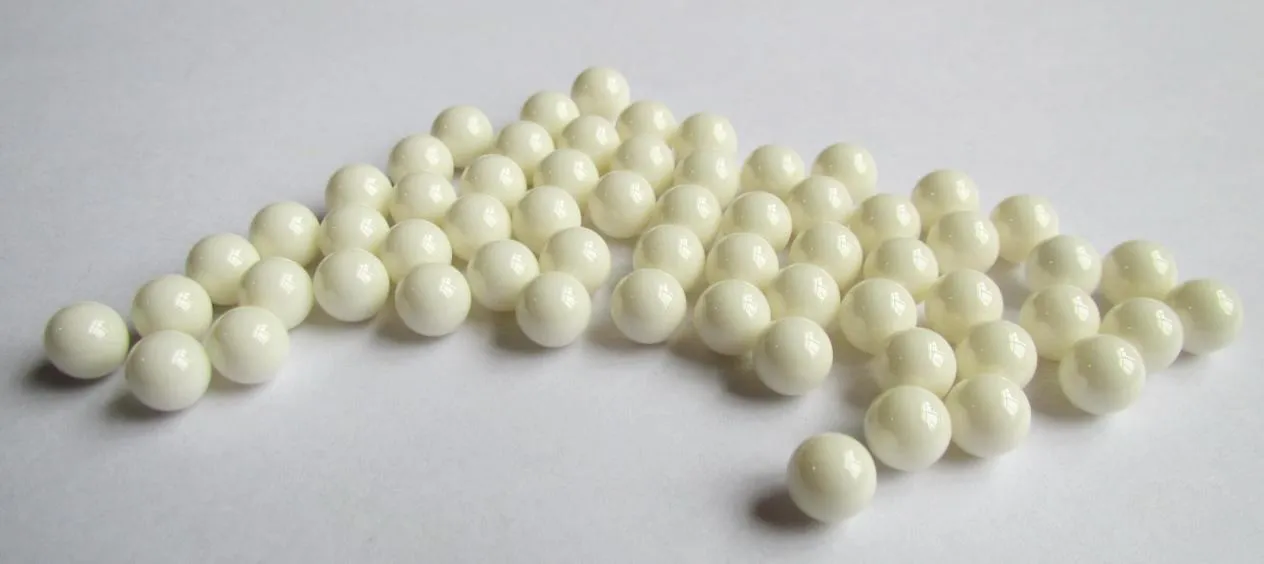
Zirconia precision balls are renowned for their high fracture toughness and impact resistance, demonstrating stable performance under conditions involving mechanical shock or vibration, and are therefore widely used in precision valves, medical devices, and grinding media.
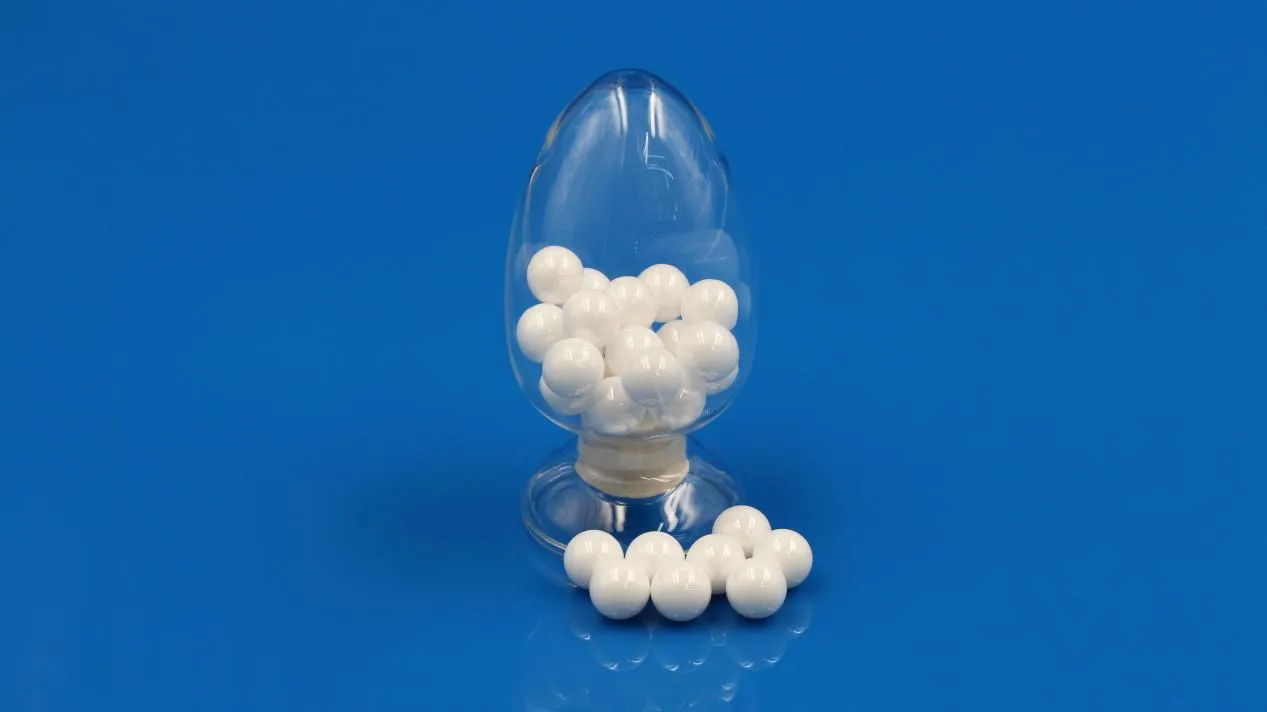
In comparison, silicon nitride precision balls not only offer high hardness and excellent wear resistance, but also feature lightweight design, high strength, thermal shock resistance, high-temperature stability, and superior fatigue resistance, thus holding greater potential for development in high-end industrial applications.
II. Advantages of Silicon Nitride Precision Balls in Severe Working Environments
01 Lightweight, Ideal for High-Speed Running
Silicon nitride features a density of around 3.2 g/cm³. It is lighter than regular steel, a touch less dense than alumina, and far lighter than zirconia. When parts spin or move back and forth at high speeds, less mass means weaker inertia and smaller centrifugal force, cutting down power consumption during operation.
This lightweight edge boosts efficiency for high-speed transmission assemblies, precision motion parts and automated machinery, and eases mechanical strain after long continuous running.
02 Strong Resistance to Sudden Temperature Changes
Lots of industrial devices go through repeated heating and cooling cycles, including semiconductor production gear, high-temperature test instruments and specific vacuum equipment.
Silicon nitride has low thermal expansion and great fracture toughness. It retains consistent dimensions during fast temperature shifts, greatly lowering the chance of cracks or breakdown triggered by thermal stress.
03 Better Crack Resistance and Higher Working Reliability
Hardness alone cannot decide how long ceramic parts can last.
Silicon nitride outperforms alumina in fracture toughness. It stops cracks from spreading easily under impact and complicated stress, minimizing edge chipping and ensuring steady long-term operation. This merit matters greatly for round-the-clock industrial equipment where maintenance fees stay high.
04 Outstanding Wear and Fatigue Resistance
A component’s service life largely depends on its fatigue resistance under constant friction and repeated loads.
Silicon nitride precision balls deliver reliable rolling fatigue performance. Their size and surface stay intact after prolonged use, stretching maintenance cycles for key moving parts.
05 Good Corrosion Resistance and Electrical Insulation
Silicon nitride demonstrates strong corrosion resistance, capable of withstanding various industrial chemical media while maintaining consistent material properties. At the same time, its outstanding electrical insulation makes it ideal for use in fluid control equipment, electronic devices, and precision motion components in specialized environments.
In applications requiring both corrosion resistance and electrical insulation, ceramic materials offer clear advantages over traditional metal materials.
III. How to Select Ceramic Precision Balls for Different Application Scenarios?
Different ceramic materials each have their own advantages, and there is no “universal material” suitable for all operating conditions. When selecting the appropriate type, factors such as working environment, load conditions, operating speed, temperature requirements, and cost budget should be comprehensively considered.
| Application Requirement | Recommended Material | Recommendation Reason |
|---|---|---|
| General industrial equipment, cost-sensitive projects | Alumina balls | Cost-effective, wear & corrosion resistant for standard use |
| Impact & vibration working conditions | Zirconia balls | High fracture toughness, excellent impact resistance |
| High-speed rotating / moving assemblies | Si₃N₄ balls | Low density to cut inertia and centrifugal load |
| High temp & thermal cycling environments | Si₃N₄ balls | Outstanding thermal stability & thermal shock resistance |
| Precision valves & fluid control systems | Zirconia / Si₃N₄ balls | Good wear resistance, dimensional stability & corrosion resistance |
| Semiconductor manufacturing equipment | Si₃N₄ balls | Meets strict cleanliness, insulation & reliability standards |
| Precision measuring & positioning units | Si₃N₄ balls | Stable dimension, low long-term wear loss |
| Chemical & corrosive medium environments | Alumina / Si₃N₄ balls | Customizable by medium, temperature and budget |
Notice: No single ceramic material works best for all scenarios. When picking materials, you need to take full account of working temperature, load capacity, movement speed, surrounding media, precision requirements, expected service life and budget, to balance overall performance and cost-effectiveness perfectly.
IV. In the future, high-performance ceramic precision balls will see broader applications.
As industries such as new energy vehicles, semiconductor manufacturing, industrial robotics, precision machine tools, wind power equipment, high-end medical devices, and intelligent manufacturing continue to grow, the market’s demand for lightweight, highly reliable, and long-lasting components is steadily increasing.
Silicon nitride precision balls, as one of the key representatives of advanced engineering ceramics, are continuously expanding their applications into more high-end fields due to their excellent overall performance. Meanwhile, alumina and zirconia precision balls will continue to play significant roles in their respective specialized application scenarios. In the future, various advanced ceramic materials will form a more professional and diversified application landscape tailored to different operating conditions.
As an advanced ceramics manufacturer, Innovacera offers a range of ceramic precision balls made from materials such As a professional advanced ceramics producer, Innovacera supplies precision ceramic balls in silicon nitride, zirconia and alumina. We provide multiple sizes, precision levels and custom specifications to match your needs.
Reach out to sales@innovacera.com if you need custom ceramic precision ball solutions suited to your unique working conditions.