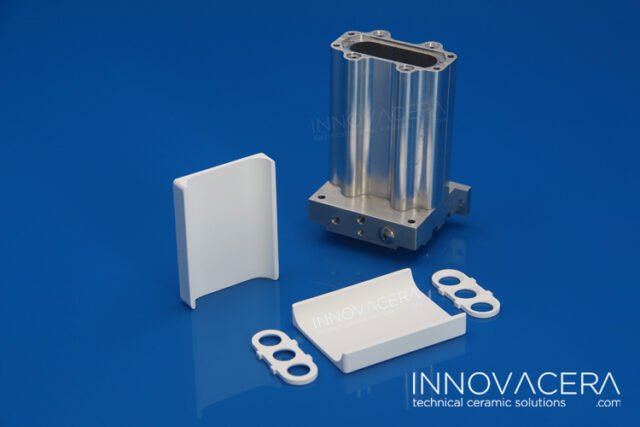
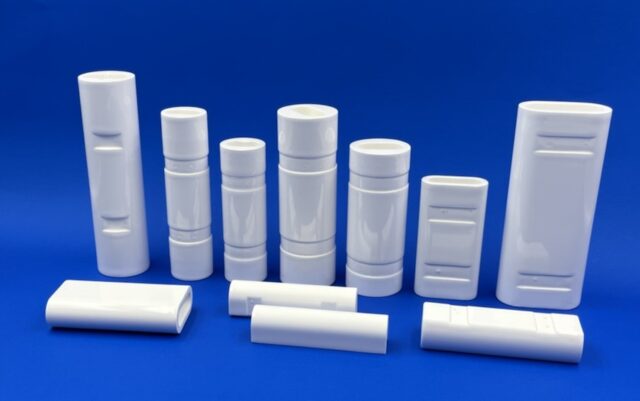
Reflectors are vital core parts for precision devices including industrial infrared heaters, UV curing machines, semiconductor production lines, medical optical equipment and high-power laser setups. They focus light beams and reflect energy, and their material performance directly determines equipment efficiency, running stability and service life.
Modern industrial gear keeps moving toward higher power, tighter precision and nonstop long-hour operation. Standard aluminum reflectors gradually lose performance when exposed to extreme heat, strong UV radiation and severe working environments.
High-purity alumina ceramic reflectors stand out with outstanding heat resistance and lasting stability. More and more premium equipment manufacturers now choose them for key optical components.
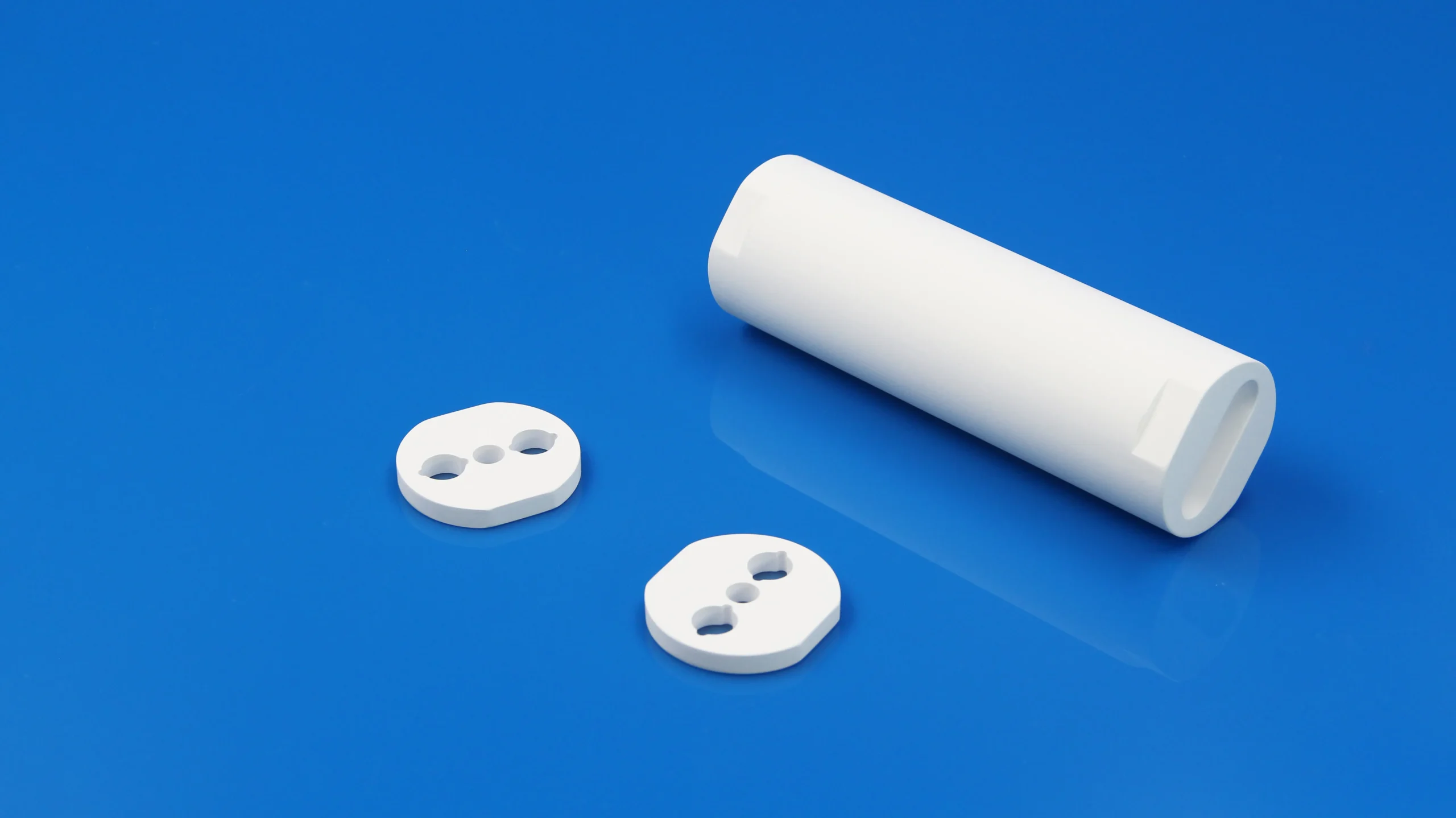
What key distinctions separate ceramic reflectors from aluminum ones? Which material fits your device best? Which material is better suited for your equipment? This article will analyze these questions from perspectives such as material properties, performance characteristics, typical applications, and total lifecycle cost, aiming to provide an objective reference for equipment development, structural design, and procurement selection.
1. The performance differences between the two substrates determine their respective application directions.
Aluminum reflectors are one of the most widely used reflective components in industrial equipment today. Thanks to their lightweight, ease of processing, and relatively low manufacturing cost, they are extensively applied in general lighting, household appliances, and medium-to-low-temperature industrial heating applications. After polishing or anodizing treatment, aluminum materials achieve high mirror reflectivity, offering excellent overall cost performance under normal or moderate temperature conditions.
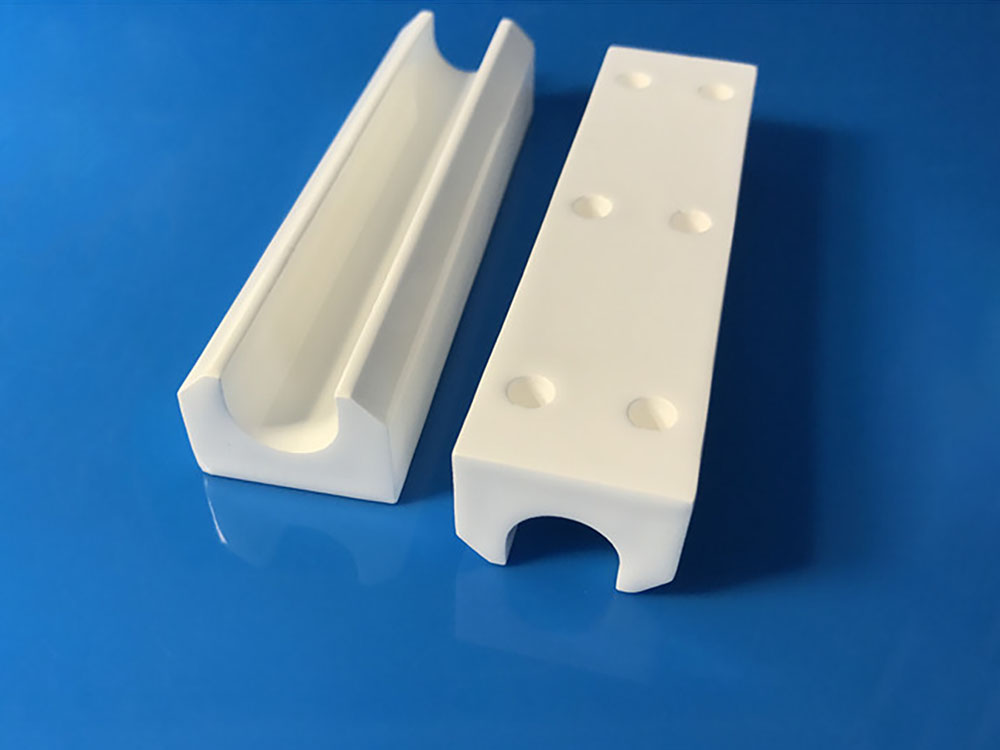
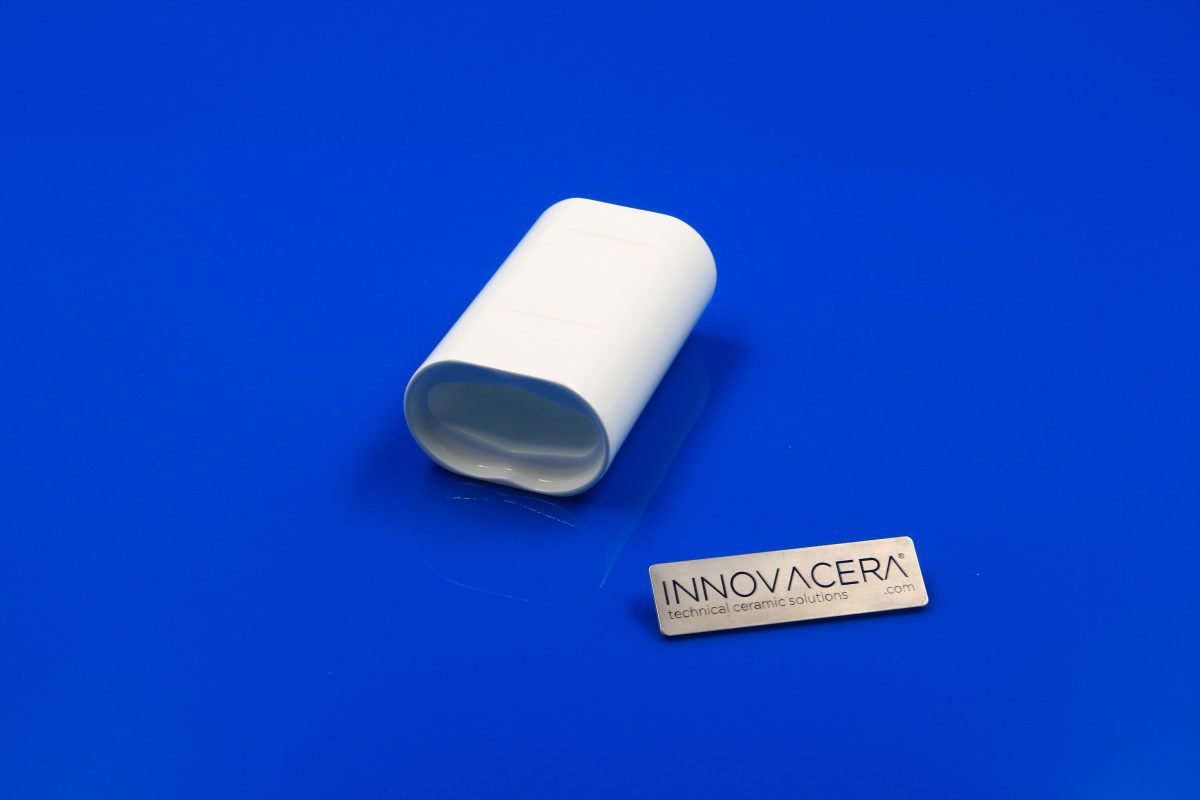
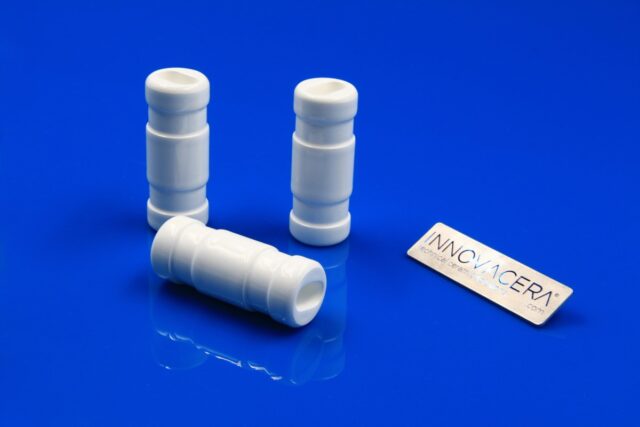
Ceramic reflectors are generally sintered from alumina with purity exceeding 99%. Unlike metal reflectors, this material barely expands under heat, insulates well and resists corrosion effectively. It keeps consistent shape and reflective performance even after long hours under high heat. That explains its wide use in UV lamps, semiconductor machinery, high-power lasers and medical optical instruments.
Neither material outperforms the other in all scenarios. Each matches distinct working conditions and performance demands.
2. High-temperature continuous operation is the scenario where the performance differences between the two materials are most evident.
For most industrial machines, the two materials start with nearly identical reflectivity. Their long-run stability is what really separates performance.
Aluminum conducts heat well, but it expands with heat about three times more than alumina ceramic. Long high-power use distorts the reflector chamber via thermal expansion, throwing off beam position and energy spread. Constant heat, UV light or ozone exposure also slowly creates an oxide film on aluminum surfaces. This cuts reflectance and forces frequent maintenance and recalibration work.
High-purity alumina ceramic has a low thermal expansion rate and can withstand drastic temperature shifts well. Parts fired into one solid piece hold their shape steadily through repeated heating and cooling cycles. This characteristic matters a lot for UV curing machines, laser gear and semiconductor optical systems that demand steady light beam output.
Moreover, ceramic materials themselves are resistant to oxidation and do not suffer from issues such as metal coating peeling, enabling them to maintain more stable optical performance over long-term operation and reducing the frequency of equipment maintenance.
3. The Total Cost of Ownership (TCO) is more worthy of attention than the purchase price.
Many buyers mainly care about reflector prices when ordering equipment. But for machines meant to run steadily year-round, it makes more sense to calculate full lifecycle total cost of ownership (TCO).
Aluminum reflectors cost less upfront. Yet they wear out faster under high heat or corrosive surroundings. Operators also face extra hidden costs from part replacements, production halts and repeated optical calibration.
Ceramic reflectors cost more to purchase at first. Still, they last far longer, run consistently and barely need maintenance. For automated lines, round-the-clock machinery and systems demanding high reliability, they cut overall long-run operational expenses.
Therefore, for industrial equipment that operates over a long period, comprehensively evaluating the total life cycle cost of the equipment is more valuable as a reference than simply comparing the purchase price.
4. For different application scenarios, different materials should be selected.
The selection of materials should be based on comprehensive consideration of factors such as the working environment of the equipment, operating temperature, optical accuracy, and budget.
Table: Suggestions for Selecting Common Application Scenarios
| Application Scenarios | Common Choice | Main Reasons |
|---|---|---|
| General lighting, household heating, low-temperature drying equipment | Aluminum Reflector | Low cost, meets the demands of standard working conditions |
| UV curing equipment, UV disinfection systems | Ceramic Reflector | Long-term resistance to UV and ozone environments, stable optical performance |
| Semiconductor photolithography & coating equipment | Ceramic Reflector | Excellent dimensional stability, helps maintain optical path precision |
| High-power laser systems | Ceramic Reflector | High temperature resistance and superior electrical insulation, suitable for high energy density environments |
| Industrial infrared continuous heating equipment | Ceramic Reflector | Maintains stable performance under prolonged high-temperature operation |
| Medical optical & inspection equipment | Ceramic Reflector | Good chemical stability, suitable for environments requiring high cleanliness |
| Medium & low-temperature, intermittently operated equipment | Aluminum Reflector | Low overall cost with good cost-effectiveness |
5. How to determine which reflector is more suitable for your device?
For equipment developers and purchasers, it is better to first analyze the actual application requirements rather than simply comparing the prices of the two materials.
If the equipment operates at a high temperature for a long time and needs to run continuously, or if there are high requirements for the positioning accuracy of the light beam, the consistency of the output, and the long-term reliability, then ceramic reflectors can usually provide more stable performance.
If the equipment is mainly used in medium-low temperature environments, has a short operating time, does not require high dimensional stability, and the budget is more sensitive, then the aluminum reflector remains a mature and cost-effective solution.
The material itself has no absolute superiority or inferiority. The key lies in whether it is suitable for the actual working conditions of the equipment.
Regarding Innovacera
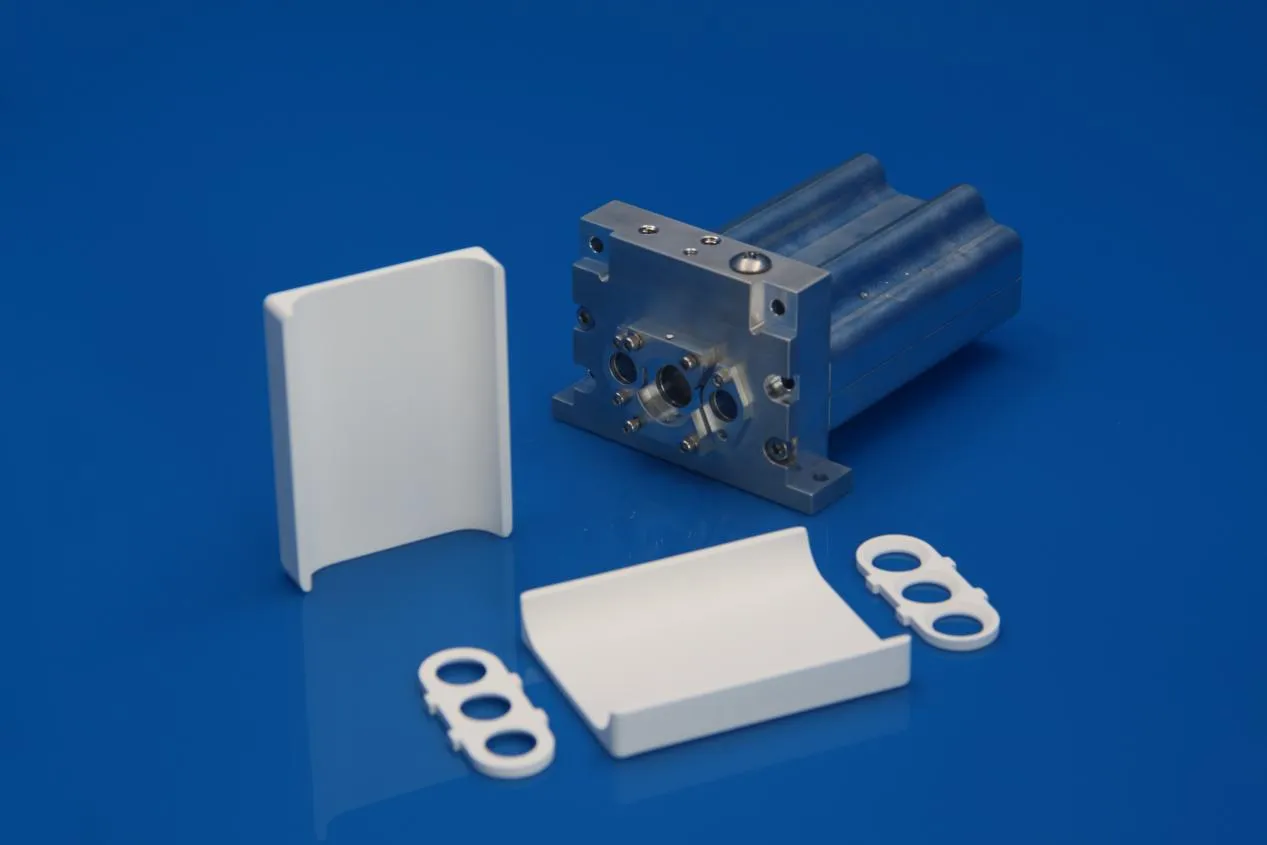
Innovacera focuses on the research and development as well as manufacturing of advanced industrial ceramic components. It can provide high-purity alumina ceramic reflectors and various customized precision ceramic components to global customers.
Our ceramic reflectors have been widely applied in fields such as UV curing equipment, semiconductor processing, laser systems, medical optics, and industrial high-temperature heating.
If you’re figuring out whether ceramic reflectors fit your device, or need custom design advice, send an email to sale@innovacera.com.