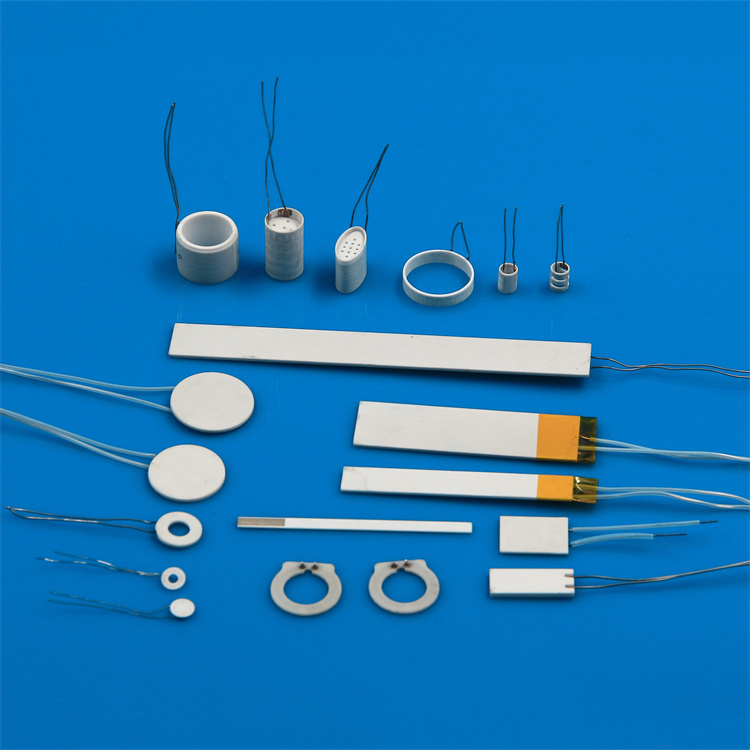
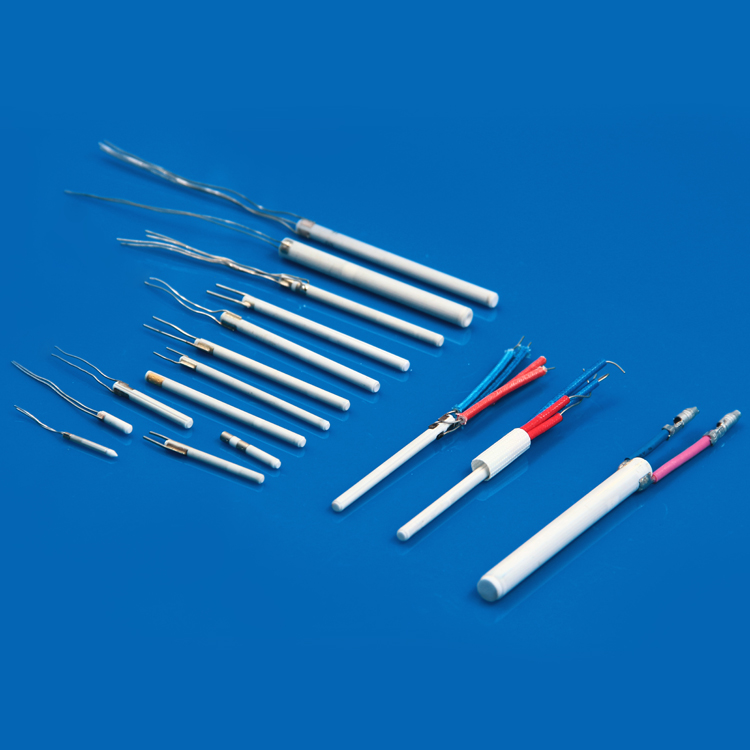
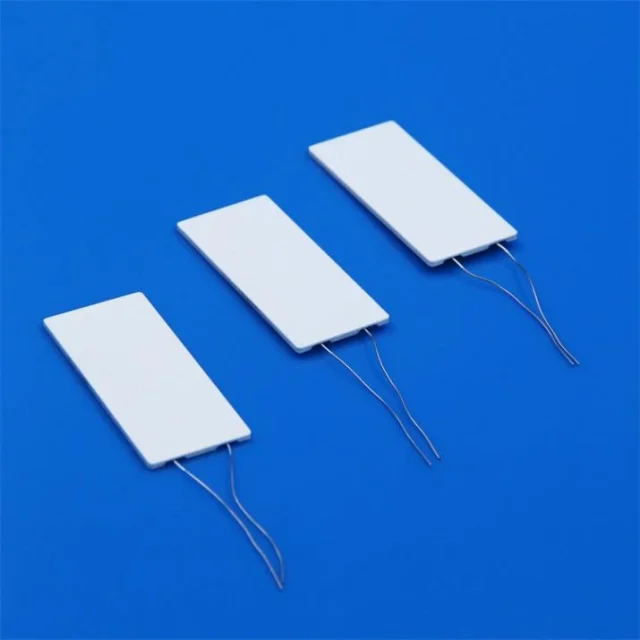
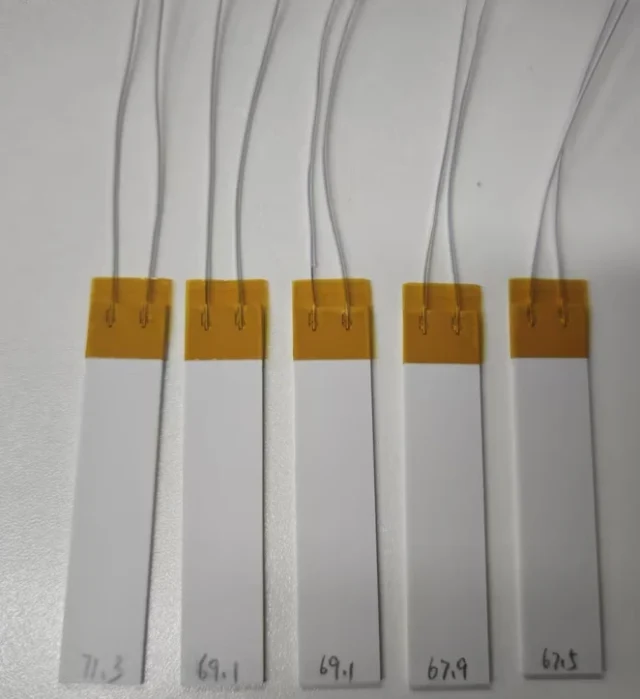
Ever stopped to think about what’s actually inside that hair straightener you use every morning? Pop open the casing, and you’ll find a small, unassuming ceramic heating plate. But that little component is what decides whether your hair comes out sleek and smooth or fried and frizzy.
Ceramic heaters didn’t become the mainstream choice for straighteners by accident. They heat up fast, hold temperature steadily, and spread warmth evenly across the surface—unlike those old metal elements that get scorching hot in the middle while the edges barely warm up. Even heat means fewer passes over your hair, which means less damage. These days, any straightener brand that takes quality seriously has switched to ceramic. It’s not a marketing gimmick—it genuinely works.
Performance‑wise, ceramic heaters have a few real strengths. The response time is crisp—turn the dial, and within three to five seconds it’s there, no lag, no overshoot. Safety? Ceramic is naturally insulating, so even if you twist and tug the cord every day, the risk of short circuits stays low. And durability—a good ceramic plate can handle thousands of heating cycles without cracking or losing efficiency. Not every material can say that.
But here’s the thing: specs are specs. What really makes a heater “great” is often the tiny details—how it interfaces with surrounding parts, how the temperature sensor is attached, whether the insulating tape can survive occasional temperature spikes. A recent project reminded me just how much those details matter.
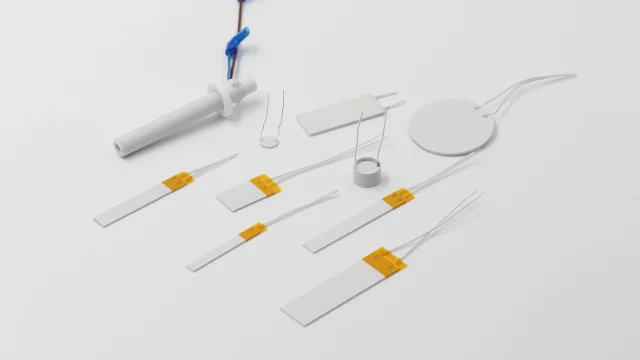
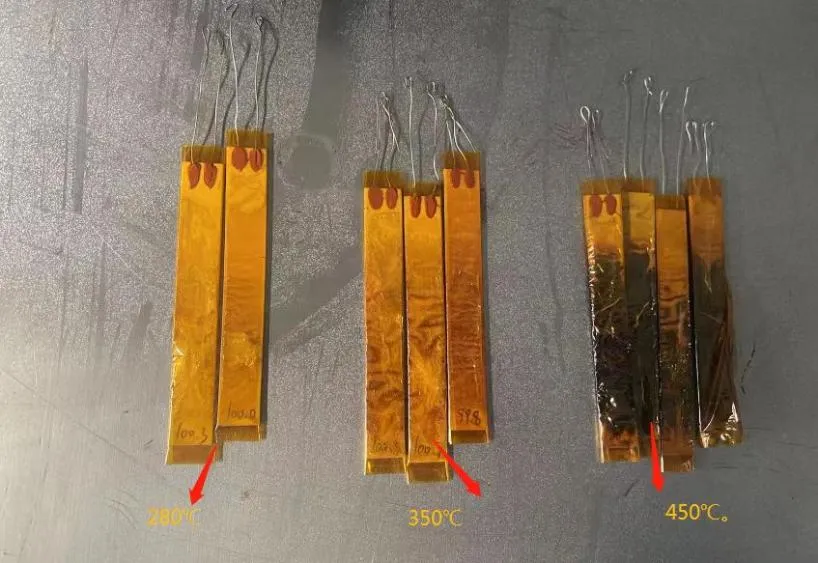
A customer was developing a high‑end straightener for professional salons. Their requirements were clear: the ceramic heater had to heat quickly, be fully encapsulated with polyimide high‑temperature tape, and that tape had to withstand brief peaks up to 340°C. We didn’t just say “yes” or “no” up front. Instead, we laid out the reality—polyimide tape works continuously at around 260°C, and while it can handle short bursts up to 350°C, that’s really the red line. We put together a simple chart showing how the tape’s adhesion, insulation, and flexibility change at different temperatures, and sent it over so they could see the trade‑offs clearly.
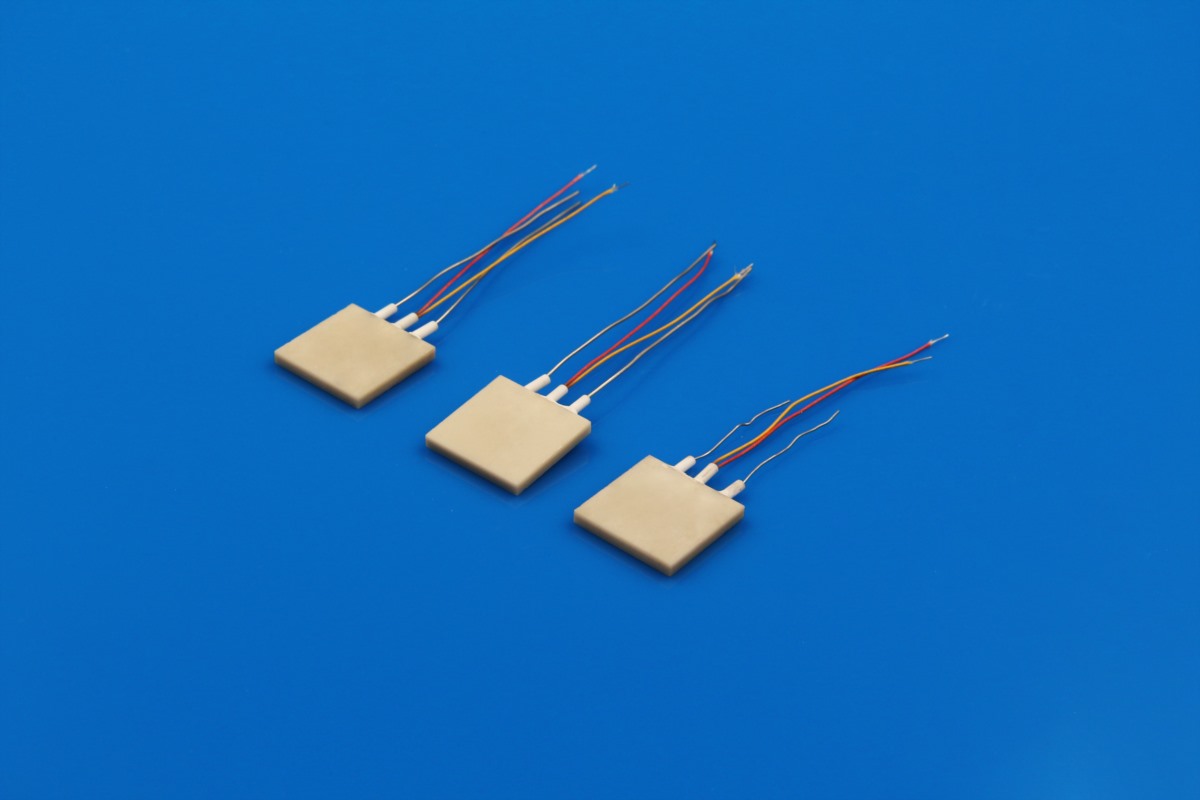
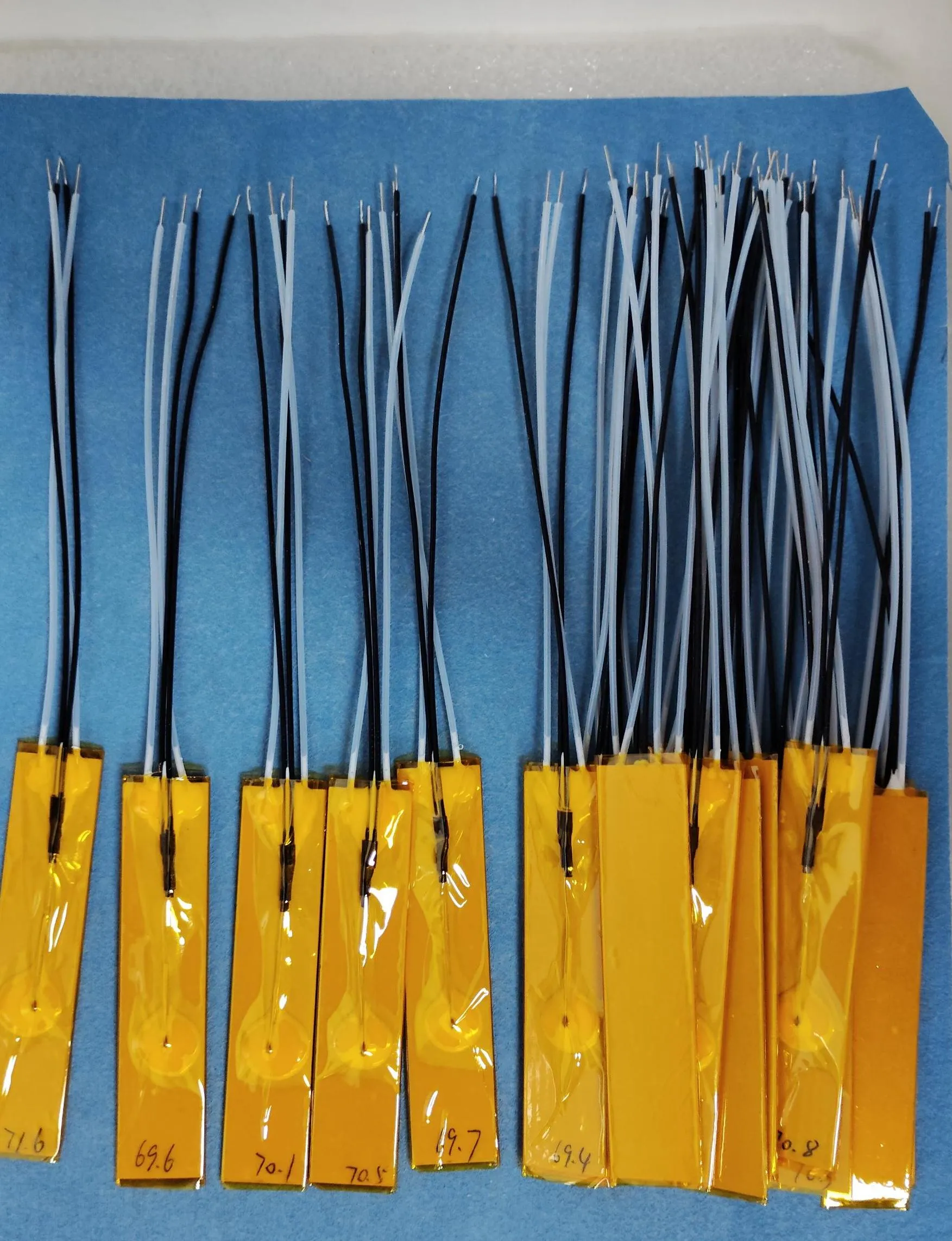
That wasn’t the end of it. They also wanted to compare different ways of mounting the NTC thermistor—the sensor that monitors temperature. Some use thermally conductive adhesive, others mechanical clamping, and some even solder it. Honestly, if this were a typical supplier, they’d probably just recommend one “standard” method. But we didn’t. We actually thought it was an interesting test opportunity. After all, the prototyping stage is exactly for experimenting, right? So we made three sets of samples, each with a different mounting approach, labeled everything clearly, included a quick summary of pros and cons, and shipped them off.
That whole process reminded me why I enjoy this work. It’s not about pushing a standard product out the door. It’s about listening, being transparent about limitations, and being willing to try different approaches alongside the customer. Not every supplier will go the extra mile to make three different NTC variants for a single prototype order. We do. Not every supplier will take the time to explain the real‑world behavior of polyimide tape instead of just quoting a max temperature. We do.
Because at the end of the day, a hair straightener is only as good as the heat it delivers—and that heat depends on the heater and all the little components around it. If you’re working on a similar project, whether it’s for beauty tools or any other application that needs precise, reliable ceramic heating, we’re here to help. We don’t claim to have all the answers upfront. But we do have a team of engineers who actually enjoy digging into the nitty‑gritty, running tests, and coming up with solutions that work in the real world—not just on paper.
So if you run into a technical headache with ceramic heaters—thermal uniformity, NTC placement, tape adhesion, or anything else—give us a shout. We’ll listen, we’ll propose, and we’ll iterate until you’re happy. Because that’s what good partnerships are built on.