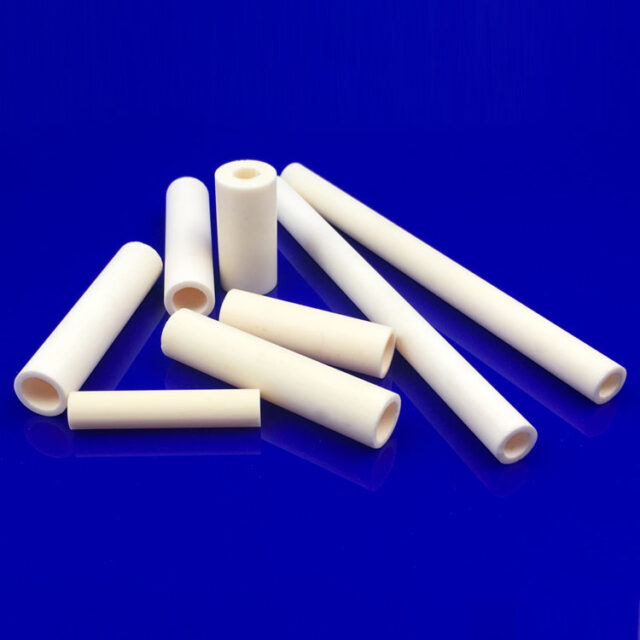
Alumina ceramic tubes (typically 95%–99.7% Al2O3) are widely used in high-temperature industrial applications, such as thermocouple temperature measurement systems, industrial furnaces, sensor protection, and heating devices. In practice, many ceramic tubes appear very similar—both being long cylindrical structures made of high-purity alumina—yet their functions can differ significantly. Insulation tubes and protective tubes are two of the most common types.
Some buyers get confused when choosing components, as products look alike while industry naming standards vary. Wrong picks can result in unreliable temperature readings or early equipment breakdowns.
1. Core Difference: Function Determines Essence, Not Appearance or Structure
The fundamental distinction between these two types of ceramic tubes lies not in their material or shape, but in their engineering functional roles.
①Alumina Insulating Tube (Insulating Tube): Used for internal electrical signal isolation and support
Insulating tubes are primarily used in the internal structure of thermocouples or temperature measurement systems, with their core function being to provide electrical insulation and wire separation.
Their main functions include:
Preventing electrical short circuits between multiple conductors
Ensuring stability and accuracy of temperature measurement signals
Maintaining reliable electrical insulation performance under high-temperature conditions
②Alumina Protection Tube: Used for environmental isolation and equipment protection
The protection tube primarily serves as an outer structure for thermocouples or sensors, providing physical protection and an environmental isolation barrier.
Its main functions include:
– Preventing direct erosion by high-temperature gases, corrosive media, or molten substances
– Offering mechanical protection and resistance to abrasion
– Extending the service life of temperature-sensing or functional components
2. Structural Differences Comparison (from an Engineering Perspective)
Although both materials are the same (alumina ceramic), they typically exhibit different structural characteristics in engineering design (under the same outer diameter conditions):
| Comparison Dimension | Insulating Tube (Standard Engineering Design) | Protection Tube (Standard Engineering Design) |
|---|---|---|
| Functional Positioning | Electrical insulation & wire harness separation | Mechanical protection & environmental isolation |
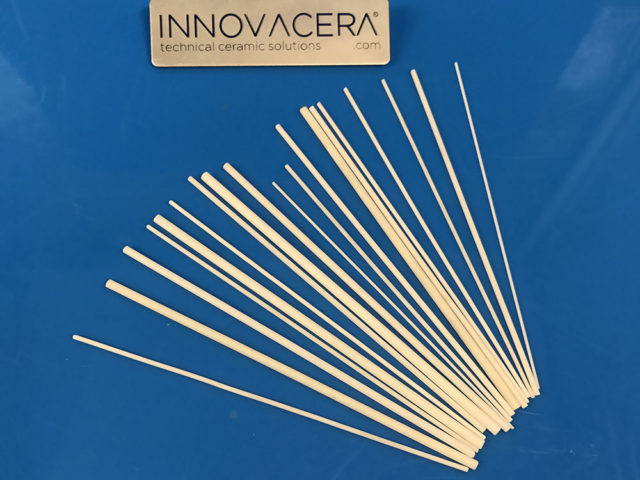
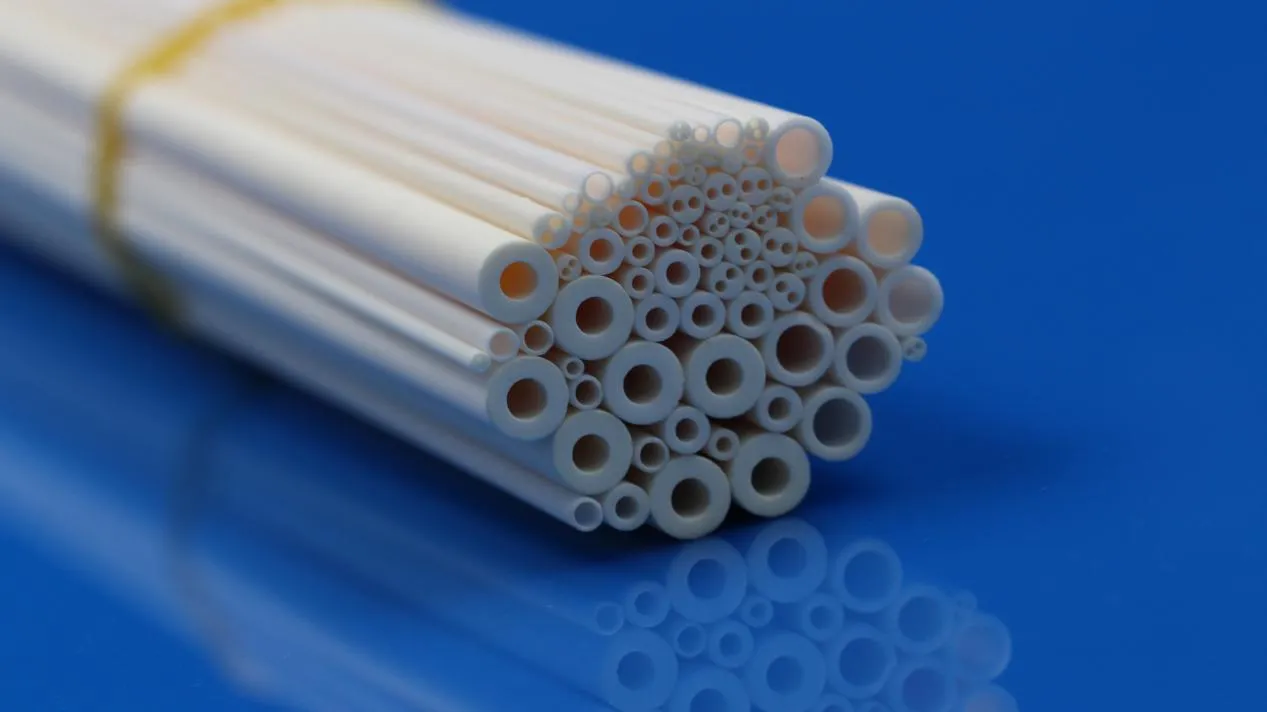
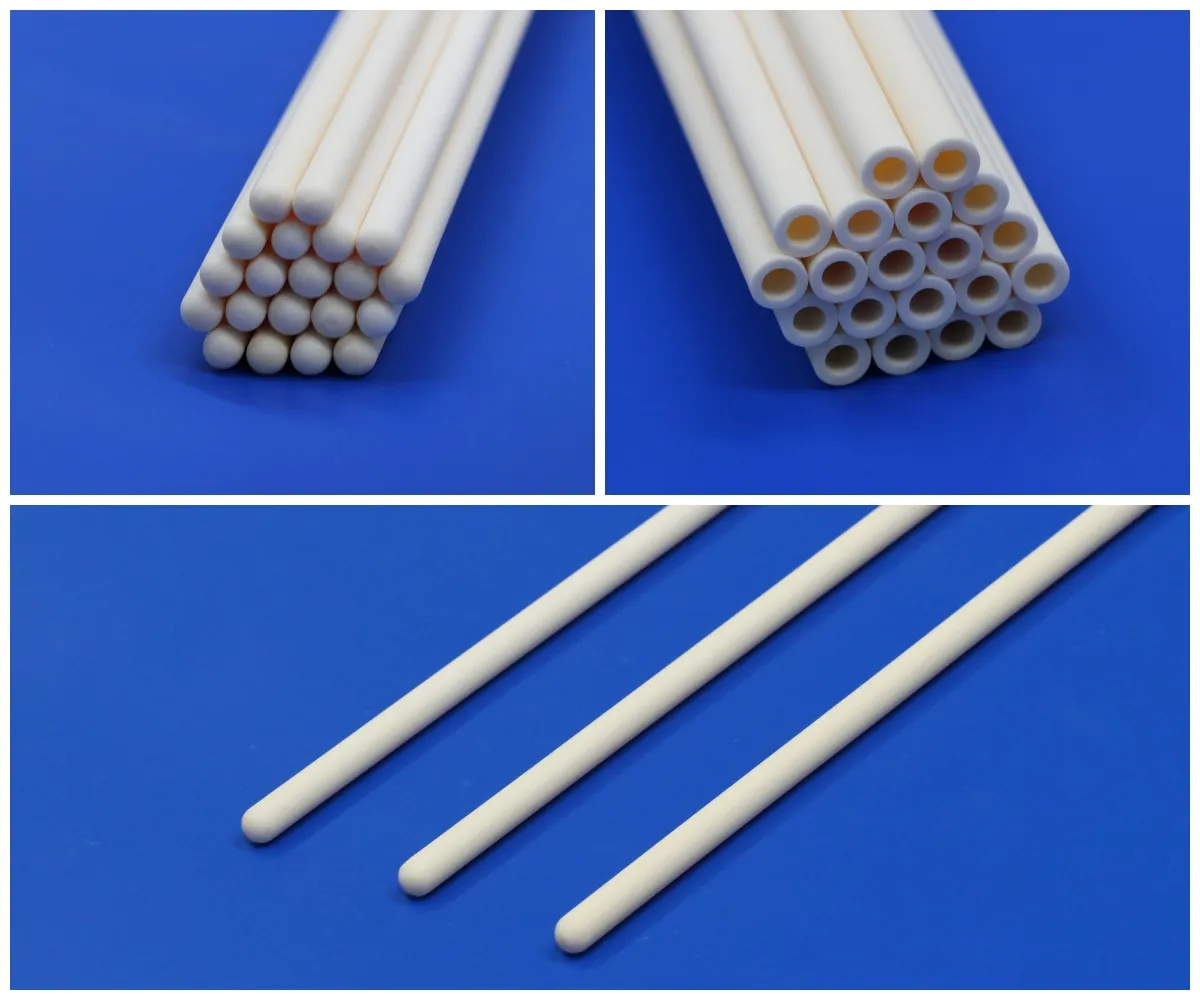
| Pore Structure | Mainly multi-channel fine holes; some single-hole structures | Mainly single-hole type, including blind tubes (closed-bottom for temperature measurement) and straight through tubes; porous structures are mostly custom-made |
| Wall Thickness | Relatively thin | Relatively thick |
| Mechanical Strength | Adopts lightweight structural design | Prioritizes bending resistance and impact resistance |
| Direct Contact with Medium | Generally used as internal components, no direct contact with media | Normally exposed directly to high-temperature, corrosive or dusty environments |
| Typical Applications | Internal wire isolation for thermocouples, internal support of multi-core probes | Outer sheaths for industrial furnace temperature measurement, probe protection under high-temperature environments |
It should be noted that the structural design of ceramic tubes should be customized according to specific application conditions; pore structure and wall thickness are merely one engineering implementation approach and cannot serve as the sole basis for classification.
3. Typical Application Scenarios
① Insulated Tube Applications
Alumina insulated tubes are typically used within the internal structures of thermocouples or temperature measurement components to isolate and secure multiple wires.
Common applications include:
– Electrical insulation and separation of internal wires in thermocouples
– Internal support structure for multi-core temperature probes
– Insulated support within resistance heating elements
Core function: Ensuring electrical isolation and stable temperature signal transmission
②Protective Tube Application Scenarios
Alumina protective tubes are typically used as outer sheaths, directly exposed to high-temperature or corrosive environments.
Common applications include:
– Outer sheaths for thermocouples in industrial muffle furnaces and sintering furnaces
– Temperature measurement protection structures in high-temperature heat treatment equipment
– Temperature measurement systems in chemically corrosive atmospheres
– Equipment protection in dusty or mildly molten splatter environments
Core function: Protect internal temperature-sensing or functional components from environmental damage
4. Common Selection Misconceptions
Due to their similar appearances, the following misconceptions are commonly encountered in practical applications:
Misconception 1: Porous structure always means an insulating tube
While porous structures are commonly used in insulation applications, the function of ceramic tubes is determined by their application rather than a single structural feature. Customized structural forms may also exist for different applications.
Misconception 2: A single-hole structure must be a protective tube
While single-hole structures are commonly used in protective tubes, some insulation applications may also employ a single-channel design to meet specific wire isolation requirements.
Misconception Three: Assuming Interchangeability Based Solely on Similar Appearance
This is the most common and highest-risk misconception.
Insulation tubes and protective tubes differ systematically in wall thickness design, mechanical strength, and resistance to media, making them unsuitable for simple substitution. Doing so may lead to cracking, insulation failure, or measurement anomalies.
5. Simple Selection Criteria
During the actual selection process, you can quickly determine the appropriate type by answering the following questions:
– Is it directly exposed to high temperature, corrosive, or dusty media? → Use a protective tube
– Is it used for internal wire insulation or signal support? → Use an insulating tube
– Does it need to withstand strong thermal or mechanical shock? → Preferably use a protective tube
– Is the primary purpose electrical insulation and signal stability? → Use an insulating tube
6. Why Accurate Differentiation Is Crucial
Improper selection may lead to the following issues:
– Unstable thermocouple signals or measurement inaccuracies
– Ceramic tube cracking due to thermal shock or insufficient wall thickness
– Rapid failure in corrosive environments
– Increased maintenance frequency and higher risk of downtime
Therefore, correctly distinguishing between insulation tubes and protection tubes is fundamental to ensuring stable system operation in high-temperature industrial temperature measurement and heating system design.
Conclusion
Although alumina insulation tubes and protective tubes may appear very similar in appearance, their engineering design objectives are entirely different:
Insulation tubes focus on electrical isolation and signal stability under high-temperature conditions,while protective tubes emphasize mechanical protection along with high-temperature and corrosion resistance.
When picking parts for real industrial projects, prioritize working conditions and functional needs instead of just shape or structure. Recognizing these material differences greatly extends the service life of thermocouples and high-temperature gear while boosting overall system reliability.
We offer custom alumina ceramic tubes with tailored porosity, wall thickness, purity and sizes. Reach us via sales@innovacera.com for inquiries.