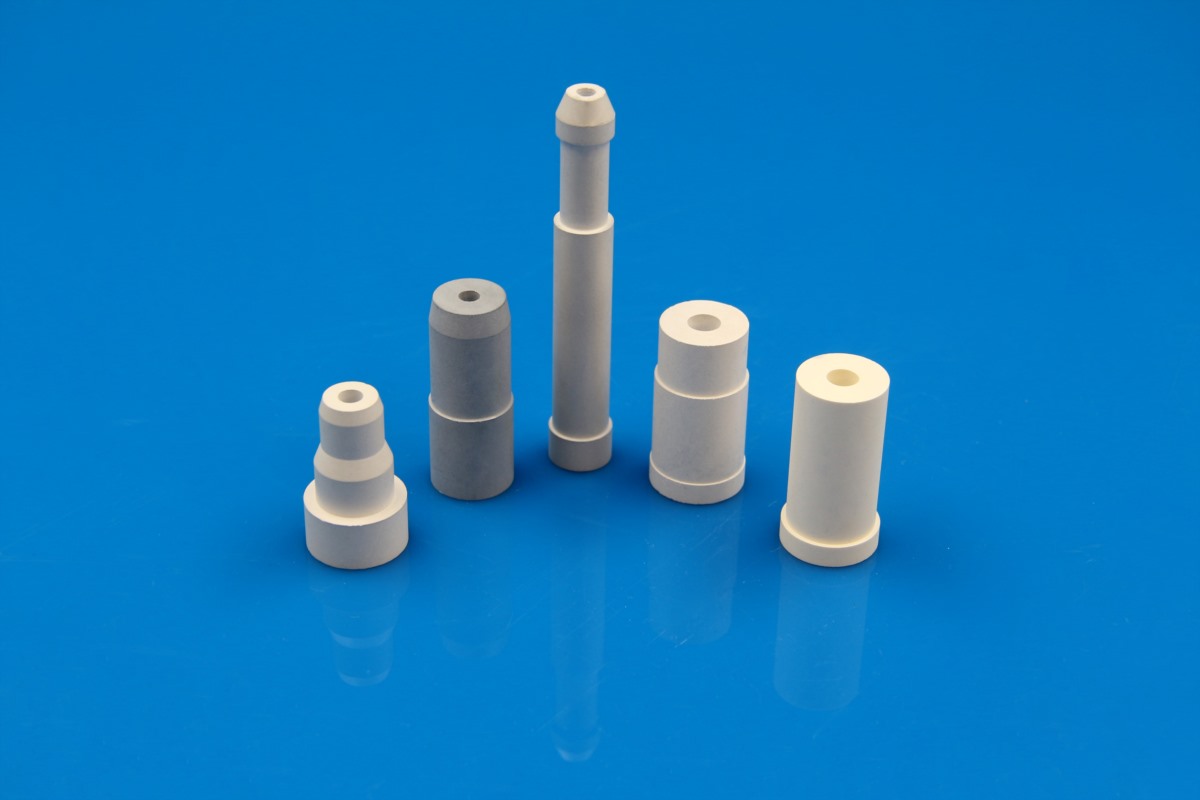
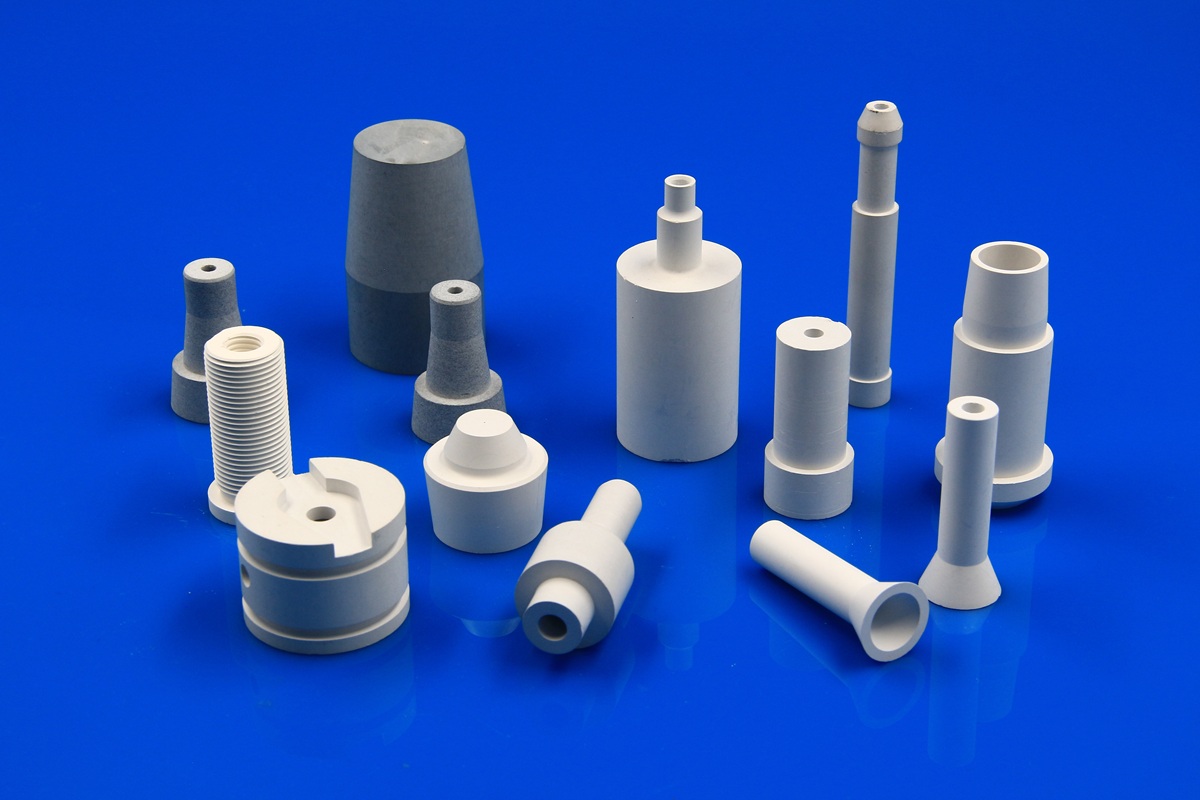
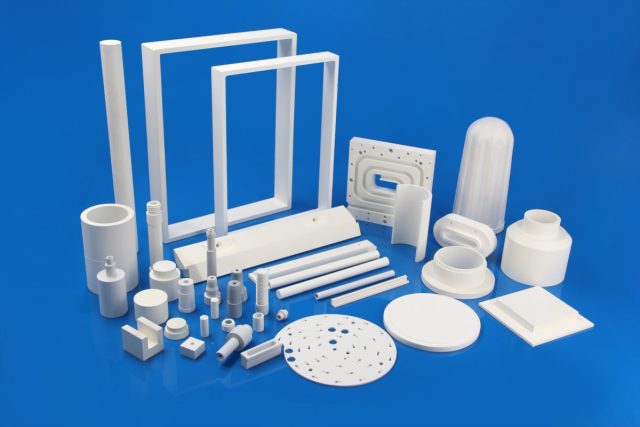
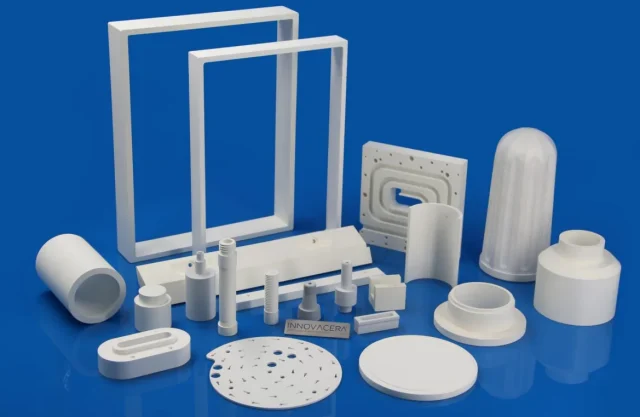
Gas atomization powder production is a core process for manufacturing high-performance metal powders specifically for powder metallurgy and 3D printing. For whole atomization process, the nozzle is the most critical components, it will determine atomization efficiency, powder quality, and production costs.
Nozzles constantly face harsh operating conditions such as erosion, wear, high temperatures, severe thermal shock, and chemical reactions between the molten metal and the nozzle material. So, how should one choose between various ceramic materials and metals? The following will explain in detail.
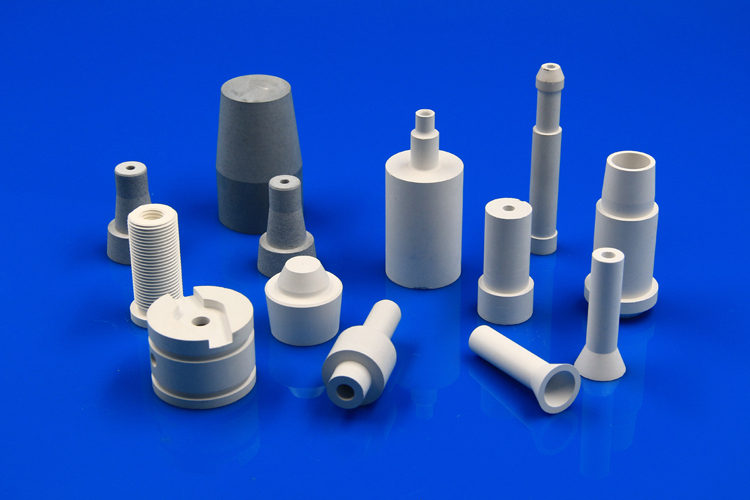
Comparison Table of Air Atomizing Nozzle Materials (Including Advantages and Disadvantages)
| Material Category | SpecificMaterial | Applicable Metal/Working Condition | Core Advantages | Core Disadvantages |
|---|---|---|---|---|
| Ceramics | Boron Nitride(BN) | High-end powders such as stainless steel, copper, aluminum, nickel, titanium alloys, and high-temperature alloys. | 1. Excellent non-wetting properties; does not stick to molten metal, preventing blockage.2. Excellent high-temperature performance; can withstand temperatures up to 2100°C under inert gas.3. Excellent thermal shock resistance; can withstand drastic temperature changes.4. Good machinability and high precision. | 1. High costs.2. Prone to oxidation at high temperatures, requiring vacuum or inert gas protection.3. Relatively low hardness, and its wear resistance is inferior to some engineering ceramics. |
| Zirconia | Nickel-based alloys, copper powder, stainless steel powder, iron powder, high-temperature alloy powder, etc. | 1. Balanced overall performance, possessing high temperature resistance, wear resistance, and corrosion resistance.2. Good thermal shock resistance and high-temperature strength.3. Exhibits a certain degree of non-wetting property to molten metal.4. Superior toughness compared to most ceramics. | 1. Relatively high costs.2. Difficult to process.3. In ultra-high purity, highly reactive metal environments, its performance is slightly inferior to boron nitride. | |
| Silicon Nitride (Si₃N₄) | Suitable for the production of various metal powders, especially for applications requiring thermal shock resistance. | 1. Excellent thermal shock resistance.2. Superior abrasion resistance.3. Service life far exceeds that of metal nozzles under thermal cycling conditions (e.g., 5 hours → 80 hours). | 1. The material is brittle and has poor resistance to mechanical impact.2. Processing costs are high.3. It is not suitable for highly corrosive media. | |
| Alumina (Al₂O₃) | Preparation of high-temperature alloy powder. | 1. Excellent wear resistance and high-temperature resistance.2. Relatively lower cost compared to other ceramics.3. Can be compounded with other materials (e.g., Al₂O₃-ZrO₂) to optimize performance. | 1. It is relatively brittle and has moderate thermal shock resistance.2. Its performance under extreme conditions is inferior to that of silicon nitride and silicon carbide. | |
| Silicon Carbide(SiC) | Highly corrosive and high-wear conditions (such as desulfurization). | 1. Extremely high wear resistance (superior to most ceramics).2. Excellent corrosion resistance (especially resistant to strong acids such as fluorides).3. Service life several to ten times longer than other materials under specific working conditions. | 1. High brittleness, poor impact and thermal shock resistance.2. High processing difficulty and cost. | |
| Metal | cemented carbide (YG6, tungsten carbide) | Cast iron, steel, stainless steel, high manganese steel, tool steel, etc. | 1. Extremely high hardness and wear resistance, with exceptional resistance to erosion and abrasion.2. Long service life and stable performance. | 1. Difficult to process, resulting in high costs.2. Poor toughness, with weaker impact resistance than metals. |
| High-performance alloys (tungsten alloys, Hastelloy alloys) | High-performance powders such as cobalt-based, nickel-based, and iron-based powders; suitable for extreme high-temperature and highly corrosive environments. | 1. Excellent high-temperature resistance (e.g., tungsten alloys can withstand temperatures above 1800°C).2. Extremely strong corrosion resistance (e.g., Hastelloy is resistant to strong acids and alkalis).3. Extremely long service life under extreme conditions (up to 100 times that of ordinary nozzles). | 1. Very high costs.2. The processing and manufacturing process is complex and costly. | |
| Stainless steel (304, 316) | Tin, lead, copper, silver, nickel, brass, bronze, iron-based, nickel-based, cobalt-based and other alloy powders. | 1. Excellent overall performance and high cost-effectiveness.2. Good corrosion resistance and strength.3. Mature processing technology and widest application. | 1. Insufficient hardness and wear resistance, unsuitable for highly abrasive working conditions.2. Limited temperature resistance, unsuitable for ultra-high temperature environments. | |
| Engineering plastics (PP, PTFE, PVDF) | It is not used for metal molten atomization, but for auxiliary processes such as cleaning, cooling, and chemical spraying. | 1. Extremely low cost.2. Excellent chemical resistance (PTFE, in particular, is resistant to almost all chemicals).3. Lightweight and easy to process. | 1. Not resistant to high temperatures (PP’s maximum temperature is approximately 92°C).2. Not wear-resistant and easily eroded.3. Low strength and easily deformed. |
Quick Material Selection Guide:
– High-end metal powders (3D printing): Boron nitride (BN) is preferred (anti-clogging, high purity) or magnesium-stabilized zirconium oxide (good overall performance).
– Extreme high temperature/strong corrosion conditions: High-performance alloys (such as tungsten alloys, Hastelloy) are preferred.
– High abrasion/particulate fluids: Hard alloys or silicon carbide (SiC) are preferred.
– Conventional metal powder production (cost-effectiveness priority): Stainless steel is preferred.
– Low temperature, low pressure, strong corrosive liquid auxiliary processes: Engineering plastics (such as PTFE) are preferred.
– Frequent thermal shock conditions: Silicon nitride (Si₃N₄) or boron nitride (BN) should be considered.