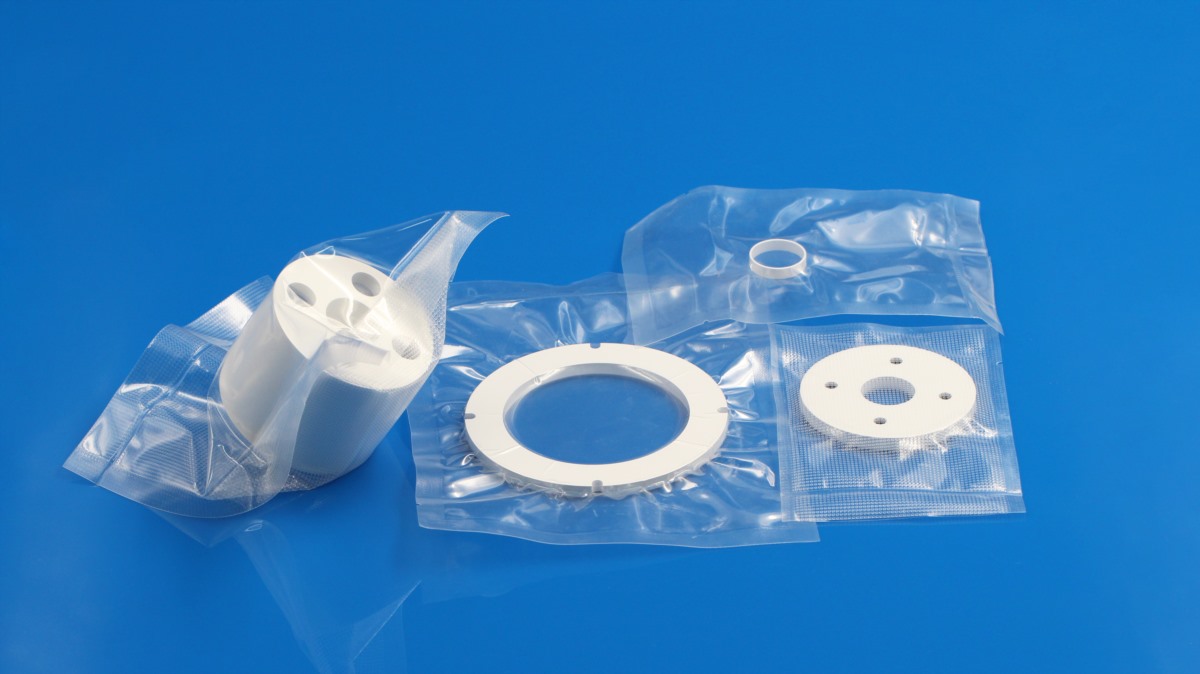
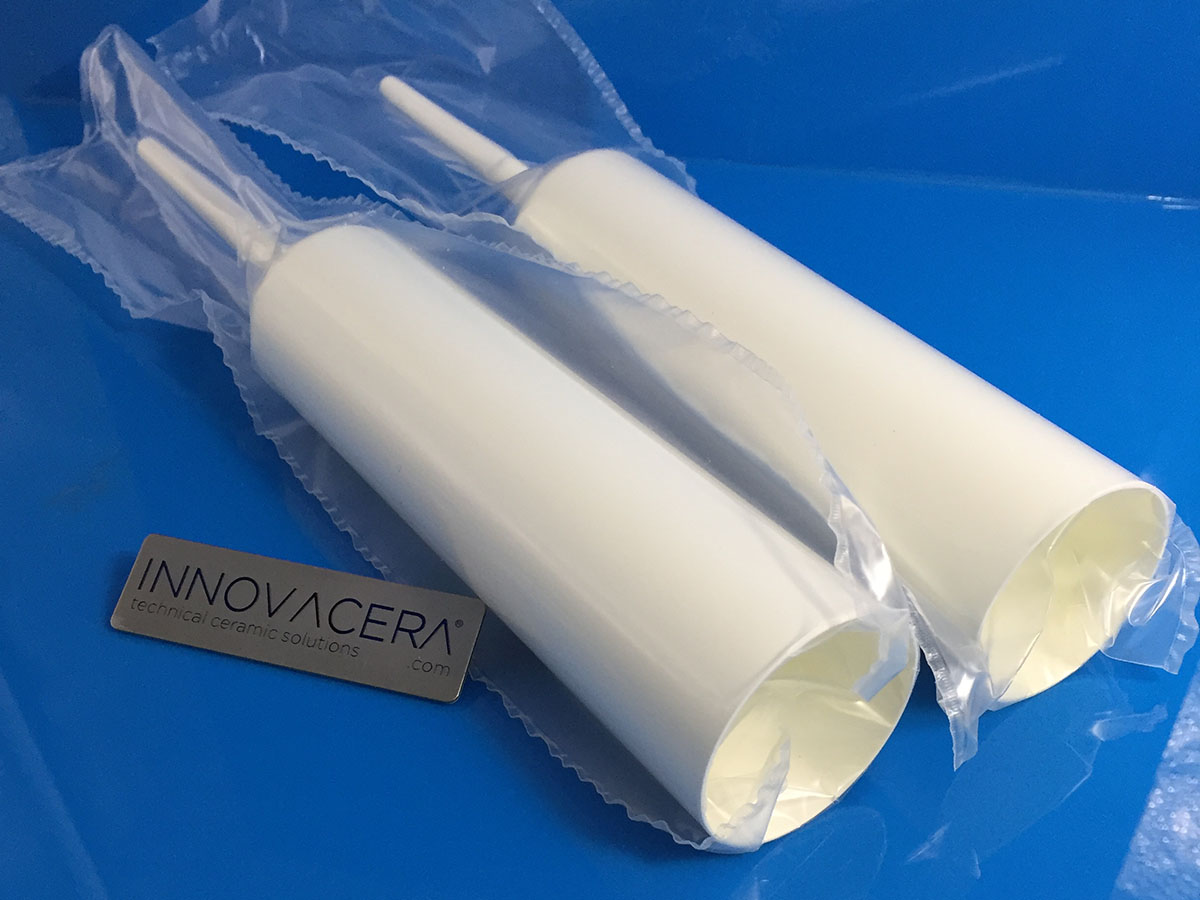
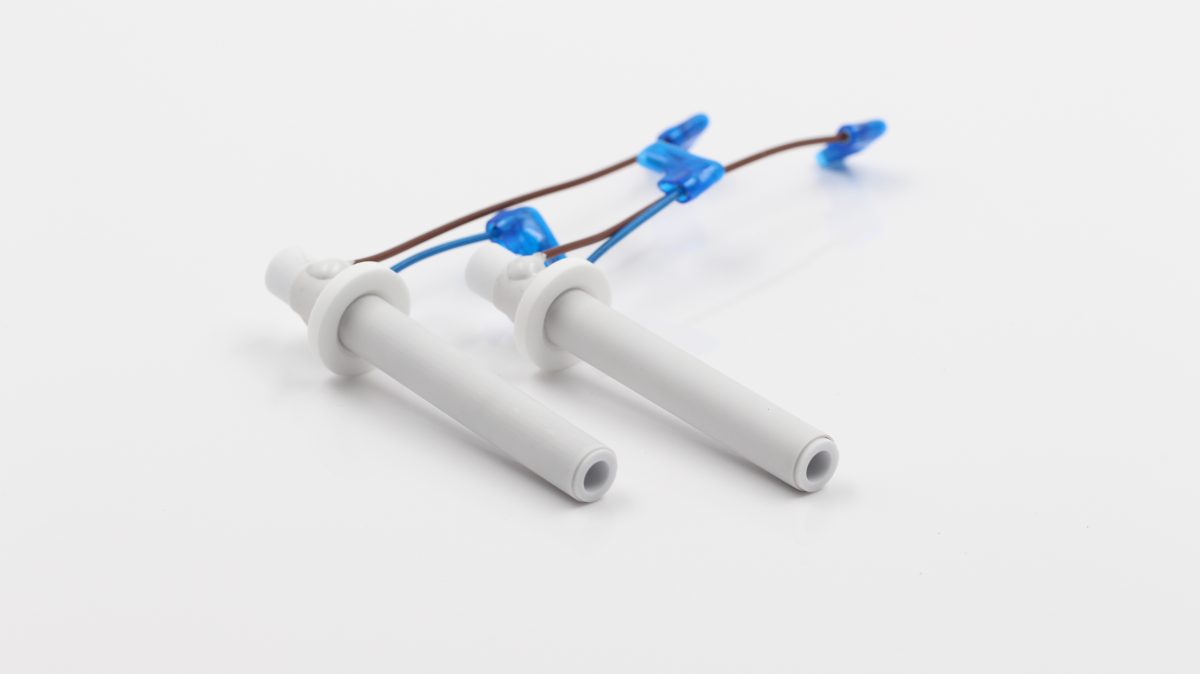
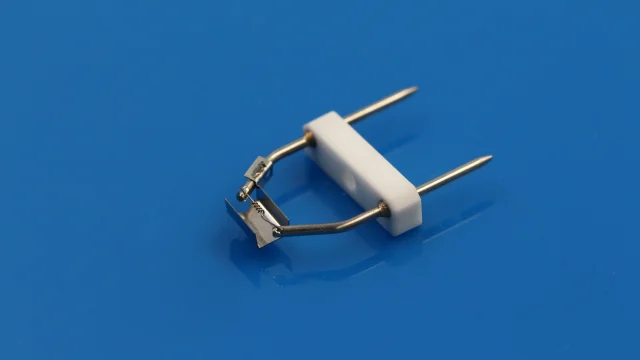
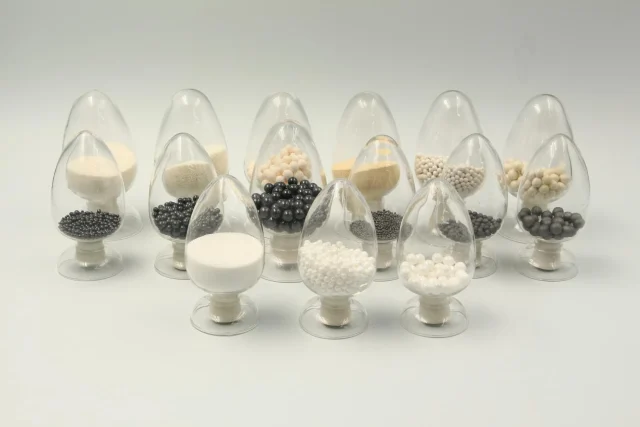
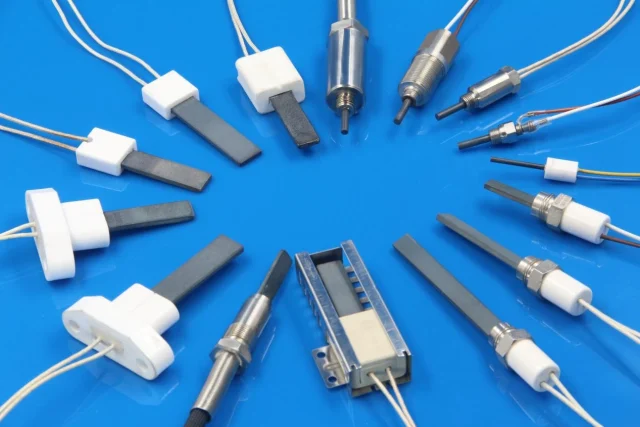
Specifying advanced ceramics for new energy equipment is rarely a straightforward task. Engineers and procurement managers must reconcile thermal limits, chemical compatibility, electrical insulation, and long service life—all within a single component. Hexagonal Boron Nitride (h-BN) ceramic occupies a unique intersection of these requirements, which is why it is being specified with growing frequency across battery production lines, vacuum furnaces, molten-salt systems, and electric-vehicle manufacturing.
Boron nitride ceramics sustain continuous service up to 1,800 °C in inert-gas atmospheres and up to 2,100 °C in vacuum environments. In open-air or standard atmospheric conditions, the practical ceiling drops to approximately 900 °C—yet this remains adequate for a broad range of battery manufacturing and metal-processing operations.
Material Properties
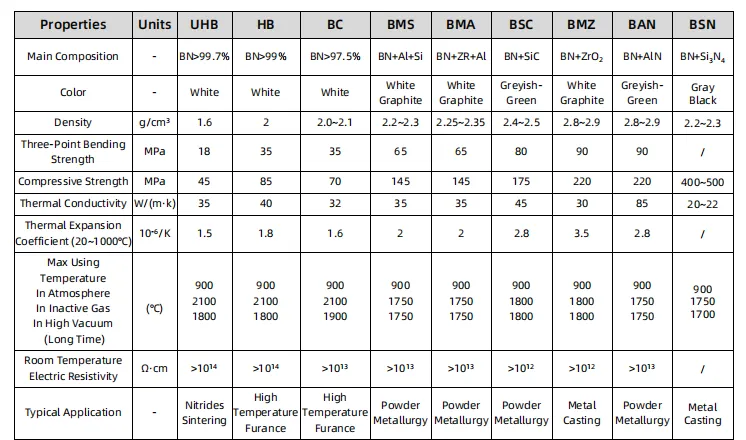
Equally important for new energy applications is thermal shock resistance. Equipment in battery electrode sintering or molten-salt containment undergoes repeated heating and cooling cycles. BN’s inherently low coefficient of thermal expansion, combined with its high thermal conductivity, significantly reduces the risk of cracking under rapid temperature changes—extending component service life relative to many oxide ceramics employed in similar roles.
When chemical inertness is the overriding requirement, high-purity grades—99% and 99.7% BN (h-BN)—are the first choice. BN is non-wetting and does not react with most molten metals, salts, or glasses at typical process temperatures. This attribute is particularly critical in molten-salt containment for energy storage systems, where even trace contamination can degrade electrolyte chemistry or compromise cell performance. High-purity BN maintains its structural integrity and keeps contact surfaces contaminant-free.
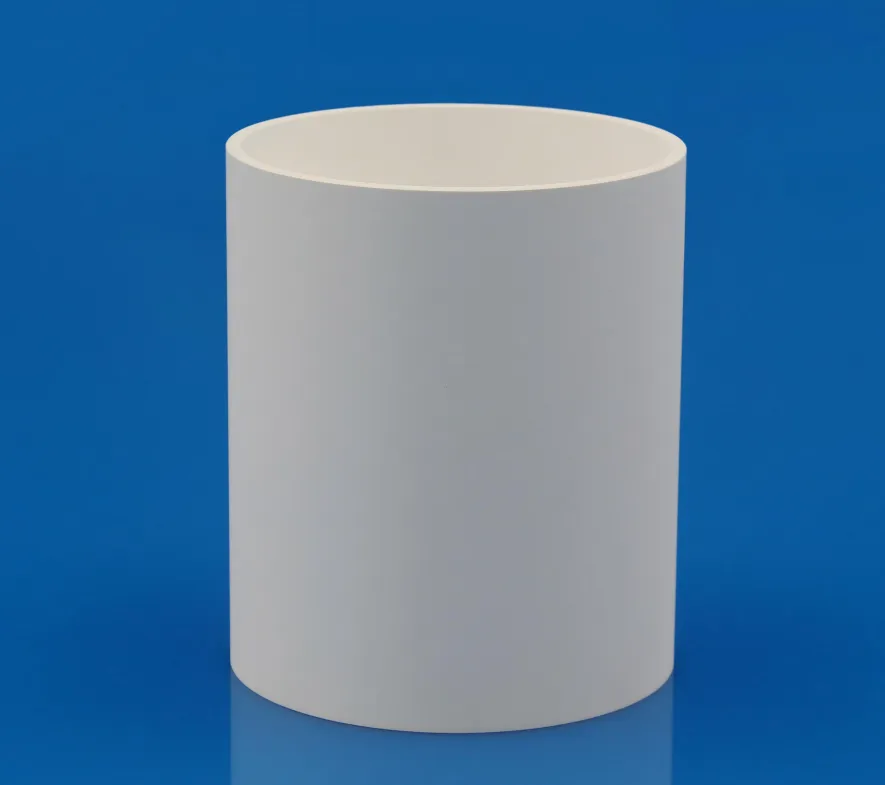
Composite Formulations
Composite formulations intentionally trade a degree of chemical passivity for improved mechanical or thermal properties:
- BN + SiC: Increases hardness and wear resistance, making it suitable for high-velocity coating or abrasive-media environments.
- BN + AlN: Raises thermal conductivity, a vital consideration when heat must be rapidly dissipated from a component, such as in thermal management insulators for power electronics.
- BN + Zirconia: Improves fracture toughness, addressing the brittleness concern that affects pure BN under impact or heavy mechanical loading.
- BN + Si & BN + Alumina: Offer intermediate property profiles and can be selected when cost or machinability is a factor alongside thermal or chemical performance.
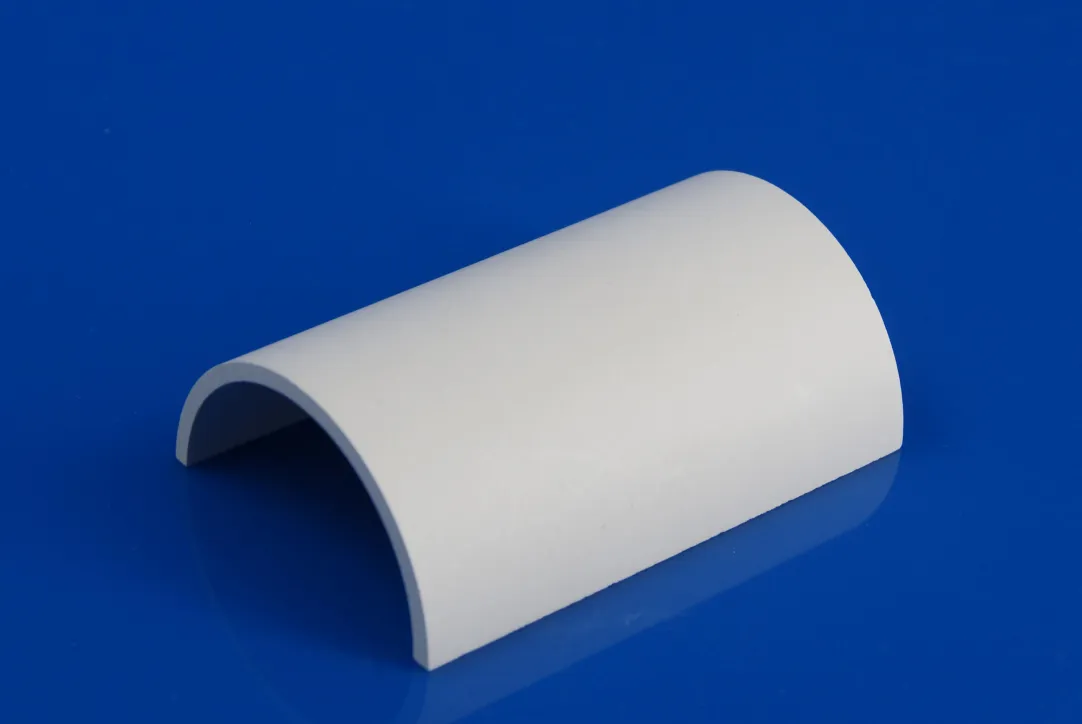
Key Applications in New Energy
Several application areas across the new energy supply chain routinely benefit from BN ceramic components:
- Battery Production
- Molten-Salt for Energy Transformation
- Electrical Insulation in High-Temperature Assemblies
- Electric Automobile (EV) Accessories
Summary
In summary, boron nitride ceramic presents a compelling technical case for new energy applications where the combination of high-temperature stability, chemical inertness, electrical insulation, and thermal shock resistance would otherwise necessitate multiple materials or costly metallic alternatives. The material delivers maximum value in controlled-atmosphere and vacuum environments, in direct-contact applications with reactive melts or active electrode materials, and in components that must perform reliably across thousands of thermal cycles.