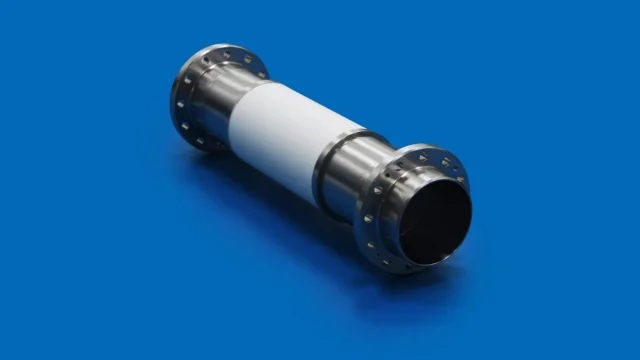
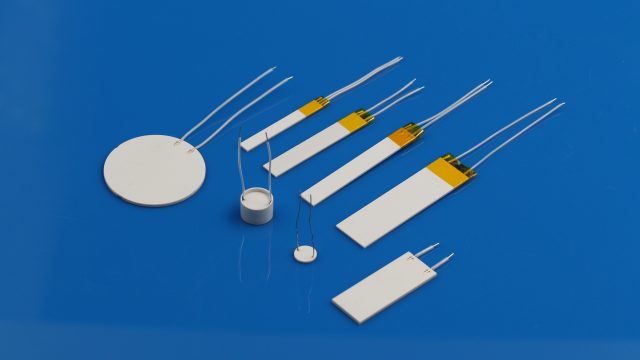
Some components of a medical X-ray tube need to operate in a high-voltage and vacuum environment. Ceramic materials can provide electrical insulation, but in actual assembly, ceramic parts usually also need to be connected to metal parts. For such structures, the size of the ceramic body, the location of metallization, and the processing quality of the connection surface all affect subsequent assembly.
Metallized ceramic tubes are one type of insulating and connecting component that can be used in medical X-ray tubes. By forming a metallized layer in the designated area of the ceramic, conditions can be provided for subsequent metal connections. INNOVACERA provides metallized ceramic tubes for medical X-ray equipment, which can be structurally processed and locally metallized according to customer drawings.
1. Why Does the Machining Accuracy of Ceramic Components in X-ray Tubes Need to Be Controlled?
The metal parts inside the X-ray tube need to be assembled according to the design position, while the ceramic tube serves as an insulator or support. If there are dimensional deviations in the ceramic components, it may cause the metal parts not to be installed properly and the connection surface may not be able to fit normally.
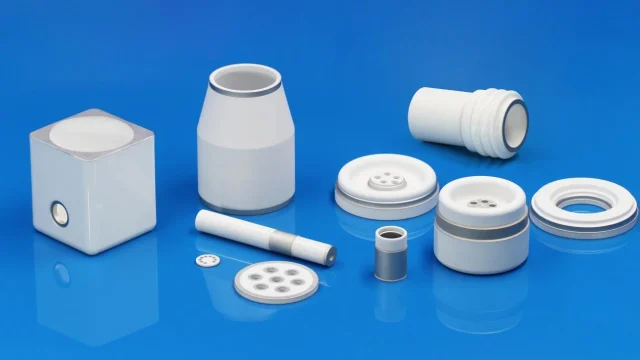
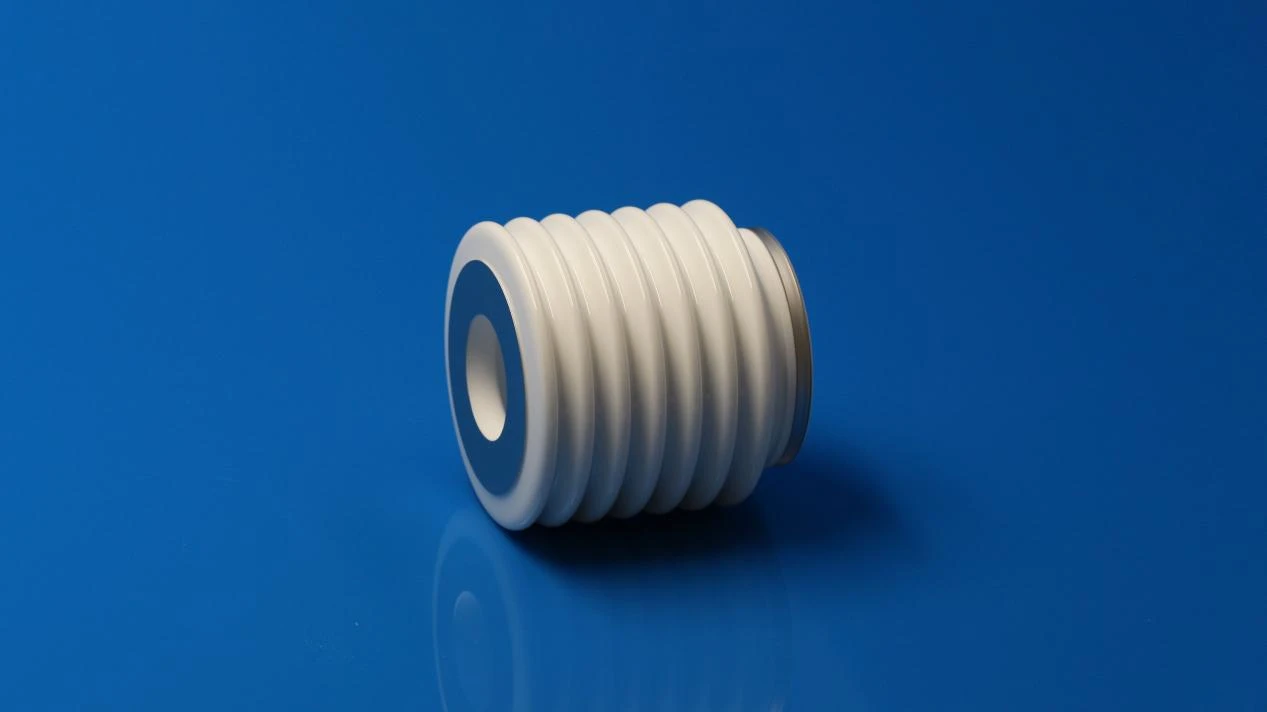
Take the ceramic tube in the figure as an example. The product has an inner hole, end face steps, and multiple outer wall ring-shaped structures. During processing, the diameters of each section, the position of the steps, and the wall thickness must all meet the requirements of the drawing. Especially for parts that cooperate with the metal parts, the size error may directly affect subsequent assembly.
Such ceramic tubes usually need to undergo sintering and subsequent processing to reach the specified size. For products with more complex structures, the positional relationship between the inner and outer diameters, the end surface state, and the local edge quality cannot be ignored. The specific tolerances are determined by the assembly requirements of the components.
2. How Does the Metallized Layer Affect the Connection Between Ceramic and Metal?
The surface of the ceramic is usually not well wetted by conventional brazing filler metals. For ceramic components connected by traditional brazing processes, metallization treatment is usually carried out in the designated area to provide a metal surface suitable for subsequent brazing. In addition, some ceramic and metal components can also be connected by active metal brazing methods, and the specific process depends on the material combination and product design.
The metallized layer does not need to cover the entire ceramic tube. During actual processing, which parts need to be metallized and the size of the metallization area are determined by the connection structure of the metal parts. If the metallized area does not match the connection position, the subsequent brazing and assembly may be affected.
Some ceramic-metal components in medical X-ray tubes also perform vacuum sealing functions. Such connections need to consider the thermal expansion difference between the ceramic and metal, as well as the stress generated during the heating and cooling of brazing. The sealing performance needs to be tested according to the corresponding requirements after the component is completed, and cannot be judged solely based on the appearance of the metallized layer.
3. How Are Metallized Ceramic Tubes with Steps and Ring-shaped Structures Processed?
The ceramic tubes in medical X-ray equipment have different structural forms. The product in the figure is not a simple straight tube. In addition to the central hole, the end has steps, and the outer wall has multiple ring-shaped features. These parts all need to be processed according to the customer’s drawings, and the specific uses are determined by the design of the entire component.
For such products, the inner hole, outer diameter, and step dimensions are often interrelated in terms of assembly. If the processing deviation of a certain position is large, even if other dimensions are qualified, it may affect assembly with the corresponding metal parts. The processing of the ring-shaped structure also involves local wall thickness, edge state, and surface quality, and the processing requirements need to be determined in combination with the product drawings.
Metallization is usually arranged in the designated connection area, rather than on all processing surfaces. After the ceramic component is formed, sintered, and necessary precision machining is completed, the connection surface needs to be treated according to the selected metallization process. Whether a coating or brazing is required depends on the component design and connection requirements of the customer.
For medical X-ray tubes using metallized ceramic components, the product drawings should not only indicate the structural dimensions but also clearly specify the metallization locations and key assembly requirements, so as to facilitate the connection between ceramic processing and subsequent assembly processes.
4. What Requirements Need to Be Confirmed for Custom-Made Metallized Ceramic Tubes for Medical X-ray Applications?
For medical X-ray tubes using metallized ceramic components, customers usually need to determine the ceramic dimensions and connection positions based on the specific component structure. Even if two products have similar appearances, the metallization areas or assembly requirements may be different, making direct replacement impossible.
When discussing custom processing, the following information helps confirm the product plan:
| Item | Details to Confirm |
|---|---|
| Ceramic Material | Material type, purity grade and application requirements |
| Structural Dimensions | Inner/outer diameter, length, wall thickness, step and ring-groove dimensions |
| Dimensional Tolerance | Key assembly dimensions, concentricity and end-face requirements |
| Metallization Area | Specific location, coverage and related technical requirements |
| Metal Joining | Matching metal material, joining method and brazing requirements |
| Operating Conditions | Voltage, temperature, vacuum environment and other service requirements |
| Inspection Requirements | Dimensions, appearance, metallization quality and applicable component test requirements |
Among them, the information regarding the metallization positions and the corresponding metal parts is particularly crucial. Only by clearly defining the subsequent connection methods can we further discuss the metallization process and related processing requirements.
For X-ray tube components with mature designs, the ceramic part drawings and metallization requirements can be directly provided; for products still in the development stage, the dimensions, materials, and processing plans need to be discussed in conjunction with the assembly structure.
INNOVACERA Medical X-ray Metallized Ceramic Components
INNOVACERA offers metallized ceramic tubes and related customized ceramic components for medical X-ray equipment. Depending on the different component structures, processing requirements such as ceramic materials, inner and outer diameters, steps, ring grooves, metallization areas, and size tolerances can be discussed based on the drawings.
For ceramic tubes that need to be connected to metal parts, the corresponding metallization schemes can also be evaluated in combination with the corresponding metal materials and subsequent assembly processes. If you are developing or purchasing metallized ceramic components for medical X-ray tubes, please provide product drawings, metallization positions, the materials of the corresponding metal parts, and working conditions so that we can further discuss suitable customization options.
Contact: sales@innovacera.com