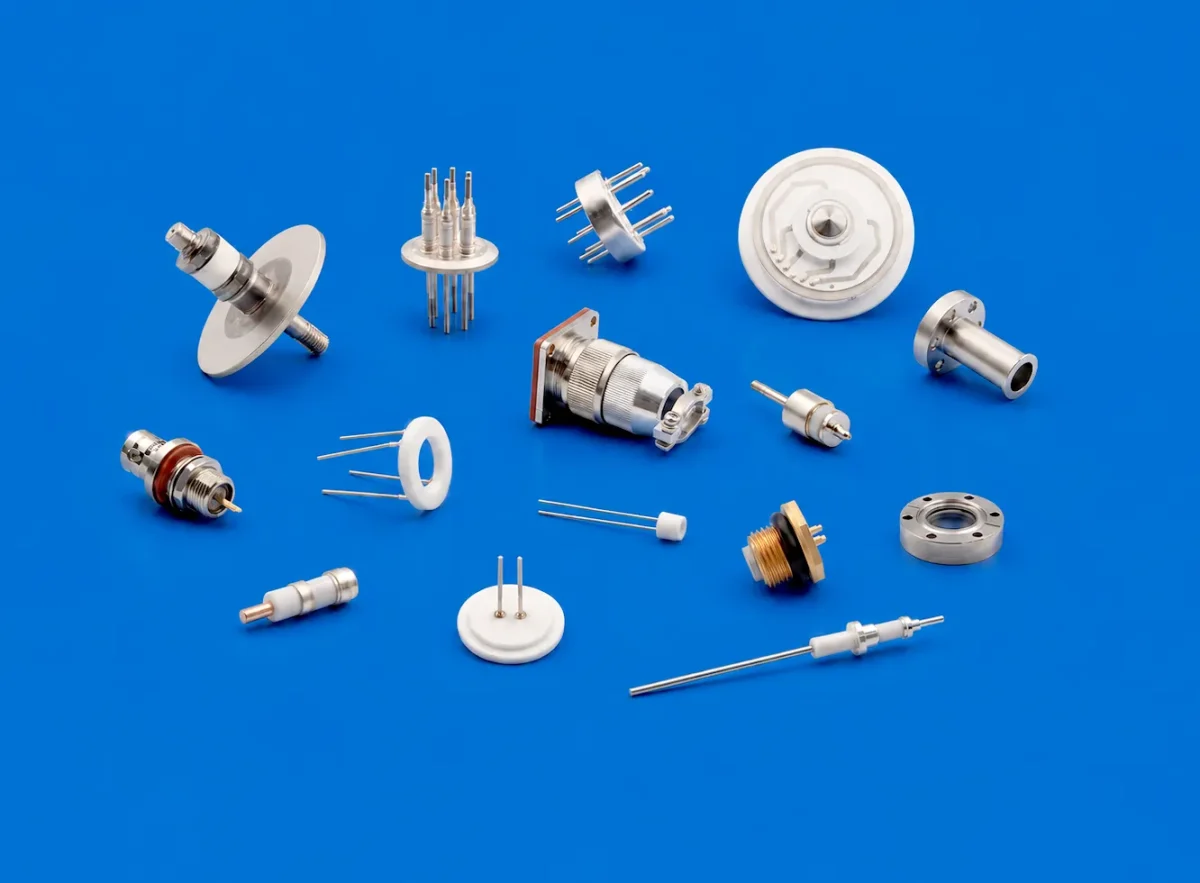
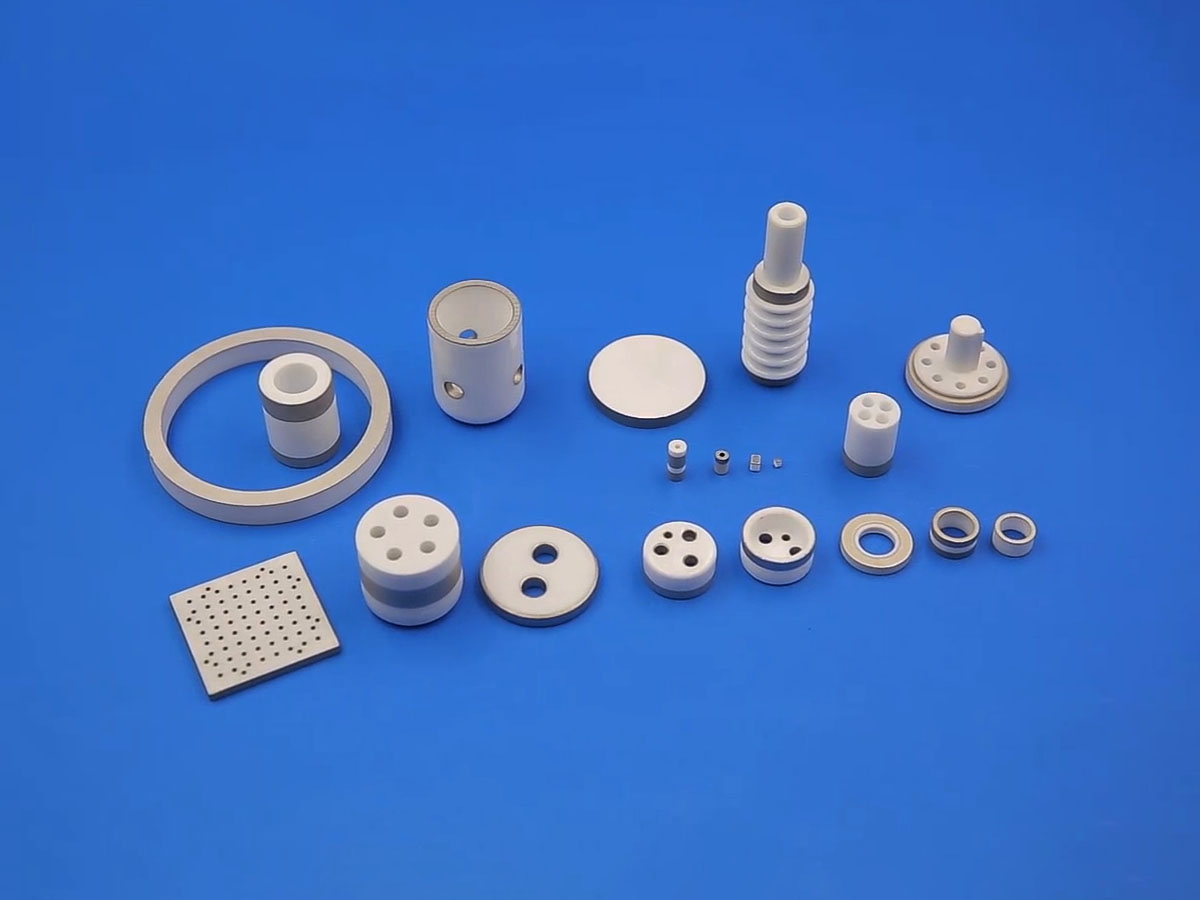
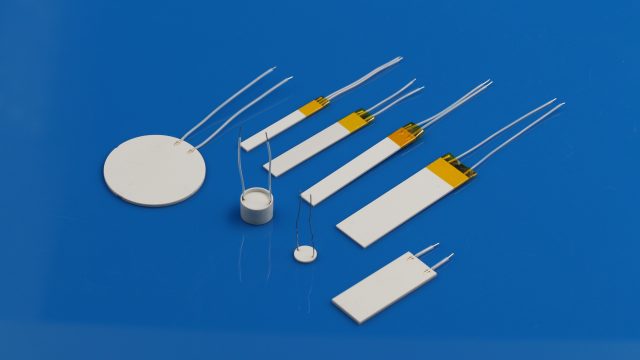
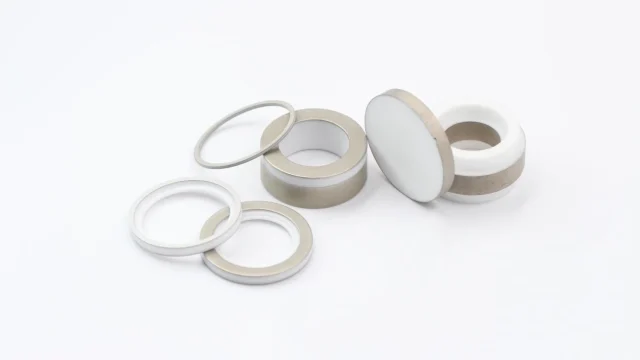
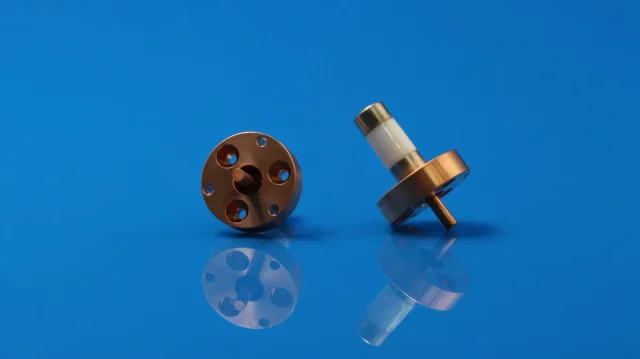
In high‑voltage electrical systems, vacuum equipment, semiconductor devices and scientific instruments, large‑size insulating structures typically use ceramics to deliver reliable electrical insulation, while metal parts undertake mechanical connection, flange mounting and sealing duties under given operating conditions. Joining alumina ceramics with metals including Kovar and stainless steel is a core technical solution to realize these composite assemblies.
Unlike standard small ceramic insulators and vacuum feedthroughs, large cylindrical ceramic – to – metal brazed assemblies come with bigger overall dimensions, longer body lengths and substantially larger bonding interfaces between ceramic and metal. Certain large parts can have a total length of several hundred millimeters, which places stricter requirements on material compatibility, machining tolerance, assembly concentricity and brazing processes.
For this reason, large – scale ceramic – to – metal brazing cannot be treated as a simple dimensional scaling – up of small hermetic seals. It demands comprehensive optimization covering material grade selection, structural design, thermal‑stress mitigation, precision machining and brazing process parameters.
I. Why do large insulating components require a combination of ceramics and metals?
Single materials often struggle to simultaneously meet the requirements for electrical insulation, mechanical connection, and structural integration in large high-voltage or vacuum equipment. Alumina ceramic offers excellent electrical insulation, high-temperature resistance, chemical stability, and compatibility with vacuum environments, making it widely used in insulating structures for high-voltage and vacuum systems. However, ceramics are inherently brittle, which limits their application in flange connections, mechanical fastening, and assembly with main equipment bodies.
Metals such as stainless steel and Kovar, on the other hand, offer superior mechanical strength and workability, enabling them to be machined into flanges, sleeves, connecting rings, and other mounting structures. By employing ceramic-to-metal sealing technology, the electrical insulation properties of ceramics can be combined with the mechanical joining capabilities of metals, allowing components to achieve both electrical isolation and structural rigidity, along with hermetic sealing required for specific applications.
In vacuum and high-voltage applications, this ceramic-metal combination is particularly critical. The key to success lies not merely in selecting individual materials, but in ensuring reliable bonding between different materials during brazing and long-term operation.
II. Why are alumina, Kovar and stainless steel used together?
In large ceramic insulating brazed components, different materials perform different functions.
| Material | Main Function |
|---|---|
| Alumina Ceramic | Electrical insulation, high-temperature resistance, structural support |
| Kovar Alloy | Ceramic-to-metal sealing, thermal expansion transition |
| Stainless Steel | Flange connection, mechanical support, equipment mounting |
Among them, thermal expansion matching is an important factor in material combination design.
During the heating and cooling processes, ceramics and metals will undergo varying degrees of dimensional changes. If materials with significantly different thermal expansion behaviors are directly connected rigidly, residual stresses may occur during the cooling process after brazing, thereby increasing the risk of ceramic cracking or joint failure.
Kovar is a typical Fe-Ni-Co low-expansion alloy, and its thermal expansion characteristics are relatively close to some types of alumina ceramics. Therefore, it is often used in ceramic-metal sealing structures that require control of thermal expansion mismatch.
While stainless steel mainly performs mechanical connections and equipment installation functions. By reasonably designing the connection relationships between ceramics, Kovar, and stainless steel, a balance can be achieved among insulation performance, sealing reliability, and mechanical structure.
It should be noted that Kovar cannot completely eliminate thermal stress. For large components, a comprehensive design that takes into account the size of the ceramic, wall thickness, joint structure, brazing filler, and brazing thermal cycle is also necessary.
III. What manufacturing challenges do large ceramic insulating brazed components face?
1. Thermal stress control in large-sized structures
Brazing of ceramic-metal requires a process involving heating, holding, brazing, and cooling. Different materials have different thermal expansion and contraction behaviors during this process. For alumina ceramics, their plastic deformation ability is significantly lower than that of metals. If the joint design, material matching, or brazing process control is unreasonable, local stress may concentrate in the area where the ceramic and metal meet, increasing the risk of micro-cracks or even cracking. When the component size increases and the structure lengthens, the influence of thermal deformation and temperature distribution on the overall structure becomes more obvious.
Therefore, the stress control of large ceramic insulating brazed components needs to be throughout the entire manufacturing process, including:
• Matching of ceramic and metal materials;
• Design of transition structures such as Kovar;
• Geometric structure of the joint;
• Control of brazing gap;
• Selection of brazing material;
• Uniformity of furnace temperature;
• Control of heating and cooling processes.
In other words, the stress control of large ceramic brazed components is not just a problem of the brazing process, but a result of the combined effect of materials, structure, and process.
2. Higher requirements for coaxiality and assembly accuracy for long-sized structures
For small-sized ceramic components with short lengths, local size deviations have a relatively limited impact on the overall assembly. However, for large cylindrical components with lengths of several hundred millimeters, even small local deviations may have a more significant impact on the structural alignment at both ends as the length increases.
Therefore, in addition to controlling basic dimensions such as outer diameter and inner diameter, large ceramic insulating brazed components need to focus on information such as concentricity, coaxiality, straightness, roundness, and flange alignment accuracy according to the product structure. These dimensional accuracies not only affect the final equipment installation but may also affect the assembly state between the ceramic and metal and the consistency of the brazing gap.
In summary, from precise processing of alumina ceramics, metal part processing, to positioning and tooling design before brazing, stable dimensional control is required.
3. The connection area between ceramic and metal is large, what are the difficulties in brazing?
For large cylindrical ceramic-metal components, the connection area between ceramic and metal is large and the length is long, thus higher requirements are imposed on assembly accuracy, brazing gap, and brazing material filling.
If the local gap is uneven or the brazing material filling is insufficient, it may affect the connection strength and gas tightness. Therefore, large ceramic-metal components need to stabilize control during processing, positioning, and brazing to ensure that the entire connection area maintains good connection consistency.
IV. How are large ceramic-metal brazed assemblies manufactured?
The reliability of large ceramic-metal assemblies is not solely dependent on the final brazing process, but is closely related to ceramic processing, metallization, metal component processing, and assembly accuracy.
The typical manufacturing process includes:
Ceramic molding and sintering → Precision machining → Ceramic metallization → Metal component processing → Precision assembly → Brazing sealing → Final inspection
Here, ceramics need to control the dimensional accuracy and connection areas according to the product structure; metal components need to ensure a proper assembly match with the ceramics. For products using metallization brazing technology, it is also necessary to ensure that the metallization layer has good adhesion and a suitable surface condition for brazing.
For large components, good process coordination between each manufacturing stage is necessary to reduce the impact of assembly deviations and brazing stresses on the reliability of the final product.
V. Examples of Large-scale Oxide-Aluminum Ceramic-Metal Brazing Components
Large-scale ceramic-metal brazing components can be designed with different combinations of ceramics and metals based on the equipment structure. For instance, a cylindrical insulating component composed of alumina ceramics, Kovar carbide alloy, and stainless steel can combine the insulating properties of ceramics with the mechanical connection capabilities of the metal structure.
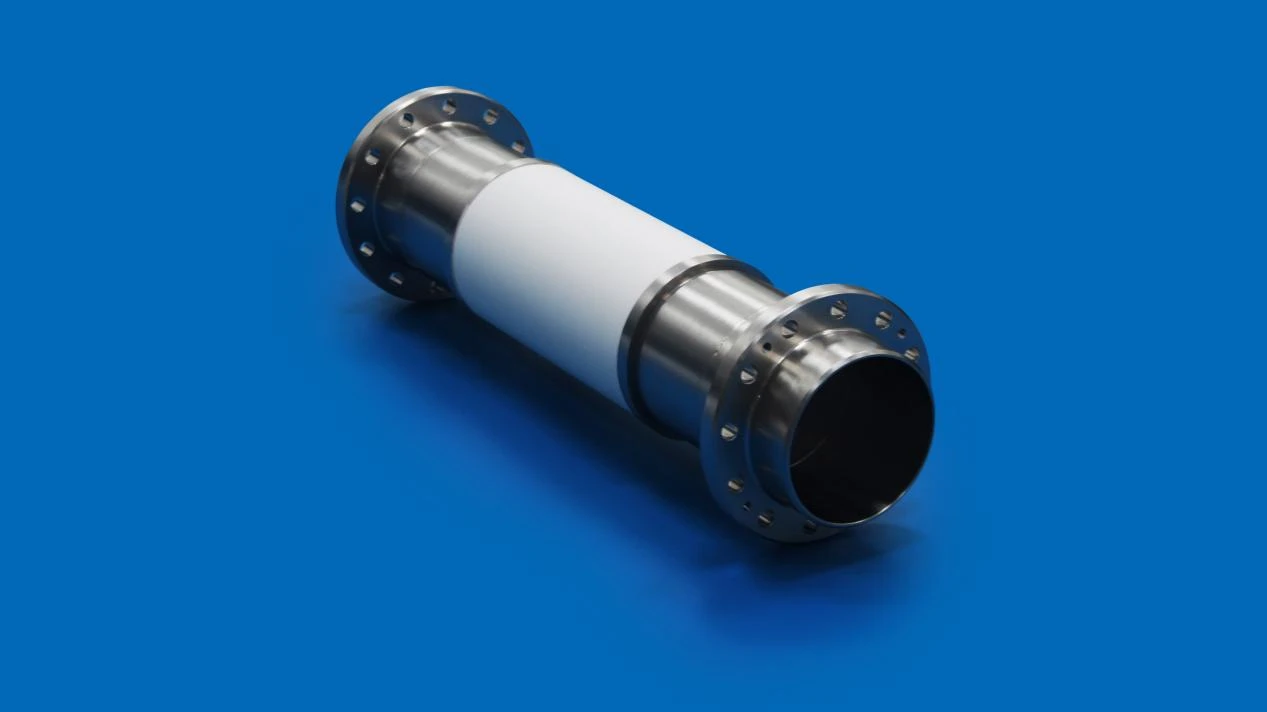
Such components typically have larger ceramic sizes and longer overall structures, thus requiring higher requirements for material matching, dimensional accuracy, assembly positioning, and brazing consistency compared to common small ceramic insulating rings, vacuum feedthroughs, etc.
Through reasonable material combinations and ceramic-metal brazing processes, these components can simultaneously meet the insulation, structural connection, and specific application requirements for airtightness as required by the equipment.
VI. Typical Applications of Large-scale Ceramic-Metal Brazing Components
Large-scale ceramic-metal components are mainly used in equipment with high requirements for electrical insulation, mechanical connection, or airtight performance.
In high-voltage electrical equipment, alumina ceramics can serve as the insulation body, reliably isolating the high-voltage area from the metal structure; in vacuum equipment, the ceramic-metal sealing structure can form a reliable vacuum boundary while achieving electrical insulation. Additionally, these components can be applied to semiconductor equipment, plasma equipment, particle accelerators, scientific instruments, and other specialized industrial equipment based on specific structures.
Due to the differences in working voltage, temperature, vacuum levels, size, and mechanical loads required by different equipment, large-scale ceramic-metal brazing components usually need to be designed and manufactured based on specific operating conditions.
Innovacera’s Large-scale Ceramic-Metal Brazing Solution
Innovacera specializes in the manufacturing of advanced ceramics and ceramic-metal sealing components, offering integrated manufacturing support ranging from the fabrication of alumina ceramics, precision machining, ceramic metallization to ceramic-metal brazing. For large and complex ceramic insulating components, we can conduct a comprehensive assessment of ceramic and metal materials, connection structures, metallization areas, dimensional accuracy, and gas-tight requirements based on customer drawings and actual application conditions, and provide sample development and batch manufacturing support.
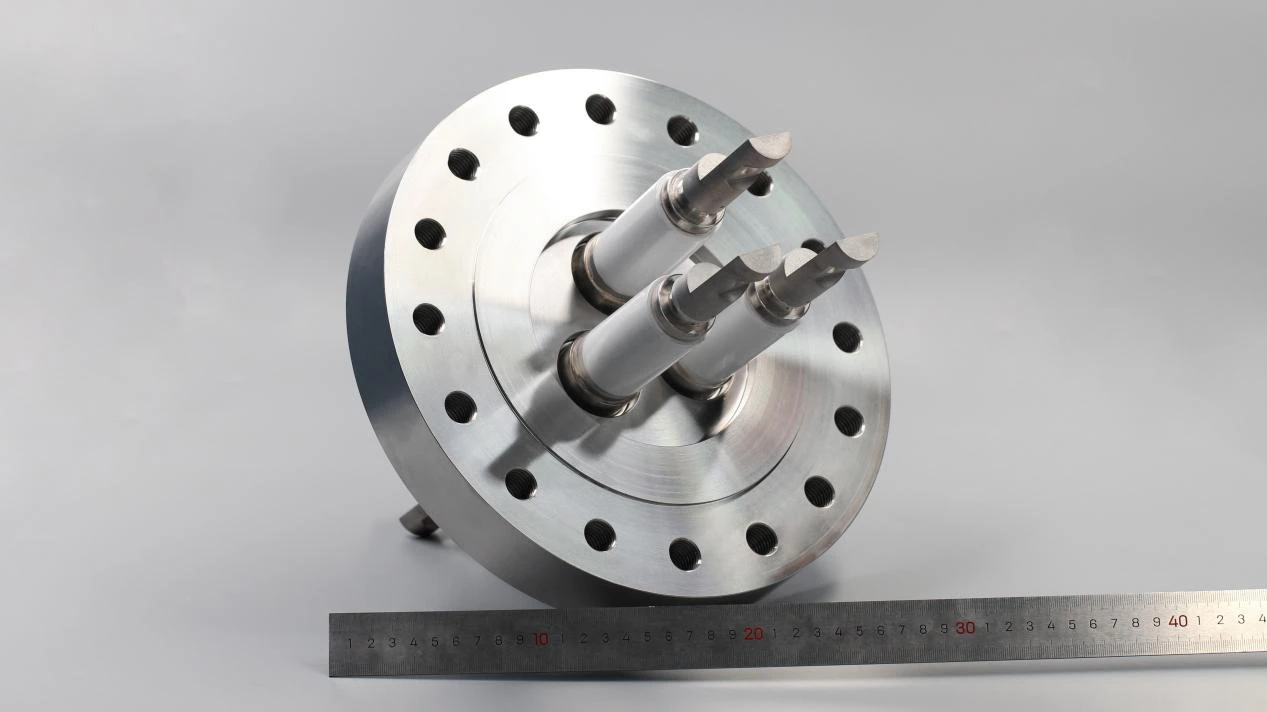
In addition to large ceramic-metal brazing components, Innovacera also offers metallized ceramics, ceramic-metal sealing parts, vacuum feedthroughs, and other precision ceramic components. If needed, please contact sales@innovacera.com.