Electrical circuit breakers are core protective devices for power transmission and distribution networks, industrial electrical control systems, and high-voltage equipment. They run continuously under harsh working conditions with high voltage, high current and frequent switching, requiring outstanding insulation stability, structural rigidity and long-term operational reliability.
Internal insulation parts of circuit breakers not only achieve electrical isolation but also withstand long-term mechanical impacts, thermal cycling due to current variations, and various environmental factors. Their reliable performance directly determines the operational safety and service life of the entire equipment.
Among various engineering insulation materials, 96% alumina ceramic is widely used in high-voltage circuit breakers, vacuum switches, high-voltage relays, and other electrical devices due to its excellent insulation properties, high-temperature resistance, mechanical strength, and chemical stability.
However, despite the excellent insulating performance of ceramics, their inherent non-metallic and inert properties make reliable direct bonding difficult when paired with metal electrodes, conductors and structural components. For this reason, ceramic metallization technology is widely adopted in the industry. This process forms a stable metallic transition layer on the ceramic surface to enable welding and hermetic sealing, realizing high-reliability ceramic-metal connections.
Specifically, 96% alumina ceramic combined with Mo-Mn metallization and nickel plating is one of the most mature and widely adopted ceramic-metal bonding techniques for high-performance, high-reliability electrical insulation components.
I. Core Functional Value of Ceramic Isolation Components in Circuit Breakers
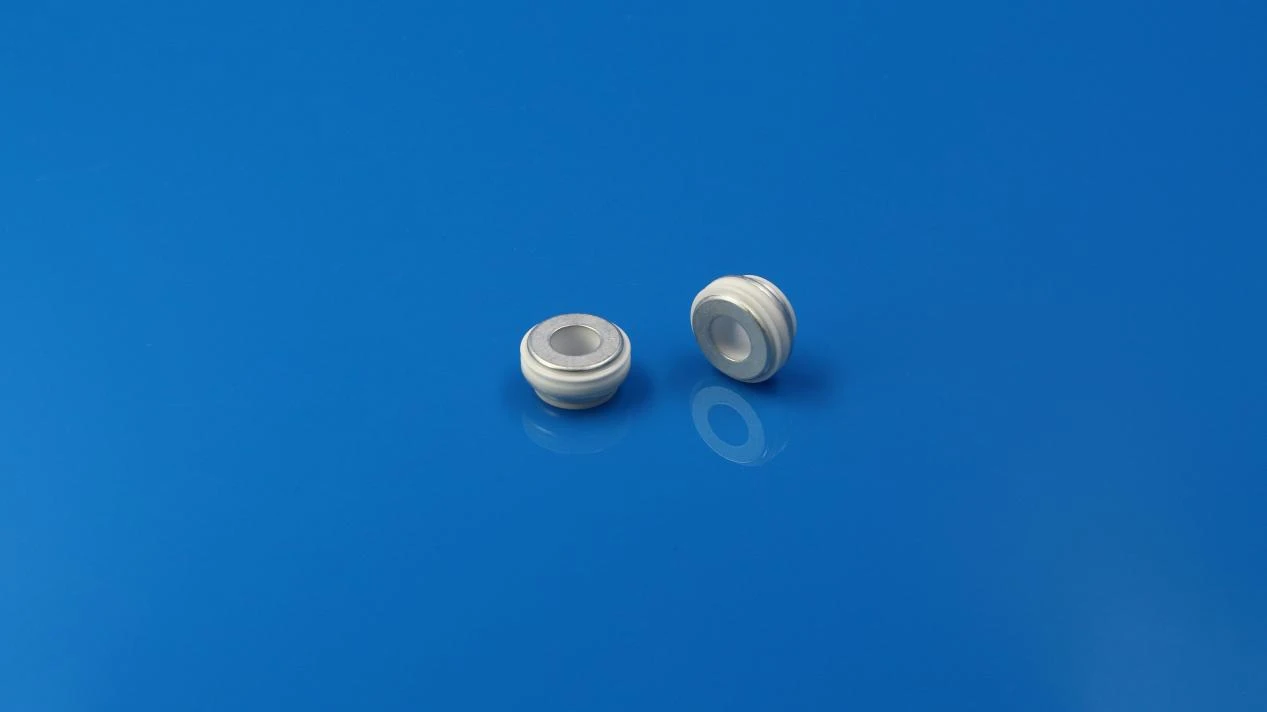
Ceramic isolation parts in circuit breakers are far more than simple insulating accessories. They are key functional components that deliver electrical insulation, structural support and stable structural connection performance.
1. Providing Reliable High-Voltage Electrical Isolation
During operation, significant potential differences exist between various conductive components within a circuit breaker, requiring effective insulation to minimize risks such as leakage current, arc breakdown, and insulation failure. 96% alumina ceramic offers excellent electrical properties—including high volume resistivity, high dielectric strength, and low dielectric loss—ensuring stable insulation performance even under prolonged high-voltage conditions, thereby delivering continuous and reliable electrical isolation for the equipment.
2. Withstanding Mechanical Shock and Thermal Cycling Stress
Frequent switching operations expose circuit breakers to continuous mechanical impact, while fluctuating load currents induce repeated heating and cooling thermal cycles. Traditional plastic and resin insulation materials are prone to deformation, aging and cracking under such working conditions.
In comparison, 96% alumina ceramic delivers high hardness, excellent compressive strength and superior thermal stability. It retains intact structural performance in harsh operating scenarios and effectively prevents equipment failures caused by material degradation, deformation and cracking.
3. Achieving Reliable Connection Between Ceramic and Metal Components
Circuit breakers integrate metal conductors, electrodes and support structures with ceramic insulators via brazing, sealing and mechanical fastening to secure stable assembly. Nevertheless, ceramics feature high chemical inertness that inhibits solder wetting, along with a thermal expansion coefficient vastly different from metals. Traditional welding techniques cannot satisfy high-voltage equipment’s long-term operational demands in terms of bonding strength, hermetic tightness and thermal cycling resistance. Therefore, ceramic metallization technology is essential to establish a reliable interface for bonding ceramics to metals.
II. Why is 96% alumina ceramic suitable for circuit breaker isolation components?
Among various ceramic materials such as 95%, 96%, and 99% alumina, 96% alumina ceramic stands out as a widely used material in electrical insulation due to its excellent balance of performance, processability, and cost.
1. Superior Insulation Properties
96% alumina ceramic offers high insulation resistance and voltage withstand capability, along with stable dielectric characteristics, meeting the requirements of high-voltage electrical equipment for long-term insulation reliability.
2. Excellent Mechanical Properties and Environmental Adaptability
In complex industrial environments, insulation components must not only maintain electrical performance but also withstand mechanical stresses and environmental factors.
96% alumina ceramic provides:
• High mechanical strength;
• Good wear resistance;
• Outstanding corrosion resistance;
• Long-term anti-aging performance.
These qualities make it ideal for reliable, long-term operation in high-voltage electrical equipment, vacuum devices, and industrial control systems.
3. Compatibility with Established Ceramic Metallization Processes
96% alumina ceramic exhibits excellent compatibility with conventional Mo-Mn metallization systems.
Through metallization, a stable metal bonding layer can be formed on the ceramic surface. Combined with nickel plating and brazing techniques, this enables:
• Reliable joining between ceramic and metal structures;
• Sealing of electrical components;
• Highly reliable insulated assemblies.
This explains why metallized alumina ceramics are widely deployed in circuit breakers, vacuum switches, and high-voltage relays.
III. How does Mo-Mn metallization + nickel coating enhance the reliability of ceramic connections?
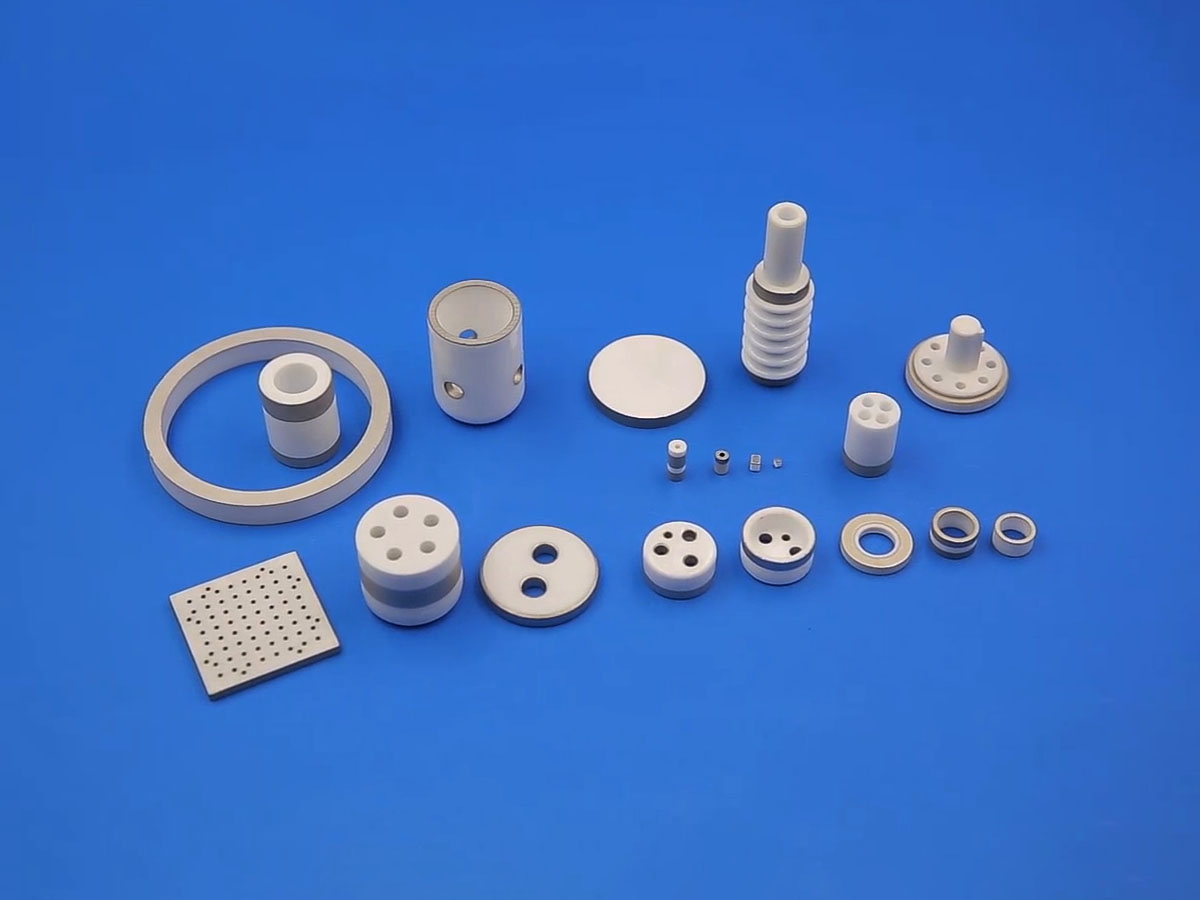
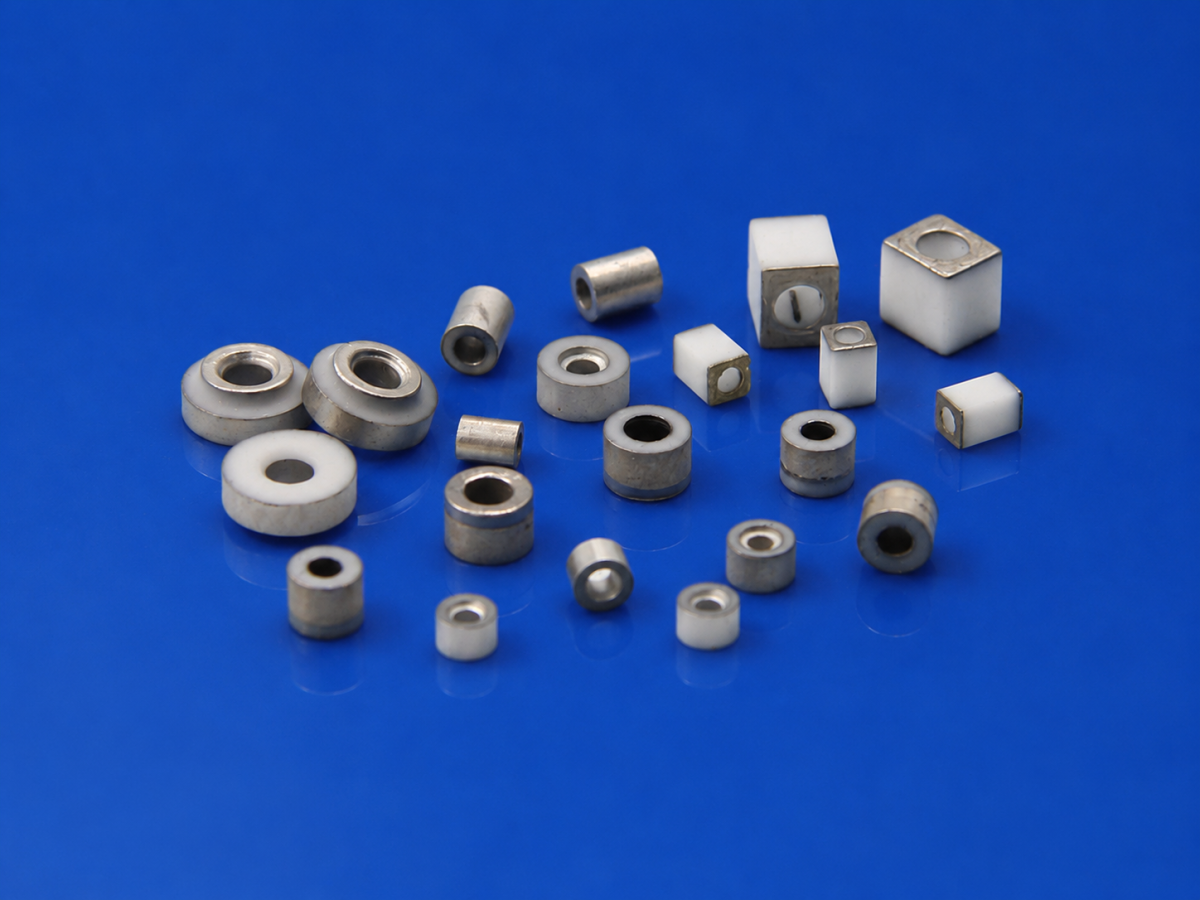
Ceramic metallization is not simply covering the ceramic surface with metal; instead, it forms a stable ceramic-metal transition interface through a specific process, thereby solving the problem of difficult welding of ceramic materials. For 96% alumina ceramic components, the common structural form is as follows:
Alumina ceramic substrate → Mo-Mn metallization layer → nickel coating → brazing or metal sealing
1. Mo-Mn metallization layer: Establishing the foundation for ceramic connections
Mo-Mn metallization is one of the most mature processing techniques for alumina ceramic metallization.
Sintered in a high-temperature wet hydrogen atmosphere, the active ingredients in Mo-Mn paste react with the alumina ceramic surface, forming a stable bonding transition layer between metal and ceramic. Its main functions include:
• Improving the weldability of the ceramic surface;
• Enhancing the bonding strength between the ceramic and the metal;
• Providing a foundation for subsequent nickel coating and brazing processes.
With proper process control, it can effectively reduce the risk of interface delamination caused by thermal cycling and mechanical vibration, and improve the long-term reliability of the component.
2. Nickel coating: Enhancing protection and welding performance
After Mo-Mn metallization is completed, a further nickel coating treatment is usually required.
The main functions of the nickel layer include:
• Improving the environmental stability of the metallization layer;
• Enhancing the surface oxidation resistance;
• Improving the wetting effect of the solder;
• Increasing the reliability of ceramic-metal sealing.
It should be noted that the nickel coating is an auxiliary process after ceramic metallization and is not a substitute for Mo-Mn metallization; rather, it together constitutes a complete ceramic connection system.
IV. Key Factors in the Design of Ceramic Metalized Isolation Components
The reliability of ceramic metalized components for circuit breakers not only depends on the materials and processes, but also on reasonable structural and process designs. The actual customization and development need to focus on three core factors.
Firstly, material selection matching: 96% alumina ceramics, with its stable comprehensive performance, mature process and high cost-effectiveness, is suitable for most high-voltage circuit breaker insulation scenarios; ultra-high precision and ultra-high cleanliness conditions can select 99% alumina and other higher purity materials as needed.
Secondly, customized metalized areas: it is necessary to combine the equipment assembly method, welding position, and electrical safety spacing to plan the metalized area, precisely control the welding area and insulation blank space, and balance the structural connection strength and electrical insulation safety.
Finally, thermal expansion stress matching: during the design stage, it is necessary to combine the thermal expansion coefficients of ceramics, metal components, and solder, match a reasonable brazing process, and avoid interface cracks, metal layer detachment, sealing leakage and other failure problems caused by high-temperature welding and long-term thermal cycling.
V. Typical Applications and Engineering Customization Services of Ceramic Metalized Components
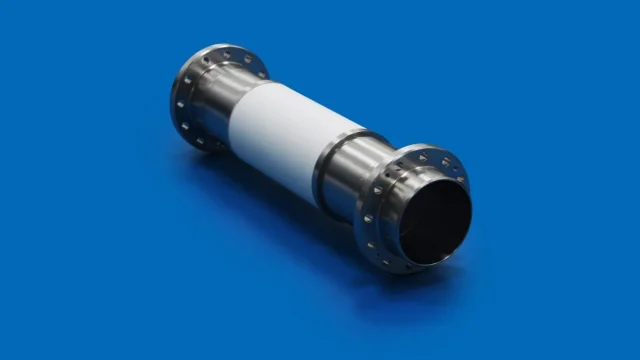
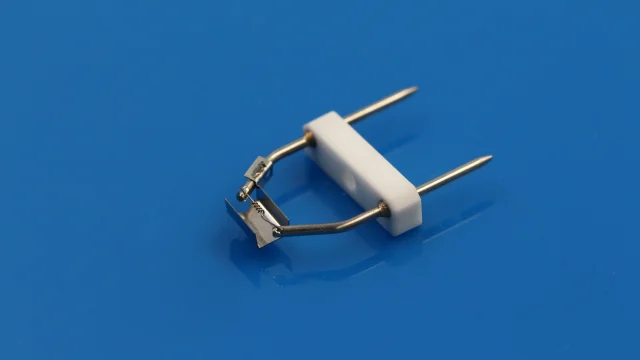
In addition to electrical circuit breakers, due to its excellent insulation performance, reliable ceramic-metal connection ability and long-term stability, metalized alumina ceramic components are also widely used in vacuum switches, high-voltage relays, precision electrical connection components, vacuum feedthroughs, semiconductor equipment insulation structures and high-end electronic packaging fields, and are key functional components in high-reliability power electronic equipment.
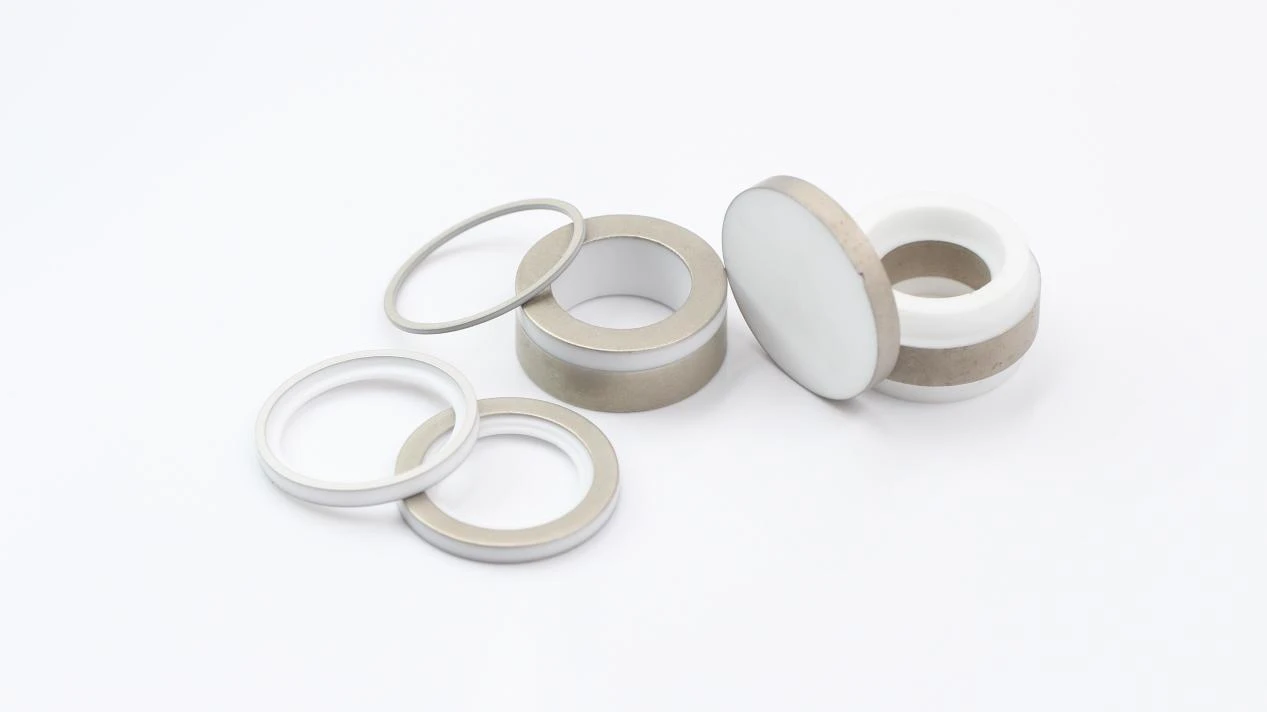
Innovacera provides customized services for alumina ceramic metalized components, covering precise processing of ceramics, Mo-Mn metalization, nickel plating treatment and ceramic-metal sealing processes. It can provide material selection, structural design, metalization scheme optimization and batch production support according to customer application requirements, providing high-reliability ceramic connection solutions for high-voltage electrical equipment, vacuum systems and electronic packaging fields. Welcome to provide demand information and contact sales@innovacera.com