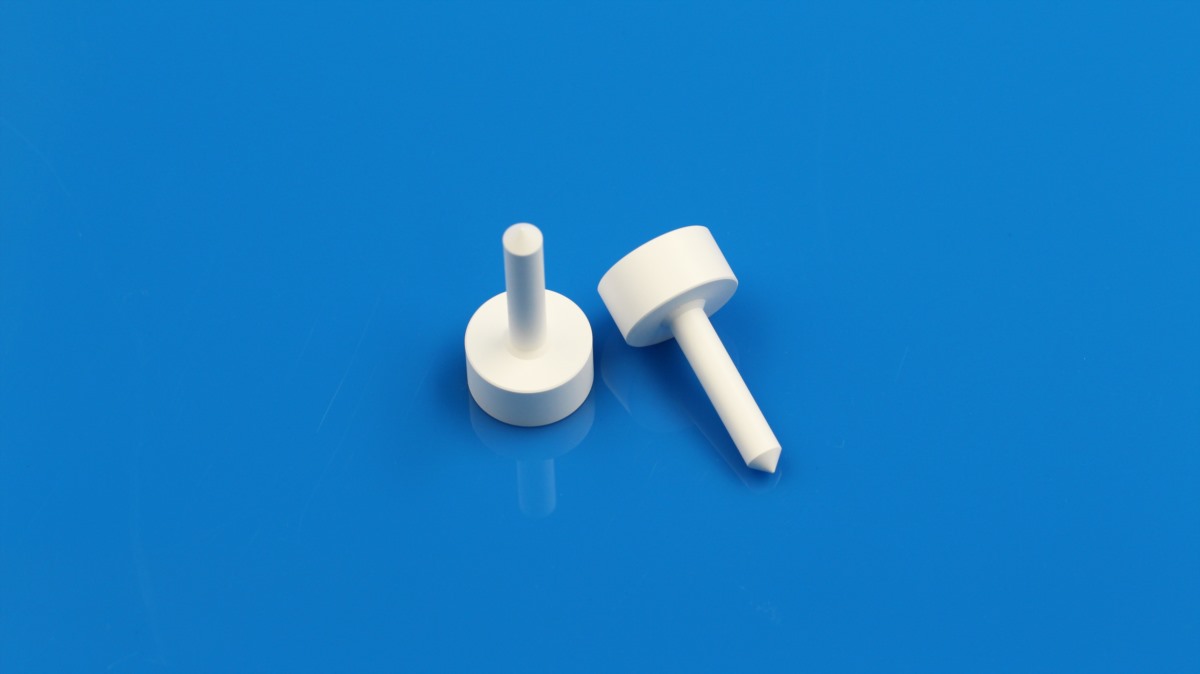
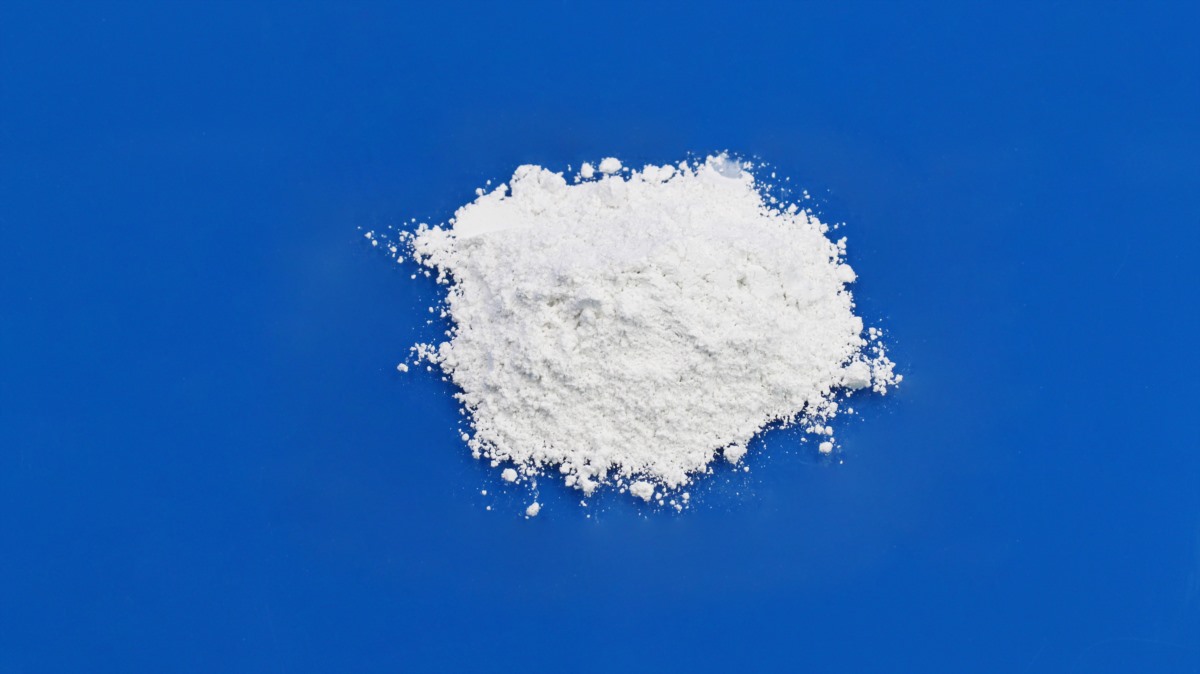
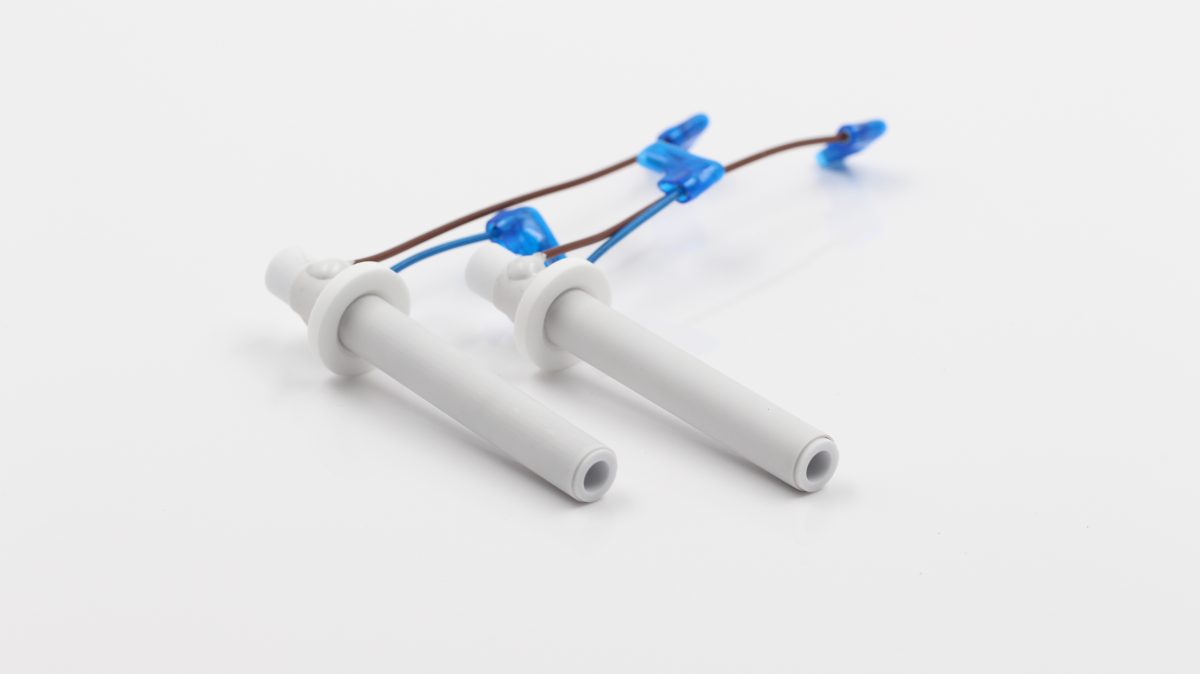
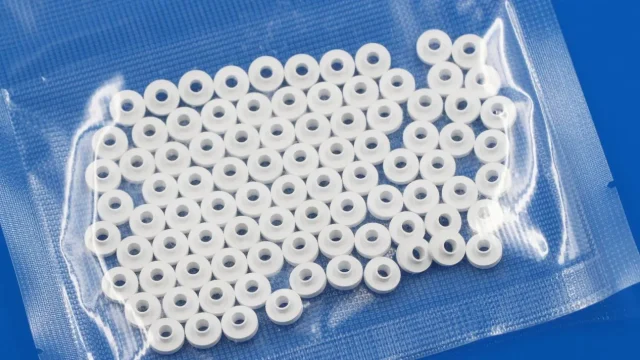
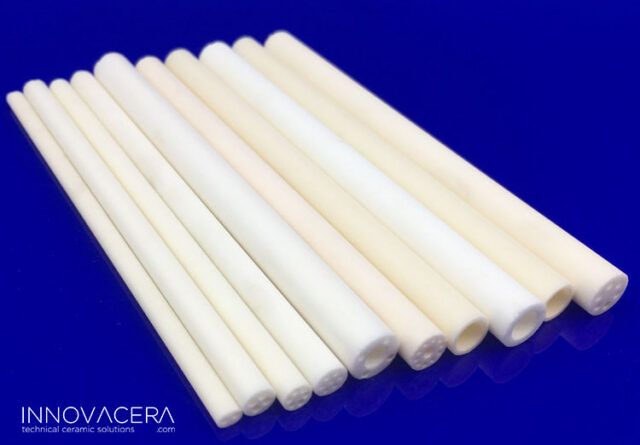
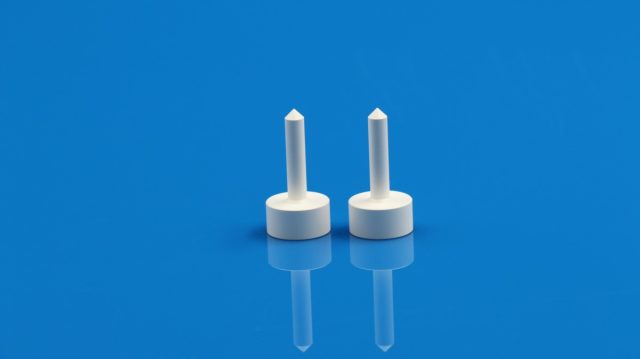
In industries, many high-temperature applications face numerous challenges:
- Thermal shock
- High operating temperatures
- Rapid heating and cooling cycles
- Electrical insulation requirements
- Contact with molten metals
- Risk of contamination or adhesion
- Precision machining to complex geometries
Boron nitride ceramics can solve many of these challenges within a single material system.
1. Super High-Temperature Property
Hexagonal boron nitride maintains its properties at extremely high temperatures, especially in inert environments or in vacuum. This makes BN suitable for demanding applications such as:
- High-temperature furnace components
- Vacuum furnace insulation
- Semiconductor processing equipment
- Crystal growth systems
- Sintering fixtures
- High-temperature electrical insulators
2. Excellent resistance to thermal shock
Rapid temperature changes can cause significant thermal stress and cracking in ceramic materials. Boron nitride (BN) has good thermal conductivity and an extremely low coefficient of thermal expansion, enabling it to withstand repeated heating and cooling cycles while maintaining dimensional stability. This makes BN particularly important in applications involving rapid heating → high-temperature operation → rapid cooling → repeated cycling.
3. Electrical Insulation + Thermal Management
One of the most valuable properties of BN is its combination of: Electrical insulation + thermal conductivity + high-temperature resistance. Many conventional insulating materials struggle to achieve this simultaneously. Therefore, BN can be used in high-temperature electrical insulation components while also aiding in heat dissipation. Typical applications include furnace heater insulators, semiconductor devices, plasma systems, and other high-temperature electrical components.
4. Non-wetting and Chemical Resistance
Adhesion, corrosion, and contamination become major problems when ceramic components come into contact with molten metals or other corrosive materials.
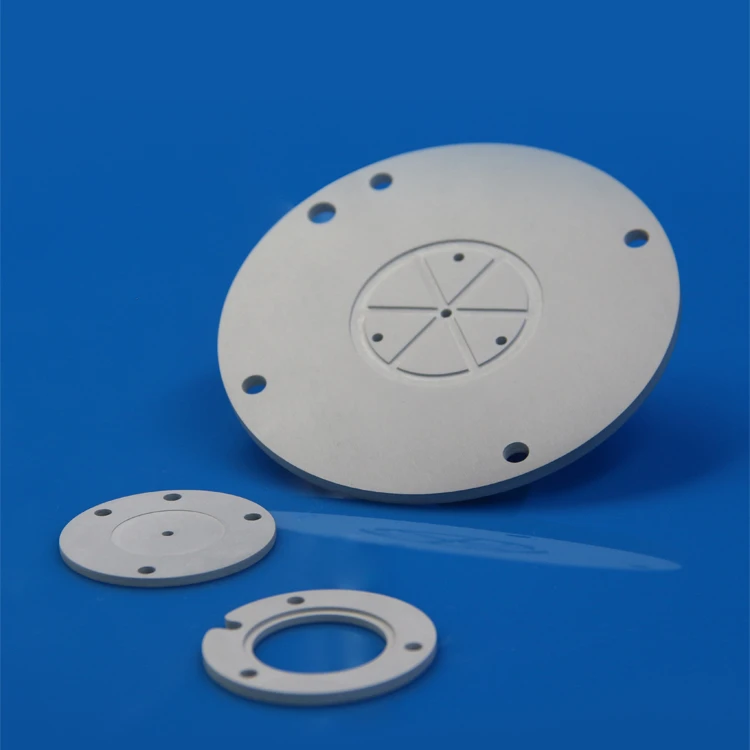
Boron nitride exhibits excellent non-wetting properties and good chemical stability in many molten materials, making it an ideal material for applications where contamination must be minimized.
- Molten metal processing
- Metal casting
- Crucibles
- Nozzles
- Break rings
- Protective elements
- Powder metallurgy
5. Ease of precision machining
Unlike many advanced technology ceramics, hot-pressed boron nitride is relatively soft and can be machined using conventional methods. This allows boron nitride (BN) components to be machined into a variety of complex geometries, such as:
- Tubes
- Rings
- Sheets
- Crucibles
- Nozzles
- Insulators
- Custom precision components
Boron nitride ceramics come in different purities and grades. Choosing the appropriate boron nitride grade is not simply about selecting the highest purity material.
The optimal boron nitride grade depends on the specific operating environment, including: Temperature + Atmosphere + Electrical Requirements + Chemical Environment + Mechanical Load + Thermal Cycling + Dimensional Requirements
For example, high-purity boron nitride grades may be preferred for semiconductor applications with extremely stringent contamination requirements, while for more demanding structural applications, boron nitride composites may offer better mechanical strength or abrasion resistance.
In one case for reference, high carbon volatiles from low-purity graphite components in a high-temperature furnace caused heavy carbon deposition and adhesion on boron nitride (BN) parts. Over time, the thick carbon layer chemically corroded the BN and caused severe carburization, significantly shortening its service life and degrading insulation performance. For minor carburization, the carbon layer can be removed by mechanical grinding, and the BN part may continue in use after cleaning and insulation testing. However, the root cause must be addressed by immediately replacing the graphite components with higher-grade ones.
If you any BN grade choose questions for your application, please contact Innovacera’s engineering team sales@innovacera.com for design support.