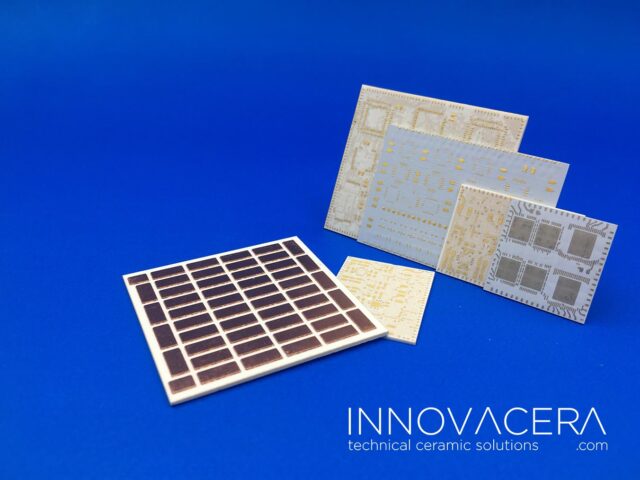
Bare vs Metallized Ceramic Substrates: What Should You Purchase?
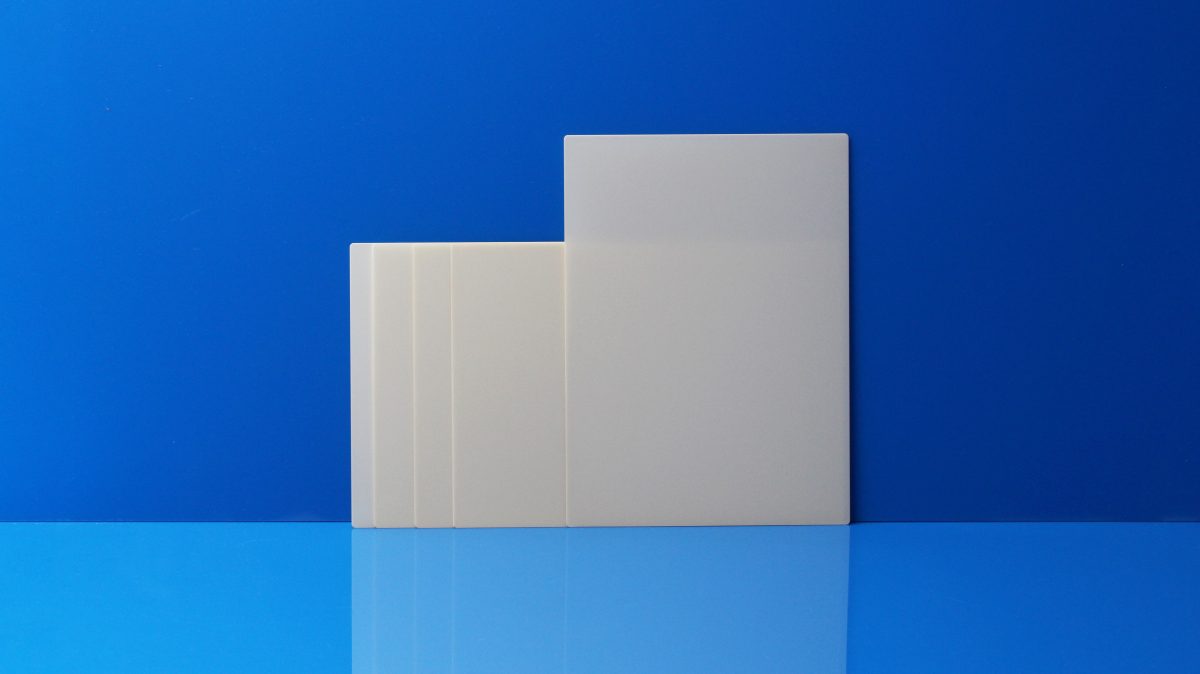
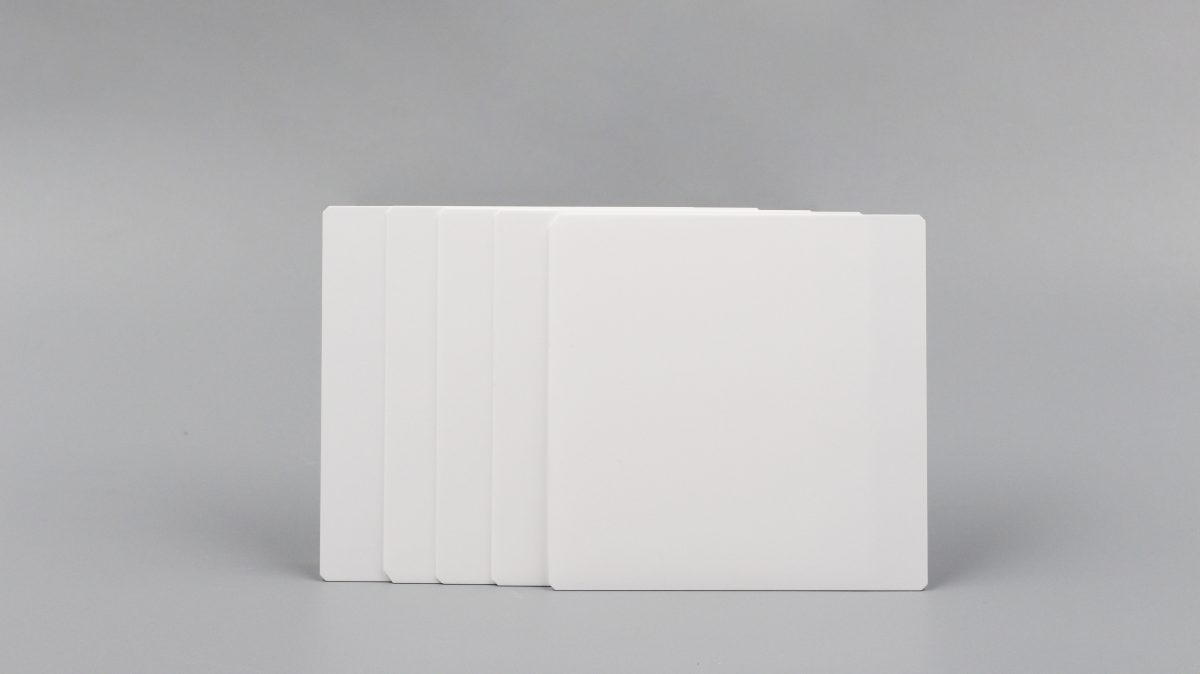
When you are faced with the choice of whether to purchase a bare board or a metallized substrate, you might want to take a look at the following suggestions first.
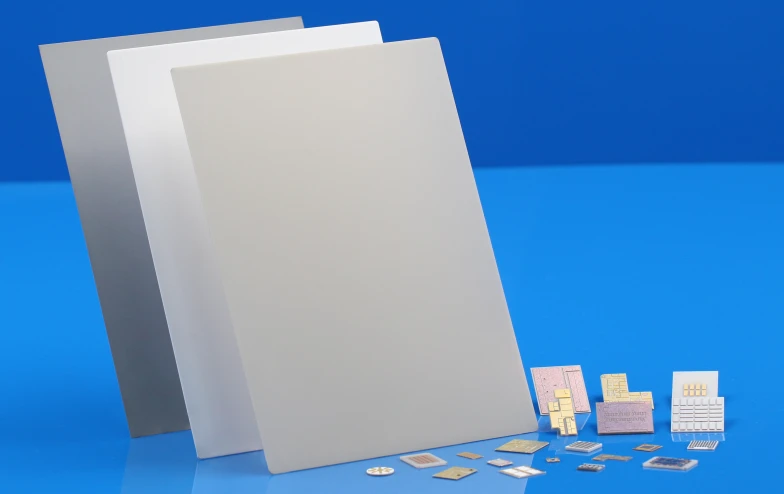
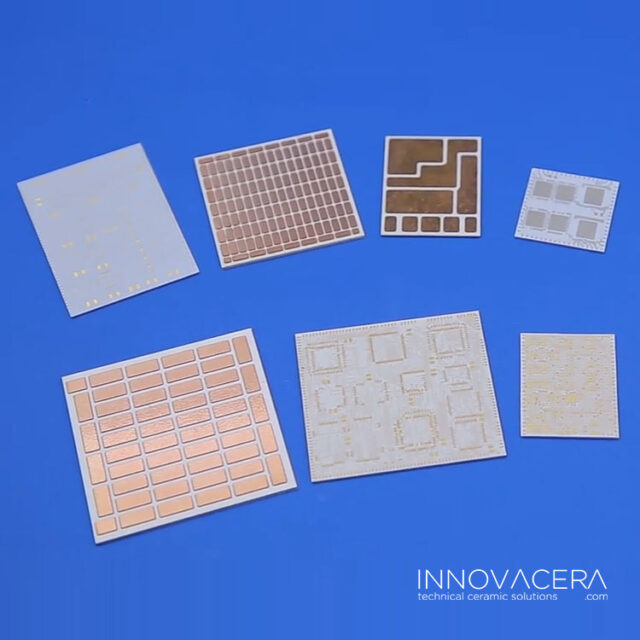
1.Metalization Process: Don’t Overlook or Underestimate The metal layer is as important as material selection. Here lies a critical oversight for many buyers: thinking in terms of bare vs. metallized is only half the equation. If you select a bare substrate (the “ceramic blank”) and plan to metalize yourself, you need to ask: What equipment do you have? What process control do you have in place? If your production involves direct-bond copper (DBC) or direct plasma copper (DPC), these require significant capital investment (machines) and R&D time—perhaps not something your current operation is ready to scale into.
2.Alternatively, if your design calls for advanced metalization like active metal bonding (AMB) or thick film deposition, then you need partners with deep metallization experience. The key takeaway: Your metal layer choice must align with your production capacity and quality control ability—without them, even the best material can fail in the long run.
3.Beyond First Cost: The Deep Dive into Total Cost of Ownership (TCO) When evaluating bare vs. metallized options, don’t set your budget on the starting material price alone. Add in labor for prep, metalization, testing, reliability validation, and yield loss—there’s a whole iceberg to account for. Suppose you buy a more expensive, pre-metalized substrate, but your operation lacks the follow-on testing capacity or the tool to work with metalized surfaces properly. The higher initial cost could balloon if you end up with a bad yield curve or long-term reliability failures. Think of your ceramic substrate decision as an investment. The path to lower, more sustainable costs typically involves selecting the precise level of finished substrate that aligns with your assembly capabilities and end-product lifespan.
Cost Evaluation
1.The Verdict on Over-Specifying Tolerances Tight tolerances are appealing—”we need a super-smooth surface for this precision assembly,”—but do your designs actually require the cost and manufacturing complexity? Sometimes called “over-specification syndrome,” this issue comes up often with clients moving from initial prototypes into production. In many cases, a slightly rougher but well-controlled surface still works just fine. And here’s the reality: Overly narrow tolerance specs can lead to excessive vendor qualification costs or impossible manufacturing cycles. Let’s be clear: Find the balance, because that’s where you achieve real-value purchasing.
2.Final Steps: Moving from Hype to Smart Procurement If ceramic substrates aren’t your specialty, then approaching procurement as a pilot flying an unfamiliar jet—carefully. Don’t get caught guessing about material and process combinations. Partner with suppliers who understand total cost assessment: their certifications (ISO/IATF), process capabilities (testing, DPC/AMB), and willingness to share risk (product testing data, design support) speak volumes about their commitment to product success.
We hope the above suggestions will be helpful to you. If you need professional assistance, please feel free to contact our sales team at any time.