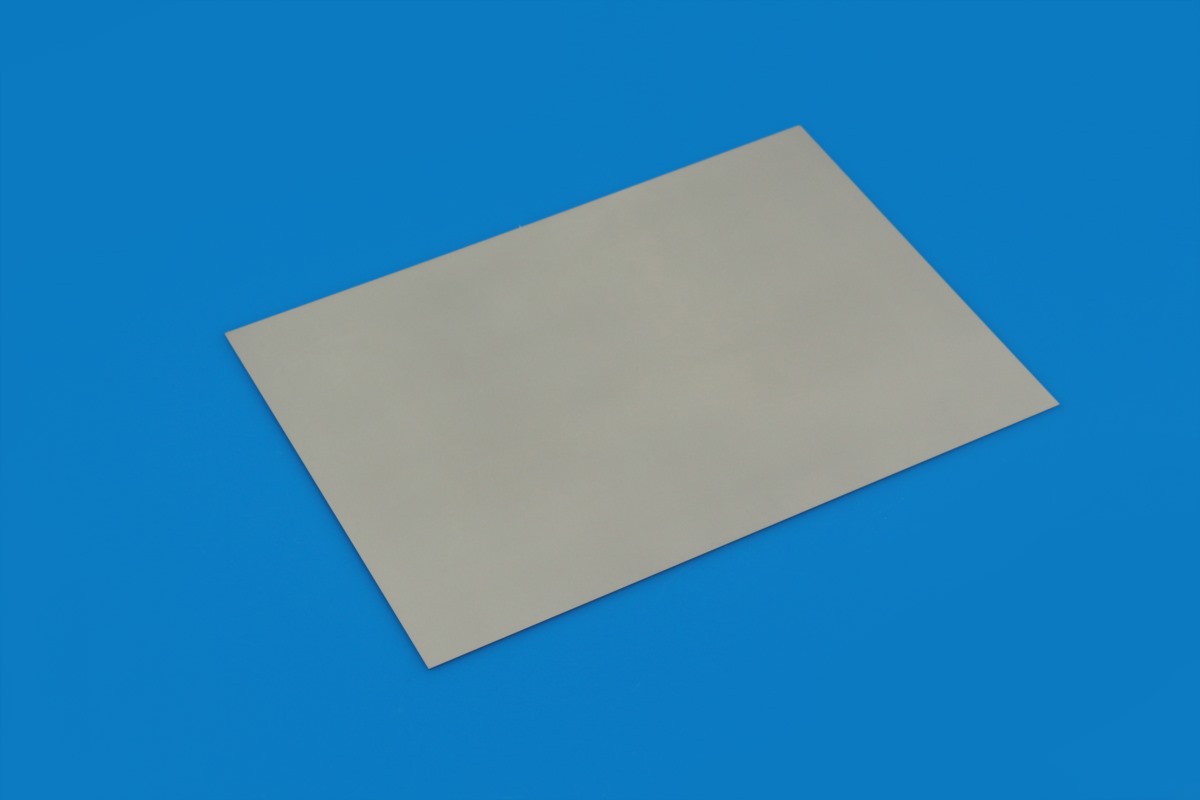
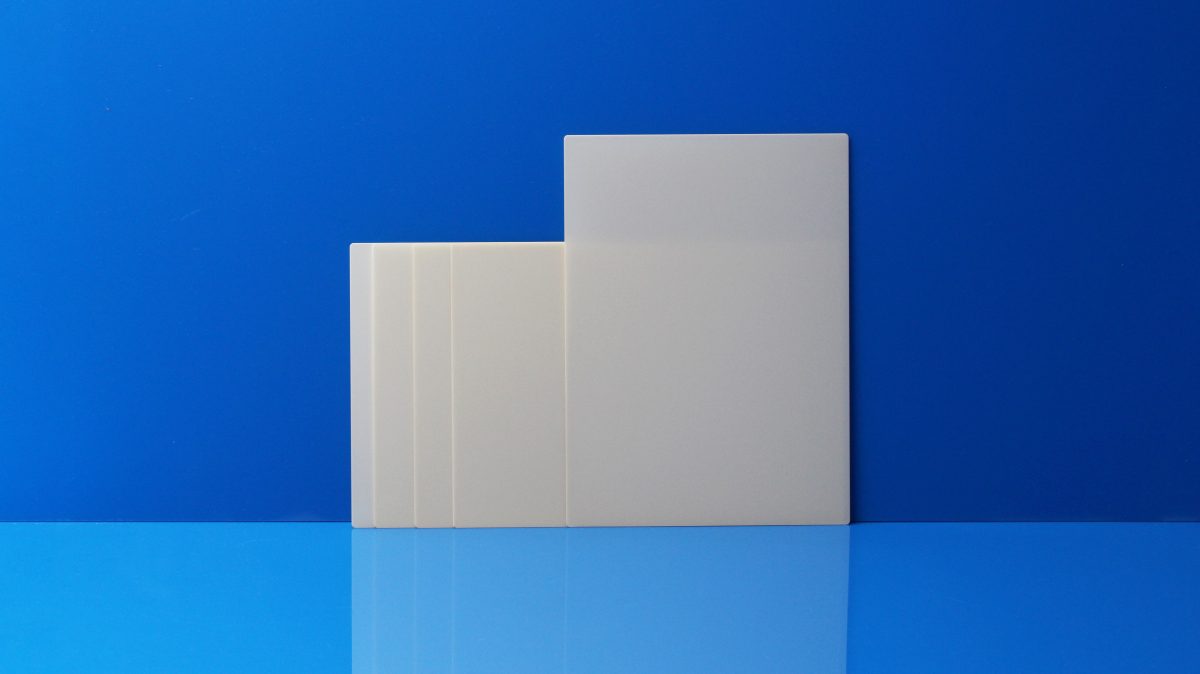
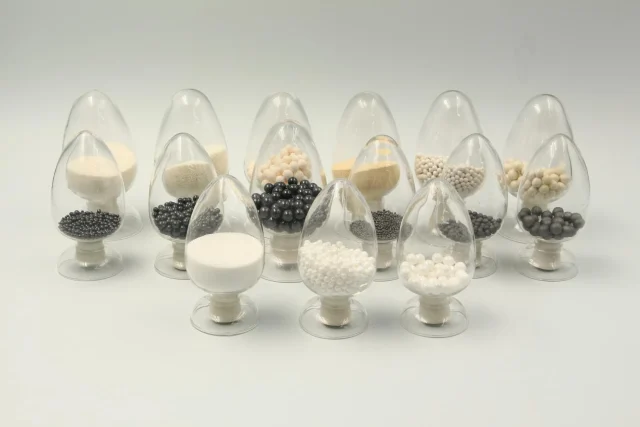
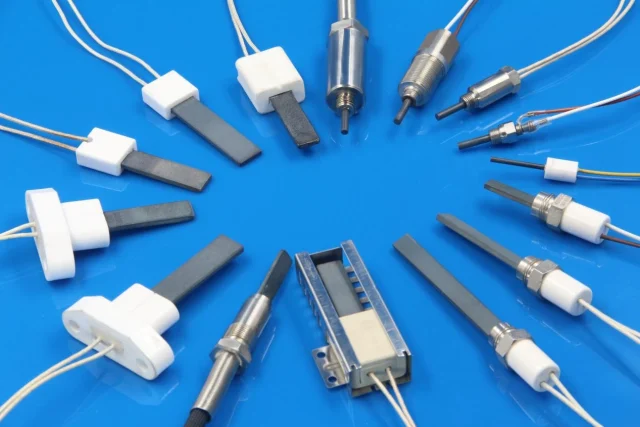
Against the backdrop of the rapid development of new energy vehicles, 5G communication, power semiconductors and the third-generation semiconductor industry, the market demand for high-performance electronic packaging ceramic materials continues to rise. Aluminum nitride (AlN) and silicon nitride (Si₃N₄) ceramic substrates, with their comprehensive advantages of high thermal conductivity, high insulation, and strong structural reliability, have become the core basic carriers for IGBT modules, SiC power devices, vehicle electronic control systems, and high-end precision electronic equipment.
The quality of the finished products of high-performance nitride substrates not only depends on the powder formula, molding process and sintering curve, but also the supporting fixtures during the sintering process are a key link determining the flatness, surface quality and batch yield of the substrates. During the high-temperature sintering process, thin substrate bodies are prone to deformation, adhesion, and impurity contamination. 99.7% boron nitride (BN) ceramic crucibles, with their highly adaptable high-temperature performance, have become the core auxiliary materials for the mass production of AlN and Si₃N₄ substrates.
I. Core Requirements for Fixtures in Ceramic Substrate Sintering
Aluminum nitride and silicon nitride substrates need to be densified and formed through sintering in a high-temperature atmosphere. The entire process is constantly exposed to high temperatures, variable temperatures, and an inert atmosphere, which imposes extremely high requirements on the comprehensive performance of the supporting fixtures. The fixtures not only need to stably support the raw materials but also must not have any secondary effects on the substrates. They are the core consumables that ensure the consistency of the sintering process.
High-quality fixtures suitable for sintering of nitride-based substrates must meet the following conditions simultaneously:
• High temperature dimensional stability: Prevent the fixture from deforming under long-term high-temperature conditions, which would affect the flatness of the substrate;
• Good chemical stability: Reduce the risk of reaction between the fixture and the substrate material or sintering additives;
• Low pollution characteristics: Minimize the impact of impurity release on the performance and surface quality of the substrate;
• Good thermal shock resistance: Adapt to the thermal cycling process in continuous production;
• Lower adhesion risk: Facilitate the removal of the product after sintering, reducing damage to the substrate.
Traditional metal materials or some common ceramic materials may experience oxidation, reactions, contamination or thermal stress deformation under high-temperature conditions, which can affect the surface quality, flatness and batch production consistency of the substrate. Therefore, choosing auxiliary materials that match the sintering conditions is an important step in improving the stability of ceramic substrate manufacturing.
II. Why is high-purity boron nitride suitable as a sintering fixture material for ceramic substrates?
1. Excellent thermal shock resistance, suitable for high-temperature cyclic sintering processes
Hexagonal boron nitride (h-BN) possesses a layered crystal structure and a relatively low thermal expansion coefficient. It exhibits excellent dimensional stability and thermal shock resistance under high-temperature conditions.
During the sintering process of AlN and Si₃N₄ ceramic substrates, the fixtures need to undergo long periods of high-temperature holding and multiple temperature rise and fall cycles. High-purity BN materials can reduce the structural changes caused by thermal stress, providing a more stable support for thin ceramic substrates.
It should be noted that BN ceramics are mainly suitable for protection atmospheres such as vacuum and nitrogen. In an air-oxidizing environment, BN will undergo oxidation as the temperature rises. Therefore, for actual use, material selection needs to be combined with the sintering atmosphere.
2. Excellent non-wetting properties, reducing the risk of substrate adhesion
During the ceramic sintering process, the sintering additives in the body will precipitate into liquid phases, which are very likely to cause the substrate to stick to the supporting surface. When traditional fixtures take slices, it is prone to cause the substrate to crack, scratch, deform and be scrapped, especially for ultra-thin AlN and Si₃N₄ substrates, the loss is extremely significant.
Boron nitride material has the characteristics of self-lubrication similar to graphite, with excellent non-wetting properties on the surface, and a very low friction coefficient. This can fundamentally avoid the sintering adhesion problem, completely protecting the surface smoothness of the substrate, significantly reducing the mechanical damage during subsequent slice extraction, and effectively improving the production efficiency and product yield of the production line.
3. High-temperature chemical stability, reducing pollution risks
Semiconductor ceramic substrates have extremely high requirements for purity and cleanliness. Even trace amounts of impurities can affect the thermal conductivity, insulation stability, and service life of the substrate. High-purity boron nitride has stable chemical properties in an inert and high-temperature environment and will not react with AlN and Si₃N₄ preforms at the interface. This ensures the minimum introduction of impurities, maintains a clean sintering environment, and guarantees the consistency of performance for batch substrates.
4. Good processability, meeting the requirements of non-standard sintering fixtures
Apart from material properties, the design of the sintering fixture structure also affects production efficiency.
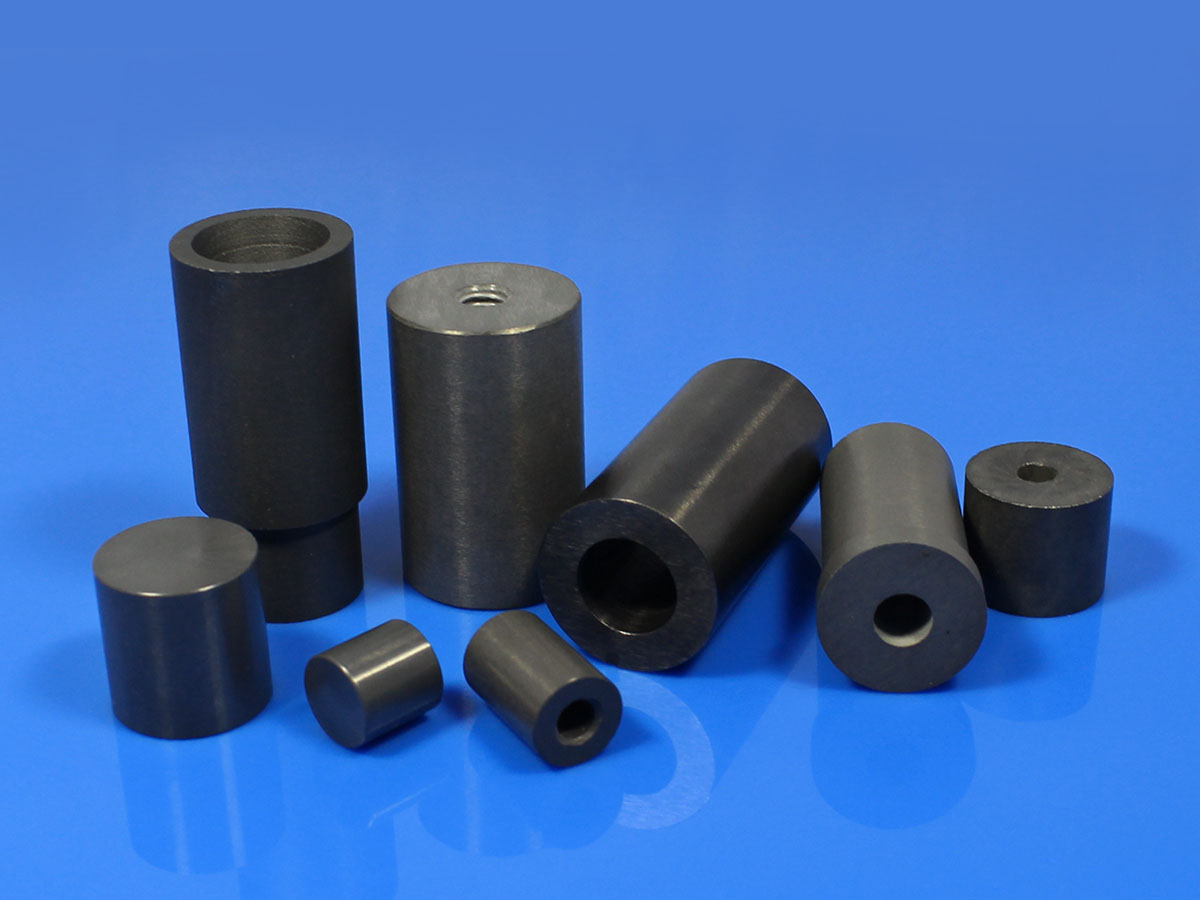
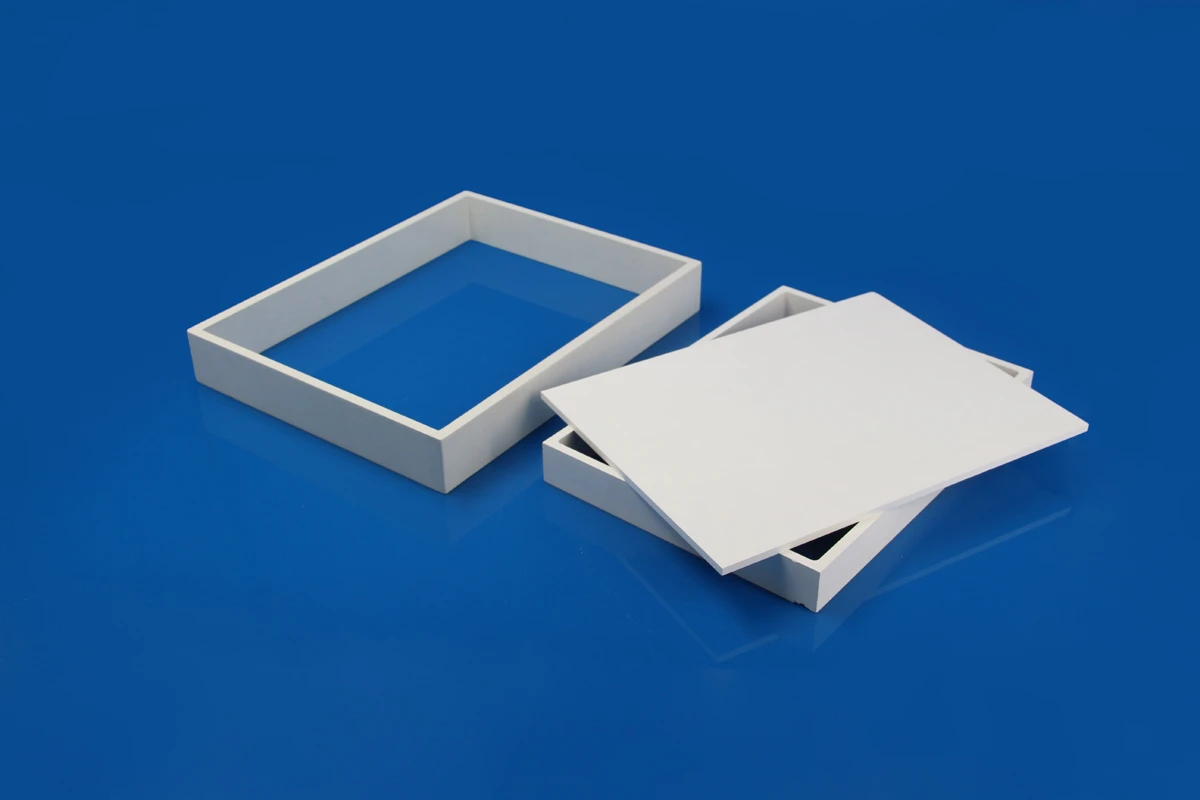
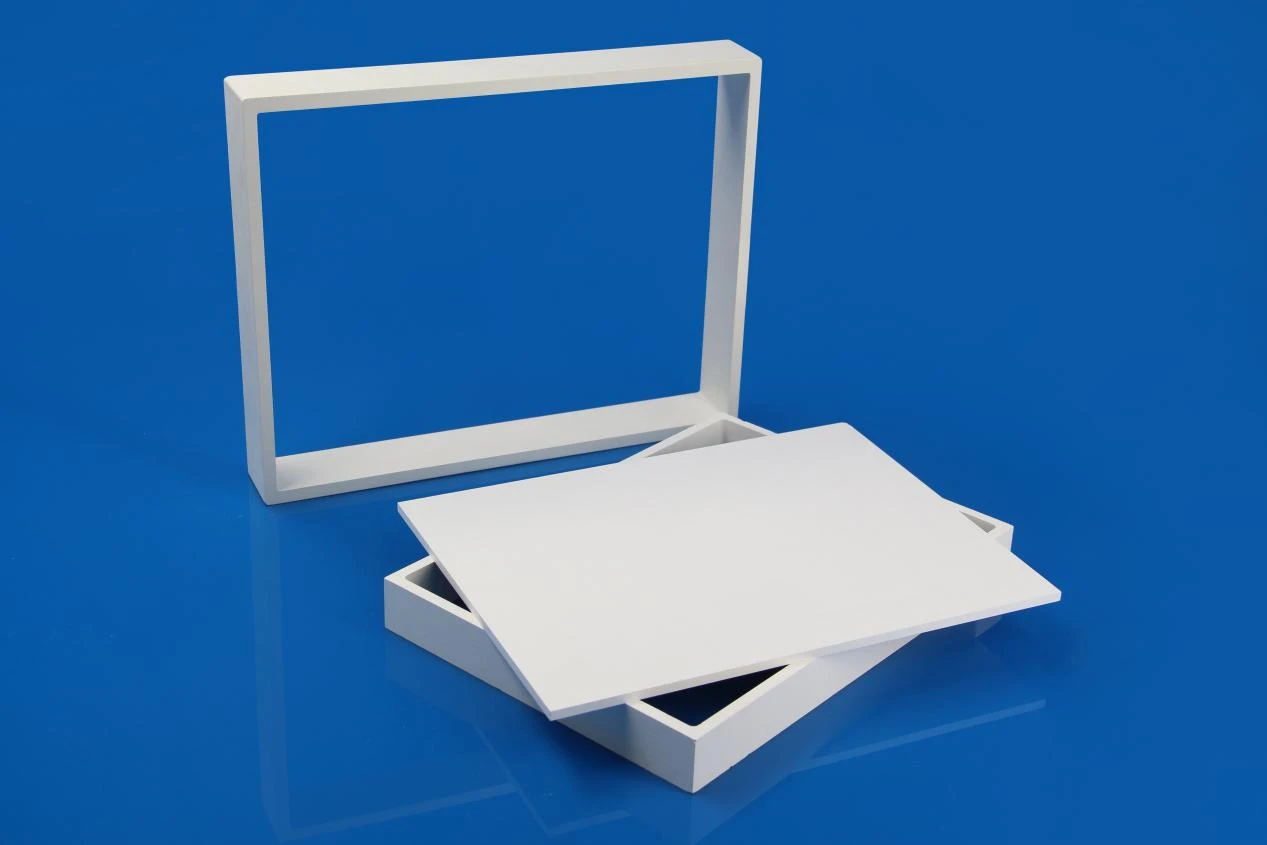
Boron nitride ceramics are highly suitable for precise processing. Based on different substrate specifications, furnace structures, and sintering processes, they can be customized to be processed into various fixture structures, including BN baking plates, sintering boxes, isolation sheets, positioning frames, and various non-standard high-temperature support components. The modular and customized structure can precisely meet the loading requirements of different-sized substrates, enhancing the ease of loading and unloading, and adapting to flexible mass production scenarios.
III. The Application Value of High-Purity Boron Nitride Fixture in the Manufacturing of Nitride-Based Substrates
In the industrial sintering of AlN and Si₃N₄ substrates, the boron nitride sintering fixture effectively address the core pain points of high-end substrate mass production by stabilizing the load, preventing adhesion and contamination, and controlling shape and flatness. They are a key auxiliary material for improving product consistency and achieving high-end yield rates.
| Application Scenario | Common BN Fixture Types | Core Application Value |
|---|---|---|
| Aluminum Nitride (AlN) Substrate Manufacturing | BN Setter Plates, Sintering Boxes, Positioning Fixtures | Provides stable sintering support, minimizes substrate warpage and deformation, and improves surface quality and batch consistency of high‑thermal‑conductivity substrates |
| Silicon Nitride (Si₃N₄) Substrate Manufacturing | BN Separator Sheets, Customized Support Components | Reduces the risk of deformation during high‑temperature sintering and improves dimensional consistency and performance stability of high‑reliability power substrates |
| High‑Performance Ceramic R&D | Laboratory‑Grade BN Sintering Components | Supports new‑material formulation trials, high‑temperature process validation, and small‑batch experimental sintering |
For high-power semiconductor packaging scenarios, substrates made of AlN and Si₃N₄ have extremely strict requirements for flatness, cleanliness, and reliability. The material and structural accuracy of the sintering fixtures directly determine the heat dissipation performance and service life of the final module. High-purity BN fixtures have become the standard auxiliary materials for high-end nitride substrate production lines.
IV. Conclusion
High-end aluminum nitride and silicon nitride ceramic substrates are the core basic materials for the third-generation semiconductors, new energy electronic control, and high-end power modules. The quality of the sintering fixtures is the hidden key to determining the stability of the mass production of the substrates. The high-purity boron nitride ceramic fixtures, with their excellent high-temperature stability, chemical inertness, anti-adhesion properties, and customizable advantages, perfectly adapt to the high-temperature sintering conditions of the nitride substrates and become an important auxiliary material for improving the flatness, cleanliness, and batch consistency of the substrates.
As semiconductor power devices continue to upgrade, the demand for precise manufacturing of high-end ceramic substrates will continue to increase, and the industrialization value of high-purity boron nitride high-temperature sintering fixtures will also be further highlighted.
Innovacera’s customized solution for high-purity boron nitride ceramic fixtures
Innovacera specializes in high-performance ceramic materials and the processing of precision ceramic components. It offers high-purity boron nitride ceramic components for advanced ceramic manufacturing and high-temperature sintering applications. The products include boron nitride sintering fixtures, BN bearing plates, boron nitride sintering boxes, isolation components, and various non-standard high-temperature structural parts. Our company can customize and process the BN ceramic components based on the product drawings provided by customers, their size requirements, furnace structure, and usage environment, helping customers obtain high-temperature bearing solutions that meet the actual sintering process needs. Please contact sales@innovacera.com for more information.