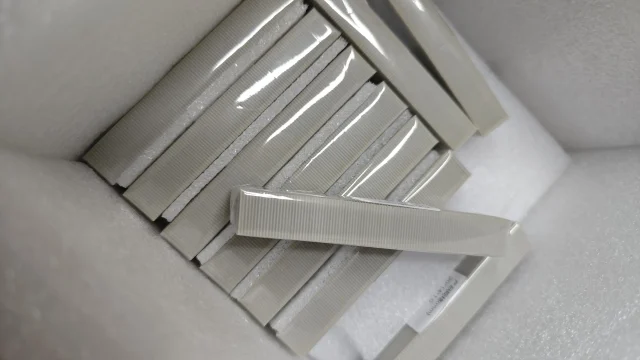
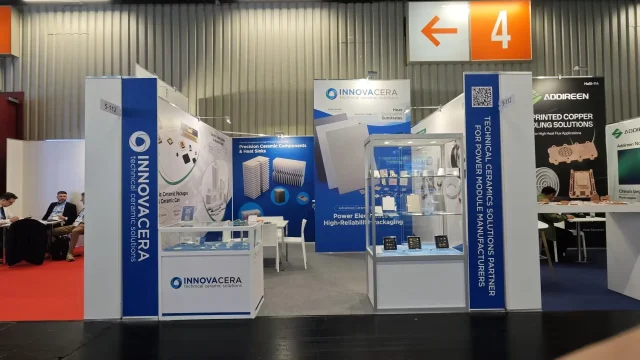
If you are looking for a reliable supply of high-thermal-conductivity aluminum nitride substrates and structural components, the next two minutes are worth your time.
Demand Is Surging
The power consumption curve of AI computing is spiraling. Next-generation AI chips are approaching 3000W, and some 1.6T optical module architectures have surpassed 45W. Warpage of conventional PCB substrates under high temperature has shifted from a “risk” to an “inevitability.”
The industry path is clear: replace conventional PCBs with ceramic substrates. In high-speed optical modules, aluminum nitride substrates have become the mainstream solution for 1.6T and above, maintaining optical chip junction temperatures below 60°C with over 5× improvement in heat dissipation efficiency.
This is no longer optional — it is mandatory.
While demand surges, supply is tightening.
In the global high-end aluminum nitride powder sector, overseas manufacturers hold a dominant position. But in January 2026, yttrium oxide — one of the key sintering aids for aluminum nitride — was placed under export controls to Japan. Overseas producers now face raw material shortages and extended lead times.
The domestic localization rate of high-end aluminum nitride powder stands at just 4% .
This means: manufacturers capable of stable 230W-grade supply are few and far between.
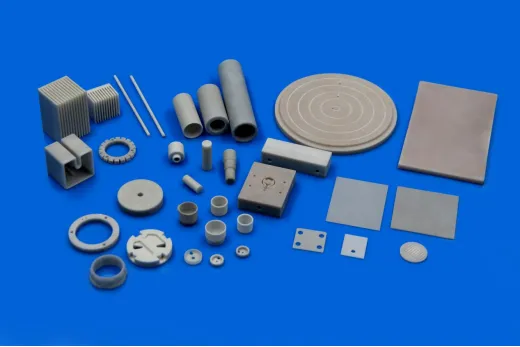
What We Offer
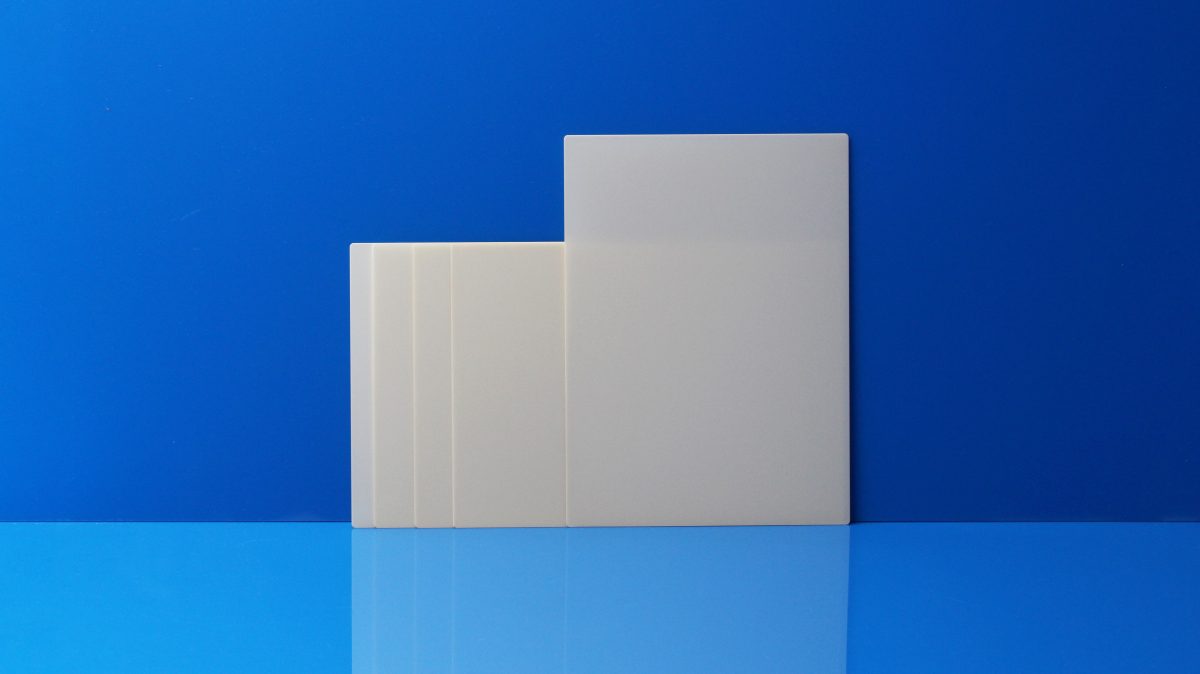
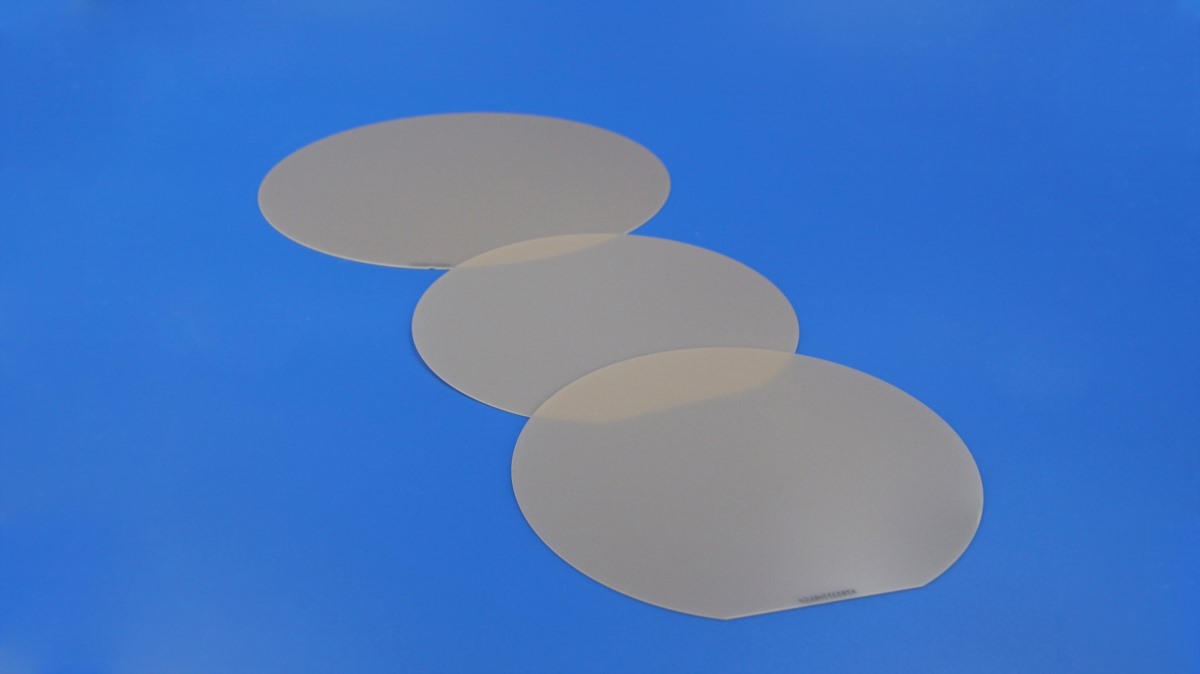
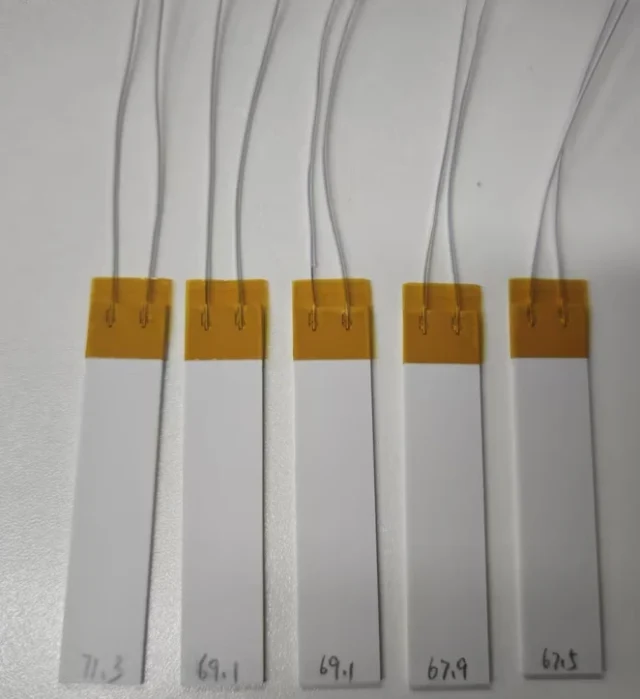
230 W/m·K high-thermal-conductivity aluminum nitride substrates and precision structural components. Mass-produced, not lab data.
230W is among the highest thermally conductive grades that can be stably mass-produced today. It is not aimed at general-purpose markets, but at applications where the heat source area is only a few square millimeters and heat flux density is extreme. According to the thermal resistance formula R = t/(k×A), as the heat source area shrinks dramatically, the junction temperature benefit of every incremental increase in thermal conductivity is amplified. The 30W gap between 230W and 200W, on a millimeter-scale heat source, can be the dividing line between “stable operation” and “thermal runaway.”
Our product portfolio covers both substrates and structural components , serving the following application positions:
Substrates:
– High-speed optical modules : laser submounts/substrates, thin-film submounts, TEC ceramic substrates
– High-power lasers : laser chip transition heat sinks, pump source packaging substrates
– AI computing packaging : GPU/switch chip local heat dissipation substrates, CPO optical engine thermal management
Structural components:
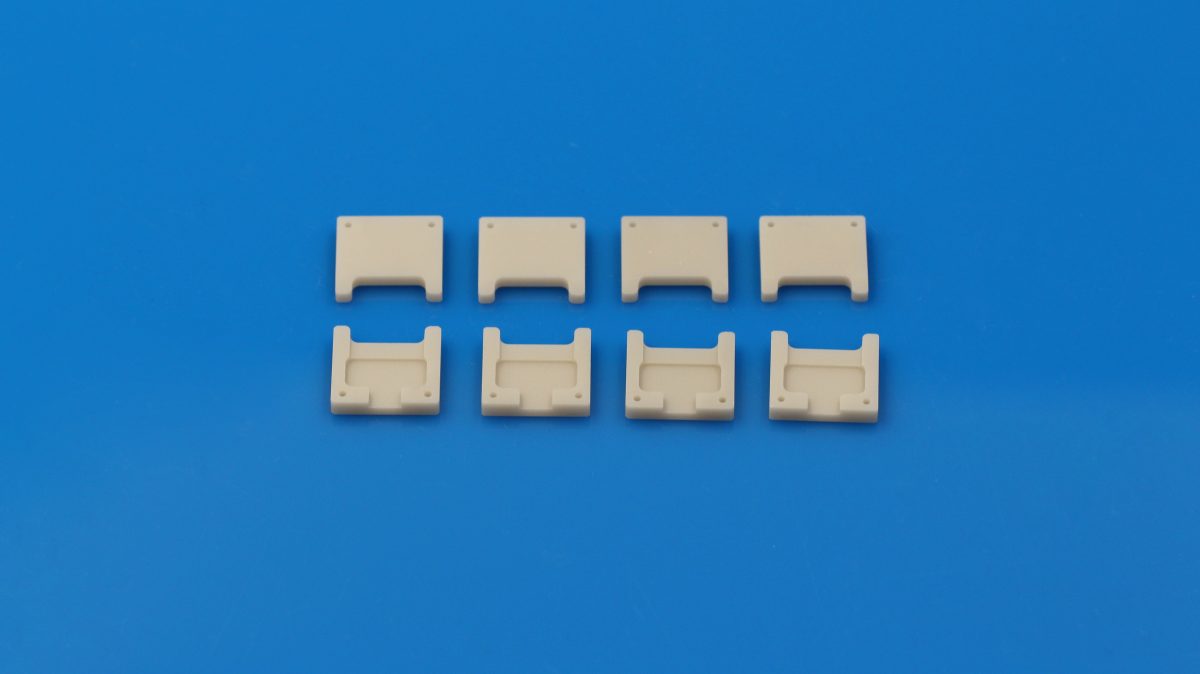
– Optical module housings and packages : ceramic structural parts requiring high thermal conductivity and dimensional precision
– Laser device packaging : insulating and thermally conductive structural components
– AI computing hardware : precision ceramic structural parts for heat dissipation and insulation
In June 2026, a leading domestic supplier of aluminum nitride thin-film substrates publicly stated that its products are “in short supply.”
The total market for ceramic components in optical modules is approximately RMB 13.5 billion in 2026, of which substrates account for approximately RMB 9.9 billion. By 2027, driven by the ramp-up of 1.6T/3.2T products, this is projected to surge to RMB 20-22 billion , with a CAGR exceeding 60%.
The market is expanding, supply is tightening, and the window for domestic substitution is opening.
How We Can Work Together
We understand that qualifying high-thermal-conductivity aluminum nitride products requires joint validation.
We provide:
– Sample testing: for customers with qualifying application scenarios
– Custom specifications: various thicknesses, dimensions, surface treatments, and structural geometries
– Joint validation: full-process from substrate to metallization, packaging, and structural assembly
We are looking to connect with:
– Optical module / optical device packaging manufacturers
– High-power laser / laser heat sink manufacturers
– AI computing chip packaging and thermal solution providers
If you are seeking a stable supply of high-thermal-conductivity aluminum nitride substrates and structural components for 1.6T/3.2T optical modules, high-power lasers, or AI chip packaging thermal solutions, please contact us.
Not everyone can supply 230W-grade material. We are ready.