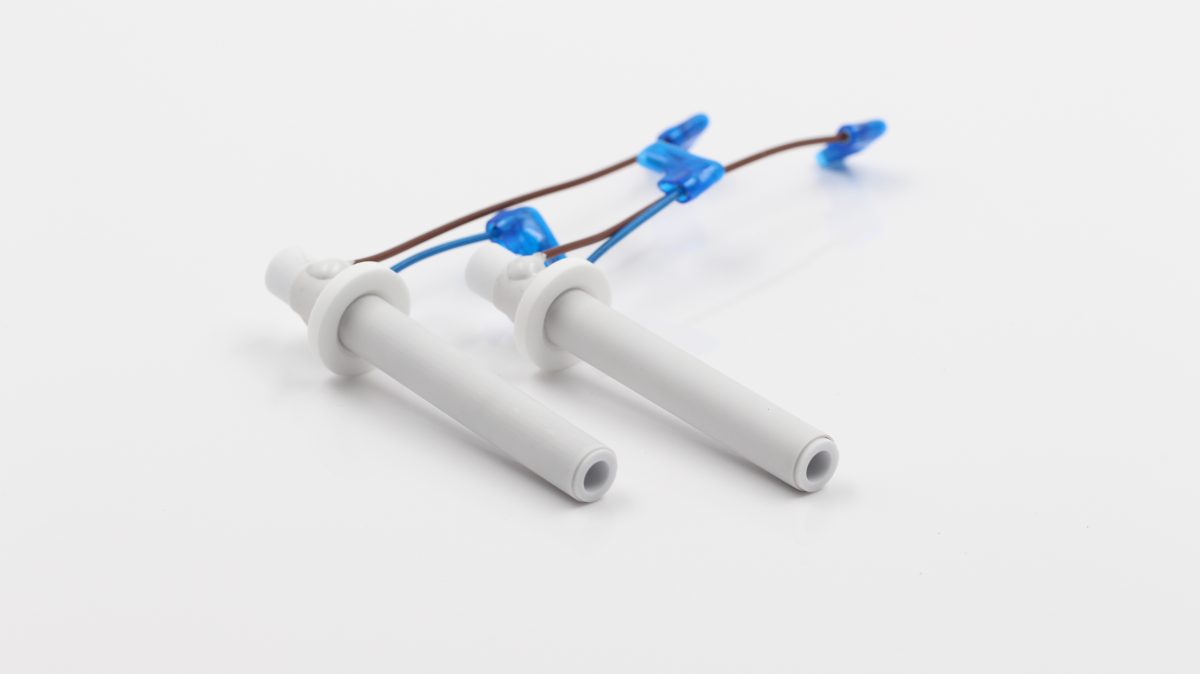
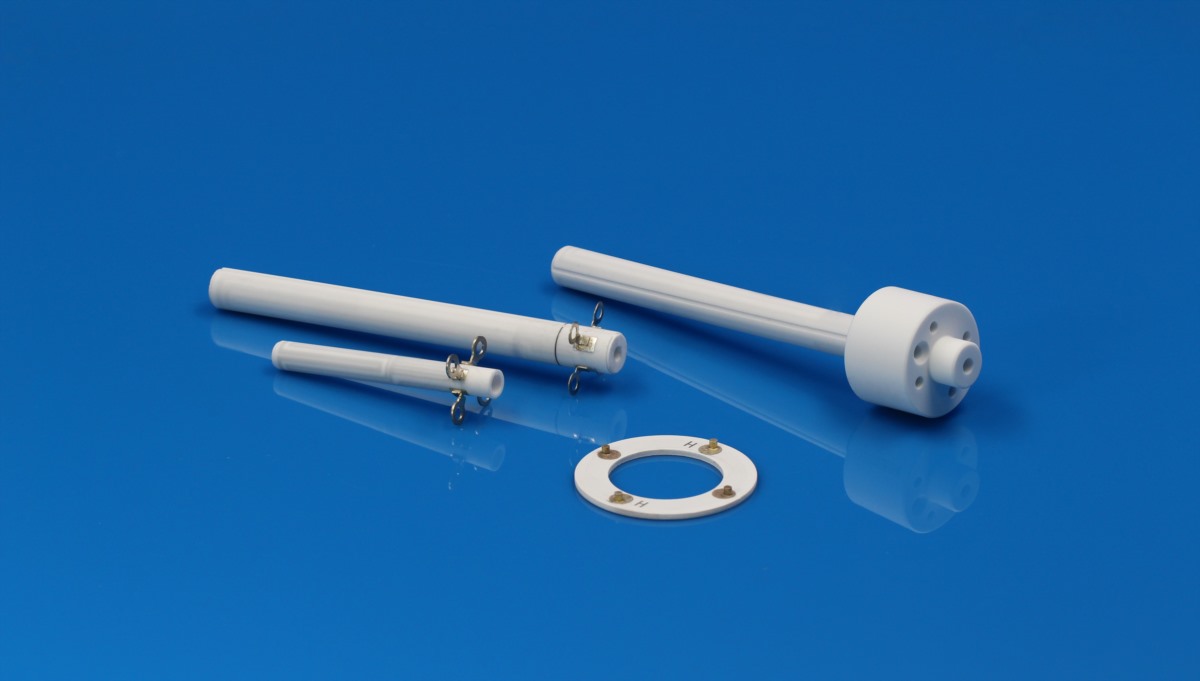
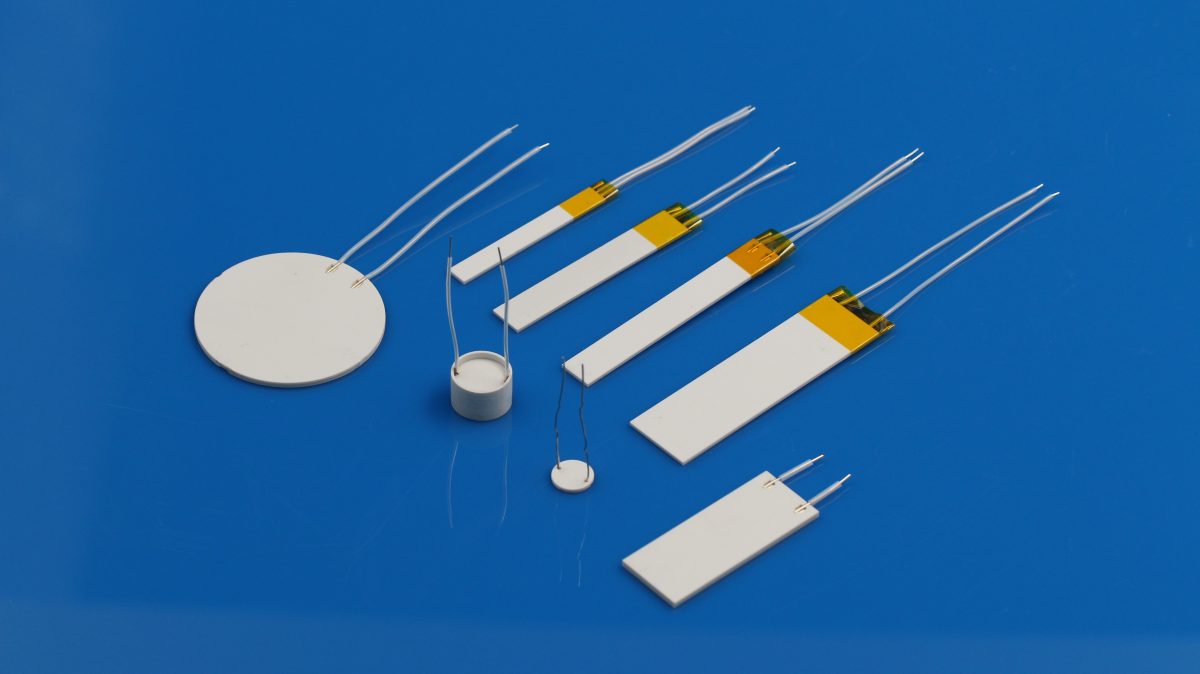
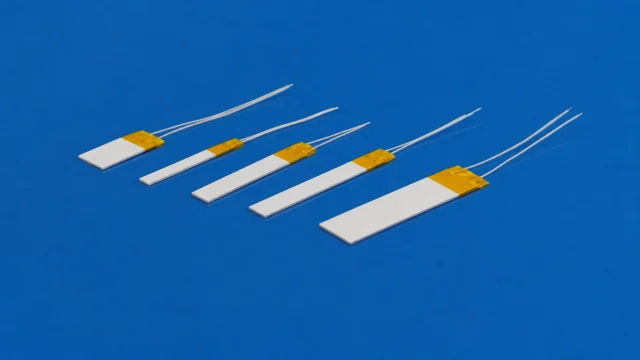
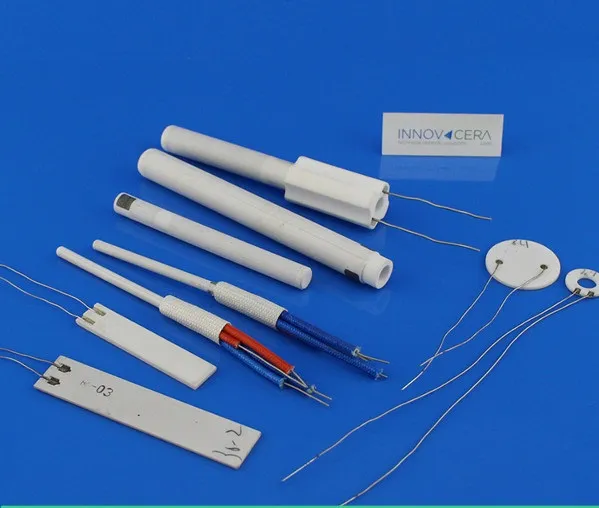
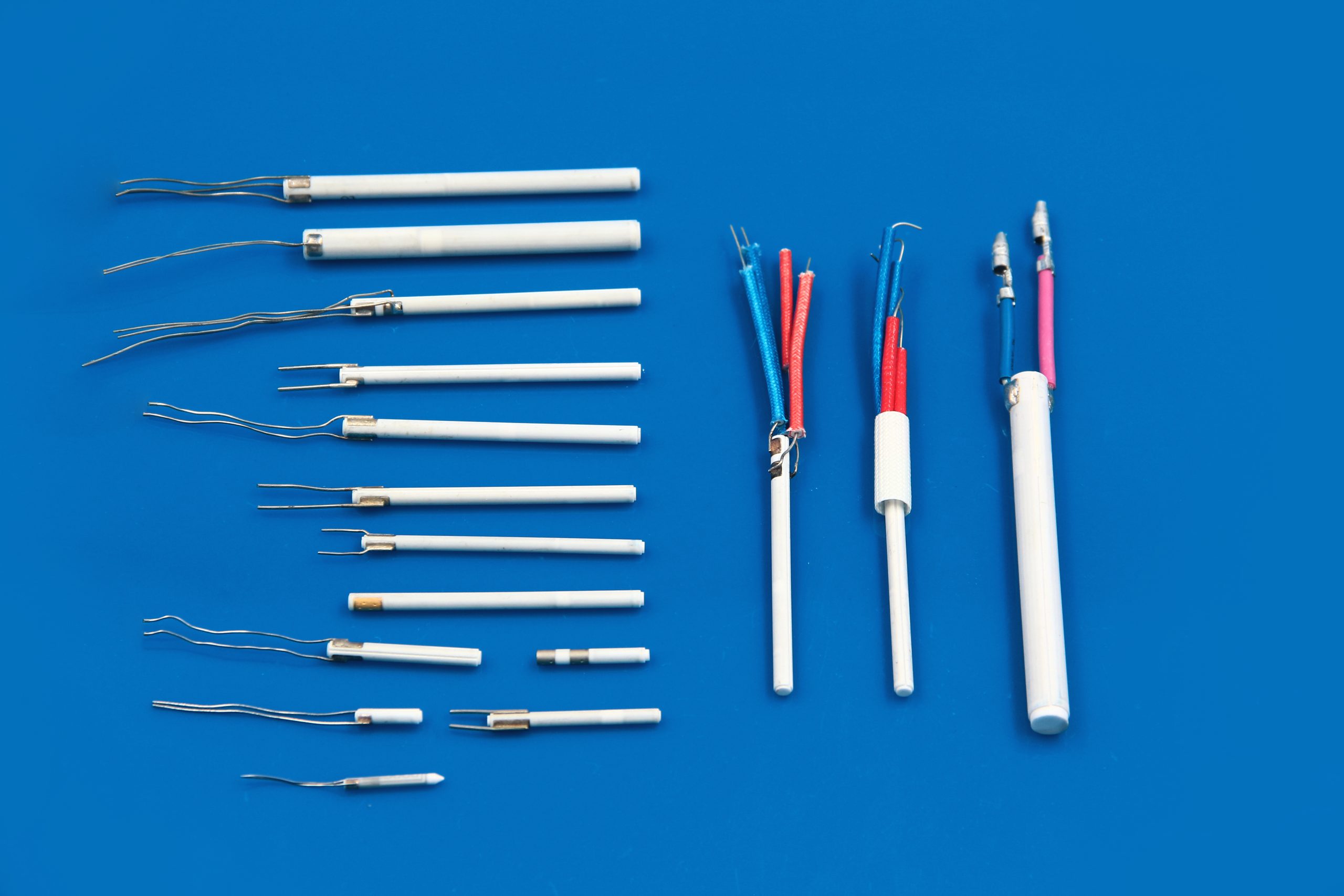
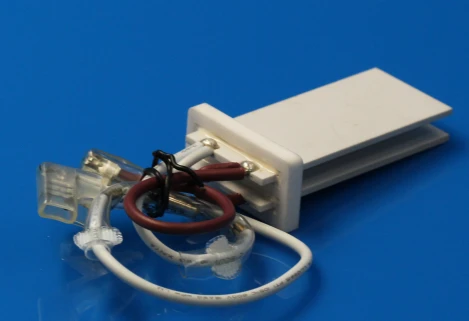
There’s a small but telling shift happening inside modern smart toilets. The bulky storage tank — the kind that keeps a liter or two of water warm around the clock — is quietly disappearing. In its place: a flat ceramic heating module no larger than a business card, capable of bringing water to target temperature in under six seconds.
That swap isn’t cosmetic. It reflects a real engineering tradeoff that bidet and smart toilet designers have been wrestling with for years.
The Problem with Storing Hot Water
A tank-based system is, in principle, simple. Heat water, store it, dispense it. But simplicity comes with costs. The heater runs continuously to maintain temperature, energy gets wasted between uses, and the standing water creates scale buildup — a maintenance headache that shortens product life. For a category where user experience is everything, “lukewarm water because the tank ran out” is the kind of complaint that ends up in one-star reviews.
Instant heating flips the logic. Nothing is stored. Water passes through a compact heating channel and exits at the right temperature — that ±1°C control range is actually meaningful here, not a spec-sheet decoration. The module handles 1200–1900W, which sounds aggressive, but the flow rates involved (roughly 400–900 ml/min) mean the thermal load is brief and precisely managed.
What Makes Ceramic the Right Material
MCH stands for Metal Circuit Heater — a resistance heating element printed or embedded onto a ceramic substrate. The ceramic part matters more than it might seem.
Ceramic substrates, particularly alumina-based ones, carry heat away from the resistance layer quickly and evenly. That’s not a marketing claim; it’s basic thermal conductivity physics. In a high-power-density application running at 1200W or more, uneven heat distribution creates hot spots, and hot spots crack components or degrade the resistance print over time. Ceramic resists that.
The material also handles the thermal cycling that instant-heat designs demand. Every use is essentially a cold start: room-temperature water in, 30°C rise out, then the heater idles. Do that ten times a day for ten years and you’ve subjected the substrate to perhaps 36,000 thermal cycles. Most polymers or metal-core boards would show fatigue. Alumina ceramic, in most conditions, doesn’t.
There’s a scale resistance angle too. The heating surface in a ceramic MCH module can be engineered to minimize nucleation sites — the microscopic rough patches where calcium deposits prefer to anchor. Compared to a nichrome coil or stainless immersion element, the ceramic surface stays cleaner longer. In markets with hard water, that’s a meaningful product differentiation point.
| Thermal properties of Alumina Heater | ||
|---|---|---|
| Item | Unit | Alumina Heater |
| Max. Working temperature | ℃ | 1050 |
| Working temperature | ℃ | 850 |
| Thermal Conductivity | W/(m·k) | 21 |
| Specific Heat | J/(kg·k) | 0.78 × 10³ |
| Expansion(40~800℃) | /℃ | 0.78 × 10⁻⁶ |
| Hardness (load 500g) | GPa | 13.5 |
| Flexural | MPa | 320 |
Why the Numbers Actually Work Out
Consider the thermal math. A 6-second heat-up to target temperature requires not just raw wattage but precise energy delivery — too much and you overshoot, causing brief temperature spikes the user notices; too little and the water feels tepid. The ±1°C control window is tight enough that achieving it consistently demands both a fast-response heating element and a substrate that doesn’t act as an uncontrolled thermal buffer.
Ceramic’s thermal mass sits in a useful middle range: low enough to respond quickly, stable enough not to create oscillation in the temperature control loop. A thick metal block would be too slow. A thin polymer film heater might lack the structural integrity at these power levels.
At 220VAC / 60Hz and the flow rates typical of these modules, the electrical isolation requirement is also non-trivial. Ceramic substrates provide excellent dielectric performance — relevant not just for safety certification but for long-term reliability in a wet environment where condensation is a daily reality.
What Engineers and Buyers Should Watch
Not every ceramic substrate performs equally in this application. Alumina is the workhorse — cost-effective and well-understood — but alumina grades vary, and a substrate optimized for LED packaging isn’t necessarily optimized for cyclic thermal stress in a flowing-water environment. Alumina purity, surface finish, and the bond quality between the resistance print and the substrate all matter.
Aluminum nitride offers higher thermal conductivity than alumina, which could theoretically support even higher power densities, but the cost premium may not be justified at current module wattages unless the design is pushing above the typical 1900W ceiling.
For procurement teams sourcing ceramic substrates for MCH modules, the practical checklist probably looks something like this: substrate flatness (affects print adhesion and contact uniformity), thermal shock resistance rating, dielectric strength, and whether the supplier’s quality system covers the IATF 16949 automotive-adjacent standards — because the reliability expectations in appliance applications are converging toward that level.
The Direction This Is Heading
Instant-heat bidet modules are already displacing tank designs in mid-to-premium smart toilet SKUs across Japanese, Korean, and increasingly European markets. The drivers are energy efficiency, form factor, and user experience — not any single component choice. But the ceramic MCH heater is the part that makes the instant-heat architecture technically viable.
If you’re designing or sourcing for this category, the substrate isn’t a commodity decision. The thermal cycling demands, power density, and water-contact environment narrow the field considerably. Alumina ceramic hits the practical sweet spot for most current designs — and the manufacturing knowledge for consistent, high-volume production of these substrates exists, though it’s concentrated in a relatively small number of specialist factories with the process depth to hold tight tolerances at scale.