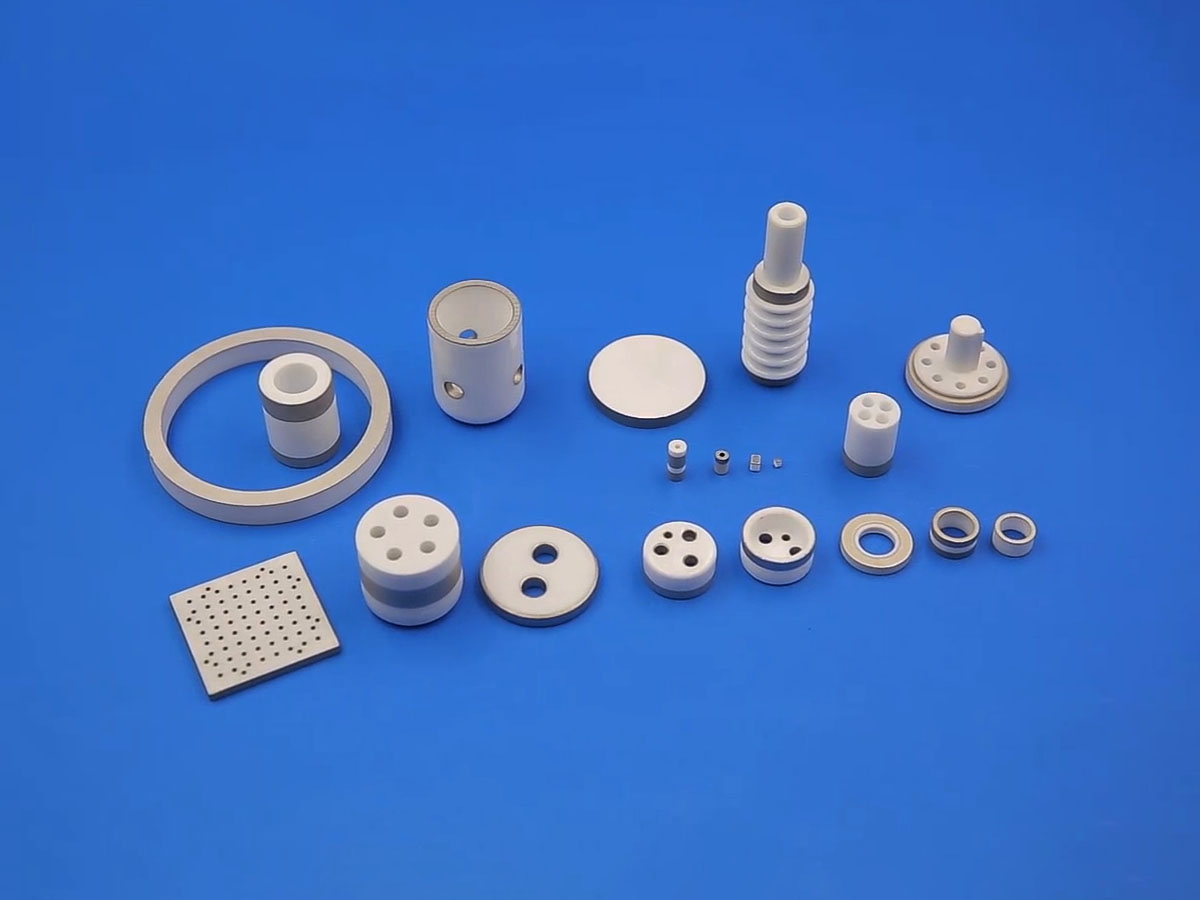
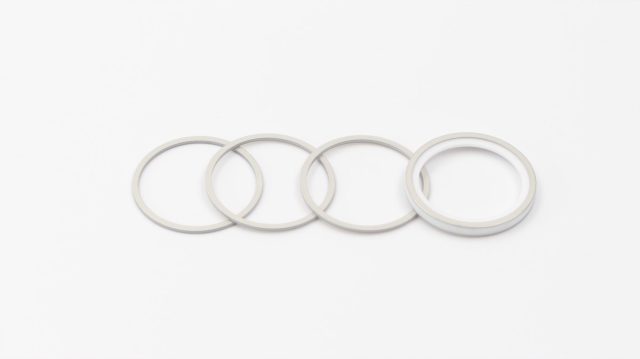
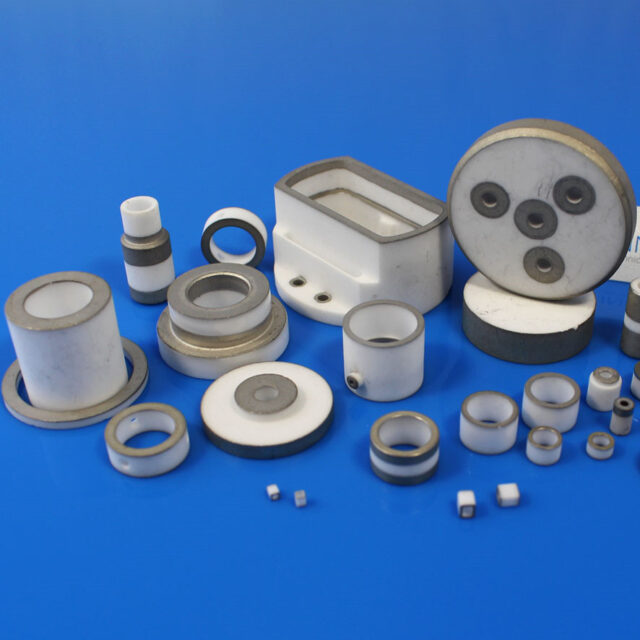
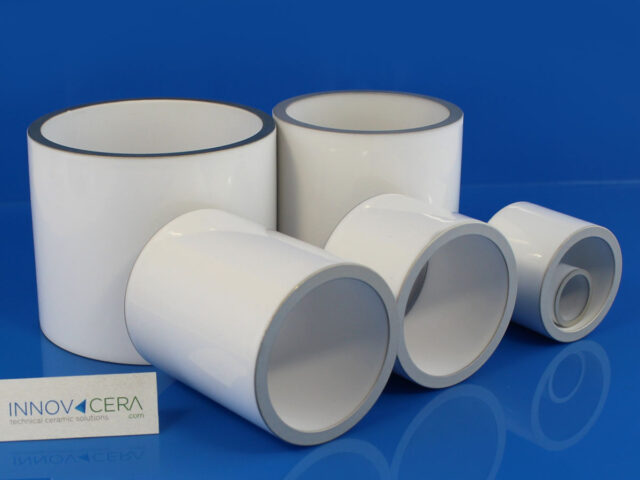
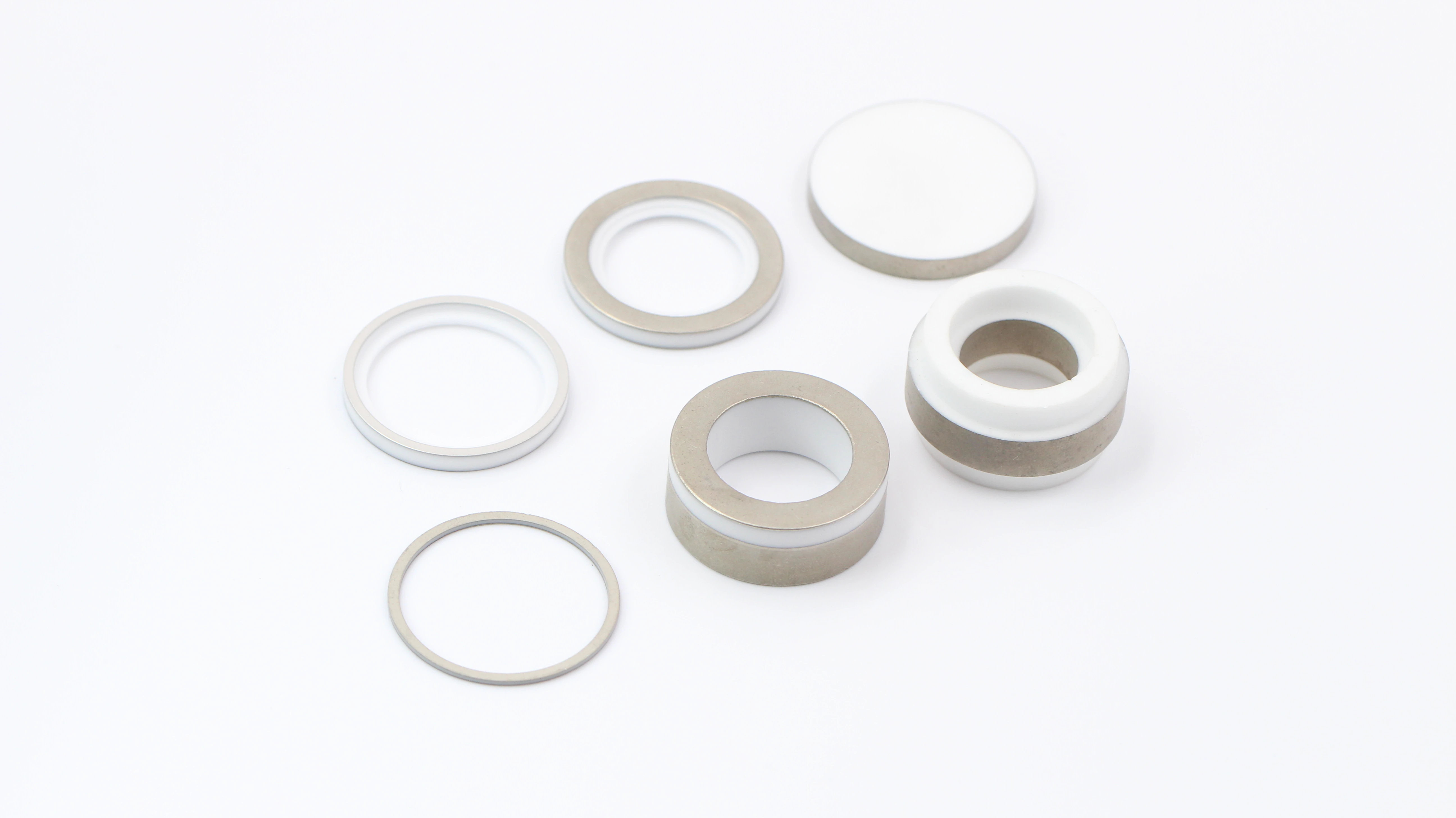
Metallized ceramic rings are widely used in electrical and industrial components where electrical insulation, structural support, and connection with metal parts must be achieved simultaneously. By forming a metallized layer on designated areas of ceramic surfaces such as alumina, ceramics that would otherwise be difficult to connect directly to metals become suitable for subsequent soldering, brazing, or assembly.
In a surge arrester component project, the customer assembled metallized ceramic rings with corresponding metal parts. Since the original design involved silver layers and precious metal costs had risen, the customer sought a more cost-effective alternative and proposed evaluating three metal coating options: aluminum, nickel, and silver.
This led to a practical engineering question: How should one choose among aluminum, nickel, and silver for metallized ceramic rings? If the goal is cost reduction, is it sufficient to compare only the material prices of these different metals?
1. What Is the Function of Metallized Ceramic Rings in Surge Arresters?
Surge arresters are protective devices used in high-voltage electrical systems, and different designs impose varying requirements on internal insulation components, conductive parts, and connecting elements. In certain configurations, alumina ceramics can serve as insulating and supporting components due to their electrical insulation properties, mechanical strength, and thermal resistance. The metallized areas on the ceramic surface enable further connections with other metal parts.
Compared with standard ceramic rings, metallized ceramic rings feature a composite structure consisting of a ceramic substrate combined with a surface metal layer, integrating the ceramic’s insulation capabilities with the metal layer’s joining capability.
Depending on specific surge arrester designs, the location of the metallized area, the material and thickness of the metal layer, and the subsequent connection method may vary. Therefore, such products typically require evaluation based on customer drawings and actual assembly structures, rather than being manufactured according to a single fixed specification.
2. Why Do Metal Layer Materials Affect Product Cost and Subsequent Processes?
For metallized ceramic products, the metal layer is not simply a thin coating applied to the ceramic surface. It must form a reliable bond with the ceramic substrate and may also need to meet requirements for subsequent processes such as soldering, brazing, electrical connections, or other assembly operations.
When precious metals like silver are used, fluctuations in raw material prices directly impact product costs—particularly when the metallized area is large, the metal layer is thick, or production volumes are high. Therefore, when precious metal prices are elevated, exploring cost optimization through alternative metal materials or improved metal layer design becomes a worthwhile consideration.
However, material substitution cannot be assessed solely based on the unit price of the metal. Even if aluminum has a significantly lower material cost than silver, changes in target thickness, metal deposition process, bond quality with the ceramic, or downstream connection methods could result in substantial differences between expected and actual manufacturing costs.
Thus, cost reduction in metallized ceramics requires a balanced consideration of both material and process costs.
3. What Are the Differences Among Aluminum, Nickel, and Silver Metal Layers?
Aluminum, nickel, and silver have distinct material properties. For specific projects, the choice of metal layer depends on the function it needs to perform, the metal layer formation process, the target thickness, and the subsequent connection process.
| Metal Layer | Main Features | Key Considerations |
|---|---|---|
| Aluminum | Low material cost with good electrical conductivity | Oxide film, bonding method with ceramic, target thickness and subsequent connection process |
| Nickel | Material cost generally lower than silver, applicable to various ceramic-metal joining systems | Layer thickness, electrical conductivity requirements and compatibility with subsequent soldering/brazing processes |
| Silver | Excellent electrical conductivity, suitable for partial electrical connection structures | Precious metal cost, metal layer thickness and overall manufacturing cost |
If the product mainly focuses on cost, aluminum has a significant advantage in terms of raw material price. However, the surface of aluminum readily forms a stable oxide film, which may introduce different requirements for the metal layer formation process and some subsequent connection processes. Therefore, it cannot be simply understood as “replacing silver with aluminum directly.”
The material cost of nickel is usually lower than that of silver, and it has mature applications in some ceramic-to-metal connection systems. However, its electrical conductivity differs significantly from that of silver, so whether it is suitable as an alternative solution needs to be judged based on the function of the metal layer in the specific component.
Silver has excellent electrical conductivity and is suitable for some structures that require good electrical contact. However, the price of precious metals directly affects manufacturing cost. Therefore, for an existing silver layer solution, it is necessary to further evaluate whether silver is truly necessary and whether there is room for optimization in the thickness and coverage area of the silver layer.
From this perspective, there is no simple answer as to which of the three metal layers is “best.” What really needs to be answered is: What function does the metal layer need to perform in the final product?
4. The Thicker the Metal Layer, the More the Process Selection Needs to Be Re-evaluated
Apart from the metal material itself, the target thickness of the metal layer is also an important parameter in determining the manufacturing plan.
Taking a thicker metal layer as an example, if the customer requires a metal layer that is not a conventional thin layer but one that reaches tens or even hundreds of micrometers in thickness, then the specific deposition, coating, or other metal layer formation processes need to be re-evaluated. Different processes have significant differences in deposition speed, achievable thickness, bond quality, uniformity, equipment investment, and batch production efficiency.
This means that the cost of a metallized ceramic solution cannot be calculated simply based on “material price × metal weight.” Especially when replacing silver with aluminum or nickel, the target thickness, manufacturing process, production efficiency, yield, and subsequent connection method need to be taken into account in the cost assessment.
For thicker metal layers, the final metal layer thickness and tolerance should be clearly defined using standard units such as micrometers (μm) or millimeters (mm). The appropriate metallization process should then be evaluated based on the target thickness, coverage area, and subsequent connection requirements.
Therefore, when the thickness of the metal layer changes significantly, the question is no longer just whether to “switch to a cheaper metal,” but whether the entire metallization and subsequent connection process needs to be re-evaluated.
5. How Should One Select the Appropriate Metal Layer for a Metallized Ceramic Ring?
For metallized ceramic rings, there is no single choice among aluminum, nickel, and silver that is suitable for all products. Silver has excellent conductivity, but the cost of precious metals needs to be considered. Aluminum has a significant material cost advantage, but the oxide film, metal layer formation process, target thickness, and subsequent connection process need to be carefully evaluated. Nickel, on the other hand, needs to be assessed based on specific requirements for conductivity, connection, and surface properties.
Therefore, when the original silver layer solution is under cost pressure, changing the metal material can indeed be a cost-reduction option, but the prerequisite is that the new metal layer still meets the product’s functional and subsequent processing requirements. For thicker metal layers, further consideration needs to be given to process feasibility, production efficiency, and batch manufacturing costs, rather than just comparing the raw material prices of different metals.
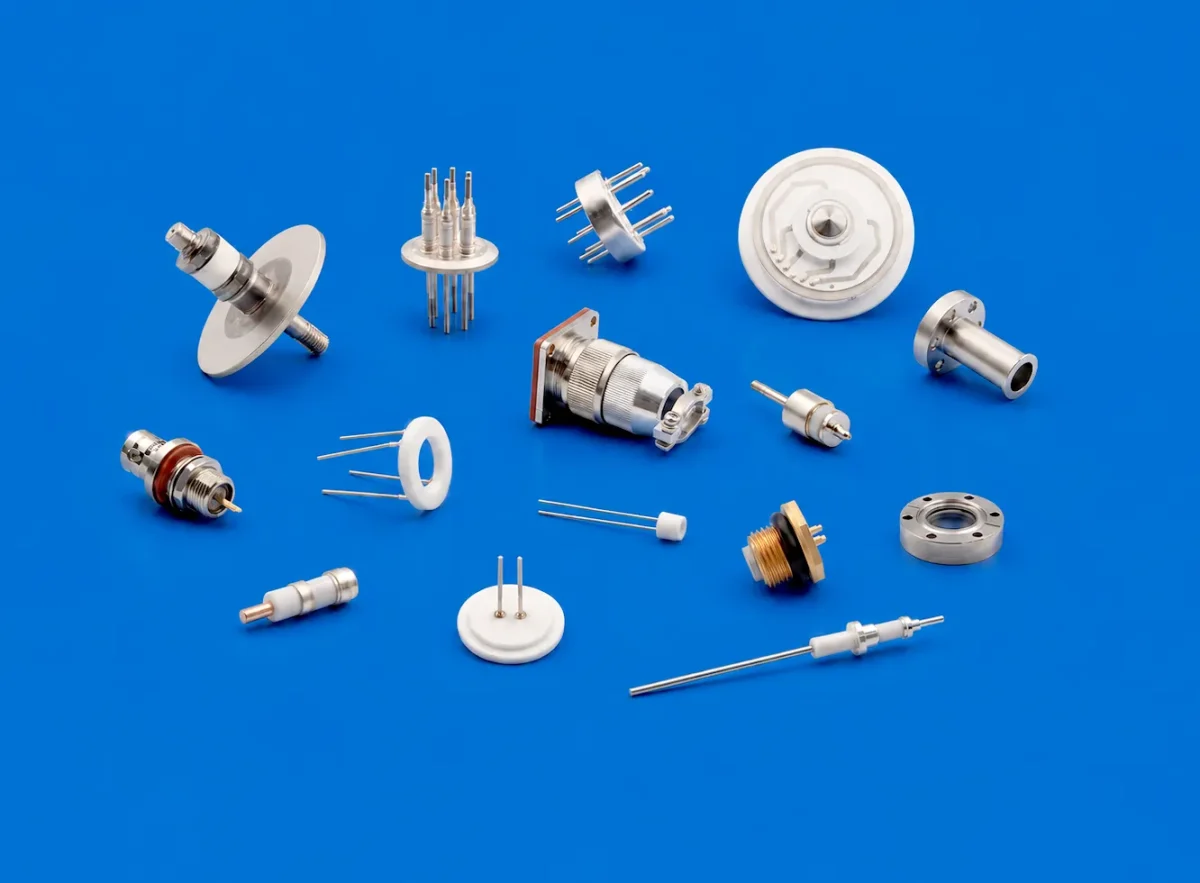
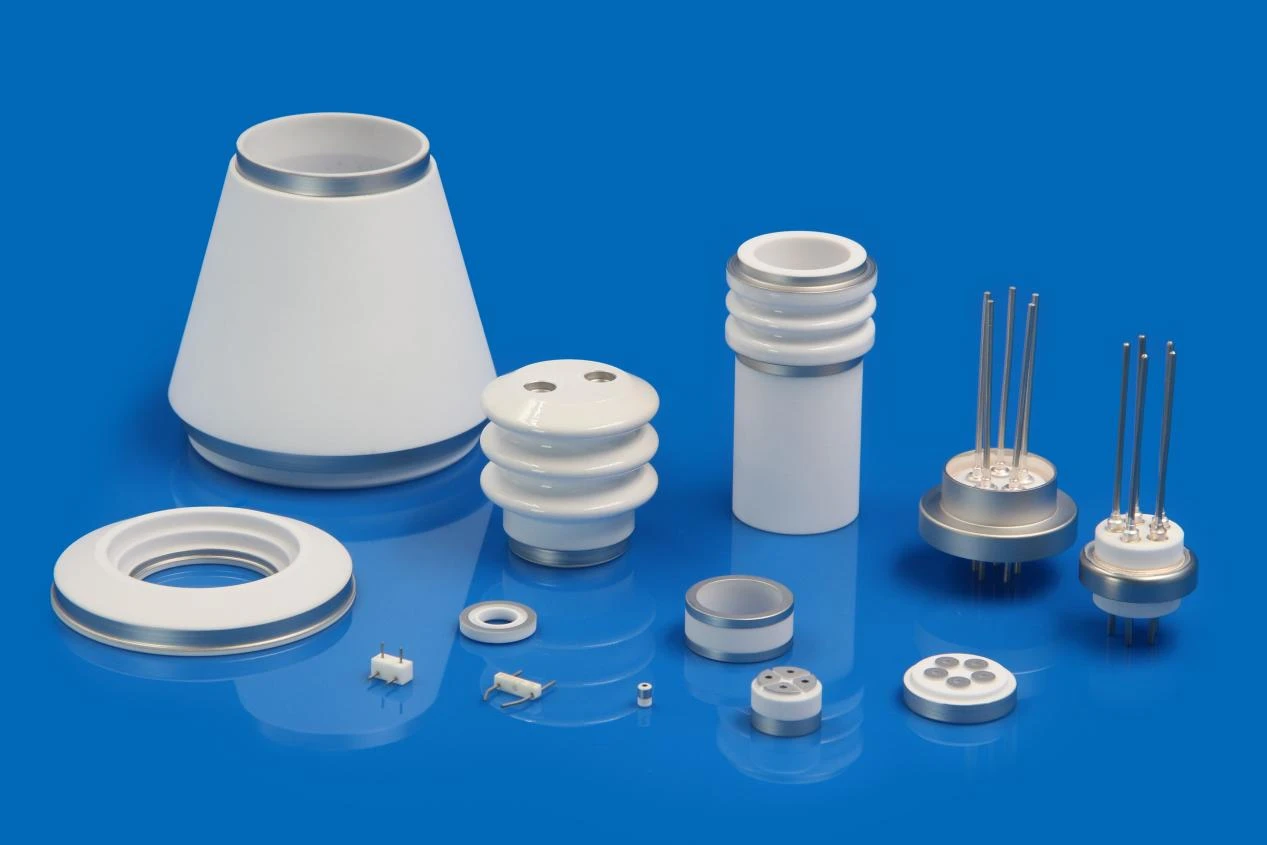
This is also why metallized ceramic products usually need to be evaluated based on specific applications. INNOVACERA can provide metallized ceramic rings, ceramic tubes, ceramic substrates, and other customized metallized ceramic components according to customer drawings and actual requirements. The appropriate metallization solution can be evaluated based on the ceramic material, metallized area, metal layer material, required thickness, and subsequent connection method.
For project evaluation, please provide your drawings and technical requirements and contact sales@innovacera.com.