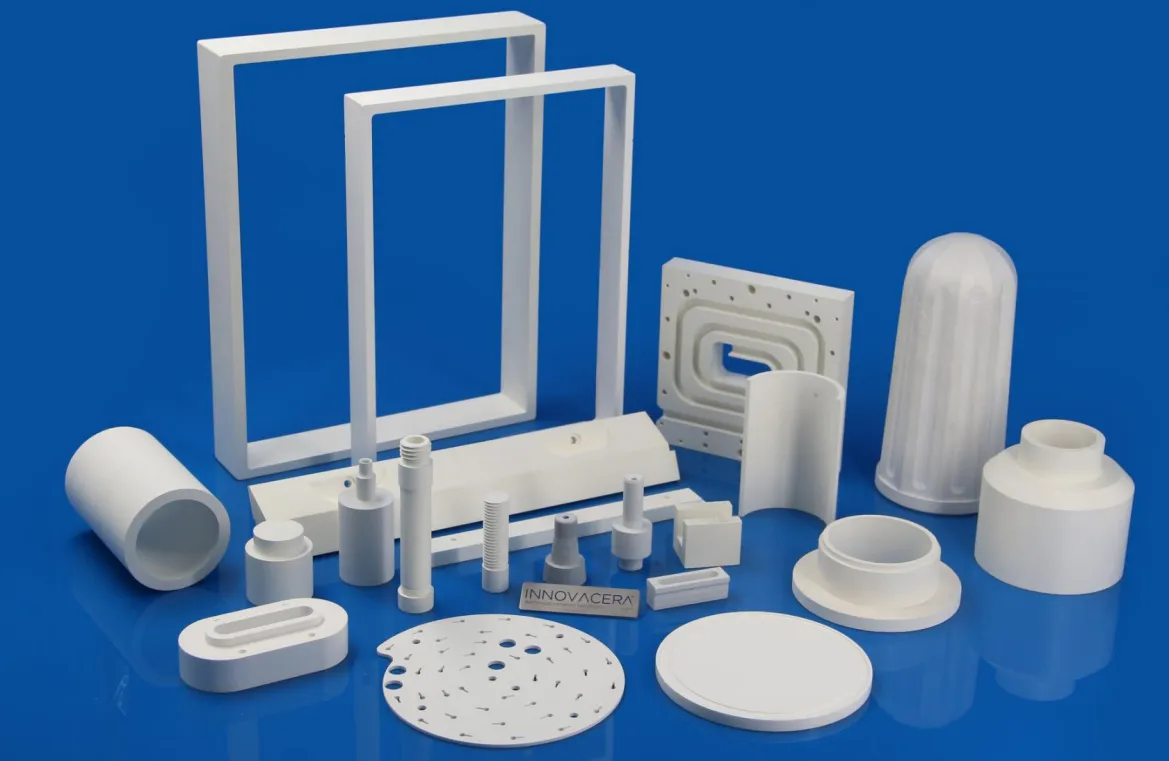
Aluminum nitride (AlN) ceramics undergo multiple thermal processing steps from raw powder synthesis to high-temperature sintering. These processes rely heavily on the internal furniture and fixtures of high-temperature vacuum or atmosphere furnaces. Depending on workpiece geometry and thermal cycles, different ceramic structures—including crucibles, setter plates, support blocks, and electrical insulators—are required inside the hot zone.
Boron nitride (BN) exhibits exceptional thermal shock resistance, excellent electrical insulation, high sublimation temperatures, and a very low coefficient of thermal expansion (CTE). Crucially, BN does not wet or easily react with most molten materials and nitride green bodies. However, each furnace component serves a distinct mechanical and thermal role: crucibles hold loose materials, setter plates provide planar support for flat substrates, fixtures maintain multi-layer stacking, and insulators isolate high-voltage heating circuits. Choosing the right configuration depends on the AlN sintering technique, kiln atmosphere, and loading design.
1. Boron Nitride Crucibles and Containers: Material Containment and Isolation
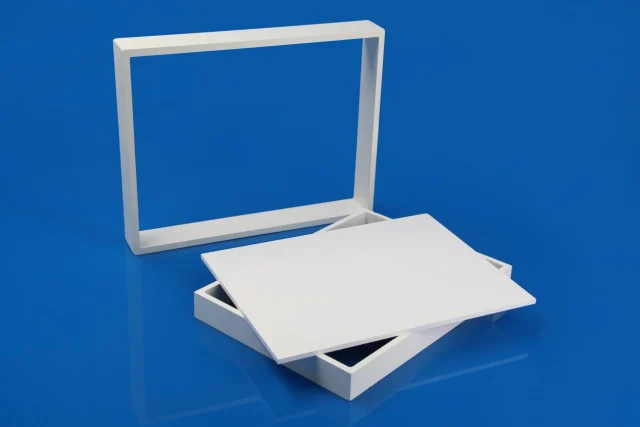
In high-temperature synthesis, calcination, or laboratory thermal tests, specialized containers are essential for holding powders, granules, or reactive mixtures. Boron nitride crucibles can be machined into cylindrical, rectangular, or custom-lidded configurations, establishing an isolated micro-environment that shields the load from furnace cross-contamination and heater volatile species.
For AlN powder synthesis or formulations containing sintering additives (such as Y₂O₃), selecting a BN crucible requires reviewing process temperature, hold times, and furnace atmosphere. When processing flat AlN substrates rather than bulk powders, open containers give way to planar setter plates designed to accommodate horizontal thermal shrinkage.
2. Boron Nitride Setter Plates: Planar Support for Sintering AlN Substrates
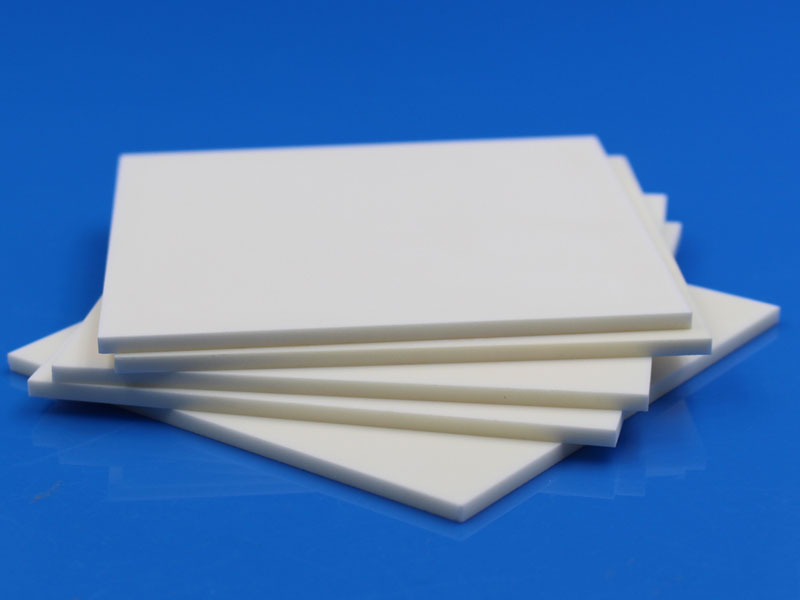
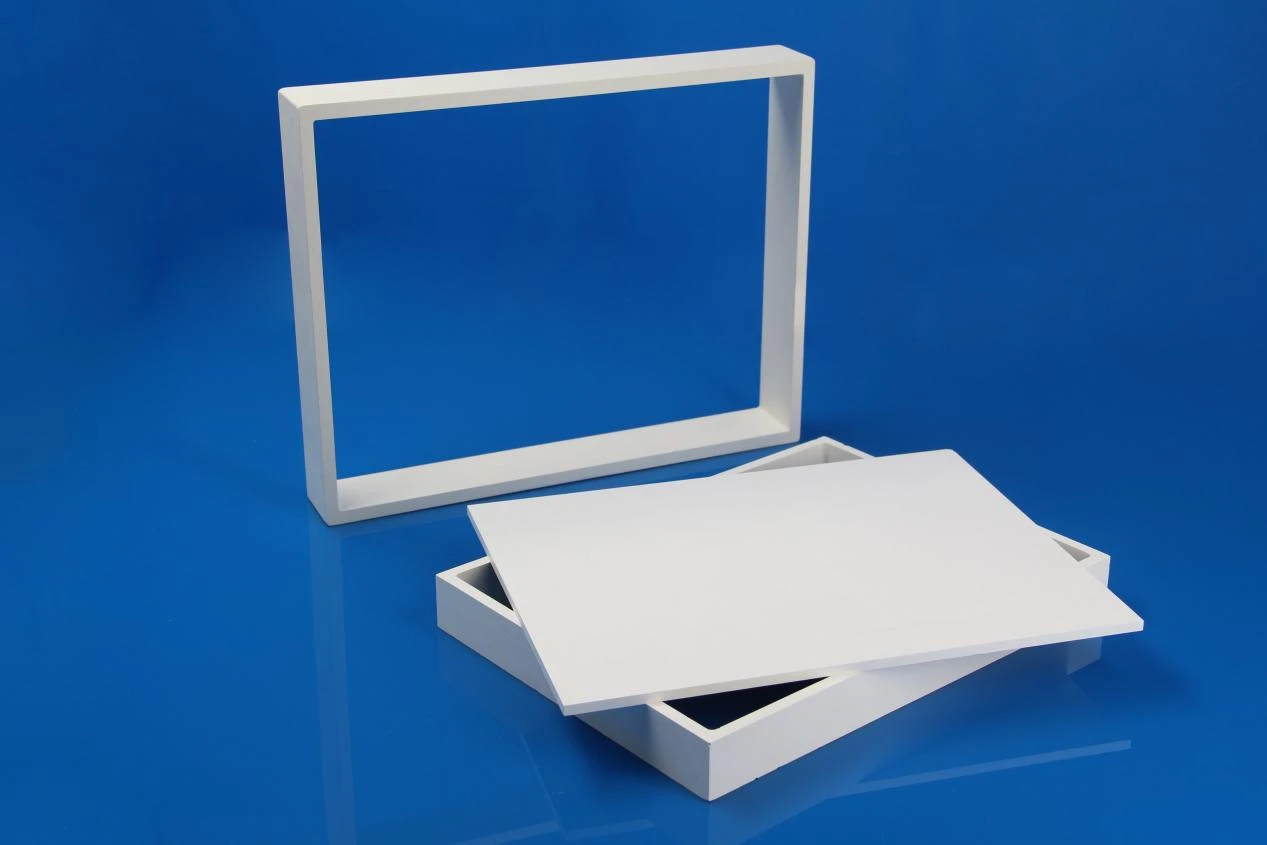
Boron nitride setter plates serve as the primary planar support for ceramic substrates and green sheets during sintering. For AlN electronic substrates, setter plate dimensions, thickness, camber, and surface finish directly influence the post-sintered flatness of the substrates.
When a single setter carries multiple substrate tiles, spacing, total load weight, and the plate’s support span inside the furnace must be calculated. While BN exhibits minimal sticking tendencies, subtle interfacial reactions can still occur under extreme temperatures depending on the specific additive chemistry. Empirical compatibility verification under actual furnace profiles remains essential.
Furthermore, while a flat BN setter plate prevents substrate sticking and minimizes dragging friction during shrinkage, substrate camber is a multi-variable outcome. Green sheet forming density, organic binder burnout consistency, thermal gradients across the furnace, and stacking loads all contribute alongside setter flatness to the final substrate tolerance.
3. Boron Nitride Supports, Spacers, and Fixtures: Positioning and Multi-Layer Stacking
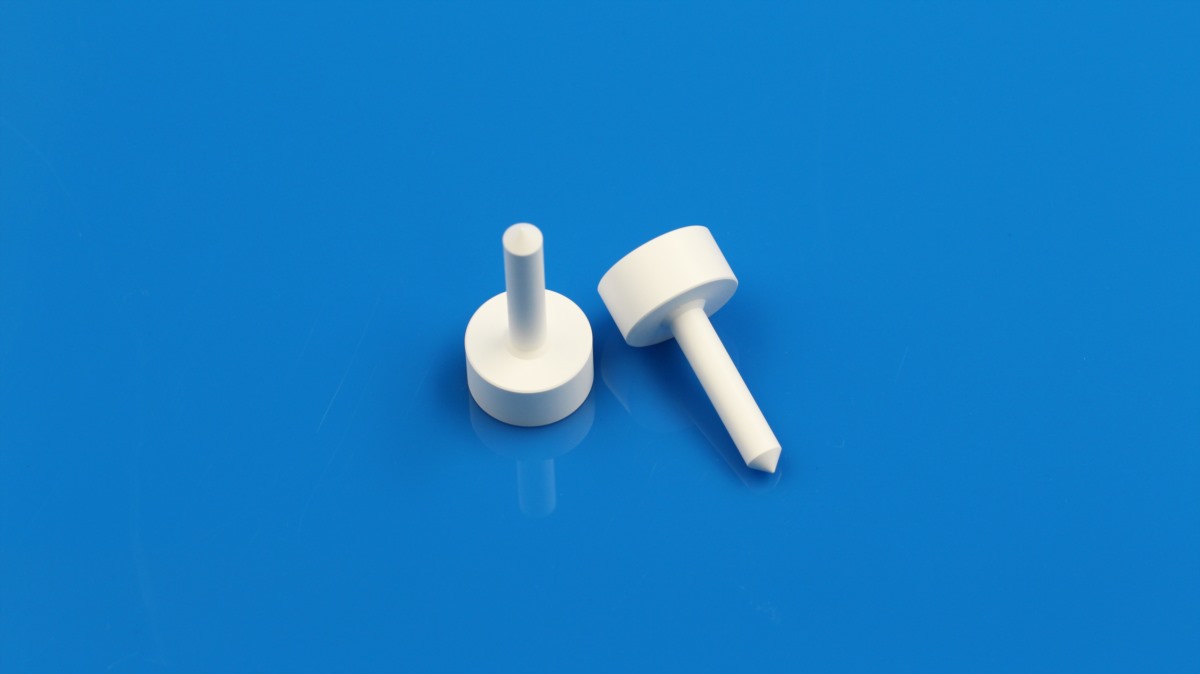
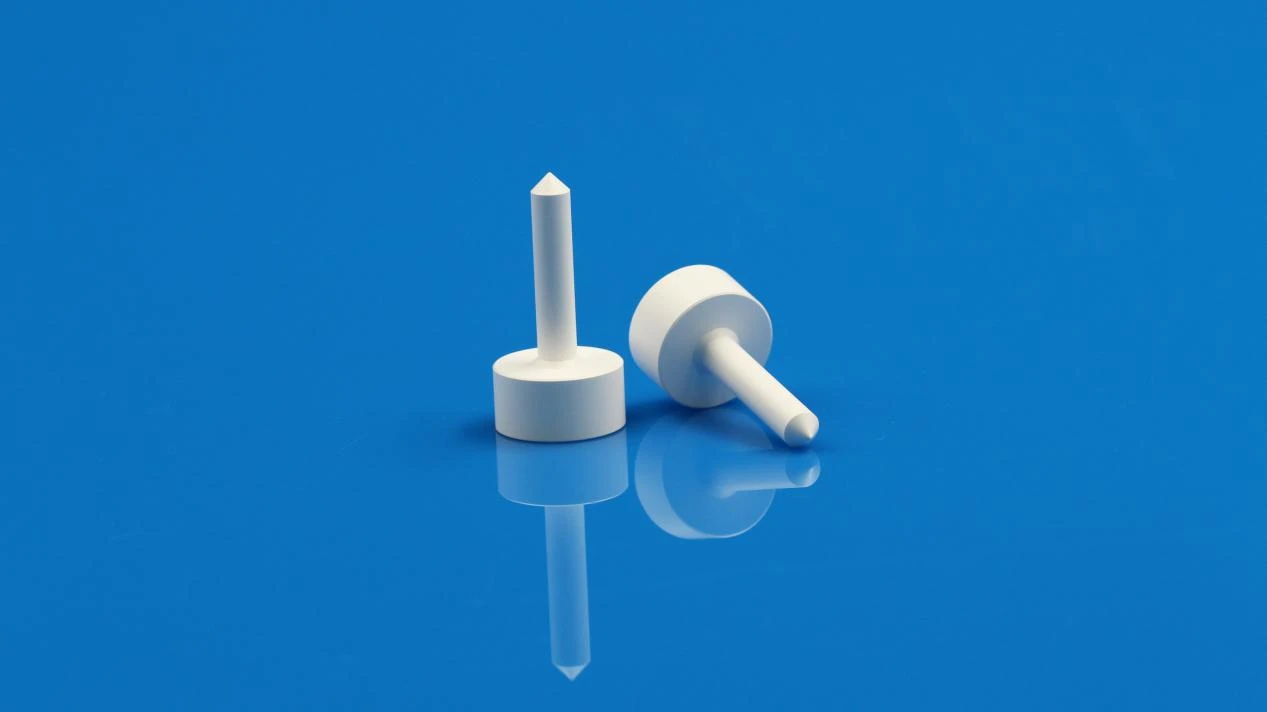
High-temperature production furnaces maximize throughput via multi-tiered loading systems. Maintaining precise vertical clearance and uniform atmosphere circulation between tiers requires specialized support pillars, spacers, and locating pins.
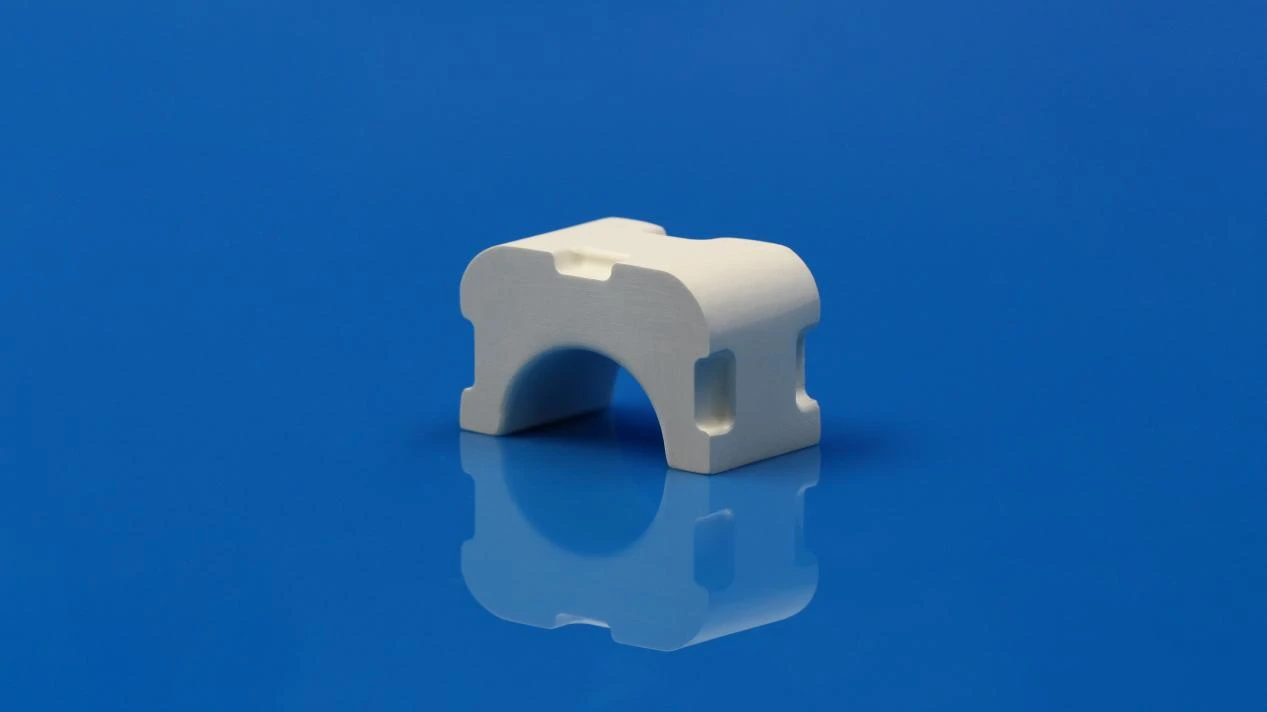
Unlike setter plates that carry workpieces directly, structural fixtures support the load-bearing framework. For instance, in a stacked sintering configuration, BN support blocks separate adjacent setter plates without bonding to them under compressive load.
Engineers must calculate mechanical loading, high-temperature creep resistance, and assembly clearances when selecting support fixtures. Dimensional stability under sustained thermal loads is critical; supplying detailed 2D/3D assembly drawings ensures that thermal expansion gaps are accounted for in the fixture design.
4. Boron Nitride Insulating Parts: High-Temperature Dielectric Isolation
In electric resistance furnaces, vacuum sintering furnaces, and hot-pressing systems, high-voltage electrodes and heating elements must remain electrically isolated from the metallic chamber walls and structural frames. Boron nitride retains high volume resistivity and dielectric strength even at temperatures exceeding 1500°C in inert or vacuum conditions.
Typical BN electrical components include feedthrough bushings, insulating sleeves, isolation washers, and standoff blocks. When specifying these insulators, engineers should define operating voltage, clearance distances, atmosphere dew point, and operating temperature. If the component also sustains compressive loads from clamping electrodes, mechanical yield strength must be evaluated alongside dielectric properties.
5. Comparing the Four Categories of BN Furnace Components
These components work in tandem across different thermal zones within the furnace:
| Component Category | Primary Function | AlN Process Scenarios | Key Selection Criteria |
|---|---|---|---|
| Crucibles & Containers | Powder containment, atmosphere isolation | AlN powder synthesis, calcination, dopant mixing | Purity grade, volume, cover fit, temperature rating |
| Setter Plates | Planar support, anti-stick substrate carrier | AlN substrate debinding, pressureless sintering | Flatness, surface roughness, thickness, thermal shock |
| Supports & Fixtures | Tier spacing, load support, locating | Multi-layer furnace racking, setter stacking | Compressive strength, thermal expansion, creep resistance |
| Insulators & Bushings | Electrical isolation, thermal standoff | Heater terminal feedthroughs, electrode shielding | Dielectric strength, working voltage, gap geometry |
In standard substrate production, setter plates and support posts operate as an integrated system: setter plates carry the AlN green sheets while support pillars stabilize the stack. The exact hardware layout depends on furnace hot zone geometry, atmosphere flow dynamics, and automated loading equipment.
6. Critical Information Required When Specifying BN Furnace Components
To ensure the correct material grade and machining tolerances, prepare the following parameters for technical review:
- Material Specification: Required BN purity (e.g., 99% pure BN vs. composite grades like BN-ZrO₂ or BN-SiC), density, and binder type.
- Furnace Operating Conditions: Peak temperature, dwell duration, and atmosphere (high vacuum, pure N₂, or inert argon). Note that BN oxidizes rapidly in air above 900°C.
- Mechanical & Geometric Requirements: Critical dimensions, tolerances, flatness (camber), surface finish (Ra), and any custom slots, holes, or steps.
- Loading Profile: Workpiece footprint, substrate count per plate, overall tier weight, and support spans.
- Production Stage: Prototyping samples, pilot test batches, or annual scheduled volume.
INNOVACERA Precision BN Furnace Solutions
INNOVACERA manufactures precision-machined boron nitride setter plates, crucibles, support fixtures, and electrical insulation components tailored to demanding nitride ceramic sintering environments. Whether you need high-flatness setter plates to eliminate camber in thin AlN substrates or custom-machined structural fixtures for vacuum furnace hot zones, our engineering team assists with material grade selection and thermal modeling.
For technical consultations or custom component quotations, contact our team at sales@innovacera.com with your drawings and thermal specifications.