For high-speed and precision bearing applications, ceramic ball performance cannot be evaluated simply by material name or nominal diameter.
Dimensional consistency, sphericity, surface finish, internal defects and batch stability can all influence bearing vibration, noise, rotational accuracy and service life.
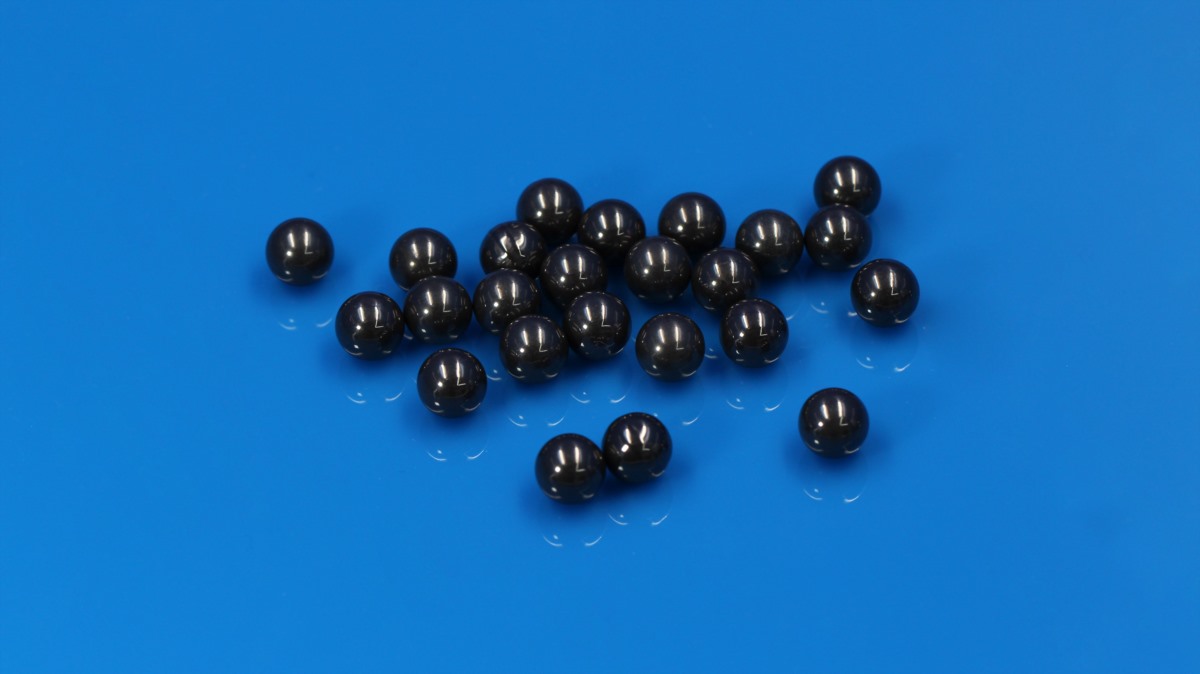
For customers evaluating 3.969 mm silicon nitride ceramic balls as rolling elements, G5 precision provides a useful reference level for high-precision bearing applications.
What Does G5 Mean for Silicon Nitride Ceramic Balls?
G5 is a precision grade used for finished bearing balls.
According to publicly available specifications conforming to JIS B 1563 and ISO 3290-2, representative G5 requirements include a maximum ball diameter variation of 0.13 μm, maximum sphericity deviation of 0.13 μm, maximum surface roughness of Ra 0.014 μm and maximum lot diameter variation of 0.25 μm. (AKS Ball)
ISO 3290-2:2014 specifies requirements for finished silicon nitride balls used in rolling bearings and remains the current published edition after being confirmed again in 2025. (ISO)
These parameters are different from simply specifying a nominal diameter tolerance.
A statement such as “3.969 mm ±5 μm” does not by itself define a G5 ceramic ball. For precision bearings, variation between individual balls, sphericity, surface roughness and lot consistency must also be controlled.
Why Silicon Nitride Is Used in Precision Bearings
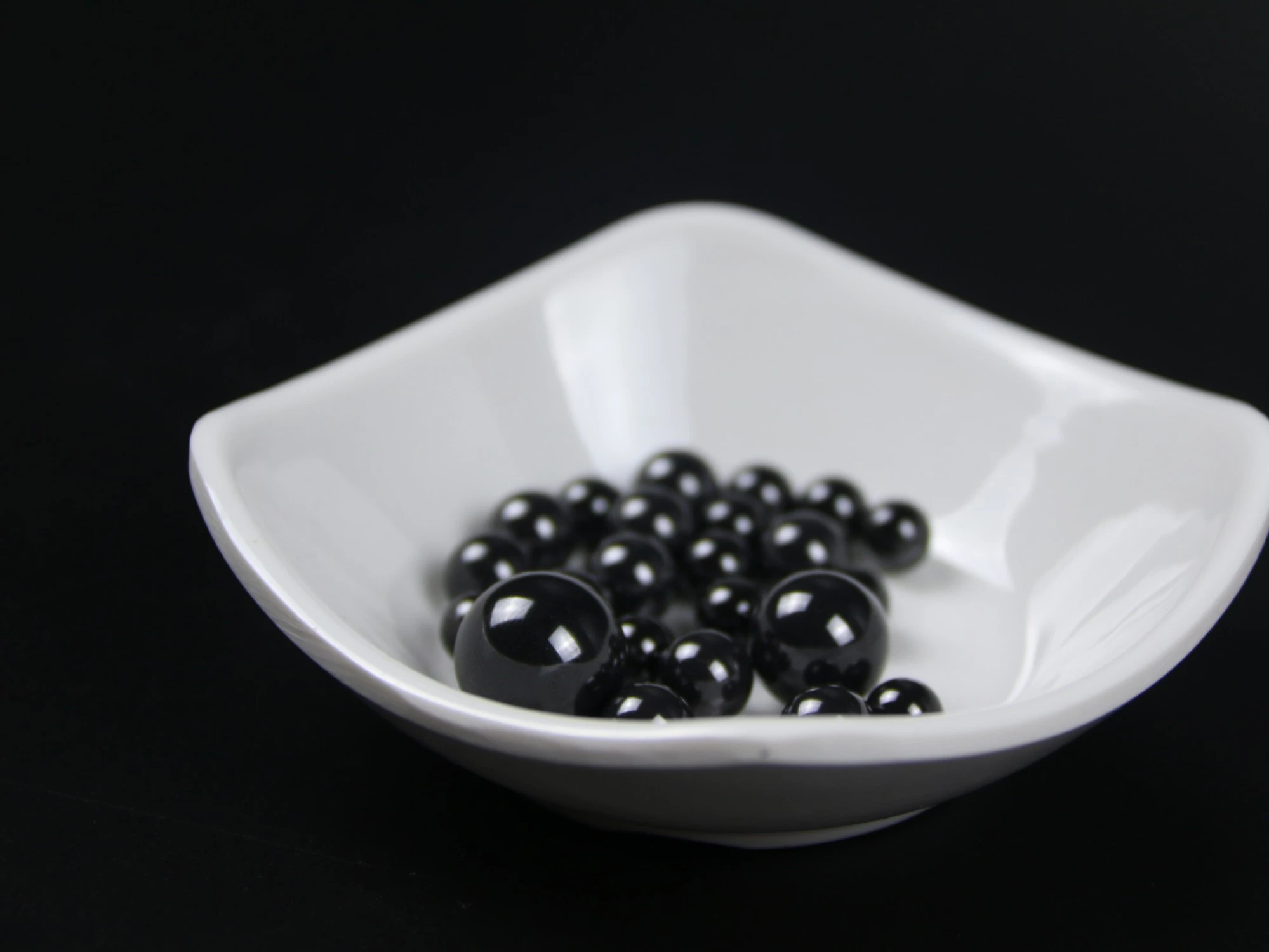
Silicon nitride is widely used for ceramic rolling elements because it combines low density with high hardness, good mechanical strength, electrical insulation and resistance to demanding operating environments.
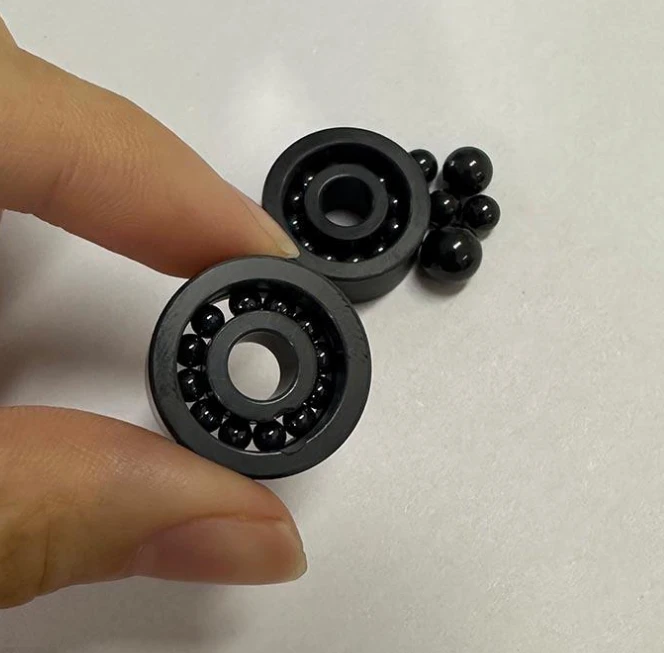
When silicon nitride balls are combined with steel bearing rings, they form hybrid ceramic bearings.
Depending on the bearing design, hybrid configurations can be considered for applications involving high rotational speed, electrical insulation requirements or other demanding operating conditions.
Typical application areas include high-speed spindles, electric drives, precision equipment and industrial bearing systems.
The suitability of a ceramic ball should nevertheless be evaluated according to the complete bearing design rather than material properties alone.
Why 3.969 mm Requires More Than Diameter Control
For a precision rolling element, nominal diameter is only the starting point.
If individual balls within a bearing set vary excessively in diameter, load distribution between the rolling elements can become less uniform.
Sphericity and surface quality are also important because the ball repeatedly contacts the bearing raceway under load.
This is why a 3.969 mm G5 silicon nitride ball should be evaluated according to geometric precision, surface condition and lot consistency—not simply whether a supplier can manufacture a ball close to 3.969 mm.
The Role of Material Quality and Sintering
High-quality silicon nitride bearing balls begin with controlled ceramic powder preparation and densification.
HIP, or hot isostatic pressing, is one processing route that can be used to achieve high density and reduce internal defects.
However, HIP alone does not guarantee the performance of a finished G5 bearing ball.
The final product also depends on raw material quality, ceramic composition, sintering process, microstructure, grinding and lapping accuracy, surface integrity and inspection.
ASTM F2094/F2094M, for example, covers basic quality, physical and mechanical property requirements and testing for silicon nitride balls used in bearings and specialty ball applications. (ASTM Store)
For engineering customers, it is therefore more meaningful to evaluate actual test results than to select a supplier only according to whether a particular sintering process is used.
Precision Finishing Is Critical to G5 Performance
After sintering, silicon nitride blanks must undergo precision grinding, lapping and polishing to achieve the required final geometry and surface finish.
The challenge becomes increasingly significant as precision requirements become tighter.
Producing an individual sample close to G5 dimensions is different from maintaining G5-level characteristics consistently across production lots.
For this reason, customers should pay attention to both individual inspection results and batch-level data.
What Should Buyers Verify?
When evaluating 3.969 mm G5 silicon nitride balls, the technical discussion should cover the applicable grade standard, nominal diameter, diameter variation, sphericity, surface roughness, lot diameter variation and material specification.
For demanding bearing applications, additional evaluation may include density, hardness, strength-related properties, internal defect control and customer-specific performance testing.
Inspection methods and traceability should also be agreed before mass production.
This helps ensure that samples and future production batches are evaluated according to the same criteria.
From “Domestic Replacement” to Qualified Alternative Supply
For global bearing manufacturers, the objective of developing an additional silicon nitride ball supplier is not simply to find a lower price.
Precision bearing components require predictable quality over repeated production lots.
A useful alternative supplier therefore needs to demonstrate dimensional consistency, inspection capability, process control, traceability and stable delivery.
For 3.969 mm G5 silicon nitride balls, technical qualification should be based on measurable data and actual bearing requirements rather than broad claims about “domestic substitution.”
This approach reduces qualification risk for customers and creates a more sustainable long-term supply relationship.
3.969 mm G5 Silicon Nitride Ball Solutions from INNOVACERA
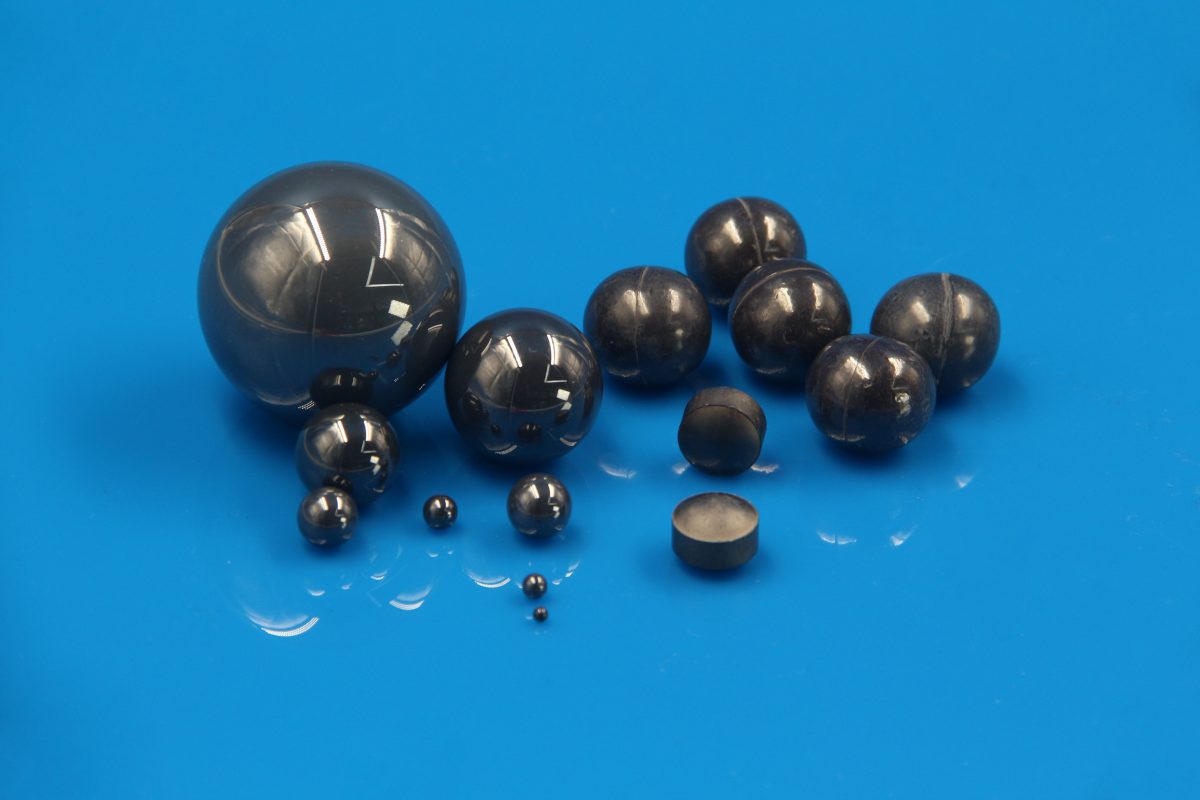
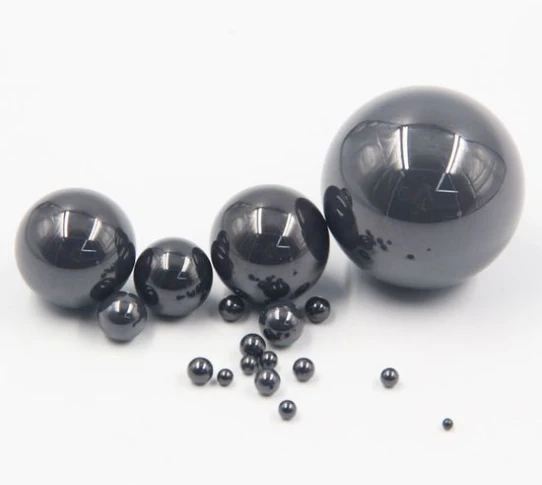
INNOVACERA supports silicon nitride ceramic balls for precision bearing and industrial applications.
For 3.969 mm G5 projects, we can discuss dimensional requirements, applicable inspection criteria, sample evaluation and batch supply according to the customer’s technical specification.
For customers replacing an existing ceramic bearing ball or developing a new hybrid bearing design, providing the original specification, drawing, grade requirement and inspection criteria is recommended.
Rather than simply matching a nominal diameter, the goal is to establish a ceramic ball specification that can be measured, verified and consistently reproduced in production.
Contact INNOVACERA to discuss your 3.969 mm G5 silicon nitride ceramic ball requirements, sample evaluation or customized precision ceramic ball project.