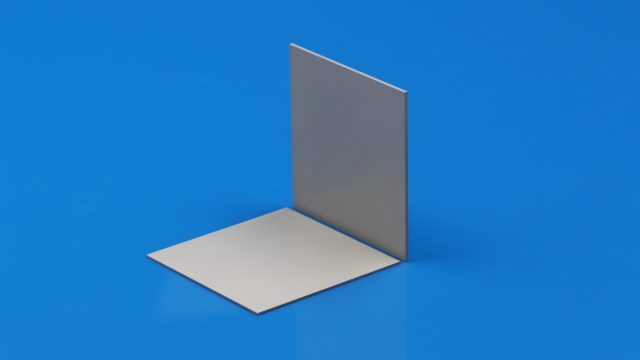
Boron Nitride Sliding Plates in Induction Tunnel Furnaces
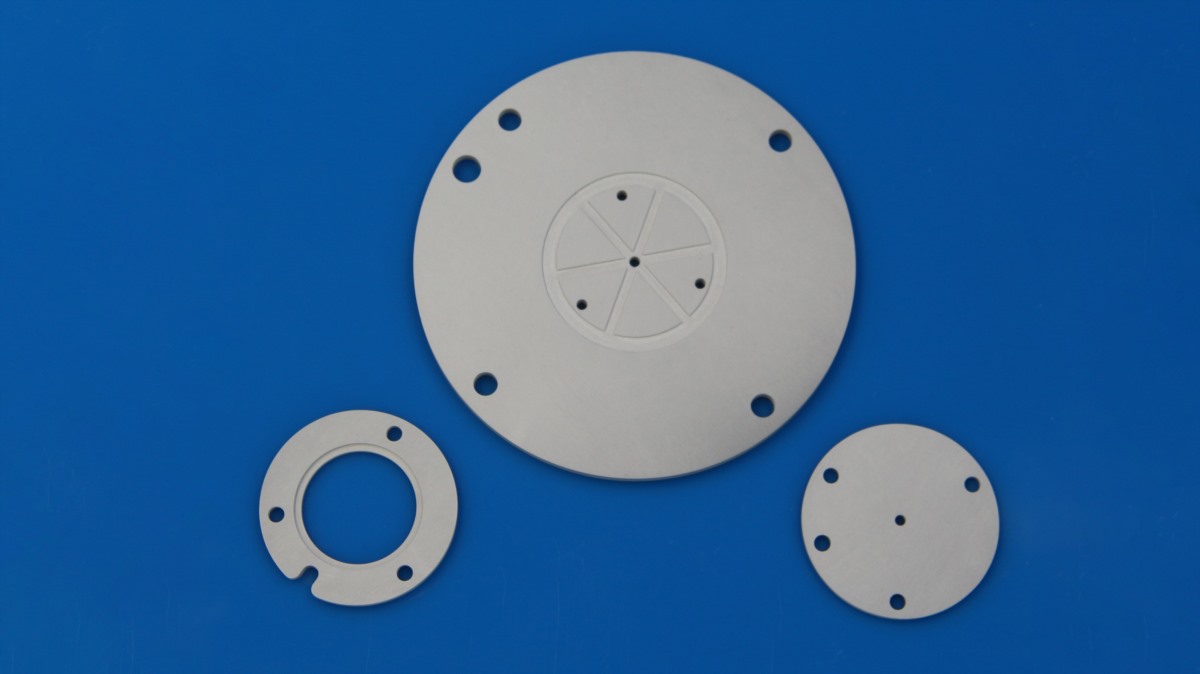
Boron Nitride sliding plates, also referred to as Boron Nitride sliding planes, are used in induction tunnel furnaces for the continuous production of precious metal ingots.
During continuous precious metal production, materials move through different stages of the induction tunnel furnace while being exposed to high temperatures and repeated thermal cycles. The sliding plates/planes provide a stable surface for material movement and support within the furnace.
In this demanding environment, the material used for the sliding surface needs to withstand high temperatures while maintaining low friction and good dimensional stability. At the same time, minimizing adhesion between the processed precious metals and the sliding surface is important for stable operation and product quality.
Boron Nitride is well suited to these requirements due to its low friction, excellent thermal shock resistance, chemical stability, and non-wetting characteristics. Its electrical insulating properties also make it particularly suitable for induction heating environments.
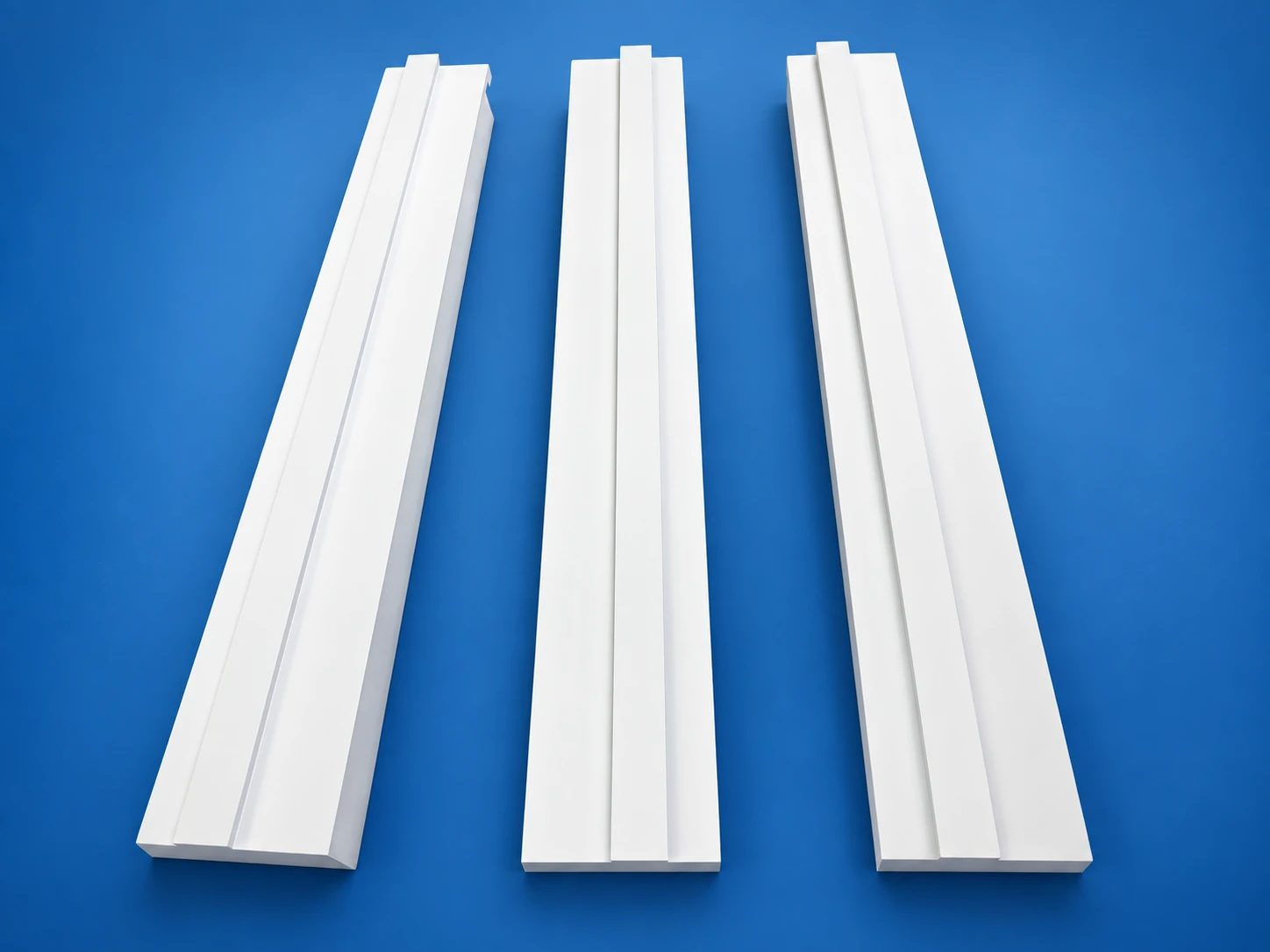
Key Benefits for Precious Metal Ingot Production
The application of Boron Nitride sliding plates/planes in induction tunnel furnaces can provide several advantages:
- Smooth continuous movement of materials through the furnace
- Low friction between the moving material and sliding surface
- Reduced adhesion between precious metals and the ceramic surface
- Excellent resistance to thermal cycling during continuous furnace operation
- Stable performance at elevated temperatures
- Electrical insulation in induction heating environments
- Reduced risk of contamination from the sliding material
- Long service life under demanding operating conditions
These characteristics make Boron Nitride sliding plates a suitable solution for continuous high-temperature processes involving precious metal melting and ingot production.
Customized Boron Nitride Sliding Plates
The performance of a Boron Nitride sliding plate depends not only on the material itself, but also on its grade, dimensions, surface finish, tolerances, and operating conditions.
We provide customized Boron Nitride sliding plates/planes for induction tunnel furnace applications. Components can be manufactured according to specific furnace designs and customer requirements, including customized length, width, thickness, grooves, holes, geometries, and dimensional tolerances.
Our technical team can work with customers to select a suitable BN material grade and optimize the component design according to factors such as operating temperature, sliding conditions, precious metal type, furnace configuration, and service requirements.