As advanced ceramics, electronic materials, hard materials, and fine chemicals continue to evolve, the requirements for powder materials in terms of particle size, particle size distribution, and impurity control are becoming increasingly stringent. For many high-performance materials, powder processing has moved beyond conventional grinding to more sophisticated fine and ultra-fine grinding techniques.
In this process, while grinding equipment and process parameters are undoubtedly important, the material, size, hardness, wear resistance, and dimensional consistency of the grinding media also significantly influence the final grinding performance.
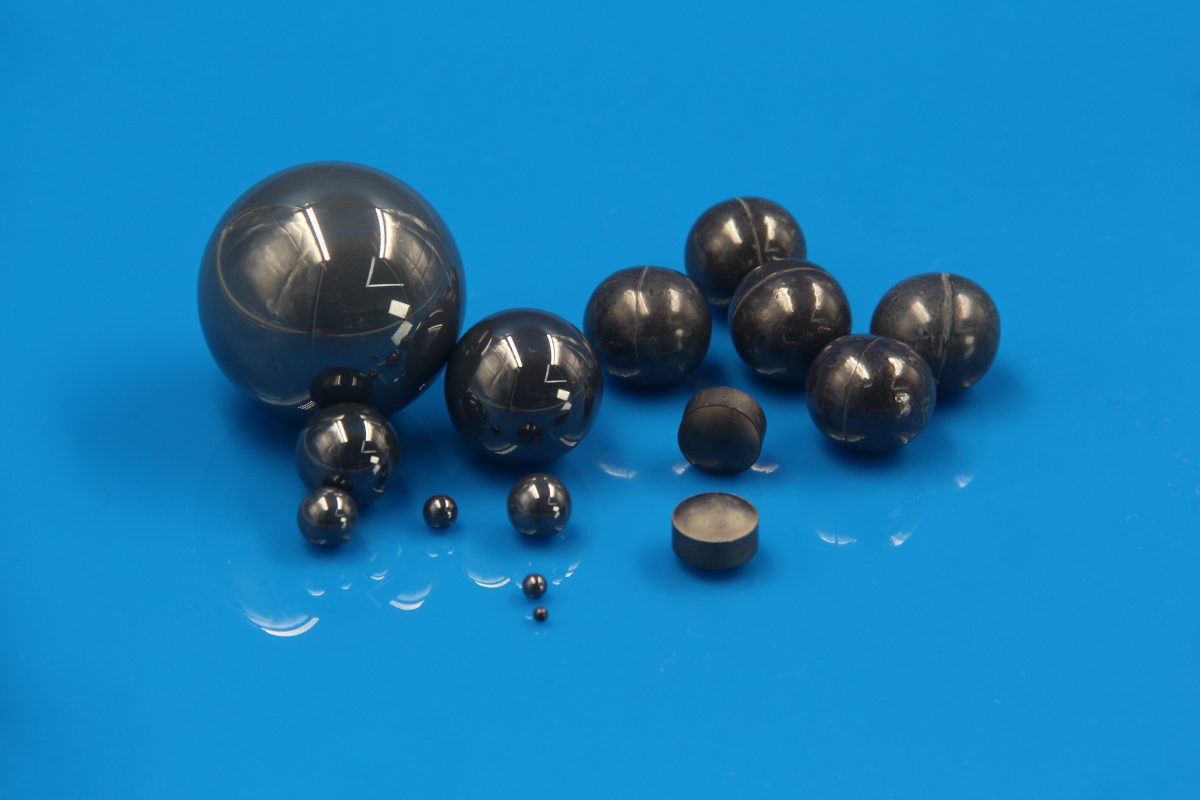
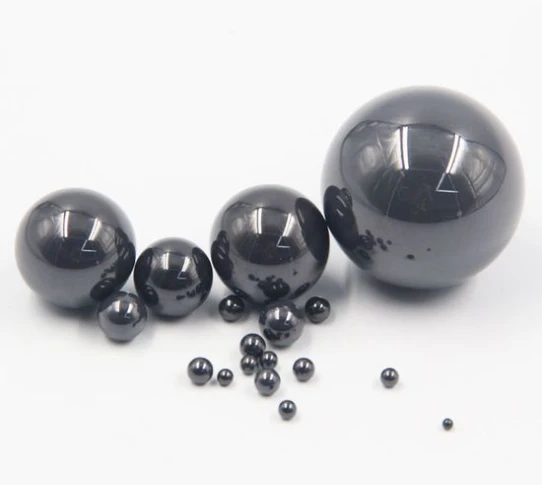
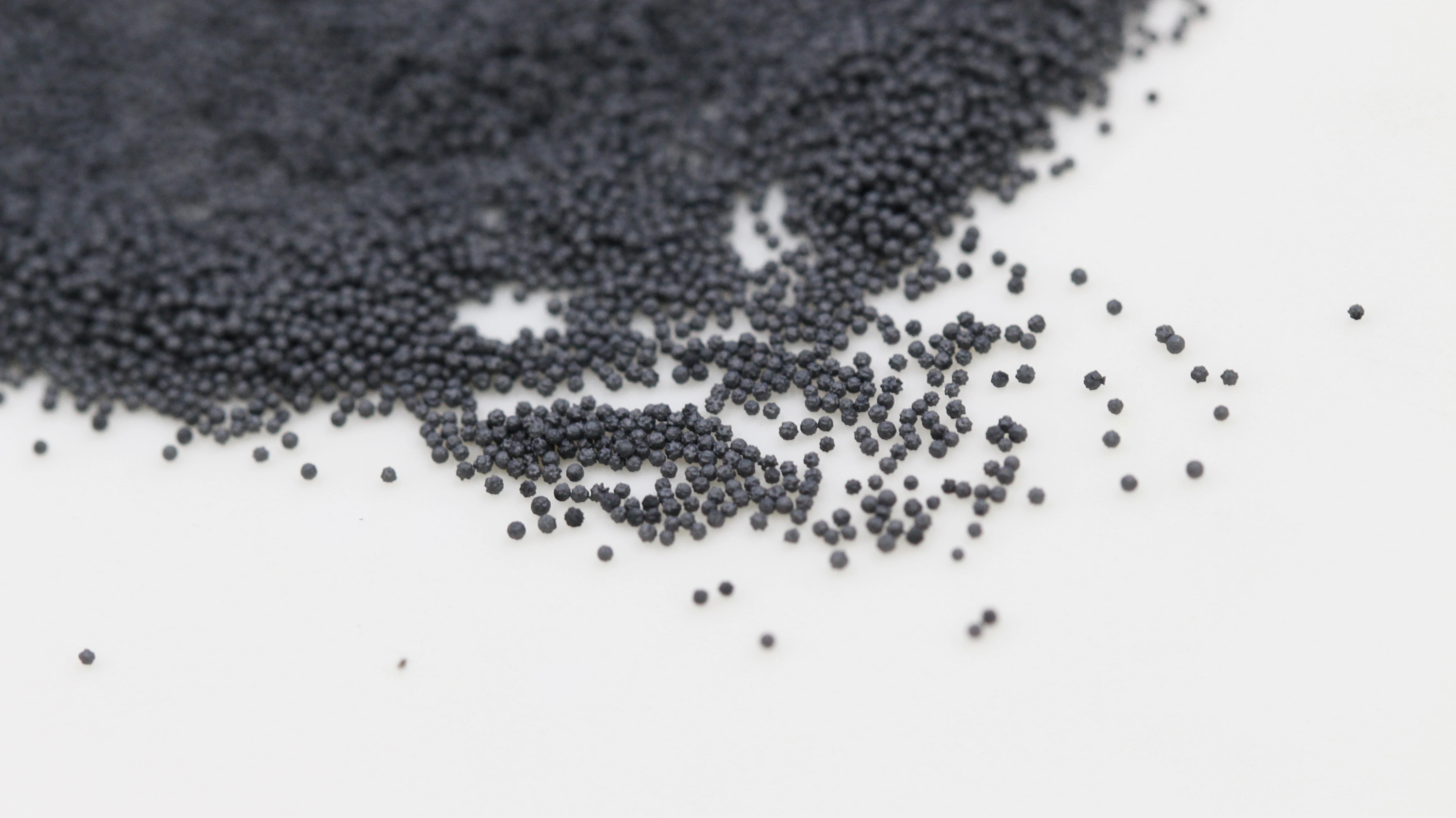
Traditional larger-sized grinding balls typically offer higher individual mass and impact energy, making them suitable for breaking and grinding coarser particles. However, when powders have already reached finer particle sizes and require further refinement, smaller grinding media can provide a greater number of media and more frequent contact opportunities under the same filling volume and similar conditions. As a result, submillimeter grinding beads with diameters less than 1 mm are gradually emerging as an essential choice in fine and ultra-fine powder processing.
Among these, silicon carbide (SiC) stands out as a promising grinding medium due to its high hardness, excellent wear resistance, and ceramic material properties, offering a compelling solution for the precision grinding of hard and highly abrasive powders.
I. Why does fine grinding require smaller-sized grinding media?
The size of the grinding media will affect the impact, friction and shear forces that the particles experience during the grinding process.
Larger-sized grinding balls have a greater single mass and can provide higher single impact energy, making them more suitable for the coarse grinding stage where the raw material particles are larger. However, as the particle size of the material being ground keeps decreasing, the number of larger grinding balls becomes relatively limited, and the effective contact opportunities between them and the fine particles may also be restricted.
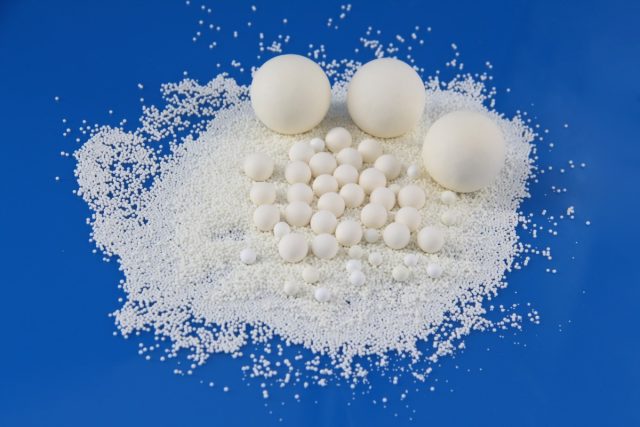
When the size of the grinding media is reduced to below 1 mm, under the same filling volume and other similar conditions, more grinding beads can be accommodated, thereby increasing the collision, friction and shear opportunities between the media and the powder particles, and making the grinding effect more intense.
Therefore, sub-millimeter-sized grinding beads are usually more suitable for powder processing processes that have entered the fine grinding stage, require further reduction in particle size or improvement in particle size distribution.
However, this does not mean that smaller grinding beads are always better. As the size of the grinding media decreases, the impact energy provided by a single grinding bead also decreases. Therefore, when using them in practice, it is still necessary to match them with the initial particle size of the raw material, the target particle size, the hardness of the material, the slurry state, and the grinding equipment, among other factors.
II. Why choose silicon carbide as the grinding medium for sub-millimeter dimensions?
For ordinary powders, there are various materials to choose from for the grinding media. However, when the material being processed has high hardness or strong abrasiveness, the wear resistance of the grinding media becomes even more important.
Silicon carbide is a typical high-hardness engineering ceramic material with high hardness, good wear resistance, high-temperature resistance, and chemical stability. These material properties make it suitable for manufacturing small-sized grinding media and for the fine processing of some hard powders.
1. High hardness for hard powders grinding
When grinding hard powders, the grinding media itself also continuously undergoes collisions and friction. If the hardness of the grinding media is insufficient, long-term use may result in significant wear.
Silicon carbide has a high hardness, so it has material advantages when processing hard and highly abrasive powders, especially suitable for situations that require both grinding capacity and media wear resistance.
2. Good wear resistance
The wear of the grinding media itself not only means the consumption of the media but also may affect the stability of the grinding process.
For sub-millimeter-sized grinding beads, due to the large number of media in a unit volume, the size consistency and long-term wear conditions will affect the grinding state. Using wear-resistant SiC ceramic materials can help reduce the impact of media wear on the long-term stability of the grinding.
3. Reducing the risk of introducing iron impurities from steel media
During the grinding process, the wear particles produced by the media itself may enter the material being ground. Therefore, for advanced ceramics, electronic materials, and some powders sensitive to impurities, the selection of grinding media materials is particularly important.
Compared to steel grinding media, SiC is a non-metallic ceramic material, which can reduce the risk of introducing iron impurities due to the wear of steel media.
However, the pollution control of the grinding media cannot be simply understood as “the lowest pollution of a certain material”. After the wear of SiC grinding media, it may introduce silicon and carbon-related components, so for high-purity powders with particularly sensitive Si and C elements, material compatibility assessment needs to be conducted before selection.
At the same time, the density of SiC is lower than that of zirconia, and at the same size and speed conditions, a single grinding bead can provide relatively lower kinetic energy; its brittleness is also relatively higher. Therefore, in high-speed, high-energy input grinding equipment, it is necessary to adapt to the specific equipment and process parameters.
III. What are the differences between sub-millimeter SiC grinding beads and larger-sized SiC grinding balls?
The main difference between the two does not lie in the material, but in the grinding stage corresponding to the size and the way of energy transfer.
The larger-sized SiC grinding balls have higher single particle quality and impact energy, making them more suitable for breaking and grinding of coarser particles; while sub-millimeter SiC grinding beads, through more media quantity and denser contact, are more suitable for further refinement of powders.
| Comparison Item | Larger SiC Grinding Balls | Submillimeter SiC Grinding Beads |
|---|---|---|
| Media Size | Larger sizes | <1 mm |
| Impact Energy per Bead | Higher | Lower |
| Number of Media per Unit Volume | Lower | Higher |
| Particle Contact Opportunities | Relatively fewer | More frequent |
| Main Grinding Stage | Coarse and intermediate grinding | Fine and ultrafine grinding |
| Equipment Compatibility | Ball mills and similar equipment | Bead mills, stirred mills, and other fine-grinding equipment, depending on the specific system |
Therefore, sub-millimeter SiC grinding beads are not intended to completely replace larger grinding balls; instead, they provide another medium option for different processing stages of powders.
IV. How should SiC, ZrO₂ and Al₂O₃ grinding beads be selected?
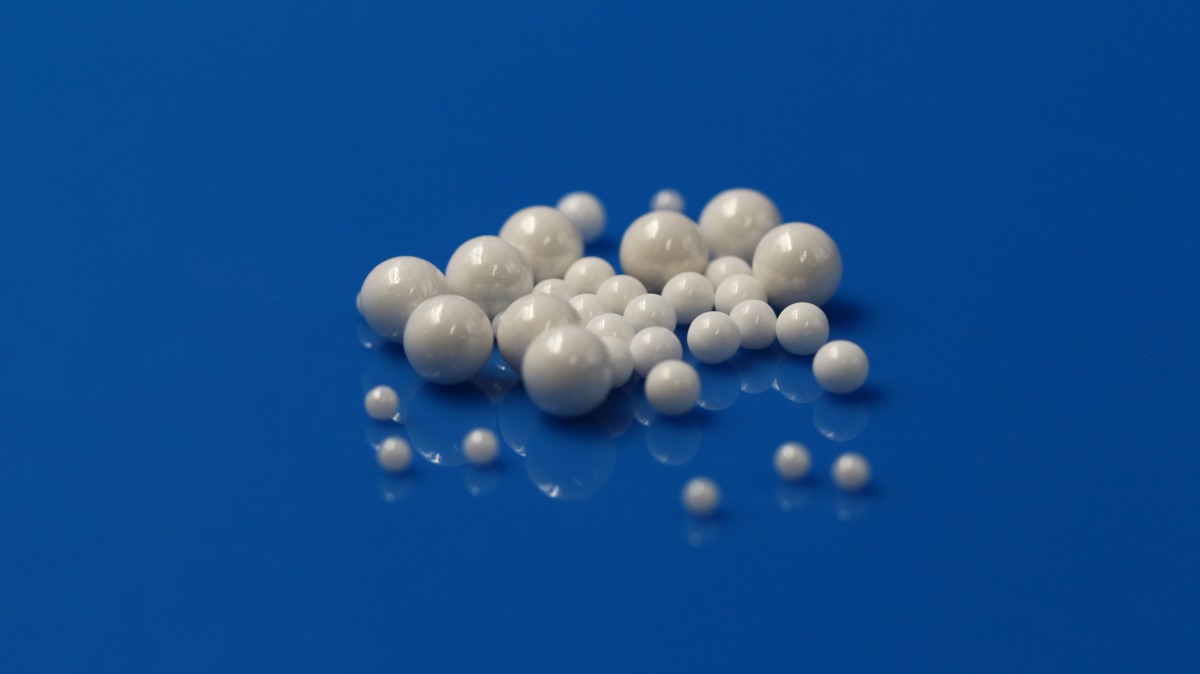
There are not only SiC as the ceramic grinding media. Engineering ceramics such as zirconia, alumina and silicon nitride are also used for powder grinding. Different materials have different hardness, density, toughness, wear resistance and chemical properties.
| Material | Key Characteristics | Typical Applications / Selection Considerations |
|---|---|---|
| SiC | High hardness, excellent wear resistance, relatively low density | Fine grinding of hard and highly abrasive powders; Si and C-related contamination should be considered |
| ZrO₂ | High density, good toughness | Fine grinding applications requiring higher impact energy from the grinding media |
| Al₂O₃ | Mature processing technology, stable overall performance, cost-effective | General ceramic and industrial powder grinding |
| Si₃N₄ | High hardness, good wear resistance, excellent mechanical properties | Fine grinding applications where specific impurities and media wear need to be carefully controlled |
When choosing grinding beads, only comparing hardness is not enough.
For example, grinding beads with higher density can provide different energy input. For some high-purity ceramic powders, the compatibility of the grinding medium and the target material in terms of composition may be more important than the medium’s density.
The actual selection usually requires comprehensive consideration:
• Initial particle size of the raw material
• Target particle size
• Hardness and abrasiveness of the powder
• Type of grinding equipment
• Size of the grinding medium
• Density and mechanical properties of the medium
• Wear of the grinding medium
• Types of impurities allowed in the final product
• Viscosity of the slurry and process conditions
Therefore, instead of simply judging “which ceramic grinding bead is the best”, a more accurate approach is to select the medium material that matches the specific powder and grinding system.
V. Which powders are suitable for using sub-millimeter SiC grinding beads?
Due to their high hardness and wear resistance, sub-millimeter SiC grinding beads are particularly worthy of evaluation in the fine processing of hard and abrasive powders.
For example, in the processing of advanced ceramic powders, the original powders usually need to undergo grinding, dispersion, and size control to meet the requirements of subsequent molding and sintering. For SiC and other hard ceramic powders, small-sized grinding media can provide a more dense particle contact, which is conducive to further fine processing.
For carbides and other high-hardness inorganic powders, the wear resistance of the grinding media itself is also very important. Using high-hardness SiC ceramic media can reduce the risk of affecting the long-term stability of grinding due to rapid media wear.
For some electronic materials and high-purity powders, the compatibility between SiC grinding media and the powders being ground needs to be evaluated in combination with the allowed impurity types of the final material.
Therefore, a more accurate judgment method is: when the powder has high hardness or abrasiveness, and needs to enter the fine or ultra-fine grinding stage, and the impurity control requirements of SiC and the final material match, sub-millimeter SiC grinding beads are a worthy consideration for grinding media.
Conclusion
The sub-millimeter-sized SiC grinding beads are not simply made smaller versions of traditional grinding balls; instead, they are designed through the matching of the medium size, material properties, and grinding process to provide a more suitable grinding medium option for fine and ultra-fine powder processing.
For powders with high hardness, strong abrasiveness, and certain requirements for grinding medium wear and impurity control, sub-millimeter-sized SiC grinding beads have certain application advantages. However, the actual selection still needs to consider the raw material particle size, target particle size, grinding equipment, medium size, material compatibility, and impurity control requirements, rather than simply pursuing a smaller medium size.
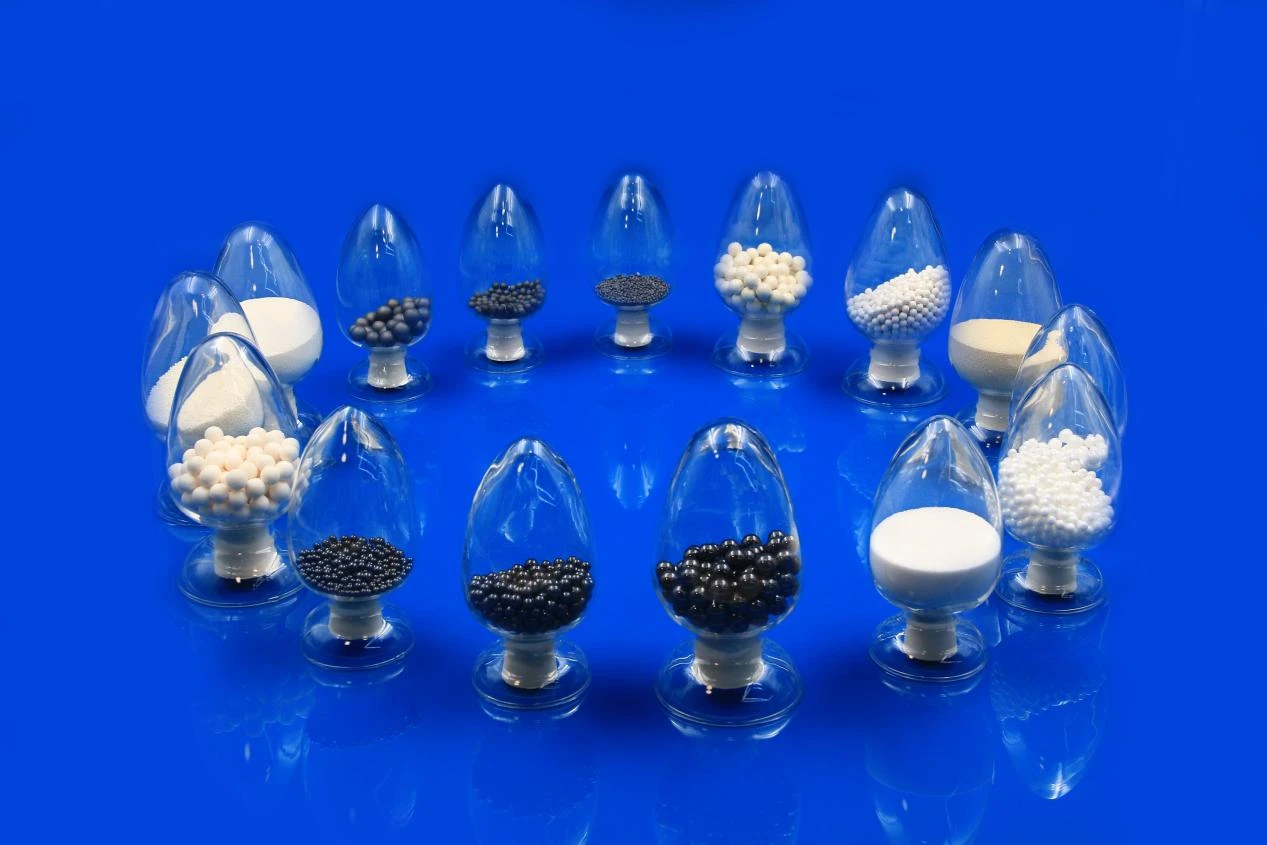
Innovacera offers a variety of ceramic materials and grinding materials of different sizes, including SiC, ZrO₂, Al₂O₃, Si₃N₄, etc. as ceramic grinding media. It can provide corresponding grinding material options based on the characteristics of the powder, the target particle size, and the requirements of the grinding equipment. Please feel free to contact us at sales@innovacera.com.