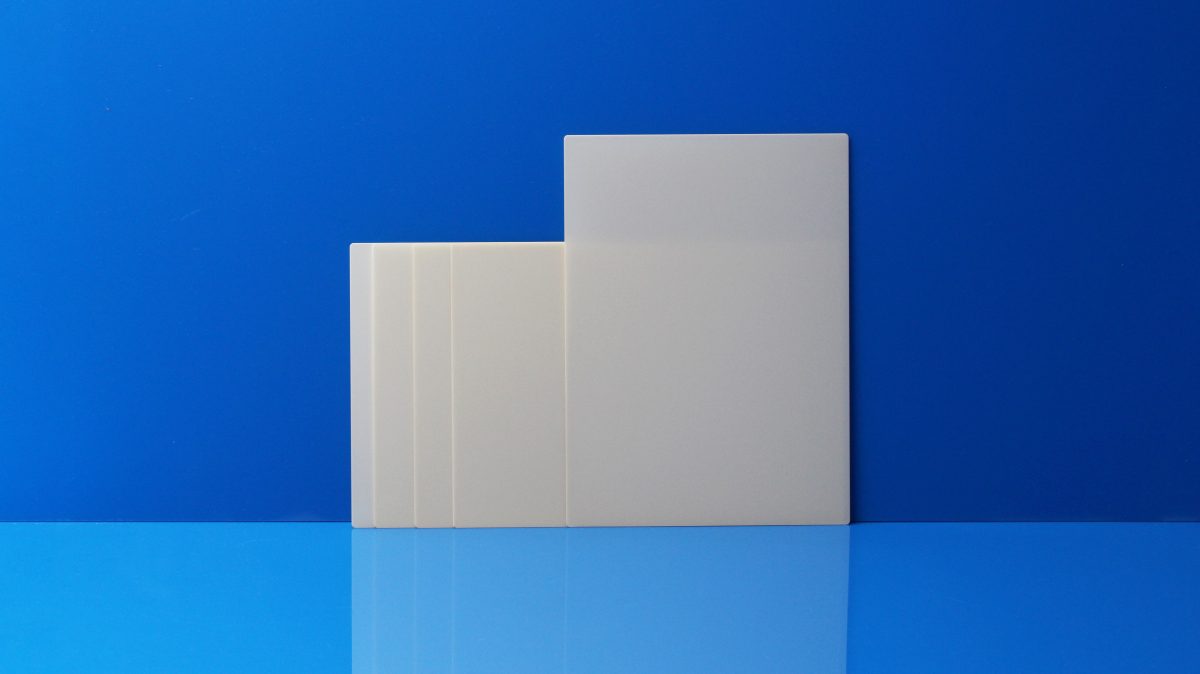
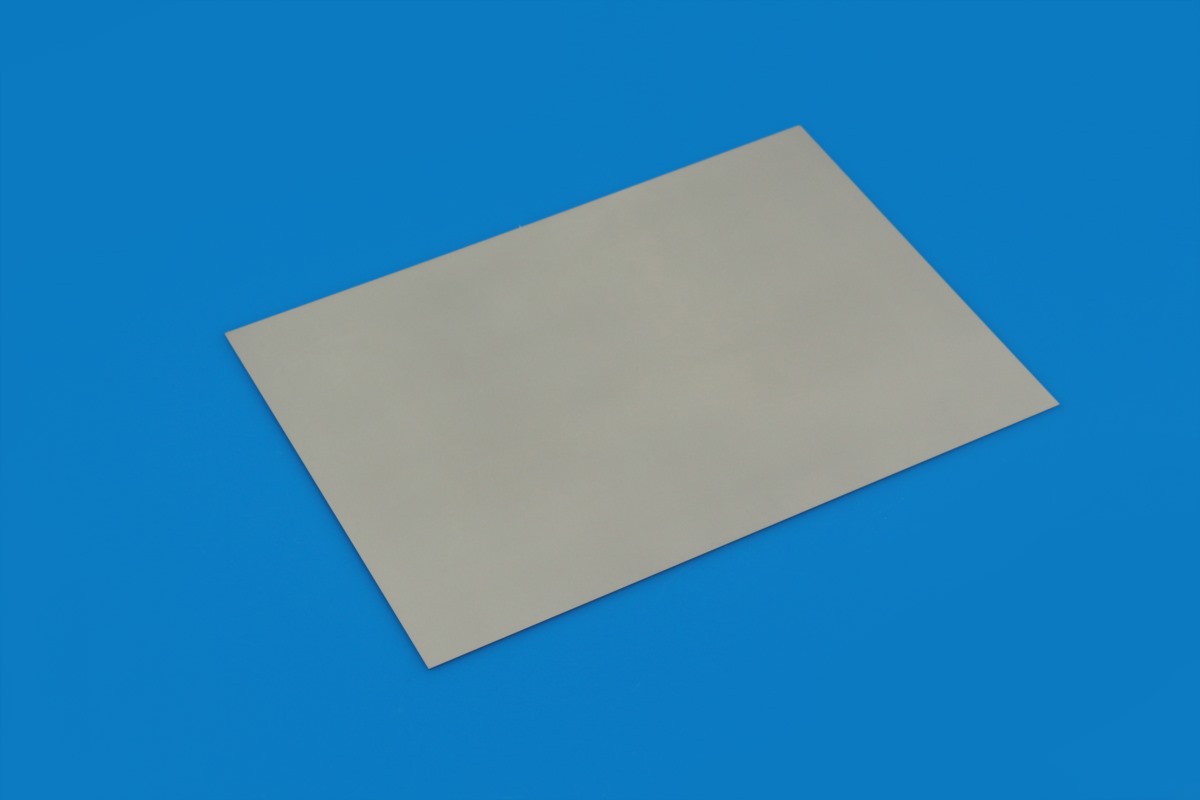
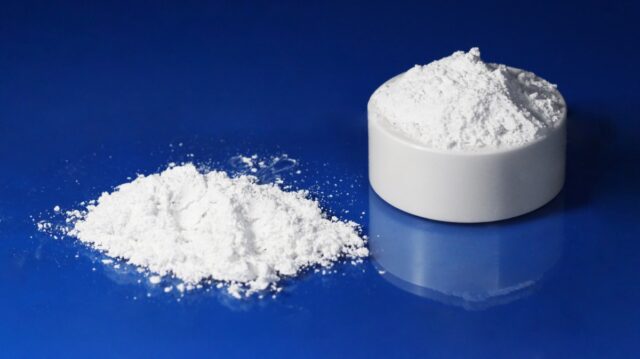
Hey there, let’s talk about a common headache in our industry: figuring out which bare ceramic substrate is right before the metallization process kicks in. Choosing the wrong starting point can lead to unexpected roadblocks down the line if not done properly.
When I’m talking with clients—especially those working with thick film or thin film processes—it always comes back to four main points: material selection, matching specs with process requirements, clearly defining dimensional tolerances, and picking the right surface finish.
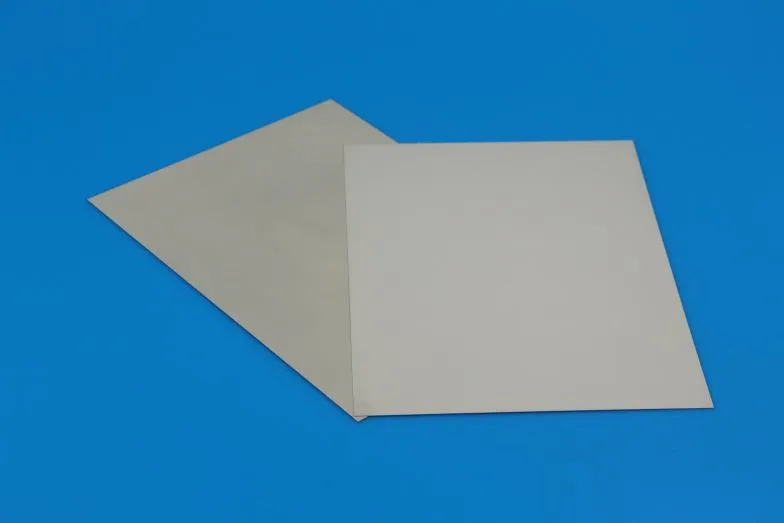
Material selection can get murky pretty fast. Different ceramics like alumina and aluminum nitride have different thermal conductivities, mechanical strengths, and electrical properties. Knowing exactly what your application demands upfront is crucial—we’ve seen teams pick materials based on initial specs without understanding what their next steps would require with the metal layers.
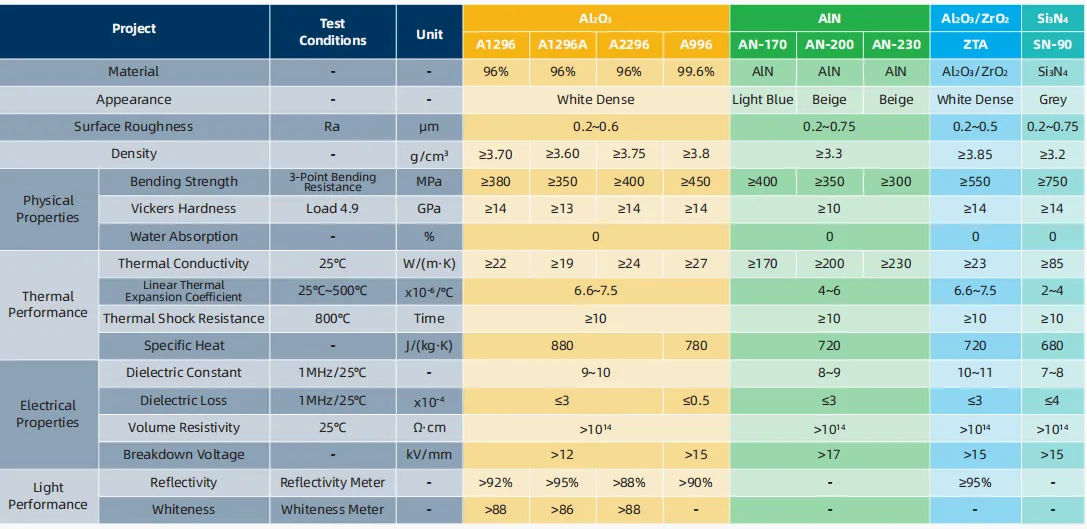
I’ve noticed a recurring theme around specs mismatching processes. Let’s be honest, some requirements written are basically impossible to hit consistently. Remember those ultra-fine surface roughness values people throw around? Chasing impossible specs just adds cost without real benefit. Stick to what’s practical and achievable for both processes involved.
Then there’s the whole tolerance conversation. I see a lot of confusion about achievable dimensions and tolerances. It’s not that high precision isn’t possible, but we’re realists about what’s efficient under normal manufacturing conditions. If a client wants something that’s extremely custom or non-standard from an outside vendor viewpoint, the cost impact and risk of low yields can be really high.
I always advise establishing clear acceptance criteria upfront. How exactly will you test the bare substrate before moving on? Different specifications lead to very different outcomes and can dramatically affect end performance if not aligned from day one. Having a pre-agreed testing plan avoids arguments later in development.
And let’s not forget about consistency. Once you’re in production, maintaining layer-to-layer consistency across every part becomes critical. Any dips early on can snowball quickly into big downstream problems.
This brings me to the key recommendation: always involve people who know what they’re doing. Having an expert review not just your substrate requirements document, but also checking samples using traceable methods, can save everyone so much pain in the long run. Don’t just sign off on a spec—the discussion should happen before.
At the end of the day, picking the right starting material is foundational to success throughout the whole process. Taking those five minutes early ensures everyone stays ahead before things get more complicated.