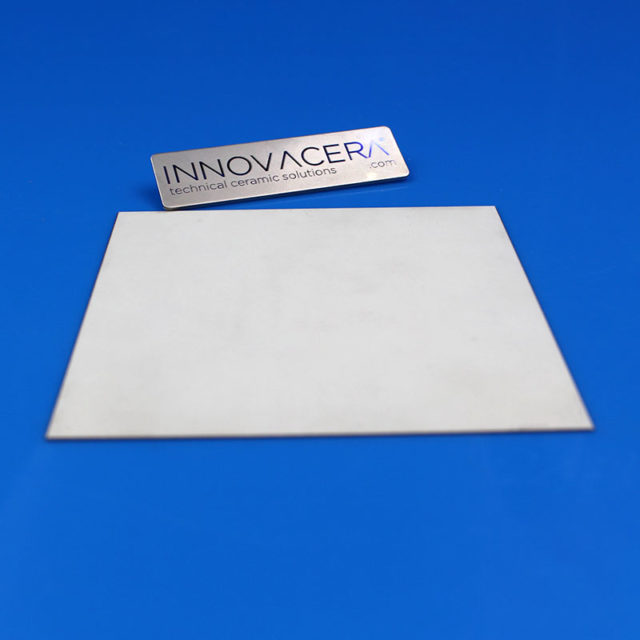
Driven by advances in new energy vehicles, rail transit, energy storage, industrial power supplies and wide-bandgap semiconductor technologies, power electronic modules are trending toward higher power density, improved reliability and extended service life. Serving as the key interface between chips and cooling structures, ceramic substrates provide electrical insulation, heat transfer and mechanical support. They also need to resist prolonged thermal stress and structural fatigue induced by repeated power cycling.
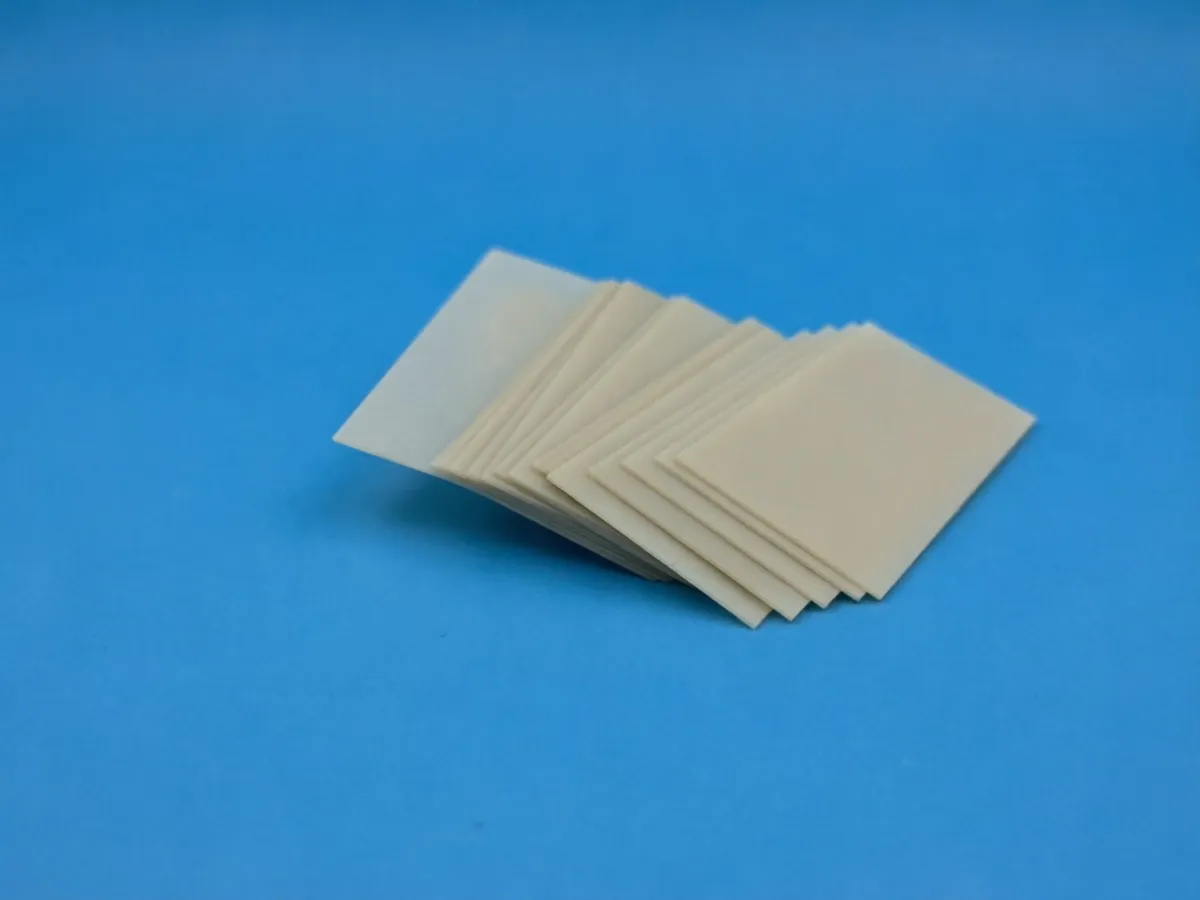
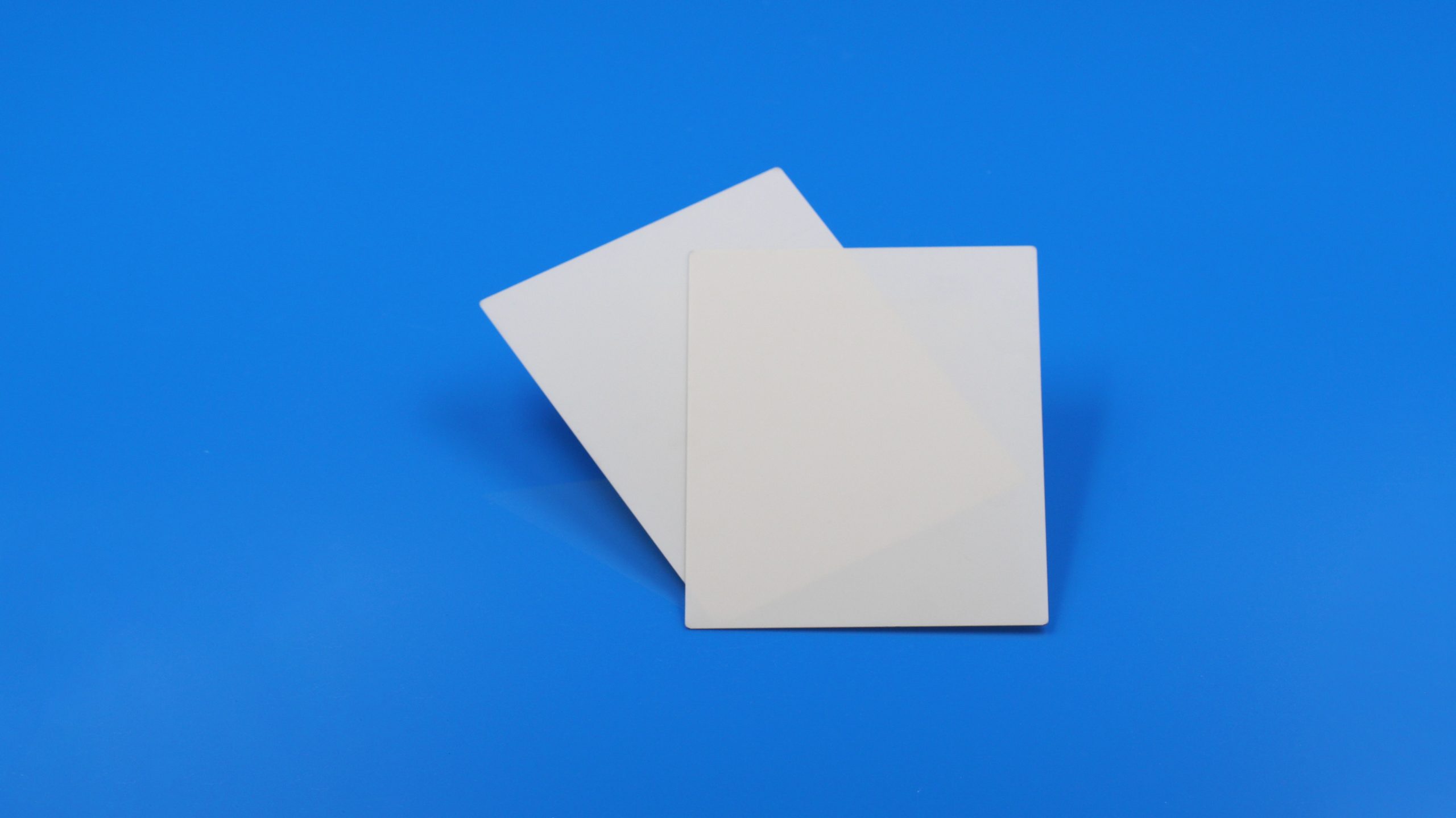
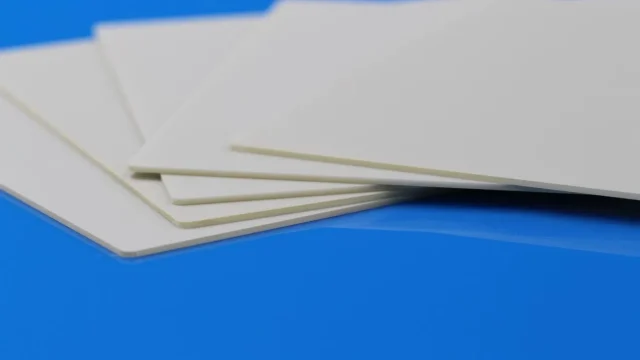
Alumina (Al₂O₃), aluminum nitride (AlN) and silicon nitride (Si₃N₄) are the primary ceramic substrate materials used in power electronics. Every material comes with its own set of properties. Alumina sees broad use owing to mature production processes and favorable costs. Aluminum nitride supports demanding cooling requirements with high thermal conductivity. Silicon nitride strikes an excellent balance of thermal conductivity, mechanical robustness and thermal cycling performance, making it a core material for new energy vehicles, rail transit and high-reliability power modules.
I. Why high-reliability materials are required for power electronic ceramic substrates
In IGBT and SiC power module applications, ceramic substrates operate under harsh, long-term working conditions. Equipment startup, shifting loads and temperature swings constantly create thermomechanical stress at the interfaces among chips, copper traces and ceramic substrates. If the materials cannot effectively withstand this cyclic stress, long-term operation may lead to issues such as ceramic cracking, metal layer delamination, and degradation of module performance.
Therefore, the requirements for ceramic substrates in high-end power modules include not only:
• Excellent thermal conductivity;
• Stable electrical insulation performance;
• Structural reliability compatible with metal layers;
• Fatigue resistance under long-term thermal cycling.
This is also a key reason why different ceramic materials have developed differentiated applications in the field of power electronics.
II. How to select alumina, aluminum nitride and silicon nitride ceramic substrates?
1. Alumina Ceramic Substrate: A Mature and Cost-Effective Solution
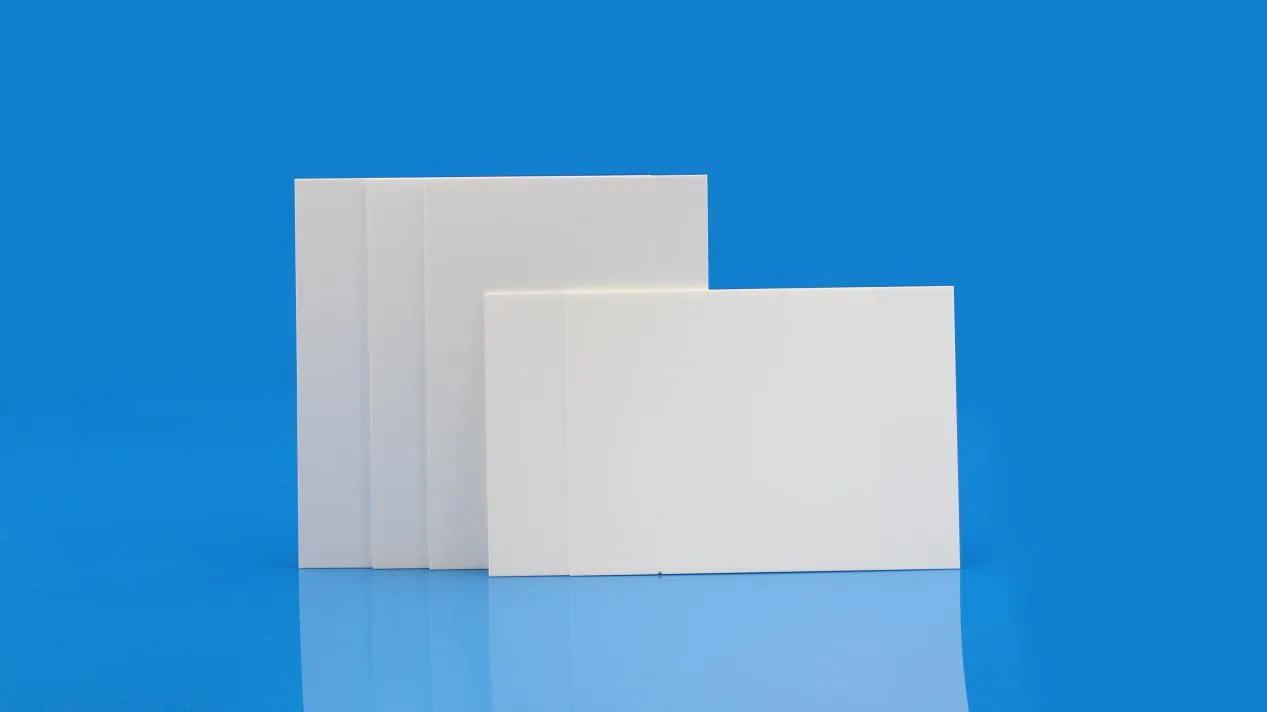
Alumina ceramic is one of the most widely used electronic ceramic substrate materials today.
Its advantages mainly include:
• Stable insulation performance;
• Mature supply chain;
• Well-developed processing technology;
• Relatively low overall cost.
For applications with relatively moderate requirements for power density and thermal cycling, alumina substrates can meet most basic needs.
However, due to the limited thermal conductivity and fracture toughness of alumina compared to nitride ceramics, greater attention must be paid to structural design and operating conditions in applications involving high power density, high-frequency thermal cycling, and long-term reliable operation.
Typical applications include:
• General-purpose power modules;
• Industrial control equipment;
• Standard electronic packaging.
2. Aluminum nitride ceramic substrates: solutions for high thermal dissipation requirements
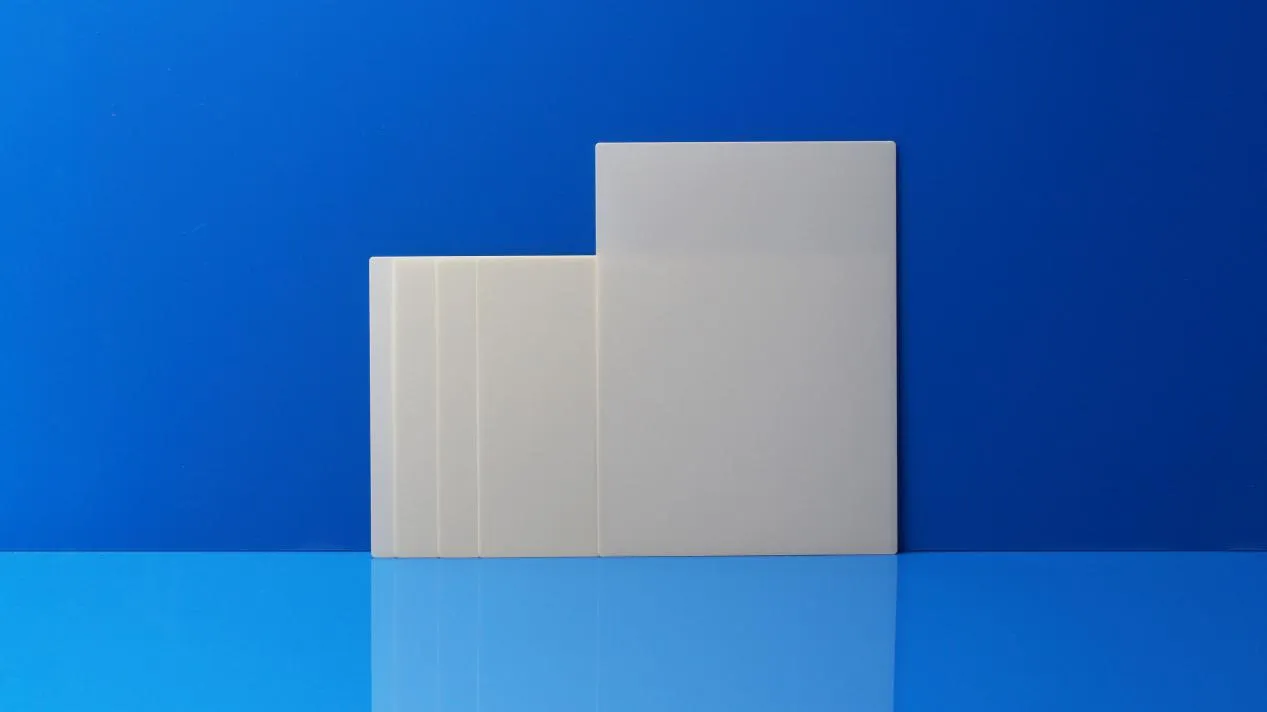
The most notable feature of aluminum nitride ceramic substrates is their high thermal conductivity, which enables efficient heat dissipation from chips and effectively reduces the operating temperature of devices.
Therefore, AlN substrates are widely used in electronic devices with high requirements for thermal dissipation efficiency.
Its advantages include:
• High thermal conductivity;
• Excellent electrical insulation properties;
• Good thermal matching performance.
However, in environments involving long-term high-frequency power cycling and high mechanical stress, the overall material reliability still needs to be comprehensively evaluated in conjunction with module structure, metallization methods, and specific operating conditions.
Typical applications include:
• High-power LEDs;
• High-heat-dissipation electronic modules;
• Partial power semiconductor packaging.
3. Silicon nitride ceramic substrate: high-reliability power cycling solution
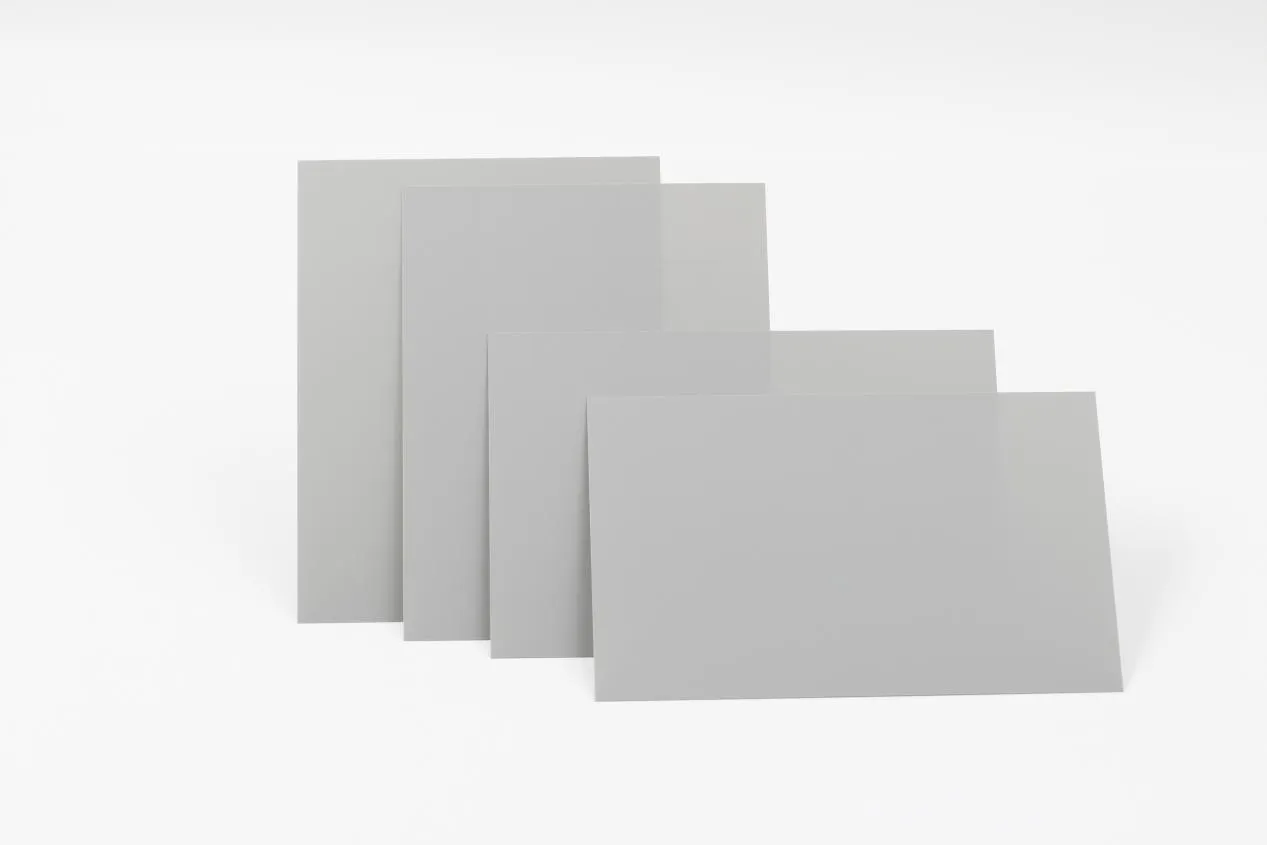
Silicon nitride ceramic substrates differ from cost-effective alumina and thermally superior aluminum nitride. Its greatest strength lies in well-balanced overall performance.
Silicon nitride has:
• High thermal conductivity;
• Excellent fracture toughness;
• Good mechanical strength;
• Outstanding thermal shock resistance.
This comprehensive set of properties enables silicon nitride substrates to serve high-reliability scenarios with long-term temperature fluctuations, frequent power cycling and persistent mechanical stress.
III. Core advantages of silicon nitride ceramic substrates compared to other materials
1. Excellent thermal cycling reliability, suitable for high-frequency power cycles
New energy vehicles and power equipment, during their operation, will constantly undergo processes such as startup, shutdown, and changes in load.
Due to the thermal expansion difference between the ceramic substrate and the copper layer, periodic stress will be generated after long-term temperature cycling.
The high fracture toughness and thermal shock resistance of silicon nitride enable it to better withstand such thermal mechanical loads, reducing the risk of cracks during long-term operation and enhancing the reliability of power modules.
2. High mechanical strength, enhancing the structural stability of the module
In power substrate structures such as DBC (Direct Bonded Copper) and AMB (Active Metal Brazing), the ceramic layer needs to form a reliable bond with the copper layer.
Compared with some traditional ceramic materials, the superior mechanical properties of silicon nitride can help alleviate interface stress and enhance the stability of the substrate structure. It is suitable for power electronic systems with high requirements for lifespan.
3. Adaptation to the development trend of the third-generation semiconductors
As wide-bandgap semiconductors such as SiC and GaN are increasingly applied in high-voltage, high-frequency and high-power-density scenarios, the reliability requirements for packaging materials for power modules are constantly increasing.
Silicon nitride substrates, due to their balanced advantages in thermal performance and mechanical properties, have become an important choice for power inverters in new energy vehicles, industrial power supplies, and high-reliability SiC power modules.
IV. Performance Comparison of Three Types of Ceramic Substrates
| Performance Index | Alumina Substrate | AlN Substrate | Si₃N₄ Substrate |
|---|---|---|---|
| Thermal Conductivity | Medium | High | Medium-High |
| Electrical Insulation | Excellent | Excellent | Excellent |
| Mechanical Strength | Average | Medium | Relatively High |
| Fracture Toughness | Low | Medium | Excellent |
| Thermal Cycling Resistance | Average | Good | Excellent |
| High Power Cycle Reliability | Average | Good | Excellent |
| Cost Level | Relatively Low | Medium | Relatively High |
| Main Advantages | Mature & Cost-effective | Efficient Heat Dissipation | High Reliability & Long Service Life |
V. Which application scenarios are more suitable for using silicon nitride substrates?
Silicon nitride is not a universal alternative material for all power electronic applications. Instead, it demonstrates its value in scenarios requiring high reliability and long cycle life.
①Power module of new energy vehicles
The electric drive system of new energy vehicles needs to constantly deal with frequent start-stop operations, changes in current, and complex temperature conditions.
The excellent thermal fatigue resistance of silicon nitride substrates helps enhance the long-term operational reliability of power modules, meeting the requirements for lifespan and stability in automotive-grade applications.
②Rail transit and industrial power equipment
Rail transit systems and power conversion equipment usually require long lifespan, low maintenance and high operational stability.
Silicon nitride substrates can withstand long-term thermal cycling and mechanical stress variations, providing stable support for highly reliable power modules.
③SiC third-generation semiconductor power module
SiC devices possess the characteristics of high efficiency, high frequency and high power density, which place higher demands on the packaging materials.
Silicon nitride substrates, with their comprehensive reliable performance, have become an important supporting material for some high-performance SiC power modules.
VI. Innovacera Ceramic Substrate Solutions
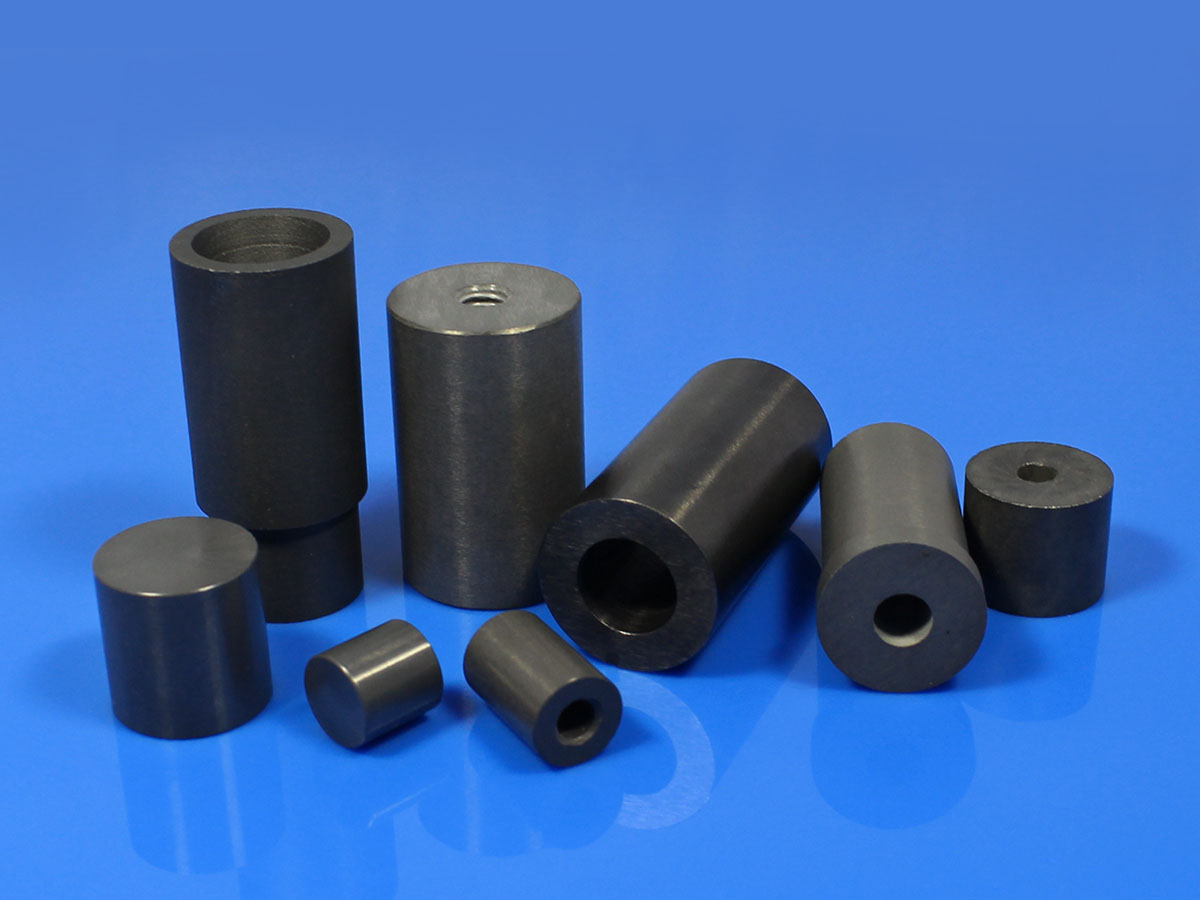
Innovacera offers standard-sized products such as alumina (Al2O3), aluminum nitride (AlN), and silicon nitride (Si3N4) ceramic substrates to meet the requirements of power electronics, semiconductor packaging, and new energy applications. For special sizes or application requirements, processing evaluations can be conducted based on customer drawings and project needs; for batch application projects, further customized production support can be provided. Please contact sales@innovacera.com