As personal care and hair styling devices continue to evolve toward faster heating, precise temperature control, miniaturization, and higher reliability, the performance requirements for internal heating elements in straighteners are also increasing. The heating element not only determines how quickly the device reaches the set temperature, but also affects the uniformity and stability of the heating plate’s temperature, as well as the overall user experience.
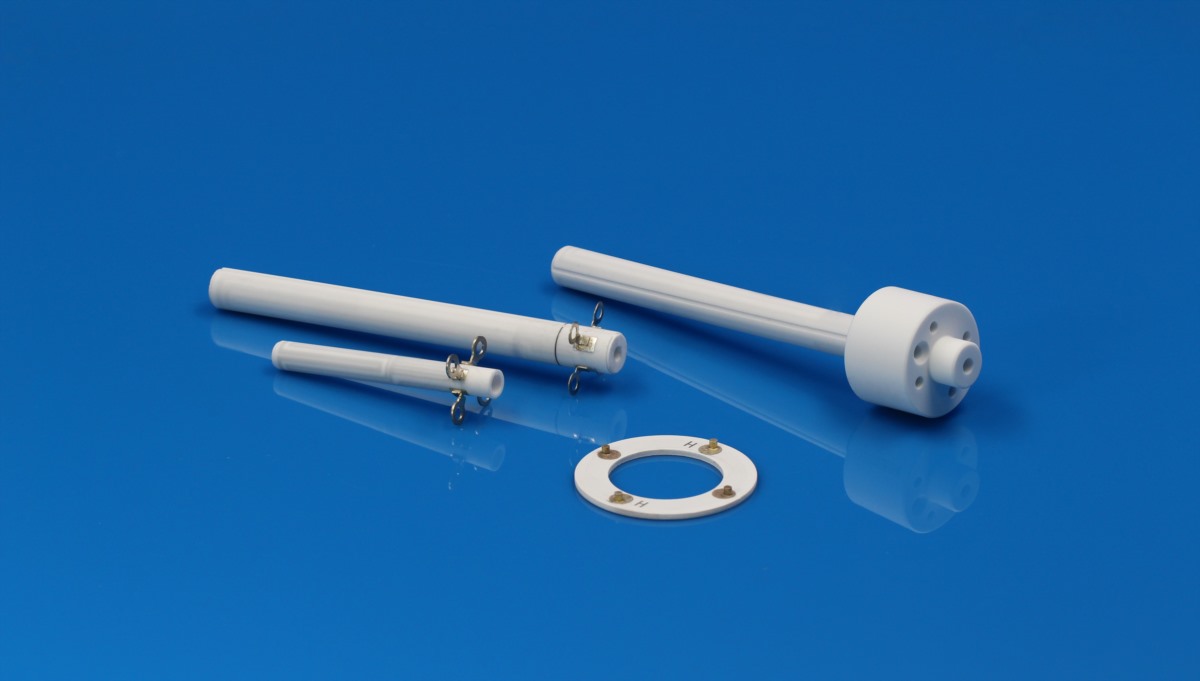
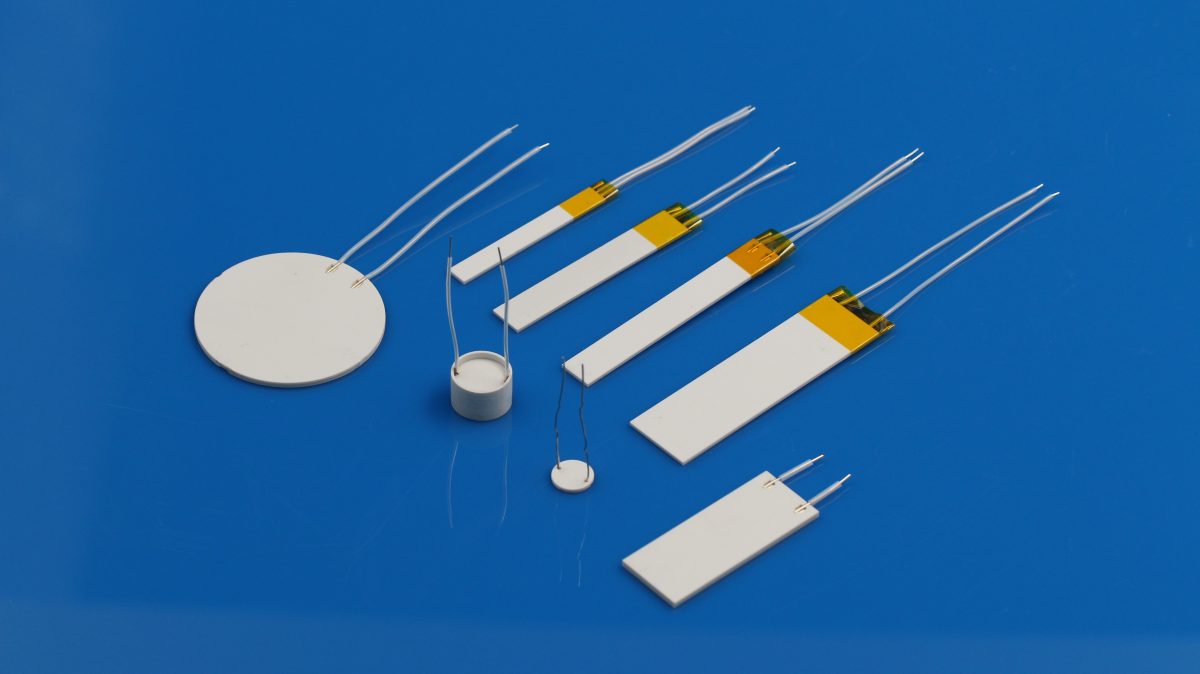
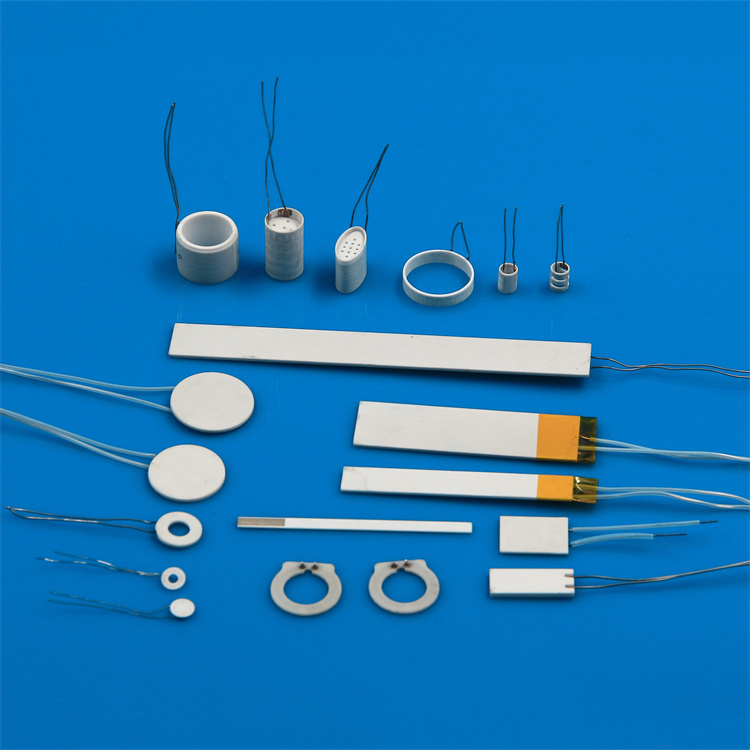
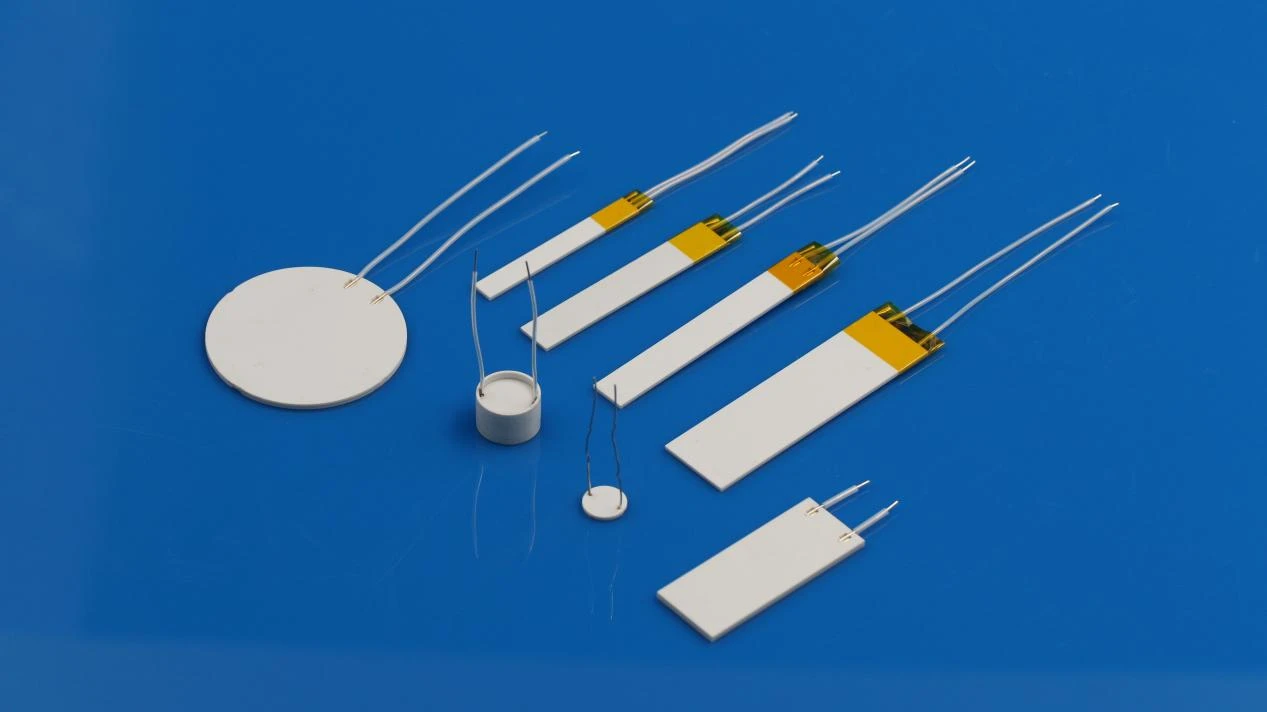
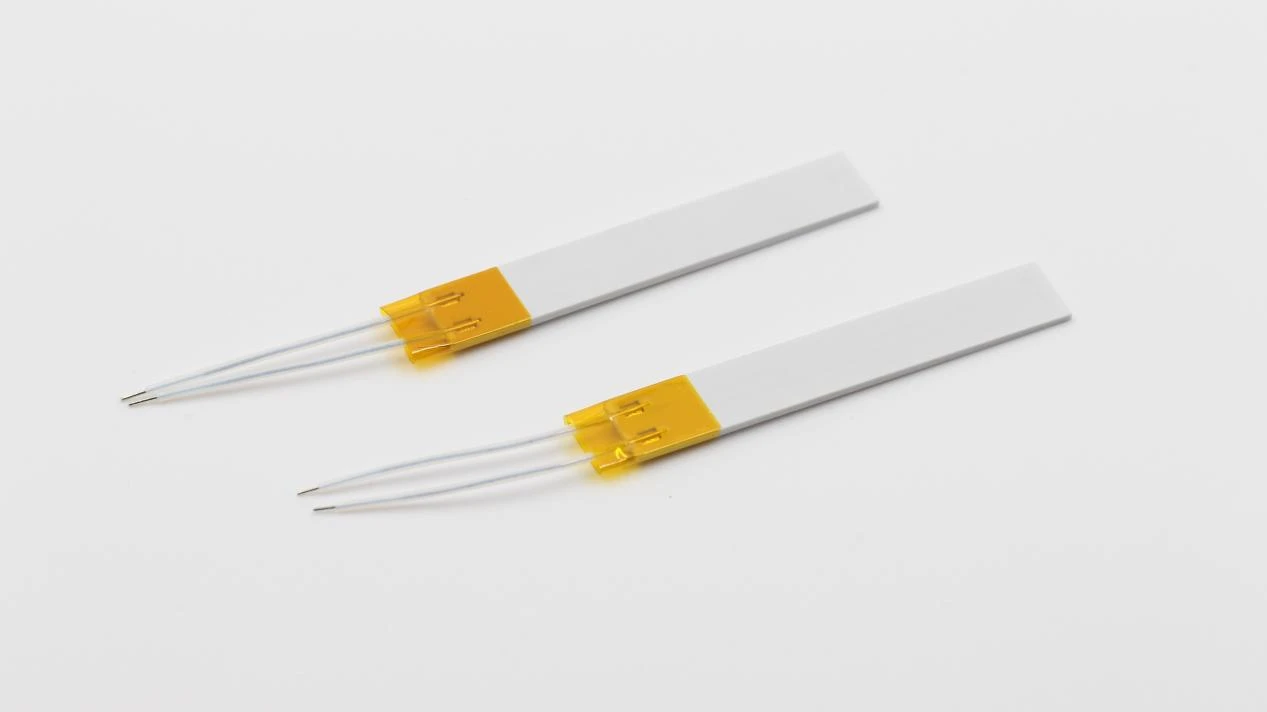
Compared to traditional metal wire heating methods, MCH (Metal Ceramic Heater) integrates the metal heating circuit within a ceramic substrate, enabling an integrated design of heating and insulation. It can be customized with different heating areas, power levels, resistance values, and dimensions according to product requirements, making it suitable for personal care devices such as straighteners and curling irons.
For straightener manufacturers and procurement personnel, selecting the appropriate MCH ceramic heating element based on product structure and performance requirements is a key consideration during product development and procurement.
I. Why do straightening irons require MCH ceramic heating elements?
The core function of a hair straightener is to transfer heat to the hair through the heating plate. Therefore, the heating elements need to provide stable and uniform heat within the limited internal space.
An MCH ceramic heating element suitable for a hair straightener typically needs to meet the following requirements:
• Rapid heating to shorten the waiting time
• Uniform heating to reduce local temperature differences
• Stable working temperature
• Compact structure for easy integration into the entire device
• Electrical parameters matching the control system
• Customization according to the product structure
The MCH ceramic heating element integrates the heating circuit inside the ceramic substrate, achieving stable heat output in a smaller space while also considering electrical insulation and structural support. Therefore, it is suitable for hair care equipment with high requirements for size, heating speed, and temperature control.
It should be noted that, unlike PTC heating elements with self-limiting temperature characteristics, MCH does not have self-limiting temperature capability. The over-temperature protection of the entire device needs to be achieved through external electronic control and temperature sensors. Therefore, the electronic control scheme needs to be designed in synchronization with the heating element.
Comparison of Core Characteristics between MCH and PTC
| Comparison | MCH Metal Ceramic Heater | PTC Ceramic Heating Element |
|---|---|---|
| Self-regulating Temperature Function | No, relies on external electronic control protection | Inherent self-regulating temperature characteristic |
| Heating Response | Fast heating achievable via heating circuit design | Limited by material self-regulating characteristic |
| Customization Flexibility | Highly customizable in size, heating circuit, power, etc. | Relatively high standardization, limited customization |
| Overall System Design Requirement | Requires reliable temperature detection and over-temperature protection | Relatively simple temperature control design |
II. What parameters should be considered when choosing MCH ceramic heating elements?
The MCH ceramic heating element is not a simple standardized component. For different hair straightening devices, it needs to be matched according to the electrical parameters, structural dimensions, and temperature requirements of the entire machine.
1. Operating Voltage
Operating voltage is one of the basic parameters for selecting the MCH ceramic heating element. Different regions and types of hair straightening devices may use different power supply specifications, so when designing the heating element, the following points need to be clarified first:
• Rated operating voltage
• Input voltage range
• AC or DC power supply
• Single voltage or multi-voltage design
After determining the operating voltage, the heating power and resistance value can be further matched. For export-type hair straightening devices, the power supply specifications of the target market need to be combined for design.
2. Heating Power
Heating power directly affects the heat output capacity and heating speed of the MCH ceramic heating element. For hair straightening devices that need to reach the working temperature quickly, increasing the heating power usually shortens the heating time. However, power is not always the higher the better; too high power may increase the load on the electronic control system and put the heating element, heating plate, and the entire machine structure under higher heat loads. Therefore, it needs to be matched with the size of the heating element, the effective heating area, the heat capacity of the heating plate, and the temperature control system.
Therefore, the heating power usually needs to be determined in combination with the operating voltage, resistance value, and heating area. A reasonable power design can achieve a balance between rapid heating and stable temperature control.
3. External Dimensions
The internal space of the hair straightening device is usually limited, so the size of the MCH ceramic heating element directly affects the product assembly and overall structural design. When selecting, it is necessary to confirm:
• Length
• Width
• Thickness
• Effective heating area
• Installation and positioning structure
• Lead position
For thin or portable hair straightening devices, the thickness of the heating element is particularly important. During customization, the size of the heating element usually needs to be considered together with the heating plate, insulation structure, and casing, rather than just choosing a single size.
III. How to determine the resistance and temperature parameters?
4. Resistance value
The resistance value of MCH ceramic heating elements is directly related to the working voltage and power. If the resistance value is too high, it may result in insufficient actual power and a slower heating rate; if the resistance value is too low, it may cause excessive actual power and increase the burden on the control circuit.
Therefore, when purchasing MCH ceramic heating elements, it is recommended to clearly specify the working voltage, target power, and resistance value. For customized products, the manufacturer can design the corresponding heating circuit based on the customer’s voltage and power requirements and control the resistance range of the product.
5. Target operating temperature
Different types of hair dryers have different requirements for operating temperature. Ordinary household hair dryers may focus more on stable temperature control and safety, while professional hair styling equipment may require higher operating temperatures and a wider temperature adjustment range.
Therefore, when choosing MCH ceramic heating elements, it is necessary to clarify:
• Target operating temperature
• Maximum operating temperature
• Temperature adjustment range
• Continuous operating temperature
• Temperature stability requirements
It should be noted that the temperature resistance capacity of ceramic heating elements is not equivalent to the actual operating temperature of the hair dryer heating plate. The final operating temperature is also affected by factors such as the heating plate material, heat conduction structure, control system, and overall design of the device.
6. Heating time
Fast heating is an important product requirement for modern hair dryers. If users have to wait for a long time to reach the set temperature, it will directly affect the product usage experience. Therefore, during the selection of MCH ceramic heating elements, it is necessary to clearly specify the target heating time. It should be noted that the heating time should be evaluated based on the effective heating surface of the hair dryer reaching the target operating temperature, and not simply be equivalent to the temperature rise time of the MCH ceramic heating element itself.
Heating speed is mainly affected by the following factors:
• Heating power
• Heating element size
• Heating circuit design
• Thermal capacity of the ceramic and heating structure
• Heating plate structure
• Temperature control method
By optimizing the internal heating circuit of MCH, heat can be reasonably distributed in the effective heating area, and the heat response speed can be improved while meeting the target power requirements.
IV. Temperature Uniformity and Temperature Control Method Are Equally Important
7. Temperature Uniformity
For hair dryers, a fast heating-up speed does not necessarily mean that the heating performance is ideal. If there are significant temperature differences in different areas of the heating plate, it may cause local overheating or insufficient heating, thereby affecting the overall usage effect.
The heating circuit inside the MCH ceramic heating element can be designed according to the product structure. By adjusting the layout of the heating lines, a more uniform heat distribution can be achieved in the effective heating area. Optimizing the heating circuit is an important means to improve temperature uniformity, but the final plate surface temperature difference is also affected by factors such as the heating plate material, thermal insulating pads, and assembly compression gap, and requires collaborative design of the entire machine.
Therefore, for the hair dryer project, when determining the parameters of the heating element, not only the total power needs to be considered, but also the effective heating area and the temperature uniformity requirements should be clarified.
8. Temperature Control Method
The MCH ceramic heating element is responsible for generating heat, while the actual working temperature usually needs to be adjusted through an external temperature control system. Common temperature control methods include:
• Temperature sensor
• Thermostat
• Electronic temperature control circuit
• Intelligent temperature control system
For hair dryers that require multi-level temperature adjustment, the heating element needs to be matched with the temperature sensor and the control system. Therefore, during the design of the MCH ceramic heating element, the resistance, power, temperature response, and temperature detection position of the heating element need to be considered simultaneously.
V. Why Do Hair‑Straightener MCH Ceramic Heating Chips Usually Require Customization?
For manufacturers of hair straightening devices, different products often have differences in terms of structural dimensions, power requirements, and temperature requirements. Standard specifications of heating elements may not fully meet the design needs of the entire machine. MCH ceramic heating sheets can be customized according to specific projects, including the size of the ceramic substrate, the thickness of the ceramic, the working voltage, the heating power, the resistance value, the heating area, the layout of the heating circuit, the lead length, the lead position, and the electrode and connection method, etc. Therefore, when choosing a ceramic heating element manufacturer, in addition to paying attention to product performance, one also needs to examine their capabilities in ceramic materials, heating circuit design, precision processing, and customized production.
VI. What Information Is Required for Sourcing MCH Ceramic Heating Chips?
If you are developing or purchasing ceramic heating elements for hair dryers, it is recommended to provide complete technical parameters during the quotation stage, including:
Working voltage → Heating power → Dimensions → Resistance value → Target temperature → Heating time → Temperature uniformity → Temperature control method
If you already have product design materials, it is suggested to provide two-dimensional or three-dimensional drawings, heating plate and installation structure information, temperature sensor requirements, as well as sample quantity and estimated batch purchase quantity during the quotation. Complete project materials can help manufacturers evaluate the product structure, electrical parameters and customization feasibility more quickly, and further confirm the sample development and batch production plans.
VII. Conclusion
For hair dryers, MCH ceramic heating elements are not only a heating component, but also an important part that affects the heating speed, temperature uniformity, structural size and overall performance of the device.
When choosing the appropriate MCH ceramic heating element, it is necessary to consider the working voltage, heating power, dimensions, resistance value, target temperature, heating time, temperature uniformity and temperature control method, and determine the appropriate heating circuit and ceramic size based on the final product structure.
Innovacera provides MCH metal ceramic heating elements and customized solutions, which can provide customized products based on the customer’s electrical parameters, product size, target temperature and installation requirements. For projects of hair dryers, curling irons and other personal care devices, samples can be developed and batch production can be carried out according to customer drawings and technical requirements, providing matching MCH ceramic heating solutions for different applications. Welcome to contact sales@innovacera.com.