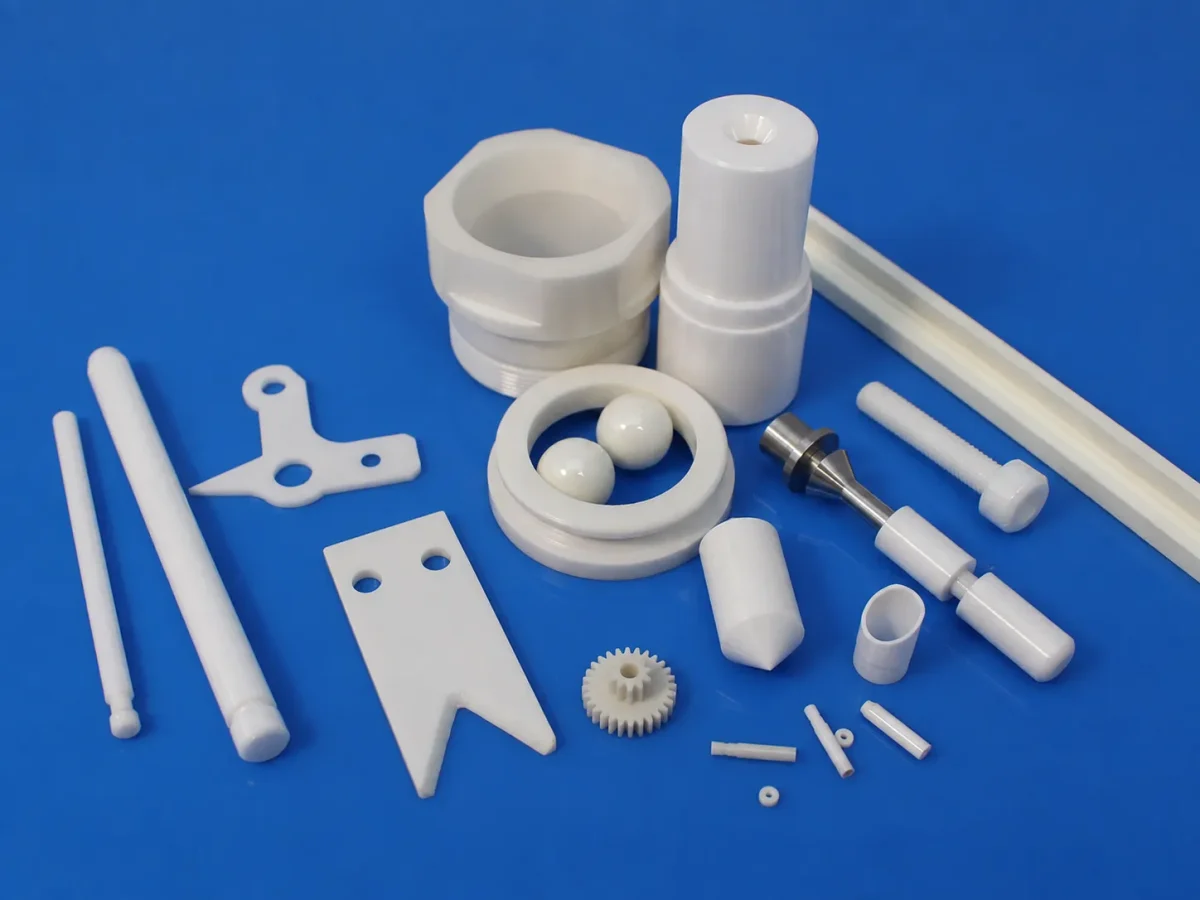
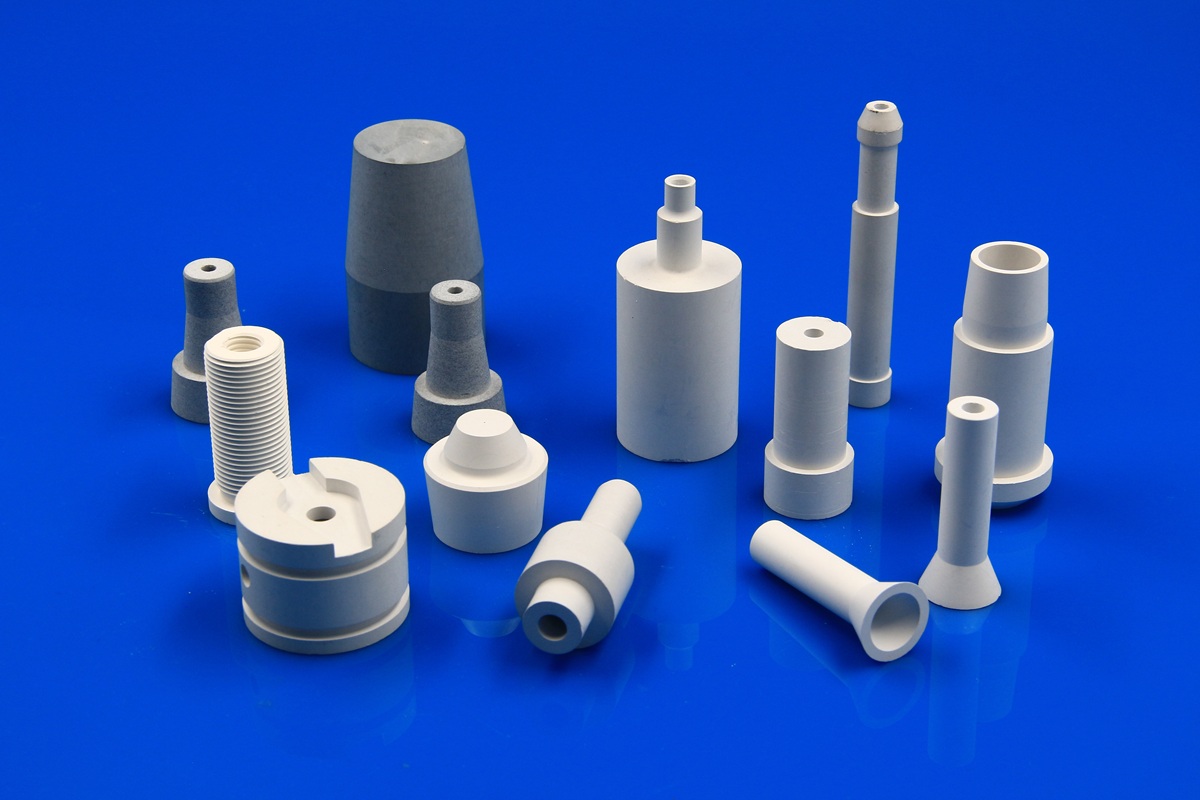
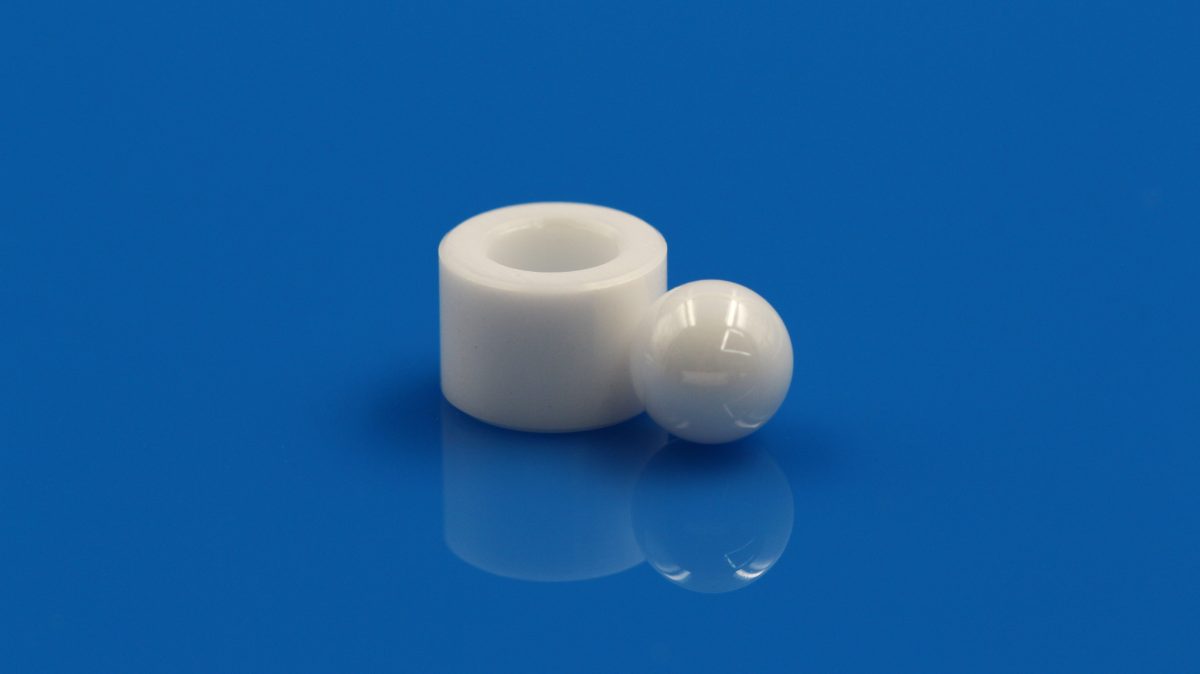
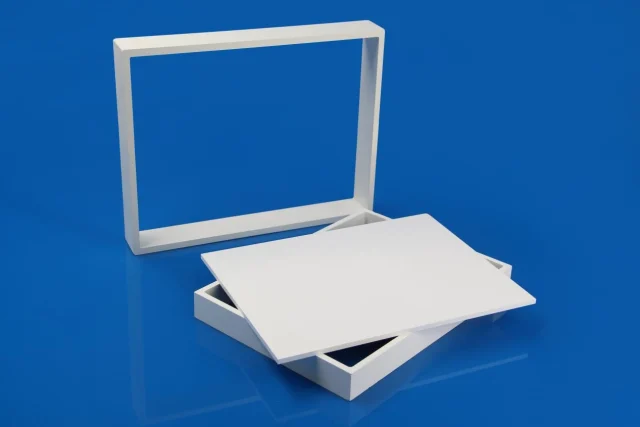
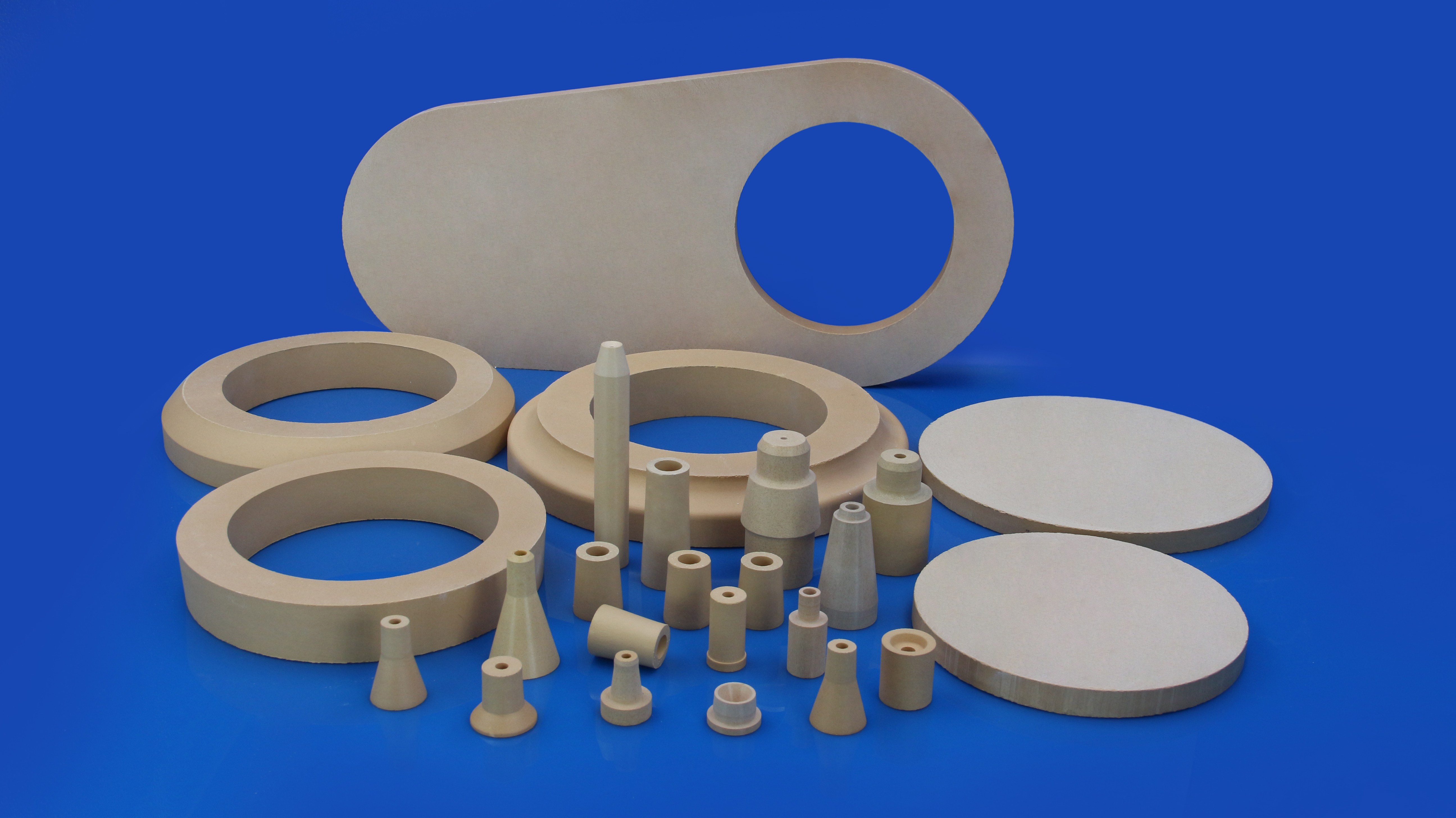
In continuous casting, the refractory component is part of the flow-control system. Innovacera’s Zirconia refractories are used in these critical areas because of their resistance to corrosion, erosion and thermal degradation, such as slide gate plates, submerged entry nozzles, ladle shrouds, nozzles, and tundish linings, among the steelmaking applications for its stabilized zirconia materials.
And three of the main problems encountered by steelmaking refractories are thermal shock and fatigue, slag and metal corrosion, and erosion and clogging. These mechanisms often occur together rather than separately. For nozzles, erosion can gradually enlarge or change the shape of the bore. Either situation can affect the stability of the casting process.
The Tundish metering nozzles control the amount of molten steel entering the mold, maintain steel purity and prevent oxidation during transfer between ladle and tundish. But the nozzle has to maintain a stable bore while exposed to molten steel for hours. As molten steel moves through a nozzle creates continuous mechanical wear, and the flow condition changes. Slag and metal also attack the refractory surface chemically. Rapid temperature changes introduce another problem: thermal shock.
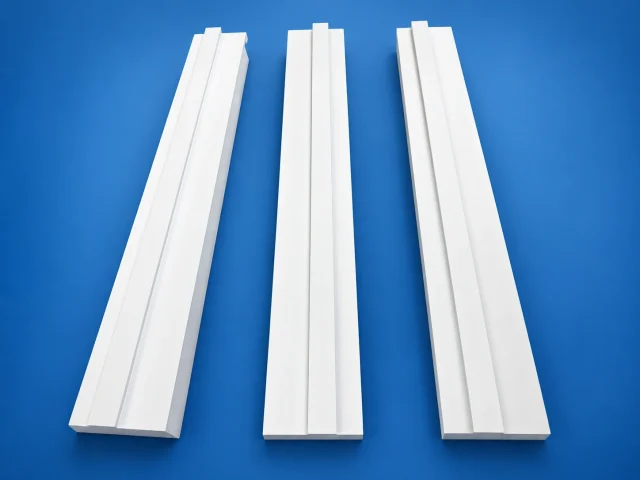
The zirconia slide gate inserts are precision components designed to be incorporated into larger refractory assemblies. The inserts are used in ladle and tundish gate systems, particularly where conventional refractory materials may not provide the required service life for demanding steel grades.
For a steel mill running a long casting sequence, that can become a production issue rather than simply a refractory issue. The material therefore has to do two things at the same time: survive the environment and retain the dimensional characteristics of the component. That is where zirconia becomes interesting.
Why Stabilized Zirconia?
Pure zirconia changes crystal structure as temperature changes, which can result in dimensional changes and cracking. Stabilizing zirconia with oxides such as MgO or CaO allows it to retain a more useful phase structure during service.
The choice therefore depends on the actual operating environment rather than zirconia content alone. Innovacera also focuses on precision manufacturing. If you are looking for such parts, please contact us at sales@innovacera.