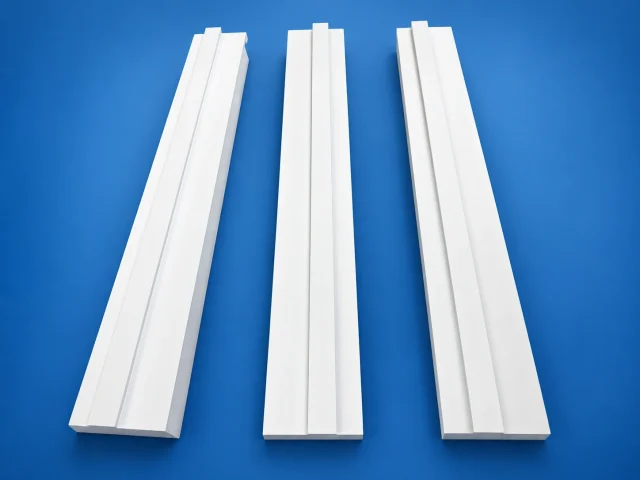
Aluminum nitride (AlN) substrates are typically sintered at high temperatures under controlled atmospheres to achieve the required density and material properties. During this process, the setter plate supports the substrates and is exposed to the same demanding thermal environment.
Boron nitride (BN) finds application in select high-temperature sintering fixtures and setter plates, thanks to its thermal stability, low thermal expansion, and minimal reactivity and sticking tendency toward most ceramic materials. However, choosing a suitable BN setter plate involves more than specifying its length and width.
When purchasing BN setter plates for AlN substrate sintering, the following information should be prepared in advance.
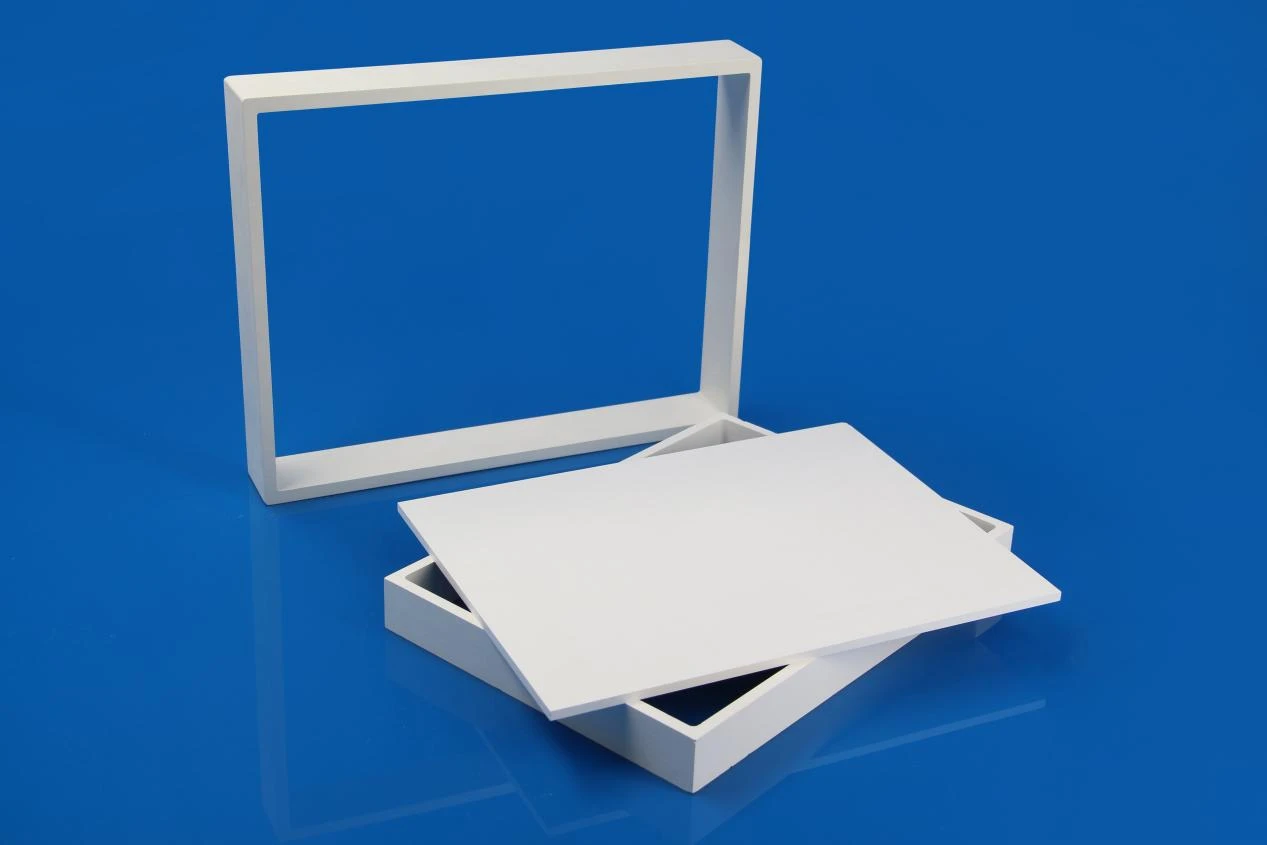
1. Confirm the basic specifications of the setter plate
The most fundamental information includes the dimensions and material requirements for the setter plate:
– Setter plate dimensions: Length × width × thickness
– BN material: Specify the BN grade, purity, or other material requirements if already determined. If not, material selection can be evaluated based on the actual sintering conditions.
– Machining features: Holes, grooves, steps, chamfers, or other structures
– Dimensional tolerances: Required thickness and dimensional accuracy
– Flatness and surface requirements: Especially important when the setter plate directly supports thin AlN substrates
When your setter plate needs special features, 2D drawings or 3D files are the best way to convey your requirements. You should also share dimensions and thickness data for your AlN substrates. Substrate size, quantity and layout directly determine what size and structure the setter plate needs.
2. Specify the actual sintering conditions
In addition to product dimensions, the operating environment for the setter plate is equally important.
When requesting a quote, consider providing:
– Sintering temperature
– Furnace atmosphere (e.g., nitrogen or other controlled atmospheres)
– Holding time
– Heating and cooling rates
– Number of AlN substrates per setter plate and their arrangement
– Approximate loading weight
– Single-layer, multi-layer, or stacked usage
– Support method of the setter plate inside the furnace
This information helps suppliers assess whether the selected BN material and setter design are suitable for the actual operating conditions.
Special attention should be paid to the sintering atmosphere. BN materials are prone to oxidation under high-temperature oxidizing conditions. At elevated temperatures, suitability needs to be assessed against BN grade, operating temperature, and furnace atmosphere. Even for nitrogen, inert-gas or vacuum environments, the allowable operating temperature should still be validated based on material composition and actual process conditions.
The support method of the setter plate is also critical. For larger or thinner plates, edge support, multi-point support, and loading configurations can result in different stress distributions. Therefore, the final dimensions and thickness should be assessed in conjunction with actual in-furnace usage.
Flatness cannot be considered independently. While the setter plate provides stable support for AlN substrates, the final flatness of the substrates is influenced by multiple factors including powder formulation, shaping, shrinkage, sintering process, and loading configuration.
3. Clarify purchase quantity and procurement method
Purchase volume is another key factor when selecting a supply approach.
For BN setter plates with relatively conventional dimensions and structures, available specifications can be confirmed first. Projects requiring experimental testing, process validation, or small-scale production can begin with a limited number of samples for actual sintering trials.
Custom manufacturing from drawings is typically needed for non-standard dimensions, special thicknesses, and custom features including holes, grooves and steps. If large-volume orders are planned for later, make this clear at the quotation stage.
When requesting a quote, indicate expected demand volumes, such as:
– Sample or test quantities
– Small-batch requirements
– Mass production needs
– Long-term or annual requirements
This enables suppliers to understand the application context and procurement needs better.
4. What information should be prepared before purchasing?
Before contacting a BN ceramic supplier, prepare the following information:
| Information | Content to be provided |
|---|---|
| Product Name | BN Setter Plate |
| Setter Plate Dimension | Length × Width × Thickness |
| AlN Substrate Dimension | Length × Width × Thickness |
| BN Material | Specified grade, purity or other material requirements; If not confirmed, service conditions can be provided for evaluation |
| Sintering Temperature | Actual operating temperature |
| Sintering Atmosphere | N₂, vacuum, inert atmosphere or other controlled atmosphere |
| Loading Condition | Quantity of AlN substrates, placement method and approximate load |
| Usage Mode | Single‑layer, multi‑layer or stacked application |
| Support Method | Furnace edge support, multi‑point support or other methods |
| Machining Requirements | Holes, grooves, chamfers, steps, etc. |
| Tolerance Requirements | Dimension, thickness, flatness and surface requirements |
| Purchase Quantity | Sample, small‑batch, mass‑production or long‑term demand |
| Drawing | If available, 2D or 3D drawing is recommended |
The more complete this information is, the easier it is to confirm the material, dimensions, and operating requirements at an early stage and reduce repeated specification checks later.
BN Setter Plates from Innovacera
Innovacera offers BN ceramic setter plates and other BN components for high-temperature applications.
For setter plates with relatively conventional dimensions and structures, available specifications can be confirmed first. Non-standard dimensions, special thicknesses, or custom features such as holes, grooves, chamfers, and steps can be machined according to drawings and specific application requirements.
For inquiries, please contact sales@innovacera.com with your required dimensions, material specifications, sintering conditions, usage conditions, and drawings if available.