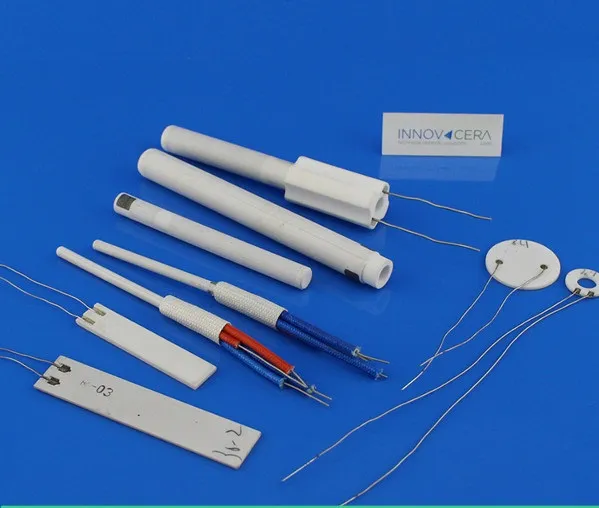
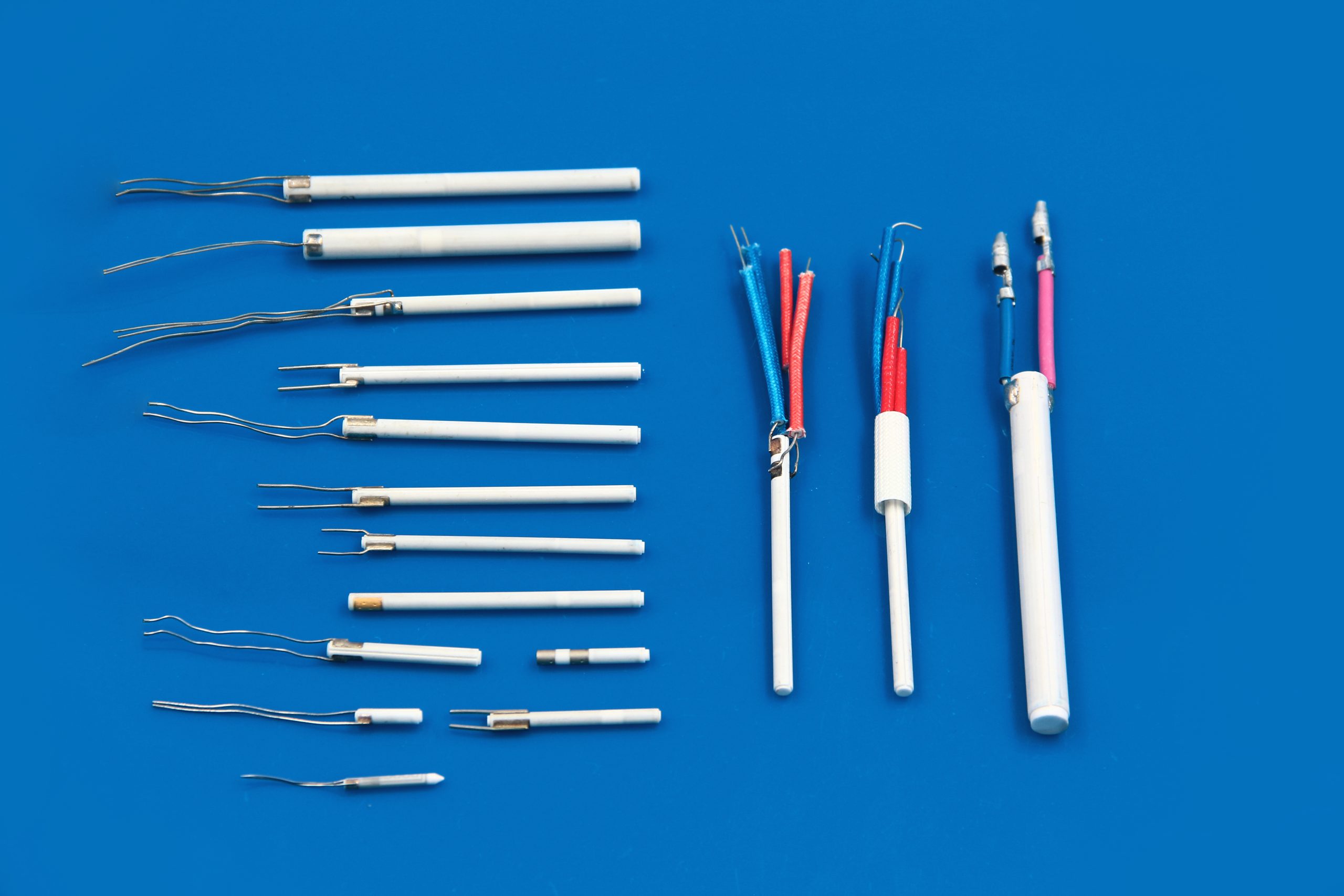
If you’ve ever wondered why a premium hair straightener heats up in seconds and then holds a steady temperature for hours, look past the display and the fancy coating. The answer usually comes down to the heating element inside. Most professional-grade flat irons today run on the MCH Ceramic Heating Element for Hair Straighteners, not the old nichrome wire or PTC elements. That choice shapes how the tool performs, and how long it lasts.
They Heat Up Fast—and Stay There
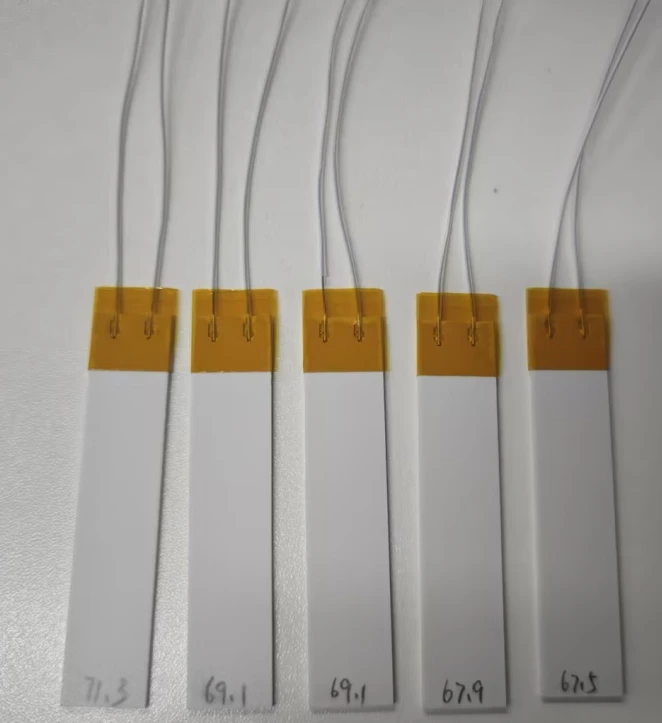
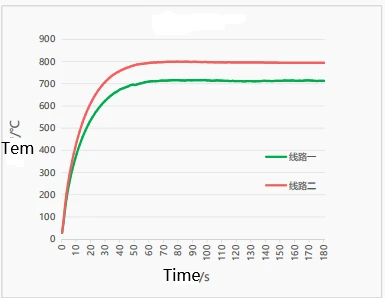
MCH ceramic plates hit working temperature in about 15 to 30 seconds. Convenient? Sure. But it’s more than that. A plate that overshoots and then corrects can leave you with uneven sections or heat damage. MCH plates make small adjustments quickly, so the surface temperature stays consistent while you work.
That steadiness comes from the ceramic substrate. It spreads heat across the plate instead of building a hot spot near the element. For a straightener, every pass should do the same job. In practice, that’s a big deal.
Slim Build, Serious Output
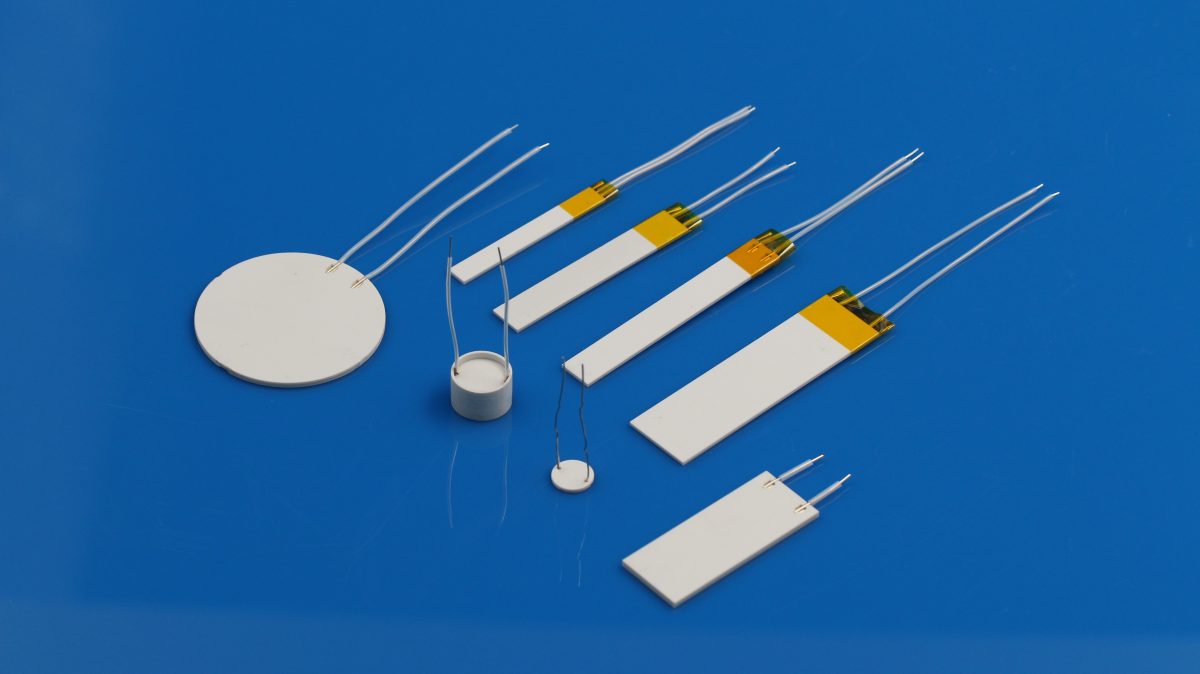
Flat irons have a space problem. The clamshell has to feel comfortable in your hand, which limits how thick the heating assembly can be. MCH ceramic plates are thin—often just a few millimeters—yet they still put out high power density. You get real heat from a compact package, which is why they fit neatly into slim professional tools.
It also helps with energy efficiency. Because the plate warms up fast and wastes less during warm-up, the tool draws less power overall than older resistive heating methods. Not the kind of thing you’d notice on a utility bill, but it matters when the design has to stay small.
Insulation Is Built In
Ceramic substrates don’t conduct electricity. That sounds like a small detail until you remember what a straightener goes through: high heat, moisture from hair products, and direct contact with people. MCH plates keep the circuit isolated from the outer surface, which lowers risk in normal use.
This is one reason they’ve become a default choice for personal care appliances that need to pass international safety certifications. The insulation isn’t bolted on. It’s the material itself.
Surviving On-Off Cycles
Hair tools get switched on and off constantly. Every cycle is a thermal shock: room temperature to 200°C-plus, then back down. Materials that can’t take that cycling crack or degrade over time. MCH ceramic plates handle it well. The ceramic substrate resists cracking under repeated temperature swings, so the product tends to last longer.
For brands competing on durability and warranty terms, that’s not a minor point. I’ve used irons where the temperature control was fine but the heater plate itself was the weak link. When that goes, the whole tool is done.
Sizes That Fit the Product
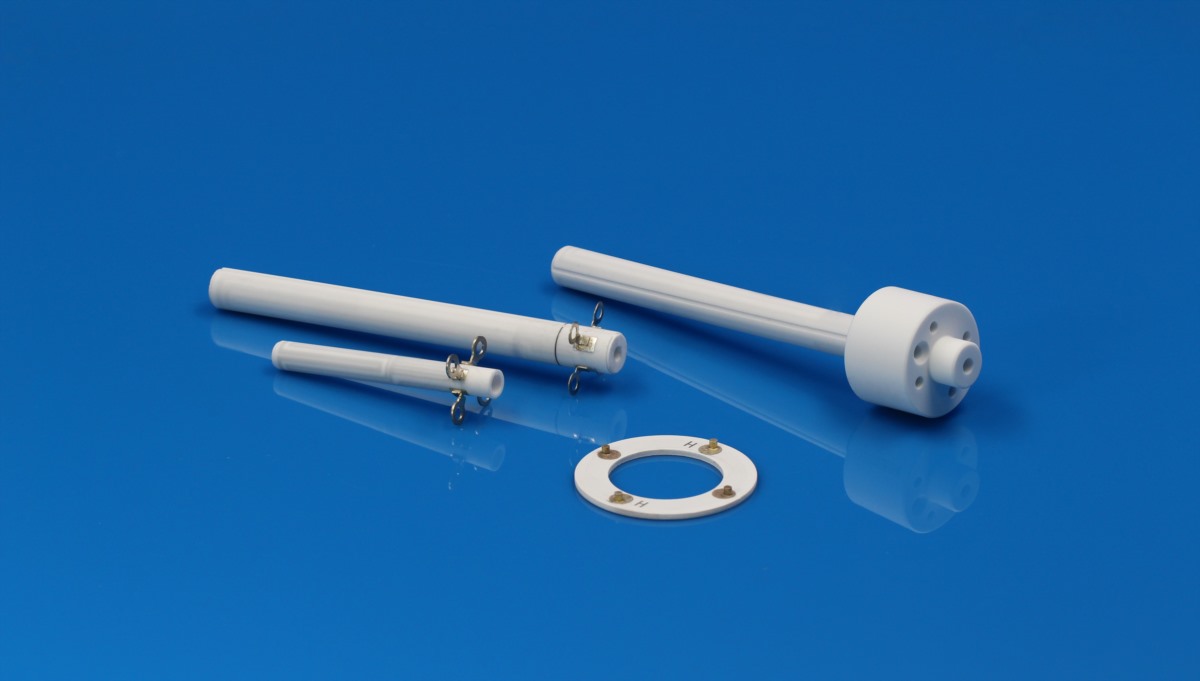
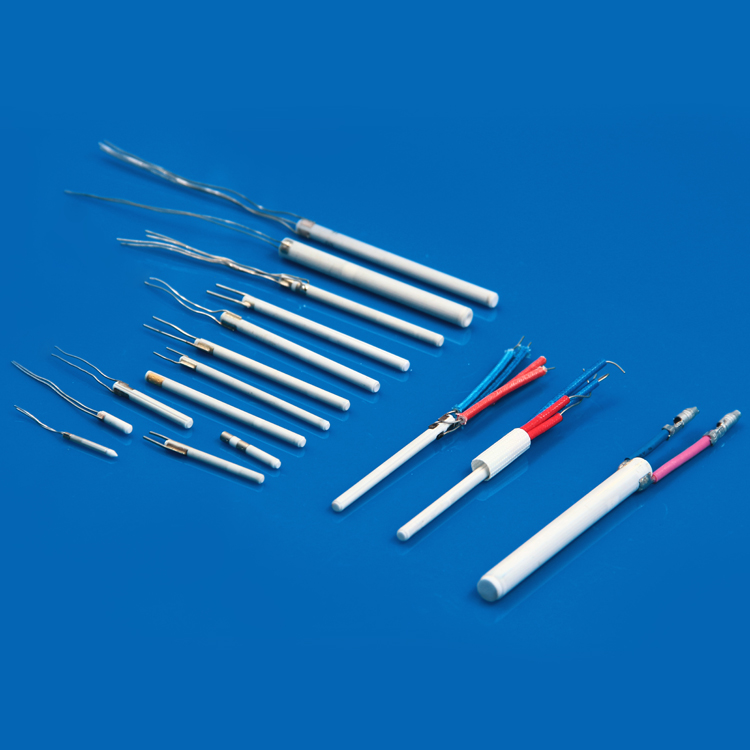
Not every flat iron is the same size. Travel tools, wide-plate professional irons, and specialty styling tools all use different plate dimensions. Suppliers can produce MCH ceramic plates in custom sizes and shapes, so manufacturers don’t have to design around a standard component. That flexibility helps when a brand spans multiple SKUs. You want a narrow plate for bangs and a wide one for thick hair? The heater can be built to match.
What It Comes Down To
MCH ceramic plates show up in hair styling tools because they solve several problems at once: fast heat-up, stable temperature, a thin profile, electrical insulation, and durable thermal cycling. They’re not the only option. But for brands building tools that need to perform reliably over years of daily use, it’s hard to match that combination with simpler heating technologies.
If you’re sourcing heating elements for personal care appliances—or just evaluating suppliers—look closely at the substrate quality and manufacturing consistency. That’s where the real performance differences come from. The specs on a sell sheet won’t tell you the whole story.