Smart toilet water temperature can fluctuate for reasons beyond heater output, including changes in water flow. On-demand instant heaters warm water quickly as it flows through the heating unit, but incoming water flow and inlet water temperature can vary. A higher flow rate or colder incoming water creates a larger heat load the heater has to cope with. This means that the power, size, and heating zone of MCH ceramic heating tubes must be properly matched to the actual water circuit design.
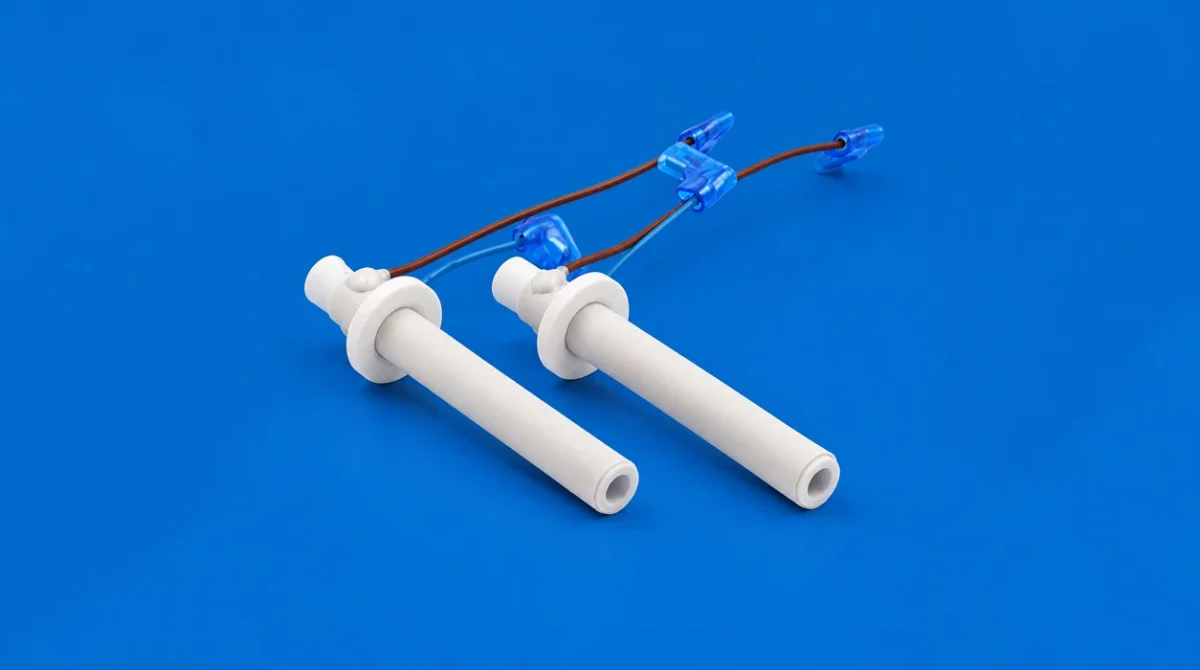
MCH ceramic heating tubes feature fast heating, a compact structure, and excellent electrical insulation, making them suitable for smart toilets and other instant water heating devices. However, in practical applications, besides considering the heating tube’s inherent performance, the design must also take into account the device’s water path structure, flow variations, and temperature control methods.
1. How does water flow variation affect ceramic heating tubes?
Water flow greatly affects how well instant heating works. If heating power and incoming water temperature stay unchanged, a faster flow means more water passes through every second, so the temperature won’t rise as much at the outlet. Conversely, reduced flow may lead to a greater temperature increase.
That means you can’t set the power of an MCH ceramic heating tube without considering real water flow. A power-flow mismatch will lead to insufficient outlet temperature or obvious temperature swings.
For smart toilets, the heating element must work in coordination with the device’s flow detection and temperature control system, which adjusts heating power based on real-time operating conditions to maintain the outlet temperature within an acceptable range.
2. Why must ceramic tube dimensions match the water path structure?
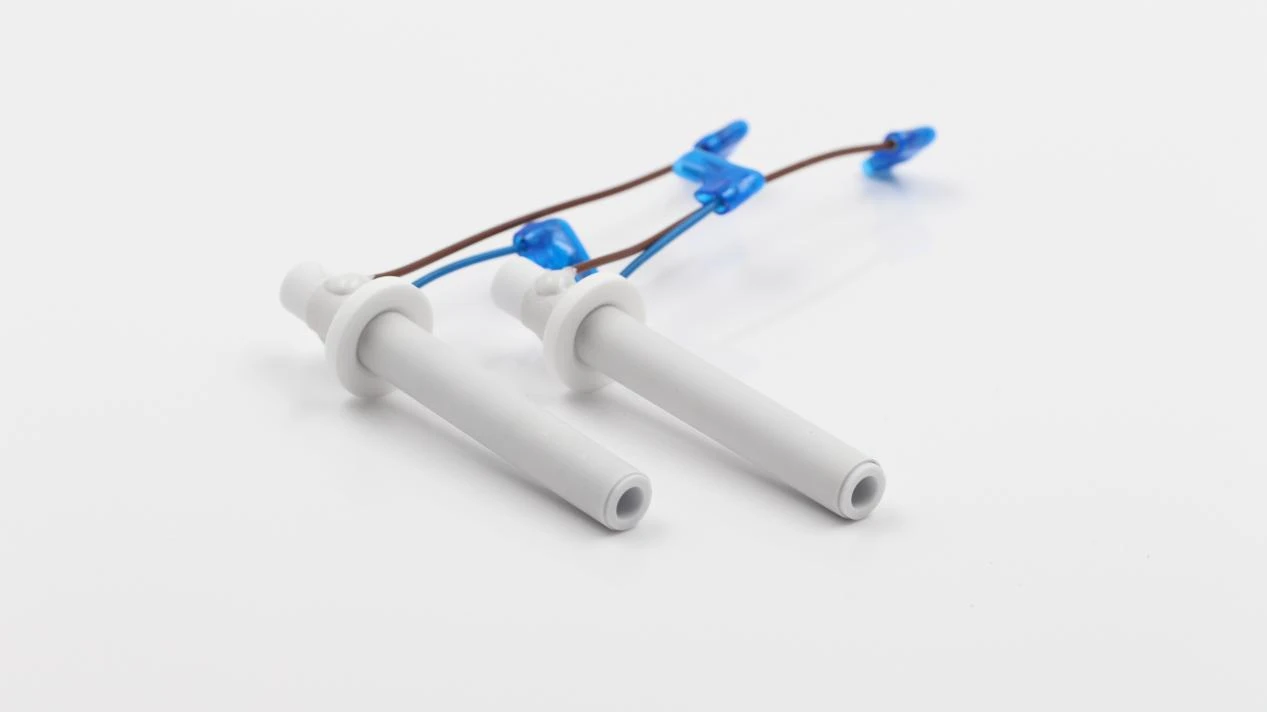
The size and heating zone of an MCH ceramic heating tube influence its installation method and heat transfer efficiency within the heating module. Design considerations must include the water path structure to determine the tube’s length, diameter, effective heating length, and mounting position.
If the heating tube dimensions do not match the water path structure, this could not only complicate internal installation but also negatively affect the overall layout and thermal efficiency of the heating module.
So when picking ceramic heating tubes, don’t just look at rated power. You also need to account for available internal space, heating zones, and water channel layout, so the heater can integrate smoothly into the assembly.
3. What effects do low flow rates and frequent start-stop cycles have on the heating elements?
The smart toilet does not always operate at a constant flow rate. Changes in the cleaning mode and variations in water pressure can alter the water flow conditions within the heating module. For the MCH ceramic heating tube, a decrease in water flow means that the amount of heat removed may also decrease. If the heating power remains unchanged, the water temperature and the temperature of the heating tube may rise, increasing the risk of localized overheating at low flow rates.
In addition to changes in water flow, the heating tube also needs to withstand frequent start-stop cycles. Each startup causes the ceramic tube to heat up; after heating stops, it gradually cools down. Over a long period of use, these repeated temperature changes subject the ceramic body, internal heating circuit, and electrical connection parts to thermal cycling, and their effects are related to the actual working temperature, heating and cooling rates, and installation method.
In practical applications, the MCH ceramic heating tube only generates heat. Temperature sensors, flow detectors and the control system take care of water temperature adjustment and low-flow protection. Therefore, when choosing the heating tube, in addition to heating performance under normal flow rates, its operation under low-flow conditions and frequent start-stop cycles should also be tested in the actual water heating module.
4. How to select the right MCH ceramic heating tube for smart toilets?
When choosing an MCH ceramic heating tube, it is recommended to confirm the following parameters based on the toilet’s overall electrical requirements, water circuit design, and actual operating conditions:
| Selection Parameter | Details to Confirm |
|---|---|
| Operating Voltage | Rated voltage of the equipment |
| Heating Power | Determined by target water temperature, inlet water temperature and water flow rate |
| Resistance Value | Matched with rated voltage and power requirements |
| Overall Dimension | Including pipe diameter, total length and installation space |
| Effective Heating Area | Determined by water circuit and heating module structure |
| Lead Wire & Connection Method | Match the electrical connection design inside equipment |
| Working Conditions | Including water flow rate, inlet water temperature and start-stop frequency |
For products with special structural requirements, the heating tube’s installation position and relevant drawings should also be provided to confirm whether the dimensions and connection methods are compatible with the overall equipment design.
5. INNOVACERA MCH Ceramic Heating Tube Customization Support
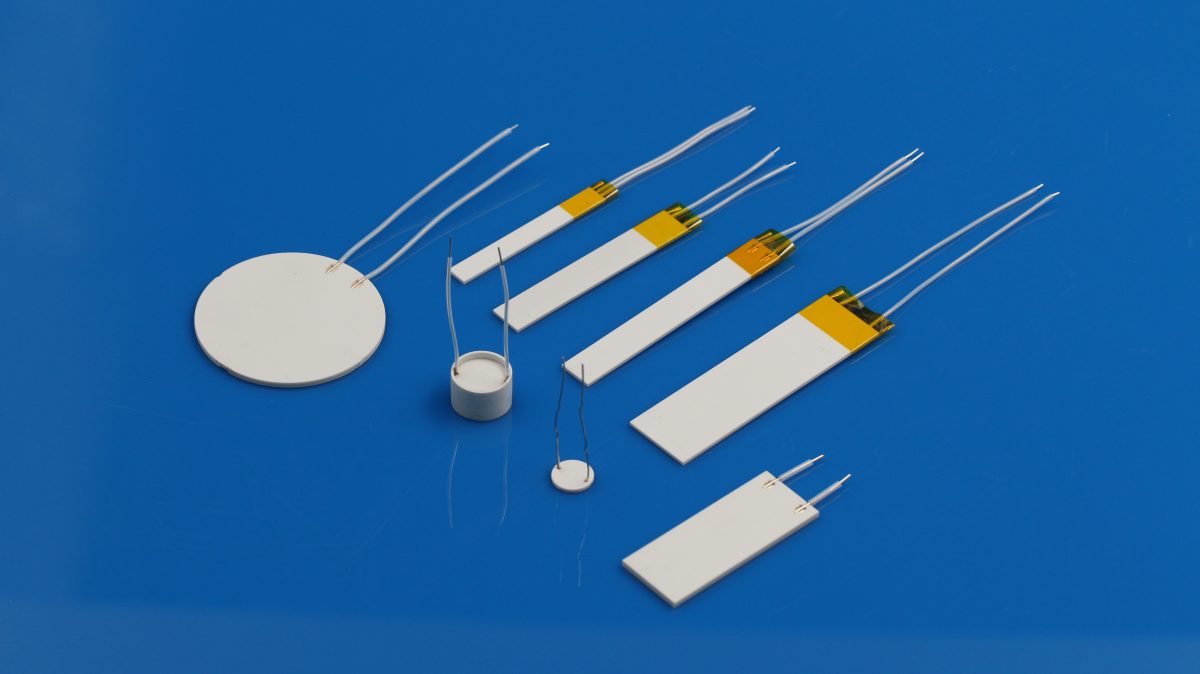
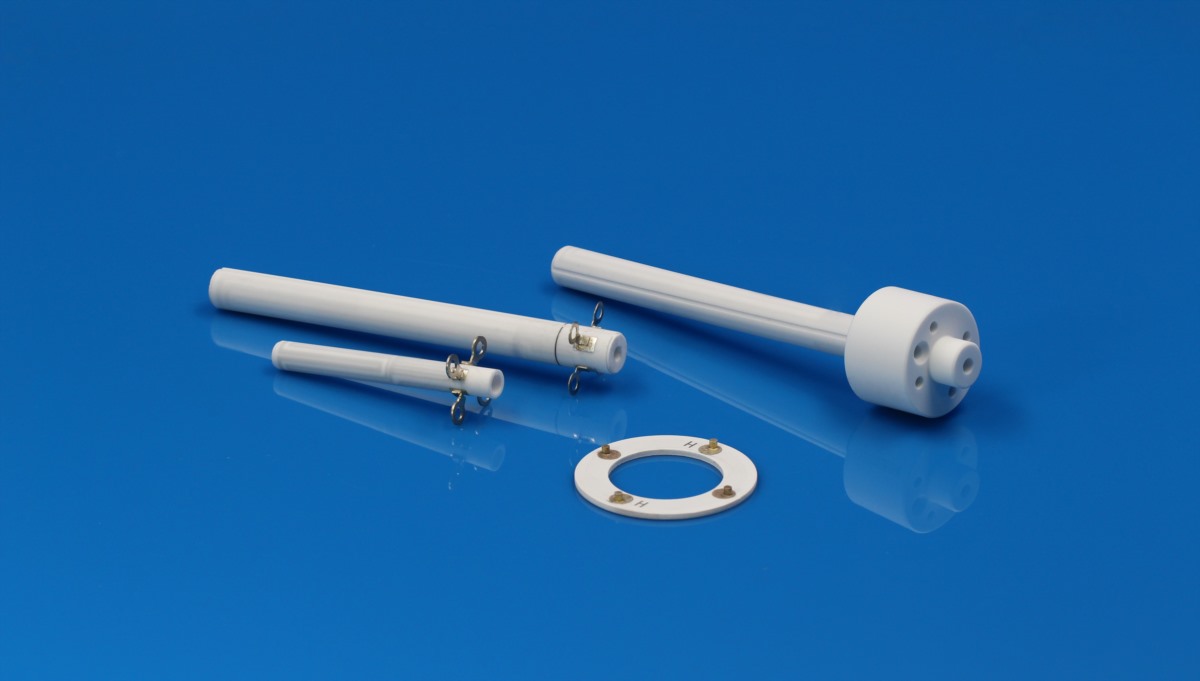
INNOVACERA offers MCH ceramic heating elements designed for smart toilets, bidets, and other instant water heating devices. We tailor our designs to fit your equipment’s operating voltage, heating power, size and mounting needs. For projects with special dimensional or structural demands, INNOVACERA offers custom production against customer drawings or samples, making it easier to embed MCH ceramic heating tubes into your hardware.
If you’re developing smart toilets, bathroom instant water heaters or other fast water-heating devices, send over your drawings and specs to us. We can go through the details of MCH ceramic heating tubes and customisation possibilities.