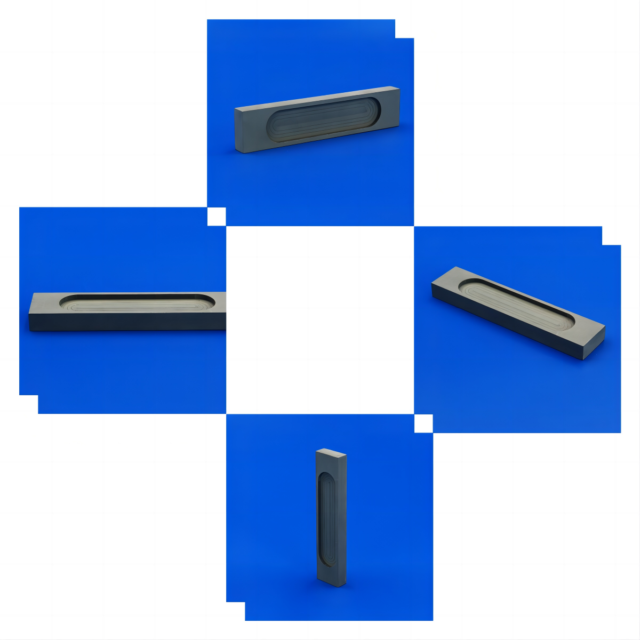
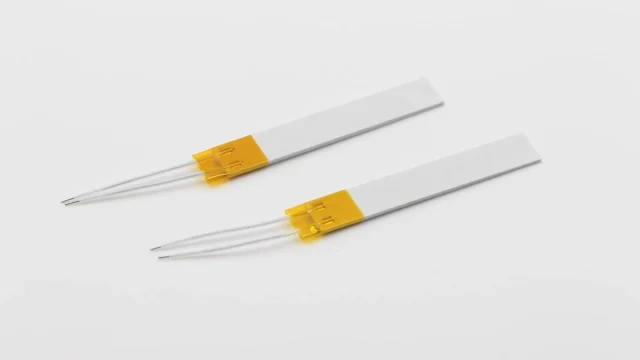
Metallurgical equipment operates under extreme duress—scorching temperatures, corrosive molten metals, and severe abrasion. Traditional materials like graphite and alumina often fail prematurely due to corrosion, sticking, or cracking. Boron nitride ceramics, however, offer a transformative alternative, combining chemical inertness, exceptional thermal stability (up to 2200°C), and inherent solid-state lubricity to solve the industry’s most persistent challenges. Here is the tradition application for Metallurgy.
1. Continuous Casting – Separator Rings and Side Dams
One of the most critical applications is in continuous casting. In horizontal continuous casting, the separator ring connects the tundish to the mould and acts as the solidification starting point for molten steel, which must endure 1480–1560 °C and severe thermal cycling. BN‑based composites (e.g., Si₃N₄‑BN) offer outstanding thermal shock resistance, corrosion resistance against steel, and complete non‑wetting behaviour, ensuring a clean start to solidification. Service life is 3–5 times longer than graphite rings. Similarly, in thin‑strip continuous casting, BN side dams effectively protect the molten metal pool from sticking or eroding, enabling stable production of ultra‑thin strips.
2. High‑Temperature Melting – Crucibles and Containers
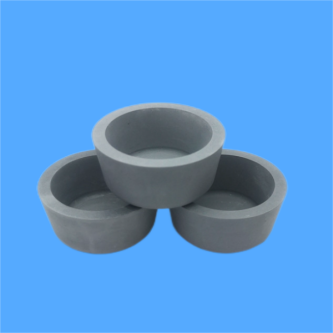
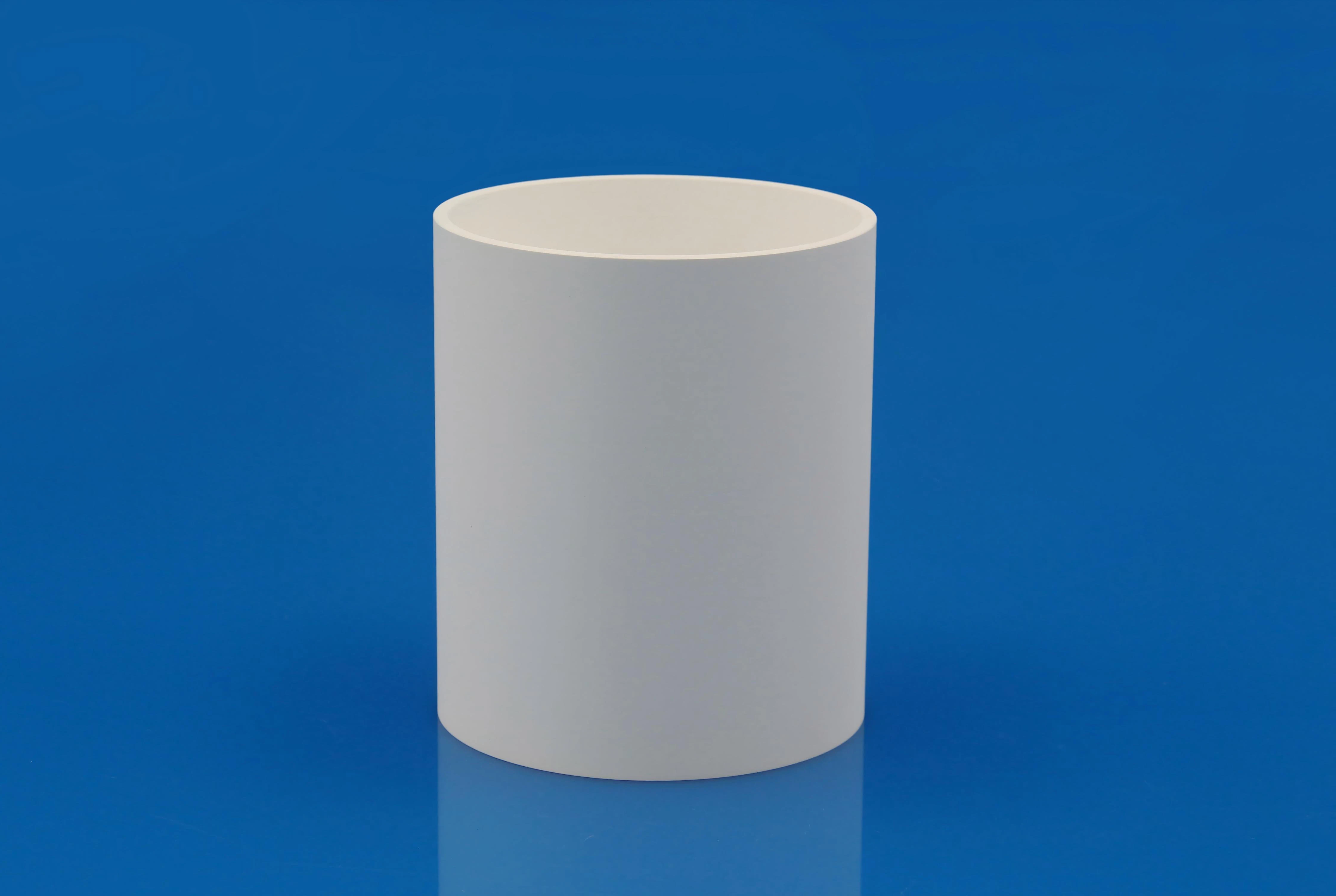
For melting high‑purity metals, precious metals and reactive alloys, BN crucibles are the preferred containers . They can work with aluminium, copper, zinc, magnesium, iron and stainless steel. As BN does not react with or dissolve into most molten metals, at the same time it releases no volatile impurities at high temperatures, the melt remains pristine—a critical requirement for automotive, electronic, and medical alloys. Under vacuum or inert gas, BN crucibles can operate up to 1800 °C–2200 °C, outperforming graphite in many scenarios where carbon pickup is unacceptable, thus serving as a premium upgrade.
3. Casting and Forming – Release Agents and Solid Lubricants
The non‑stick and self‑lubricating nature of BN powder makes it an ideal release agent for casting, forging, stamping, and powder metallurgy. Applied as coating on die surfaces, it prevents metal adhesion, minimizes chemical attack, eases demoulding, and significantly extends tool life while improving surface finish of the final product. Moreover, in high‑temperature or vacuum environments where conventional oil‑based lubricants decompose, BN powder acts as a reliable solid lubricant, reducing friction and wear between moving parts without outgassing.
4. Powder Metallurgy and Vacuum Coating – Nozzles and Evaporation Boats
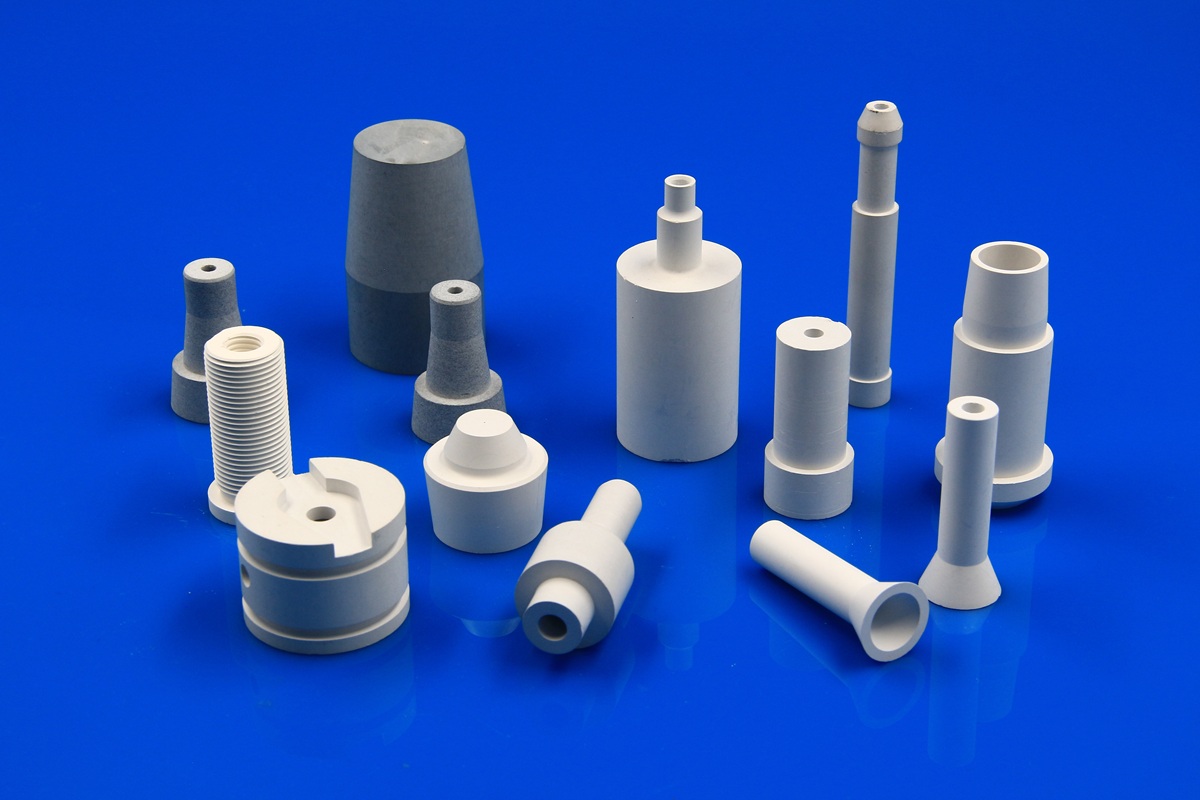
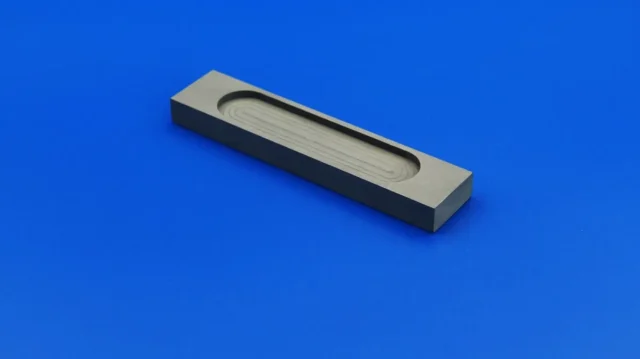
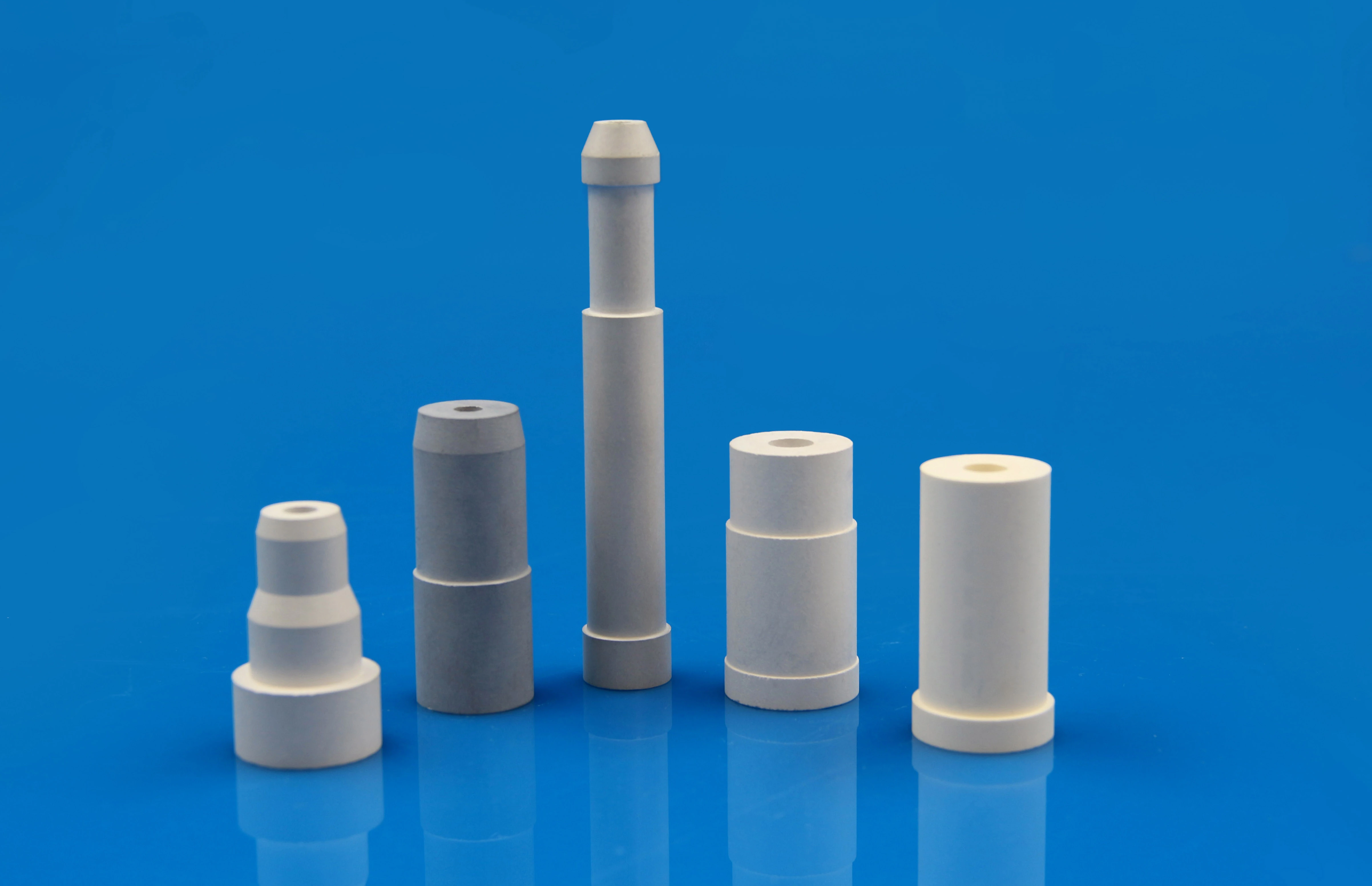
In gas atomisation for producing metal powders, BN nozzles withstand the high‑temperature melt stream (up to 1800 °C) and abrasive particle impact, while their non‑wetting property prevents clogging—ensuring consistent powder size distribution. For vacuum metallisation, such as aluminium coating on films, BN evaporation boats serve as the core heating element, resistively generating heat to vaporise the metal uniformly and efficiently, with minimal contamination.
5. Auxiliary but Indispensable Components
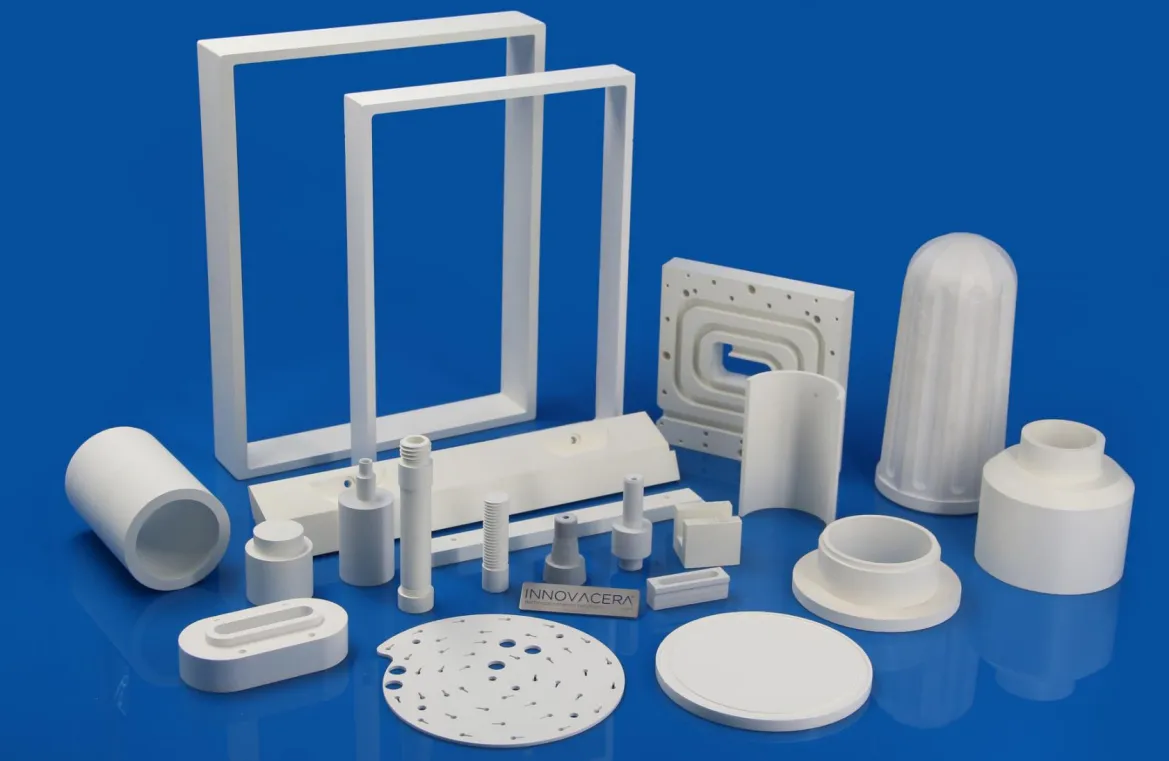
Beyond these, BN finds use in high‑temperature thermocouple protection tubes, shielding sensors from molten metal attack for accurate temperature measurement. In powder metallurgy, BN additives enable self‑lubricating sintered parts—oil‑free bearings and sliding components that run quietly and durably. Structural parts like electrode insulators, heater supports, liquid metal transfer pipes, and pump components all exploit BN’s corrosion resistance and non‑wetting. Finally, BN protective coatings are applied in welding and brazing to shield workpiece surfaces from spatter and slag adhesion.
Boron nitride ceramics have proven indispensable across the entire metallurgical value chain—from melting and casting to forming and coating. Their exceptional thermal stability, chemical inertness, and high‑temperature lubricity not only solve persistent problems of corrosion, sticking, and short service life but also enable higher productivity, superior product quality, and cleaner processes. As the industry pushes for more efficient and sustainable operations, BN will undoubtedly remain a key enabler in extreme thermal and chemical environments.