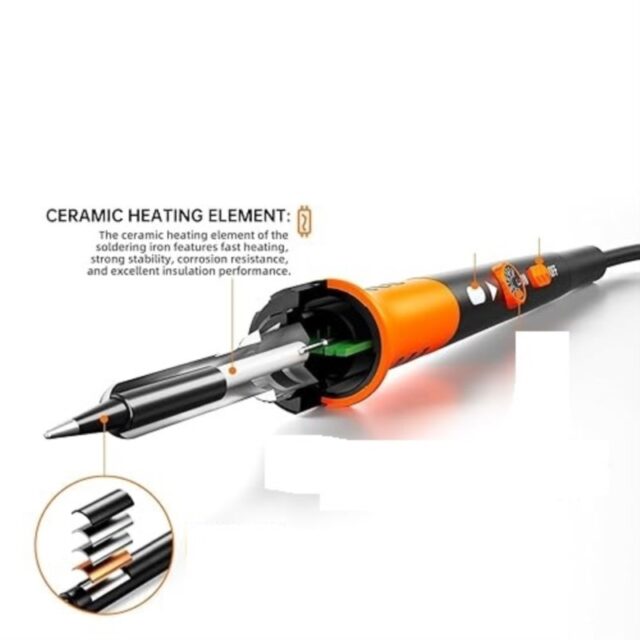
It’s common to see this situation when replacing pellet stove igniters: the new part may match the old one closely in voltage, power and outer size, but ignition speed can still change after installation.
For makers developing new pellet grills, it’s equally critical to look at how the igniter works together with the combustion chamber and airflow setup.
Picking a ceramic igniter is not just about checking spec sheets. Where the hot zone sits, how it is mounted, and surrounding airflow will all change how heat gets to the wood pellets.
No matter whether you are replacing an existing igniter or designing new equipment, sorting out these points early makes it easier to get a proper match and cut down on extra testing and adjustments.
1. Voltage, Power, and Dimensions: Which Parameters Should Be Confirmed First When Selecting a Model?
Voltage and power are the primary parameters to confirm when selecting a model. Common ceramic igniters come in specifications such as 120 V and 230 V, depending on the equipment’s power supply system. For replacement applications, it is essential to verify the original device’s rated voltage and control system requirements. Do not assume that two igniters of identical dimensions can be directly interchanged if they operate at different voltages.
Power affects the igniter’s heat output and the electrical load on the equipment, but higher power does not necessarily mean faster ignition. Heat transfer is influenced by factors such as combustion chamber design, distance between the igniter and fuel, and airflow conditions. Therefore, power selection should be based on the equipment’s design and actual ignition requirements, rather than simply pursuing higher values.
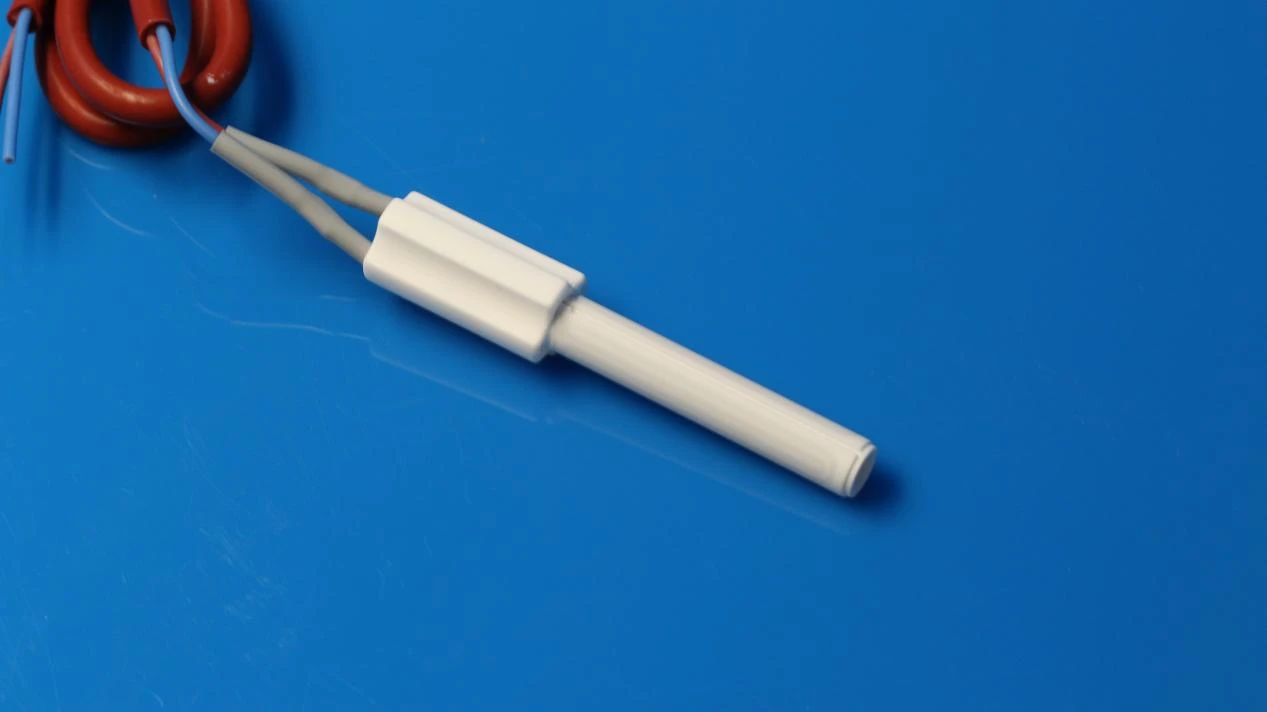
Dimensions must also not be overlooked. The outer diameter, total length, mounting position, and effective heating length of the igniter can all impact installation and ignition performance. Its outer diameter must fit the mounting bore or retaining sleeve, while the effective heating length affects how heat reaches the fuel. For hollow models or those with ventilation holes, it is also necessary to confirm that the inner diameter and air passage structure meet the equipment’s design requirements. Solid models do not have an inner diameter.
When replacing an existing igniter, compare the dimensions, heating area, mounting method and lead wire configuration.
2. Installation Structure and Airflow Design: Why Identical Dimensions Don’t Always Ensure Compatibility
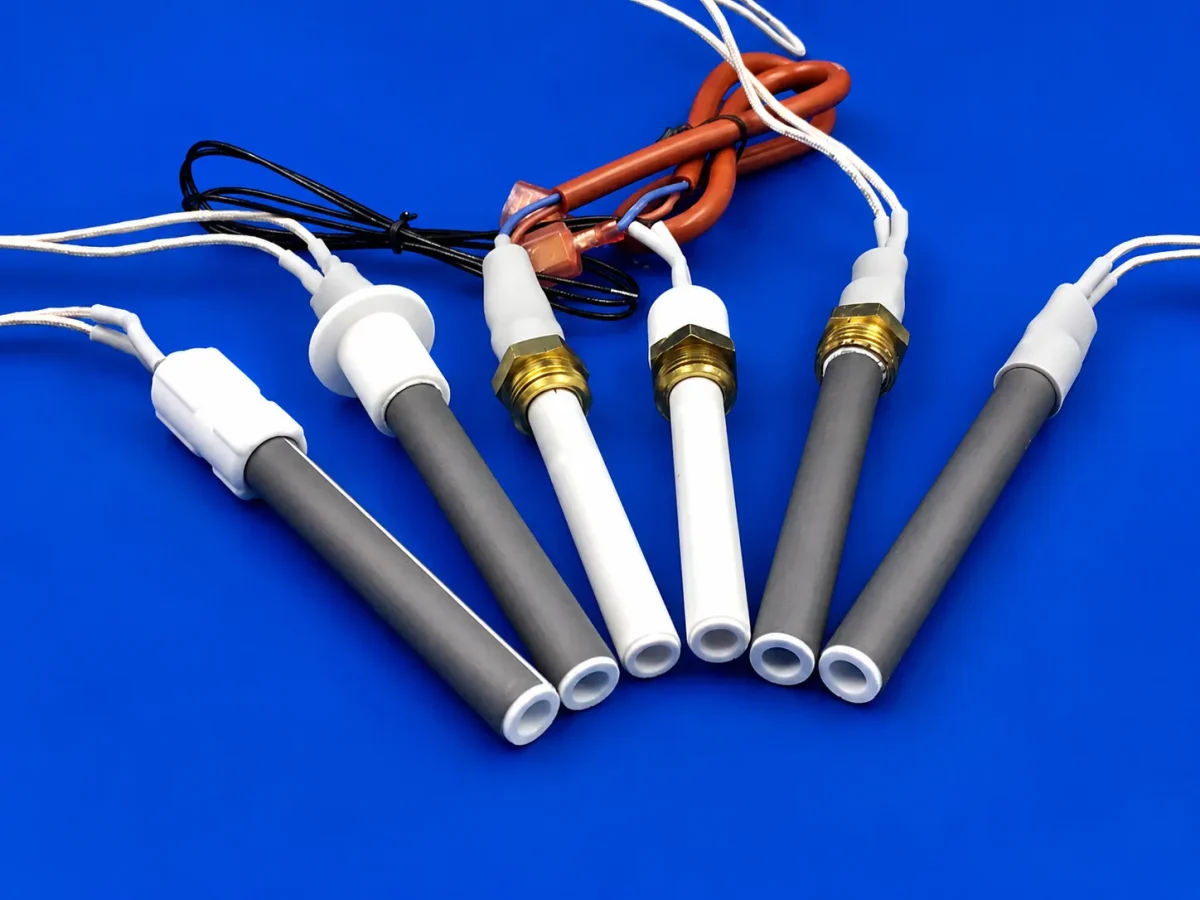
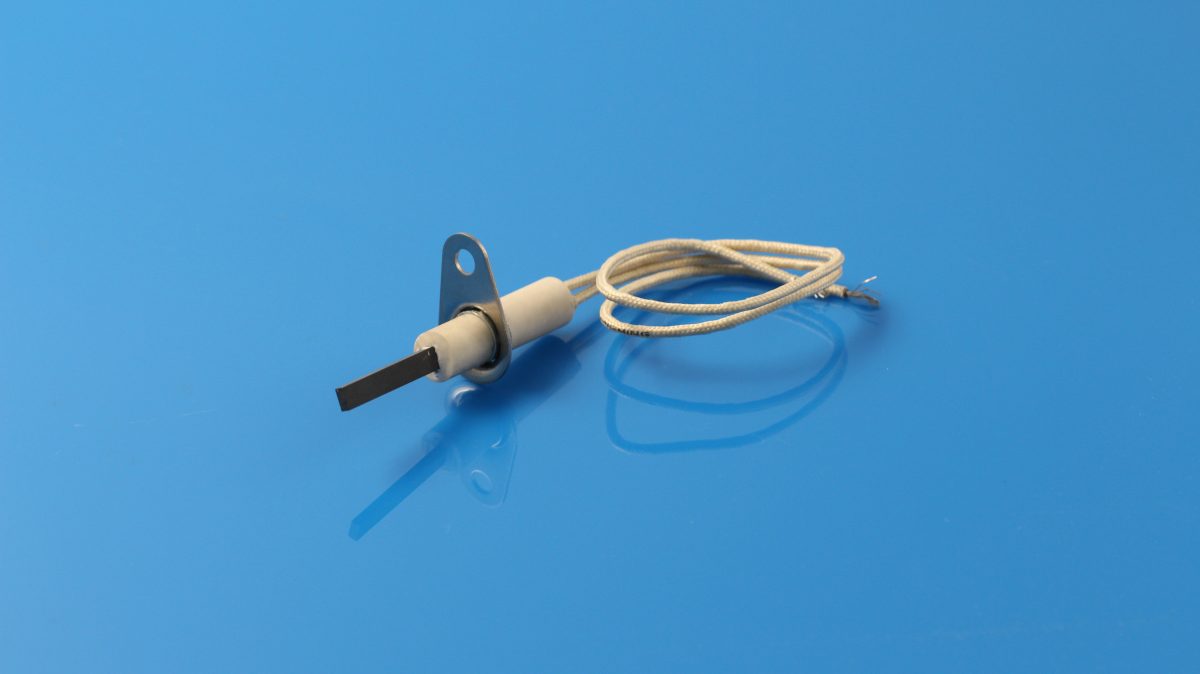
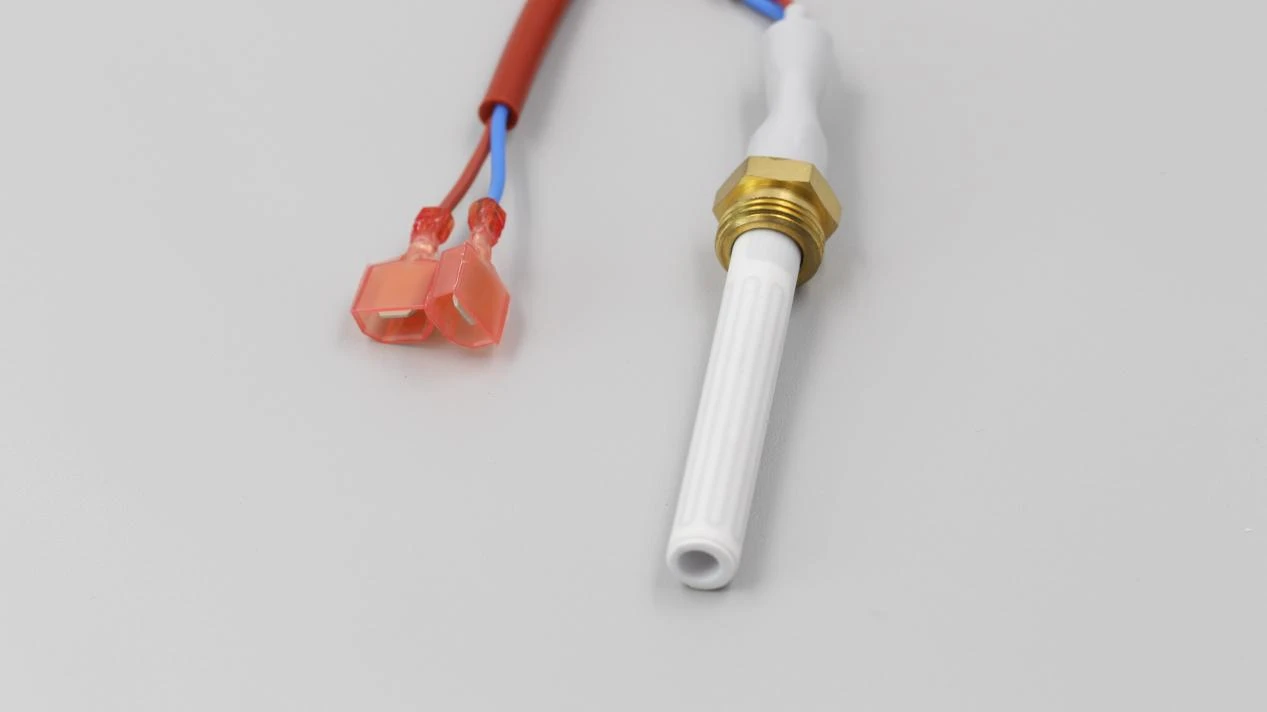
You can fit ceramic igniters using metal sleeves, ceramic bases, threads or mounting brackets — it all comes down to the equipment design. When doing a replacement, double-check the diameter, overall length, installation location, wires and connectors, and if switching from a metal igniter to a ceramic type, also verify your control board and electrical load, as you might need to tweak the mounting setup so the ceramic heating part won’t get squeezed or pushed sideways. Similar external dimensions alone do not guarantee compatibility.
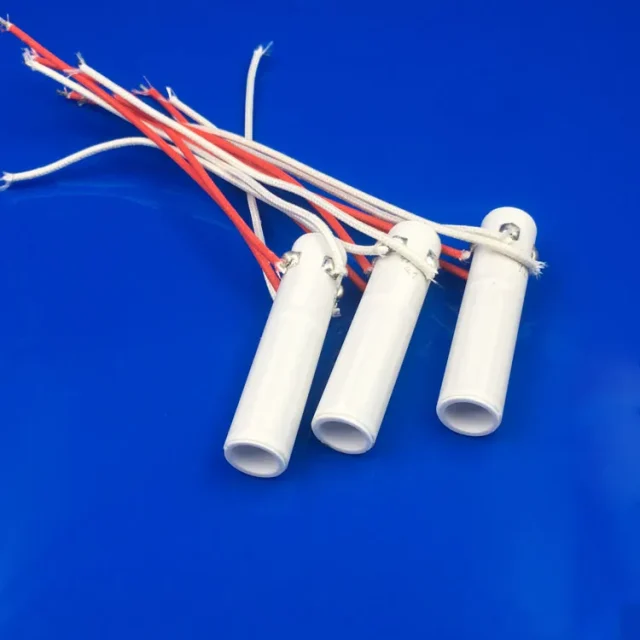
After the igniter is installed properly, how the air flows through the heating area is also important. Some pellet stoves use fans to send air past the igniter, allowing the heated air to reach the fuel. Some ceramic igniters have a hollow structure, and the air can pass through the internal channels; others mainly transfer heat through the surface to the surrounding area. The requirements for installation position and air supply method are not the same for the two structures.
Poor airflow or incorrect igniter positioning can cause slow or unstable ignition, even when the igniter heats up normally. For both replacement selections and new equipment designs, it is essential to verify the airflow route and the gap between the igniter and wood pellets.
3. Ignition Time: Why Is Testing on the Actual Equipment Necessary?
Ignition time is an important factor when selecting an igniter for a pellet stove or pellet grill. However, it is not solely determined by the ignition device itself. The structure of the combustion chamber, the air supply volume, the type and moisture content of the pellet fuel, as well as the ignition control program of the equipment, can all affect the actual ignition time.
Two units fitted with identical igniters can still deliver different ignition results. This comes down to differences such as heated area, gap to the fuel, airflow patterns and how fuel piles up. It is important to separate the intrinsic heating capability of the igniter from the actual ignition timing seen on the finished appliance. The former can be measured under specified test conditions, while the latter requires confirmation through equipment testing.
For replacement projects, the original equipment’s normal ignition time can be used as a reference, while actual performance should be checked after installation. For new equipment development, the fuel type, airflow conditions and target ignition time should be defined before testing the igniter on the equipment.
4. What information needs to be provided during procurement for replacement projects and new equipment development?
The selection priorities for replacement projects and new equipment development are different. Preparing relevant parameters in advance can help reduce repeated confirmations due to electrical specifications, installation dimensions, or structural mismatches.
| Selection Item | Replacement of Existing Ignition Rod | New Equipment Development |
|---|---|---|
| Rated Voltage | Confirm power supply conditions and control requirements of original equipment | Determined according to the power supply system of new equipment |
| Rated Power | Refer to specifications of original igniter and equipment requirements | Determined based on ignition requirements and electrical design |
| Product Dimension | Verify outer diameter, overall length and mounting dimensions | Determined according to combustion chamber and installation space |
| Effective Heating Length | Check the matching between heating zone and original installation position | Determined by fuel position and heat transfer requirements |
| Mounting Structure | Confirm fixing method, lead wire length and connector | Determine installation mode according to complete machine structure |
| Airflow Condition | Check whether the original air supply mode and ventilation structure are matched | Determined combining combustion chamber and air supply system |
| Ignition Time | Refer to actual ignition performance of original equipment | Define target and verify through complete machine test |
| Purchase Quantity | Clarify requirements for samples, spare parts or batch replacement | Clarify R&D samples, pilot production and estimated purchase quantity |
INNOVACERA Ceramic Igniters for Pellet Stoves and Pellet Grills
INNOVACERA supplies ceramic igniters for pellet stoves, pellet grills and other pellet-burning equipment, including replacement and custom applications. Please provide the rated voltage, power, dimensions, mounting details and expected order quantity for product evaluation. Drawings or samples are also welcome.
For inquiries, contact sales@innovacera.com.